








Introduction:Delve into the unique flavor origins of Kenyan AA TOP-grade coffee, from the geographical conditions of its origin, rigorous grading system, to the K72 washed and honeycomb processing methods. This comprehensive analysis reveals the key factors behind its bright acidity and rich berry aroma. We also share practical pour over parameters and cupping experiences to help you recreate professional-grade Kenyan light roast flavors.
Kenyan AA TOP enjoys an outstanding reputation in the specialty coffee world, widely praised for its crisp, bright acidity and captivating dark berry character. This article will break down the flavor formation mechanism of this classic African bean in detail—from regional environment, bean grading standards, the K72 washed process, to the background of honeycomb processing facilities—and provide a set of field-tested pour over protocols that let you easily brew Kenyan coffee with notes of cherry tomato and dark plum.

Kenyan AA TOP is regarded as one of the highest-grade Arabica coffees in the country. Its most distinctive feature lies in its clear fruit profile, especially the layered aromas of cherry tomato and blackberry, paired with balanced acidity and sweetness, and medium body. It suits drinkers who enjoy pronounced fruity notes and vibrant acidity. When brewed properly, this type of coffee can exhibit multi-layered taste changes—from the bright acidic fragrance upon first sip, to the juicy fruit texture in the mid-palate, and finally the mellow tea-like finish—each sip full of surprises.
The Kenyan coffee grading system is primarily based on bean size, appearance, density, and color. Among these, bean size is one of the most critical indicators, as larger coffee beans generally have better fermentation and flavor accumulation potential. Kenyan AA represents the highest grade, requiring beans to pass through a 18-mesh sieve (approximately 7.22 mm), meaning large beans over a quarter-inch in size. This is why the commonly seen 'AA TOP' on the market often boasts extremely clear flavors and high uniformity.
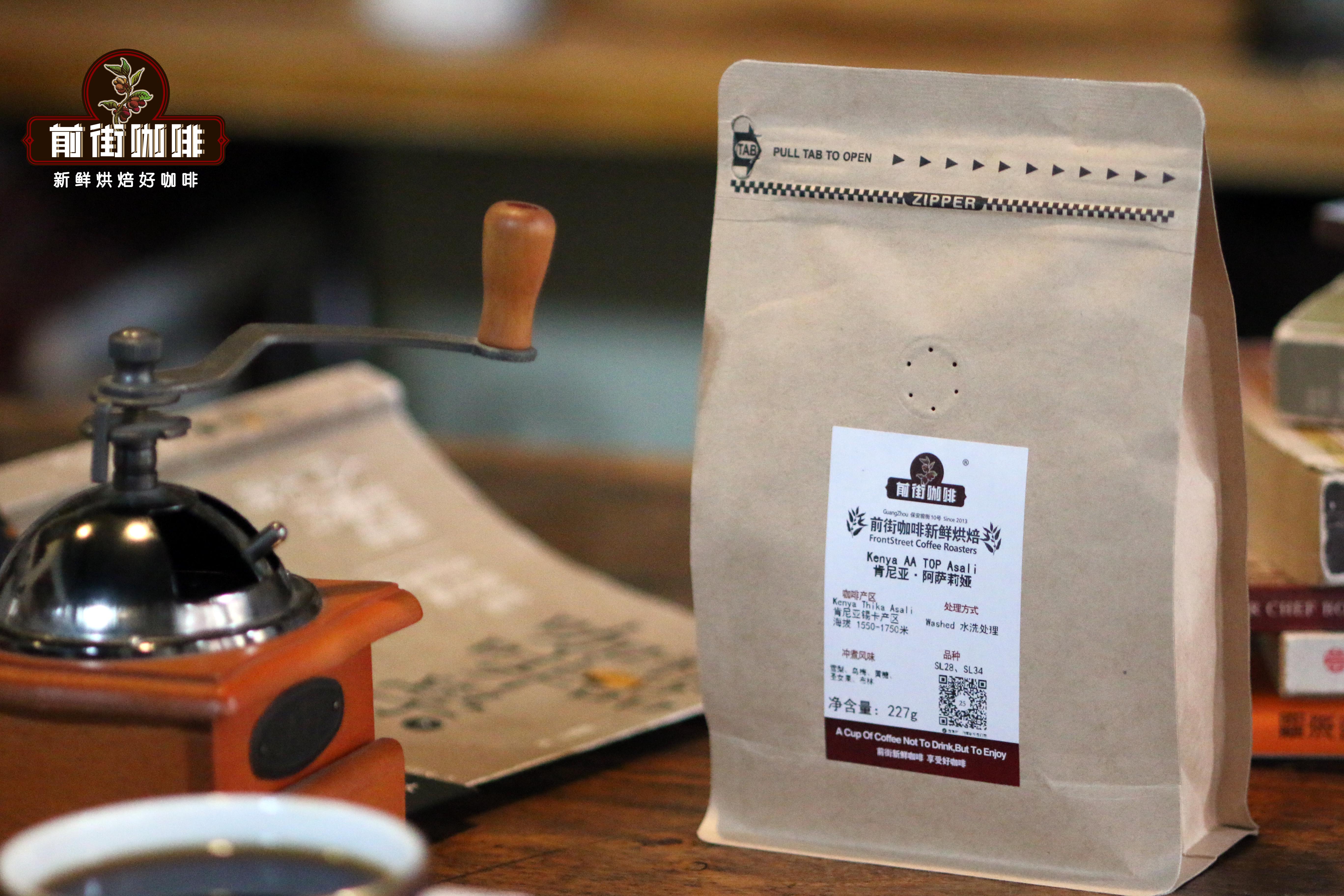
Although Kenya’s coffee-growing history is not as long as that of neighboring Ethiopia, it has developed rapidly and achieved exceptional quality. Coffee was first introduced to Kenya in the late 19th century during British colonial rule. To boost foreign exchange earnings, the colonial government actively promoted coffee cultivation and exported most of the harvest to European markets. By 1933, Kenya established the Coffee Board to manage its coffee trade independently. After gaining independence in 1963, local farmers continued to refine planting and post-harvest techniques—from variety selection and washed fermentation to strict grading and screening—establishing a high-standard production system.
Kenya’s coffee-growing regions are mainly concentrated in the highland areas surrounding Mount Kenya and Mount Elgon. These regions feature fertile volcanic soil, moderate annual rainfall (about 1000 to 2000 mm), and distinct day-night temperature variations. The high-altitude environment helps slow the ripening of coffee cherries, allowing beans to accumulate more flavor compounds and sugars. Coupled with slightly acidic soil (pH 5.3–6.0), this creates the bright acidity and tightly structured mouthfeel unique to Kenyan coffee.
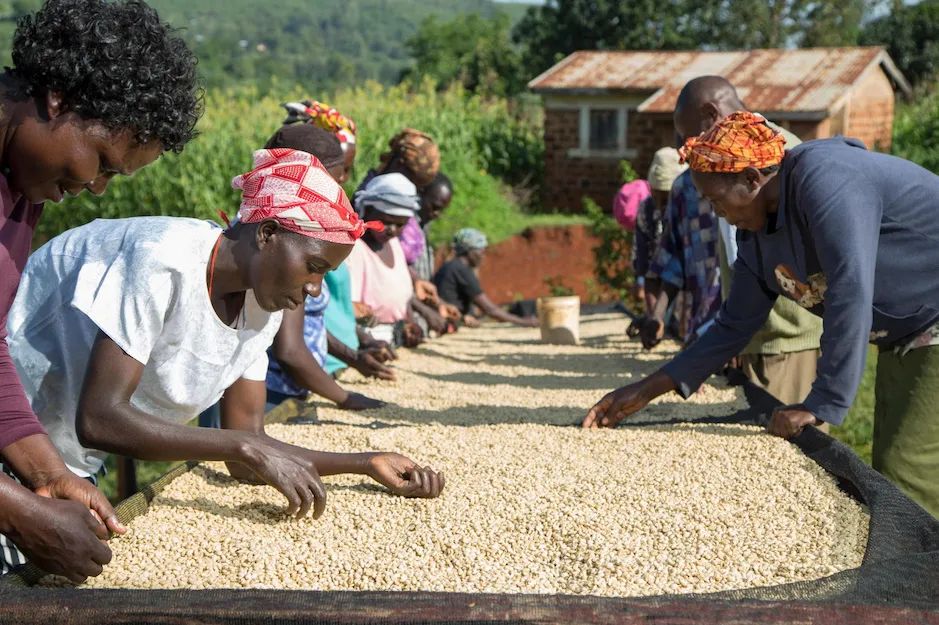
When it comes to the most representative processing method of Kenyan coffee, none surpasses the K72 washed process. The standout feature of this technique is its use of three rounds totaling 72 hours of double fermentation and washing, which thoroughly removes the mucilage layer while enhancing the coffee’s cleanliness and acidic aroma. The specific process is as follows: after harvesting, only ripe red cherries are selected, then undergo the first 24-hour fermentation and wash, followed by two more identical cycles, totaling 72 hours. This extended fermentation effectively extracts richer fruit acids and aromas, while reducing interference from impurities and off-flavors. It is a standard method used by many specialty processing facilities.
In addition to the K72 washed process, some Kenyan processing plants also employ so-called honey (or semi-honey) processing, which retains part of the mucilage to add sweetness and body. These methods are usually carried out in shaded drying environments to control the rate of moisture evaporation, further influencing the intensity of the final flavor. Some high-end honey processing facilities even name their products based on mucilage retention ratios, such as yellow honey, red honey, and black honey, each presenting different sweet aromatic and textural profiles.
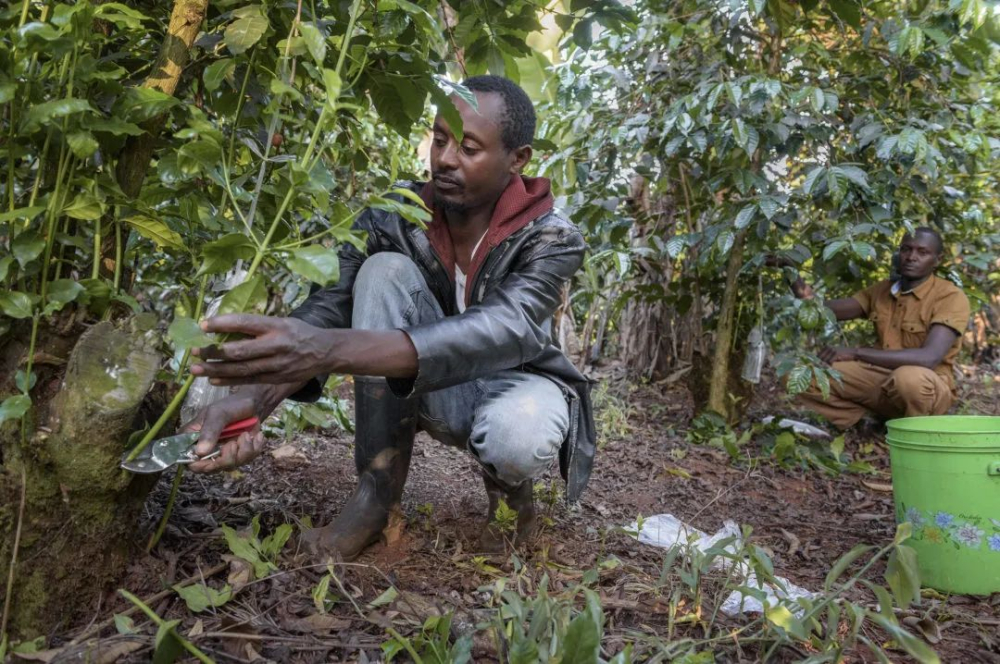
When brewing Kenyan AA TOP, it is recommended to use a light roast to preserve the maximum floral and fruity aromas. In practice, use a V60 filter cone with 92°C water, maintaining a powder-to-water ratio of 1:15, and a grind size of approximately 80% passing through a 20-mesh sieve—roughly the coarseness of fine sugar. Start by pouring 30 grams of water for a 30-second bloom, followed by a steady stream to add 120 grams of water in stages, then top up with 90 grams of water during the drawdown. The total yield is about 240 grams, with an overall brew time controlled at around 2 minutes and 10 seconds. These parameters fully highlight the Kenyan bean’s cherry tomato, dark plum, and dark stone fruit flavors, while maintaining a balanced acidity and sweetness.
The final brewed Kenyan coffee delivers a bright entrance with notes of black plum and dark plum acidity, followed by a mid-palate rich in layers of dark fruits like plum and prune, and a finish with a mellow black tea-like tone. The overall profile is clean, dynamic, and full of variation—making it an excellent classic bean for repeated tasting and practicing pour over techniques.
The above content is compiled by CoffeeHunters, a coffee news website.


