







Introduction:Costa Rica is renowned for its clean, soft, and balanced coffee flavors, and the addition of honey processing brings even richer sweetness and body. This article delves into the evolution and classification of Costa Rica’s honey processing methods—from white honey, yellow honey, red honey to black honey—explaining in detail the varying proportions of mucilage retained, drying times, and flavor characteristics of each method. Featuring a classic black honey coffee as an example, it explores the origins of its grape-like honey aroma and full-bodied taste, helping you find the honey-processed coffee that best suits your palate.
Costa Rican coffee has always been celebrated for its exceptional purity, soft mouthfeel, and outstanding balance. But if you’ve tried the country’s honey-processed coffee, you’ll be amazed by the extra layer of richness and sweetness it offers. Honey processing gives Costa Rican coffee more intense fruitiness, pronounced sweetness, and complex layers, making it an excellent choice for coffee enthusiasts looking to explore or dive deeper into specialty flavors.
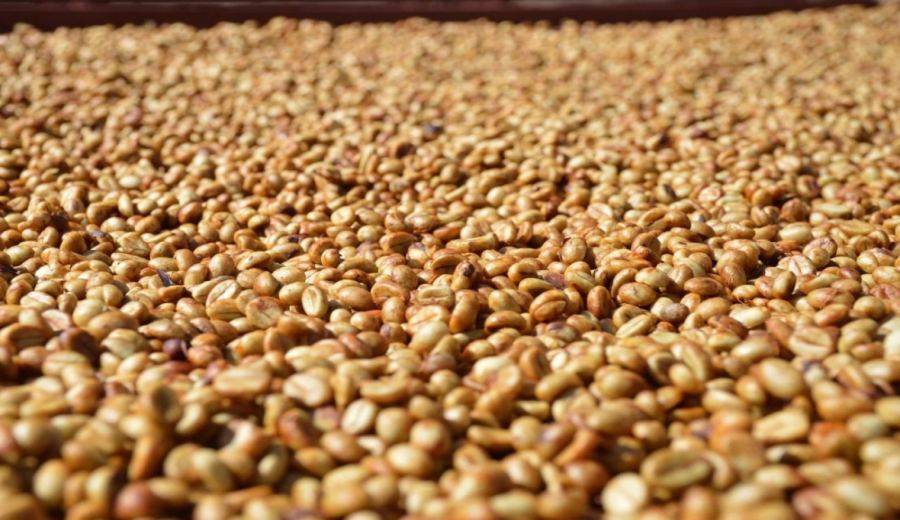
The inspiration for honey processing actually comes from Brazil’s natural pulped method (Pulped Natural), which involves removing the coffee pulp but retaining some or all of the mucilage layer before sun-drying. This process allows the coffee beans to absorb the aromas and sugars released during the mucilage fermentation during drying, ultimately resulting in richer flavors.
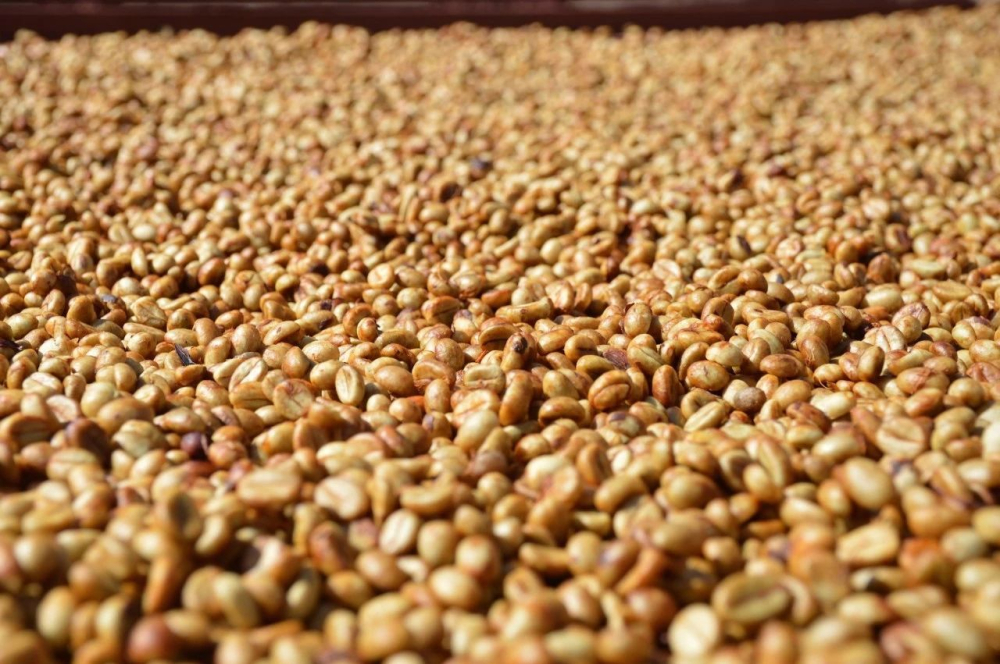
In Costa Rica, depending on how much mucilage is retained before sun-drying, honey processing is further divided into four main types: white honey, yellow honey, red honey, and black honey. Each method not only affects drying time but also significantly influences the final flavor profile. Understanding their differences can help you more accurately select beans with your preferred flavor characteristics.
White honey processing is the closest in style to washed coffee. During processing, only about 20% of the mucilage is retained, and the beans are usually spread in thin layers and frequently turned, resulting in a relatively short overall drying time of around 8 to 10 days. The coffee produced this way still leans toward a clean profile, with bright acidity and mild sweetness, making it suitable for drinkers who prefer a refreshing taste.
Yellow honey retains slightly more mucilage, about 30% or so, and the drying time is around 8 to 10 days, depending on weather conditions. This type of coffee typically exhibits a gentle, sweet aroma, soft acidity, and an overall balanced profile, with the beans often taking on a light yellow hue after drying. It’s an ideal choice for many beginners looking to experience the flavor of honey processing.
Red honey processing retains about 50% of the mucilage, and the drying time is extended to around 12 days. Shading is commonly used to avoid overexposure to the sun. This method allows the coffee beans to accumulate richer sweetness and fruitiness, with more complex flavor layers and a more refined balance between acidity and body. It’s well-suited for coffee lovers who enjoy fruity and caramel-toned profiles.
Black honey is the most intense and also the most challenging processing method. It retains over 70% of the mucilage and undergoes extremely slow drying at low temperatures, with minimal sunlight or even under shade, often taking over two weeks. This method is highly dependent on weather and management techniques, carrying high risk but also offering great reward—successful black honey coffee boasts extreme sweetness, intense caramel and chocolate notes, a full and smooth mouthfeel, and a long-lasting aftertaste, representing the pinnacle of honey-processed coffee.
It’s worth noting that black honey-processed coffee beans are usually covered with a thick layer of dark brown mucilage. The slow drying process requires strict control of temperature and humidity to prevent mold or over-fermentation, which also makes the cost relatively high. However, when processed properly, the resulting flavors are absolutely worth the wait.
For example, a black honey-processed coffee from Finca Las Lajas in Costa Rica, grown at altitudes between 1300 and 1500 meters, showcases the full potential of this processing method. The coffee trees at this farm grow under excellent microclimatic conditions, yielding mature, high-quality coffee cherries with consistent profiles.
This coffee is roasted to a City level, preserving bright acidity while highlighting the rich sweetness and full body brought by the honey process. After brewing, the dry fragrance features distinct grape and honey sweetness, accompanied by subtle floral notes. On the palate, the sweetness is abundant, with caramel and chocolate tones running throughout. The acidity is soft and never overpowering, and the finish lingers with a gentle, sweet aftertaste that remains even as the coffee cools.
In summary, Costa Rica’s honey-processed coffees not only showcase the innovation and dedication of local farmers in processing techniques, but also offer a diverse range of choices from bright and clean to rich and full-bodied, from fresh and clean to mellow and deep. Whether you’re new to specialty coffee or a enthusiast searching for specific flavor profiles, understanding the differences between white honey, yellow honey, red honey, and black honey can help you more precisely choose the coffee experience you desire.
The above content is compiled by CoffeeHunters, a coffee news website.


