







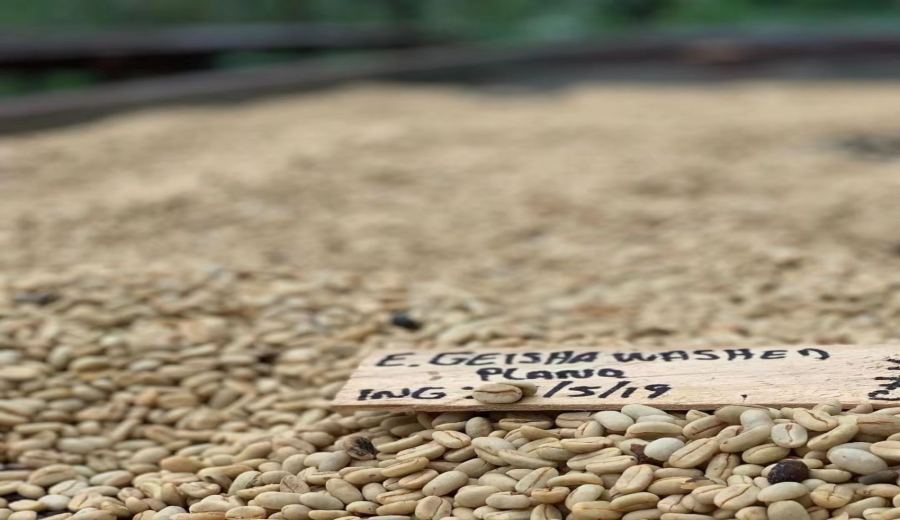
Introduction:This article delves into the micro-lot Geisha coffee from the Dota region of Tarrazú, Costa Rica, and traces the evolution of the Geisha variety from Ethiopia to Panama. It also analyzes the grading system and auction criteria of Panama’s Hacienda Esmeralda’s Red, Green, and Blue labels, as well as the varietal differences and plot numbering systems of Gori Gesha and Gesha1931 at Gesha Village. Finally, it selects three top-tier Geisha and Artisan (Geisha-related) coffees from different regions, providing detailed flavor profiles and regional backgrounds — a practical guide to understanding specialty coffee in depth.
Geisha and Artisan are actually two Chinese transliterations of the same coffee variety, both derived from the Japanese pronunciation. To understand this globally popular specialty coffee variety, one might start with the three main grades of Panama’s Hacienda Esmeralda — Red Label, Green Label, and Blue Label. Among them, the Red Label Geisha is not only the estate’s selected batch but also commonly appears in international auctions. Its processing methods include natural and washed, with most beans coming from highlands above 1,550 meters, and some premium plots even exceeding 1,900 meters. Cupping scores generally reach 90 points or higher.
Hacienda Esmeralda’s commitment to quality is evident from the harvesting stage. The farm pays additional compensation to pickers, requiring them to harvest only fully red, ripe coffee cherries, and to manually sort out unripe and defective beans before processing. This high-standard preliminary work, combined with continuous optimization of fruit texture and processing details, sets Hacienda Esmeralda’s products apart in the global market.
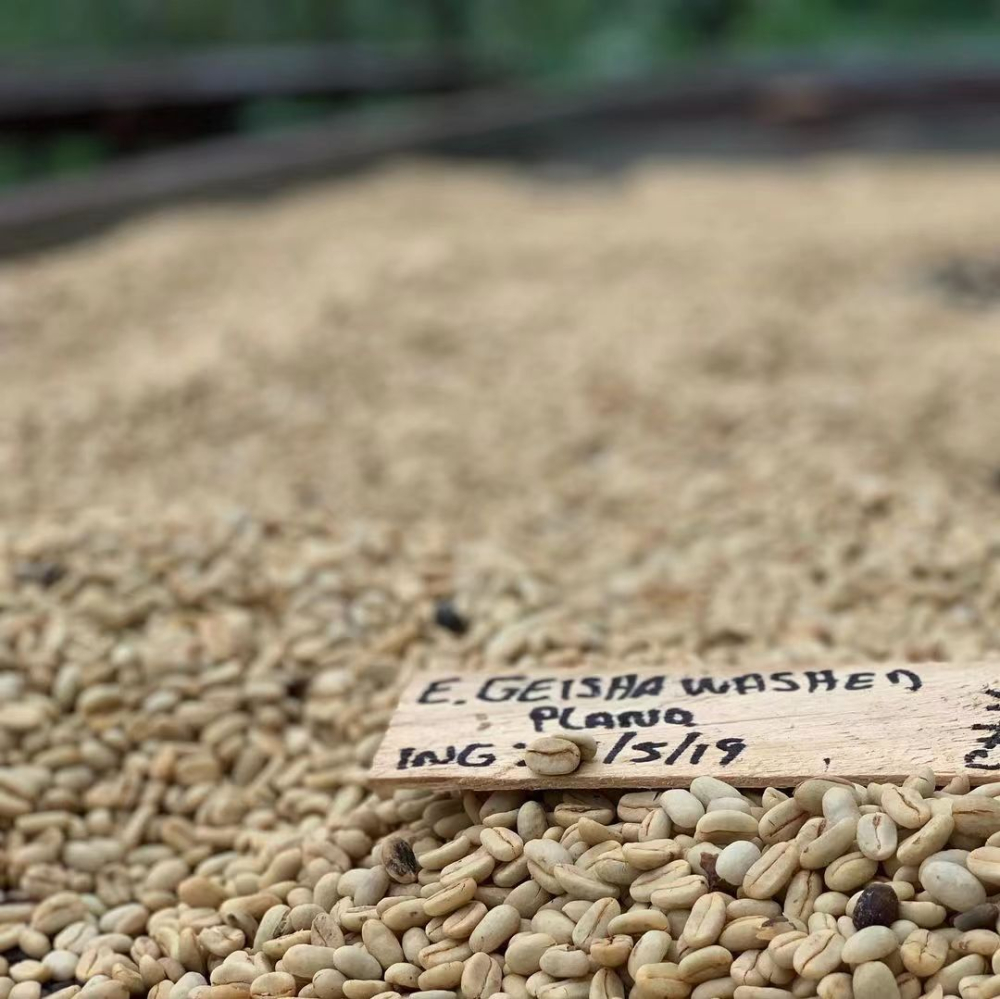
The auction-grade Geisha we introduce here belongs to the Special-Geisha selection, all grown at altitudes exceeding 1,600 meters, with some plots reaching over 1,900 meters. Its strict cupping thresholds and fully traceable information — including harvest dates, plot numbers, and tree age records — contribute to its highly regarded status in the auction market.
Speaking of the origins of Geisha, we need to go back to 1931. At that time, a group of botanists discovered this unusually tall tree with large seeds near the village of Gesha in southern Ethiopia. These seeds were subsequently taken to Kenya, Uganda, and Tanzania for trial planting. It wasn’t until 1953 that the CATIE research institute in Costa Rica obtained some seeds from Tanzania for research purposes. In 1963, Pachi Serracin, the owner of Panama’s Don Pachi Estate, first introduced Geisha to Panama, but initially, due to its low yield and unremarkable appearance, it was often used as a windbreak or sold mixed with other varieties.
The turning point came in the 2003 “Best of Panama” competition, where Hacienda Esmeralda won the top prize with its Geisha beans. Its intense and layered flavors amazed international judges. Since then, Geisha has gradually established itself as the pinnacle of specialty coffee, not only sparking a planting craze across Central and South America but also showcasing rich flavor variations through diverse processing methods such as natural and honey.
So, what makes Gesha Village different from typical Ethiopian coffee farms? The key lies in its independent operation model and high transparency. Founded in 2011 by Adam Overton and Rachel Samuel, Gesha Village is located in a tropical rainforest zone at elevations between 1,900 and 2,100 meters, with fertile soil and a pleasant climate — an ideal location they spent three years searching for. The estate spans 471 hectares, with 350 hectares already planted with coffee. The seeds come from the wild Gesha forest, Gori Gesha, just 20 kilometers from the estate, which is also the genetic source of Panama’s Geisha.
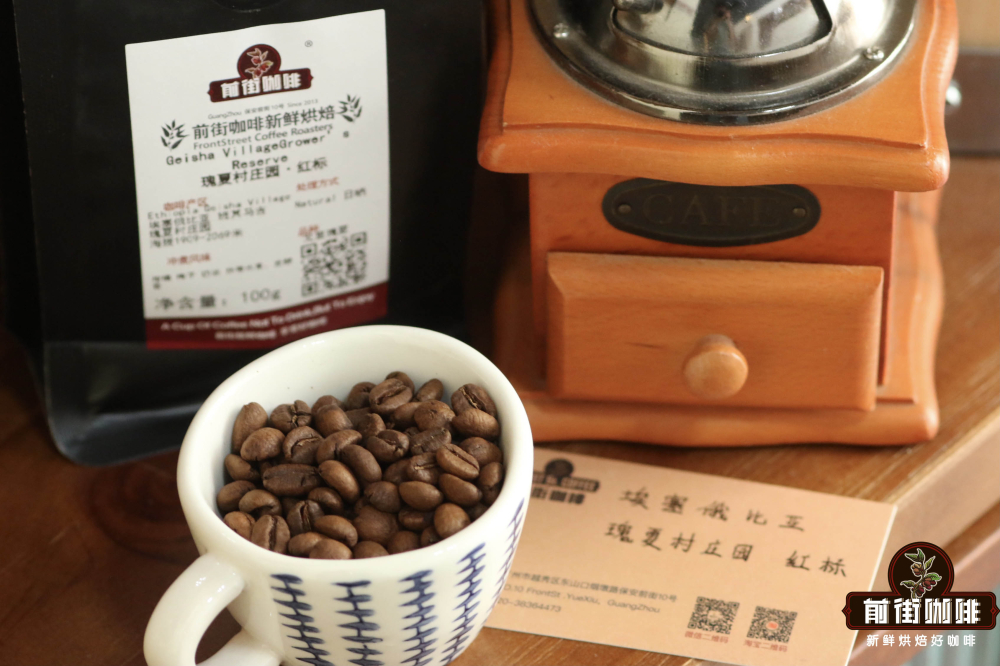
All batches from Gesha Village are traceable to specific plots, varieties, tree ages, and processing details — a level of transparency rarely seen in Ethiopian coffee. Its green beans are not distributed via the ECX or cooperatives but are directly exported by the estate, significantly improving the precision of quality control.
In terms of varieties, Gesha Village mainly grows three types: Gori Gesha, Gesha 1931, and Illubabor Forest. Gori Gesha is directly sourced from the wild Gori Gesha forest, boasting rich genetic diversity; Gesha 1931 is a carefully selected variety that most closely resembles the characteristics of Panama’s Geisha, named in commemoration of the year Geisha was first discovered. Illubabor Forest is a disease-resistant Ethiopian native variety.
Plot numbers such as OMA and SURMA are designated based on microclimates and variety traits. For example, the OMA area includes plots like Shewa-Jibabu, Shaya, and Bangi, primarily planted with Gori Gesha; while the SURMA and Oma plots mainly feature Gesha 1931. The numbers in the batch denote even more detailed plot units, such as OMA#51, #72, etc., reflecting varying maturity periods and harvest zones, which influence subtle differences in the final flavor.
Take the OMA#51 natural batch as an example. This Geisha lot, after multiple cuppings, exhibits exceptional complexity and sweet fruity notes. Processed using African raised bed natural drying over 18 to 30 days, the layered drying process imparts a rich creamy texture and tropical fruit characteristics.
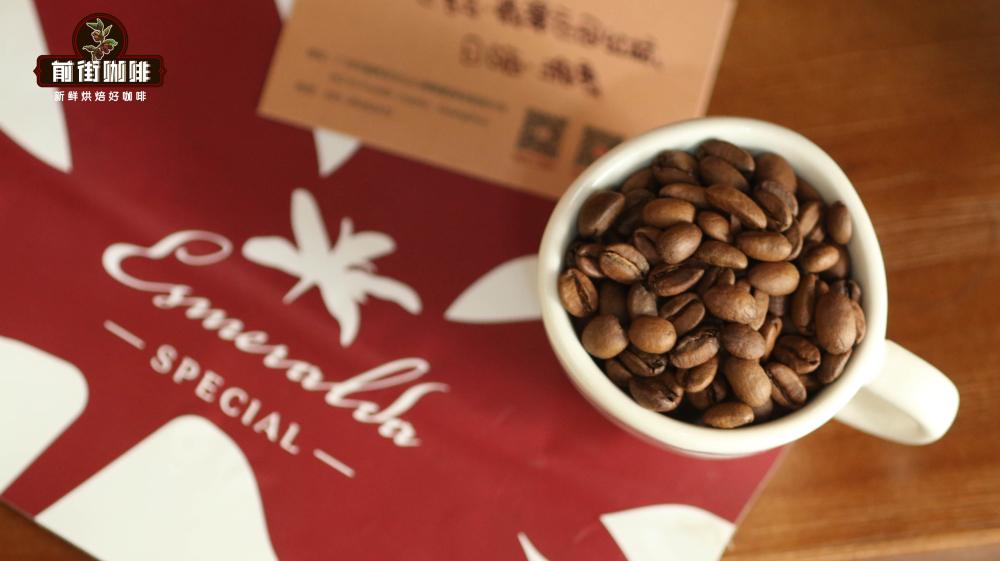
Next, let’s look at the actual performance of three popular Geisha and Artisan coffees on the market:
First is a natural lot from Gesha Village, Ethiopia, with the Gori Gesha variety, from the 2017 harvest. Its flavor profile is clear, featuring aromas of strawberry, peach, papaya, and other tropical fruits, along with delicate floral notes and a rich creamy mouthfeel. It suits brewing enthusiasts who enjoy strong fruity profiles.
The second is Hacienda Esmeralda’s Red Label auction-grade Artisan, processed using the washed method, from the Boquete region. With a medium-light roast, it presents a sweet combination of lychee, peach, and sweet potato, with bright acidity — a hallmark flavor of classic Panamanian Geisha.
Finally, we introduce the Artisan from Finca La女神 (Goddess Estate) in the Dota region of Tarrazú, Costa Rica. The Dota area has been renowned for high-quality coffee since 1865. Its highland terrain and volcanic soil, combined with the use of constant temperature processing, allow this 1,800-meter-altitude Geisha to showcase a unique citrus character. The dry fragrance carries notes of tea, orange, and berries, while the wet aroma releases a fresh scent of chocolate and apple acidity. Upon tasting, lemon and citrus notes linger, with balanced sweetness and acidity, a clean and smooth mouthfeel, and a sweet fruit candy-like aftertaste — making it one of the representative micro-lot Artisan coffees.
The above content is compiled by CoffeeHunters, a coffee news website.


