







Introduction:Kenyan coffee is renowned for its bright acidity and rich fruity profile. Where do these unique flavors come from? This article delves into the geography of Kenya’s coffee-growing regions, the background of classic SL28 and SL34 varieties, and provides a detailed explanation of the K72 double-washed processing method. It also offers practical V60 pour-over parameters and roasting recommendations to help you fully grasp the essence of Kenyan coffee—from bean to cup.
Kenyan coffee has always been celebrated for its vibrant acidity, complex fruit aromas, and clear layering, especially holding a notable place in the specialty coffee market. These unforgettable flavors actually stem from Kenya’s unique geographical environment, rigorous grading system, and the most representative K72 double-washed processing method. If you’ve ever tasted a cup of Kenyan coffee with distinct citrus and berry notes, it’s very likely the masterpiece of the SL28 and SL34 varieties.
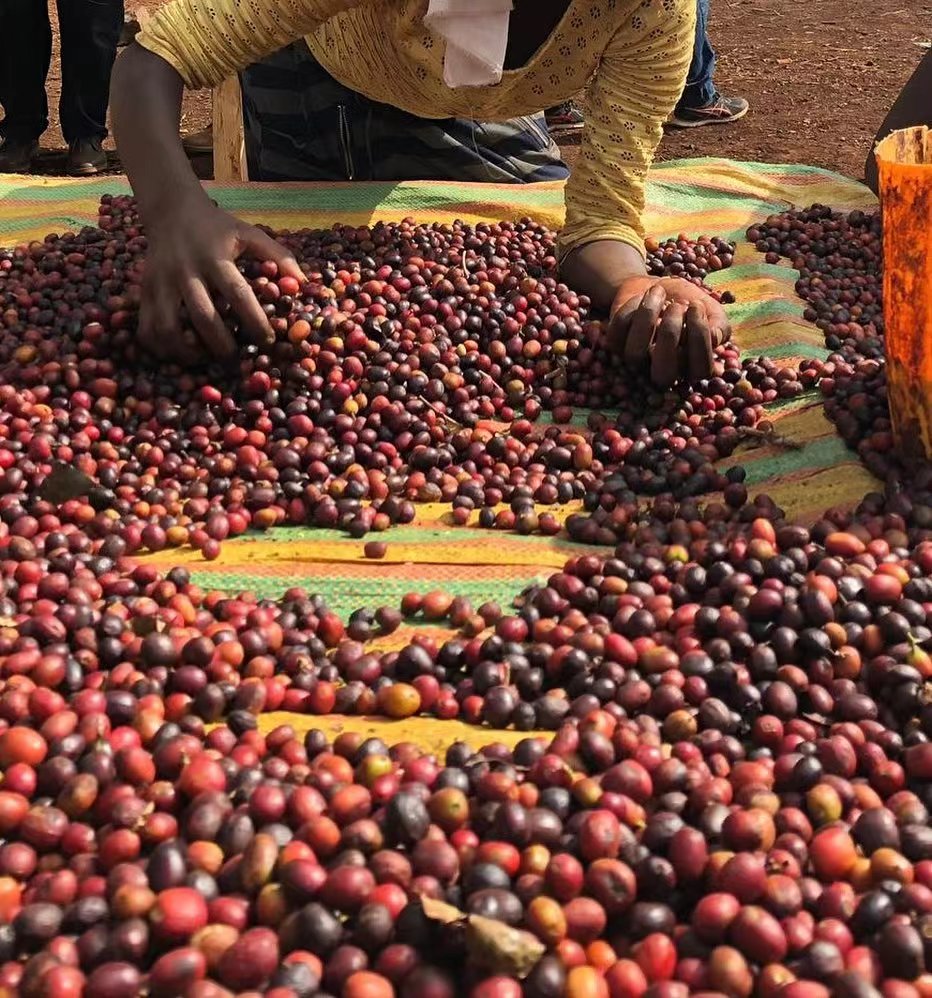
Kenya’s coffee-growing regions are mainly located in the highland areas within the country, particularly in places like Nyeri, Kirinyaga, and Muranga. These regions generally sit at altitudes between 1,400 and 2,000 meters. The high elevation not only slows down the ripening process of coffee cherries but also facilitates the accumulation of flavor compounds. The soil is mostly mineral-rich volcanic clay, providing ideal growing conditions for coffee trees. The coffee here is mostly grown by smallholders and then processed centrally by nearby wet mills, forming a closely-knit industry chain among small farmers, cooperatives, and processing facilities.
When it comes to Kenyan coffee varieties, SL28 and SL34 are definitely worth mentioning. These two classic varieties were both developed by the local Scott Laboratories (abbreviated as SL Lab) in the 1930s. SL28 boasts excellent sweetness-acidity balance and complex citrus and dark plum flavors. Although its yield is not high, it is widely loved for its delicate taste and high quality. SL34, on the other hand, has a fuller body and deeper acidity, along with stronger adaptability—especially performing well under sudden rainfall. In addition, varieties such as Ruiru 11 and Batian have disease-resistant properties, but they are somewhat less remarkable in terms of flavor complexity.
Speaking of the processing methods for Kenyan coffee, the K72 double-washed process is its most iconic feature. This method builds upon traditional washed processing by adding an extra fermentation and washing step, hence the name “72 hours.” Starting with freshly harvested coffee cherries, the process first involves water density sorting to retain only those cherries with high density and good maturity. Then the pulp is removed, followed by the first mucilage fermentation, which typically lasts 24 hours. This stage releases natural sugars, laying the foundation for the coffee’s sweetness and acidity. Next, the beans are washed again and undergo a second fermentation round lasting 12 to 24 hours to enhance the complexity and layering of the acidity. Finally, after thorough washing and drying in the sun for 5 to 10 days, the entire process is completed. This intricate and time-consuming technique is the key reason why Kenyan coffee achieves such high brightness and clean taste.
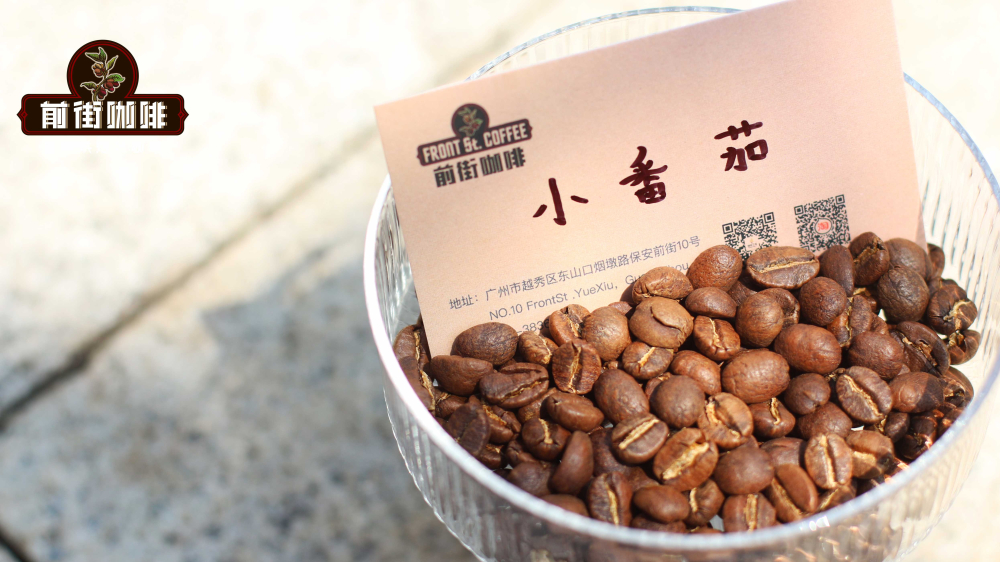
Taking the Kenya AB grade Komotina Raspberry as an example, this coffee is roasted using a light-to-medium roast strategy, aiming to reduce overly intense acidity and enhance overall sweetness and mouthfeel balance. During the roasting process, adjustments to heat should be made according to the bean density and altitude characteristics. For instance, the drop temperature is set at 200°C, and the heat is moderately reduced around the yellowing point, end of dehydration, and just before first crack to avoid scorching the bean surface. After first crack begins, the development time is extended by about 2 minutes, with the beans dropped at 193°C, which helps develop the flavors and caramelization reactions.
The grading of Kenyan coffee is primarily based on bean size and shape. Common grades include AA, AB, C, E, and PB, where AA is the highest grade with bean sizes of 17 to 18 mesh, usually offering richer flavor potential. AB beans are 15 to 16 mesh in size—slightly smaller but still of good quality. In addition to size, Kenya also uses “+” or “estate beans” to denote higher-quality batches. While the official system uses numerical grading, the market still primarily judges based on bean size and appearance.
Given the typically brighter acidity of Kenyan coffee, it is recommended to use moderate water temperature and grind size when brewing pour-over to highlight its fruity characteristics and balance acidity and sweetness. The V60 dripper is recommended, with a water temperature of around 91°C and a coffee-to-water ratio of 1:15. The grind size is 80% passing through a Chinese 20-mesh sieve, i.e., medium-fine grind. Specifically, start with a 30-second bloom using 30 grams of water, then pour in a circular motion with a slow stream until reaching 125 grams for the first pour. After the water level drops, continue pouring up to 225 grams to finish. The total extraction time is about 2 minutes. This parameter can fully showcase the citrus, berry, and grapefruit notes of Kenyan coffee, while maintaining a refreshing and well-layered mouthfeel.
The above content is compiled by CoffeeHunters, a coffee news website.


