








Introduction:The honey and raisin honey processing methods in Costa Rica contribute to the diverse flavor profiles of its coffee. This article delves into the processing differences among the Musician Series (Beethoven, Bach, Mozart) from Finca Cantaros in the Tarrazú region, analyzing variations in mucilage retention rates, drying processes, roasting, and cupping parameters. Discover the key distinctions and flavor characteristics of these two techniques, along with practical brewing recommendations to help you find your preferred coffee flavor.
Costa Rica is renowned for its mild flavors and balanced acidity, sweetness, and bitterness, and its unique honey processing method adds an extra layer of sweetness. Located in the Tarrazú region, Finca Cantaros has launched a Musician Series of coffee beans, including Beethoven, Bach, and Mozart, each using either honey or raisin honey processing to showcase distinct flavor profiles. This article provides a comprehensive analysis of the essence of these two honey processing techniques, covering regional background, processing evolution, roasting curves, as well as actual cupping and brewing performance.
Coffee cultivation in Costa Rica dates back to the 1820s, initially exporting to Colombia and Chile. Starting in 1825, the government encouraged planting through tax exemptions, and in 1831 introduced incentives such as land ownership after five years of cultivation. Official exports began in 1832, and after British capital entered in 1843, Costa Rican coffee earned the reputation of "Golden Beans." The coffee industry not only boosted the economy but also drove the development of infrastructure such as railways and hospitals. The Anglo Costa Rican Bank, established in 1863, further injected capital into the sector.

The government has also spared no effort in protecting coffee farmers. In 1933, the "Coffee Defense Agency" was established, later renamed Oficina del Café, and is now known as ICAFE (Costa Rican Coffee Institute), which promotes specialty coffee and manages 1.5% of export earnings as an industry development fund. The institute operates experimental farms dedicated to improving coffee quality and international competitiveness.
Early Costa Rican coffee processing was dominated by the washed method, but since the 21st century, the rise of micro-mills has significantly increased the proportion of farmer-managed processing, giving rise to the innovative honey processing technique. This method is an adaptation of Brazil’s pulped natural process, with the key beingretaining the mucilage layer on the coffee bean. After depulping, the sticky mucilage-covered beans are sun-dried on raised beds for 1–2 weeks, requiring hourly turning to ensure even drying. This allows the beans to fully absorb the sugars from the mucilage, resulting in a richer sweetness and fuller aroma. However, this method carries higher risks, as improper humidity control can lead to mold.

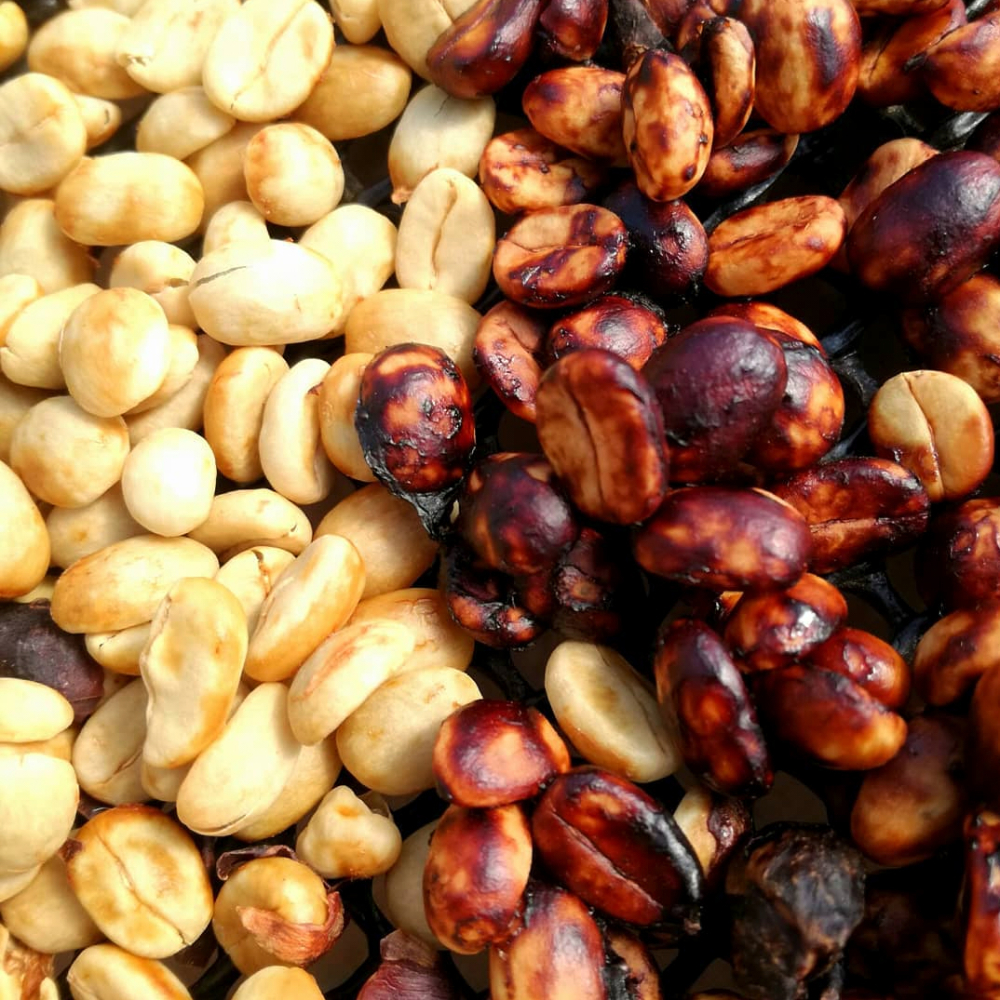
Raisin honey processing is an advanced version of honey processing,retaining 100% of the mucilage and avoiding water entirely throughout the process, significantly increasing processing difficulty. On the day of harvest, beans are first floated in water tanks to remove unripe or overripe beans. The selected coffee cherries are then dried on raised beds for at least three days before depulping to retain the intact mucilage, followed by prolonged sun drying. During this process, climate conditions and turning frequency are crucial—slow drying is required to avoid over-fermentation while ensuring full sugar conversion. Successfully produced raisin honey processed coffee often exhibits acidity akin to white wine and intense fermented aromas.
Costa Rica has seven major coffee-growing regions, among which Tarrazú, Central Valley, and Tres Ríos are the most renowned. Tarrazú, at elevations of 1,200–1,700 meters, is known for its high-density beans (SHB), with year-round abundant rainfall and fertile volcanic soil producing full-bodied beans with intense aromas. No pesticides or chemical fertilizers are used, making it one of the world’s top coffee regions. Central Valley, at 1,200–1,600 meters, features volcanic soils that impart chocolate and fruity acidity flavors, with a stable climate ideal for coffee growth. Tres Ríos has seen reduced production due to urban expansion, but still boasts notable estates like Aquiares, producing coffee with soft acidity and sweet, captivating flavors.

Operated by three brothers for over a decade, Finca Cantaros has its own processing facility. Its Musician Series, named after Beethoven, Bach, and Mozart, uses different processing methods to highlight unique flavor characteristics. Beethoven is washed processed, with the Yellow Caturra variety showcasing red berry and honey floral notes; Bach and Mozart are raisin honey processed, using Caturra and Catuaí varieties respectively, presenting rich fruitiness and fermentation layers.
Catuaí is a Bourbon mutation, with a shorter tree structure but high yield, suited to Central and South American climates, with Costa Rica as one of its main producing regions. Catuaí is a hybrid of Caturra and Mundo Novo, known for strong resilience and excellent acidity, available in both red and yellow fruit types.
A certain coffee brand’s Musician Series includes Beethoven (washed, SHB, Yellow Caturra), Bach (raisin honey processed, SHB, Catuaí), and Mozart (raisin honey processed, SHB, Catuaí and Caturra). Each offers a unique flavor profile, ranging from berry tartness and sweetness to wine-like and candied notes, catering to the tastes of various coffee enthusiasts.
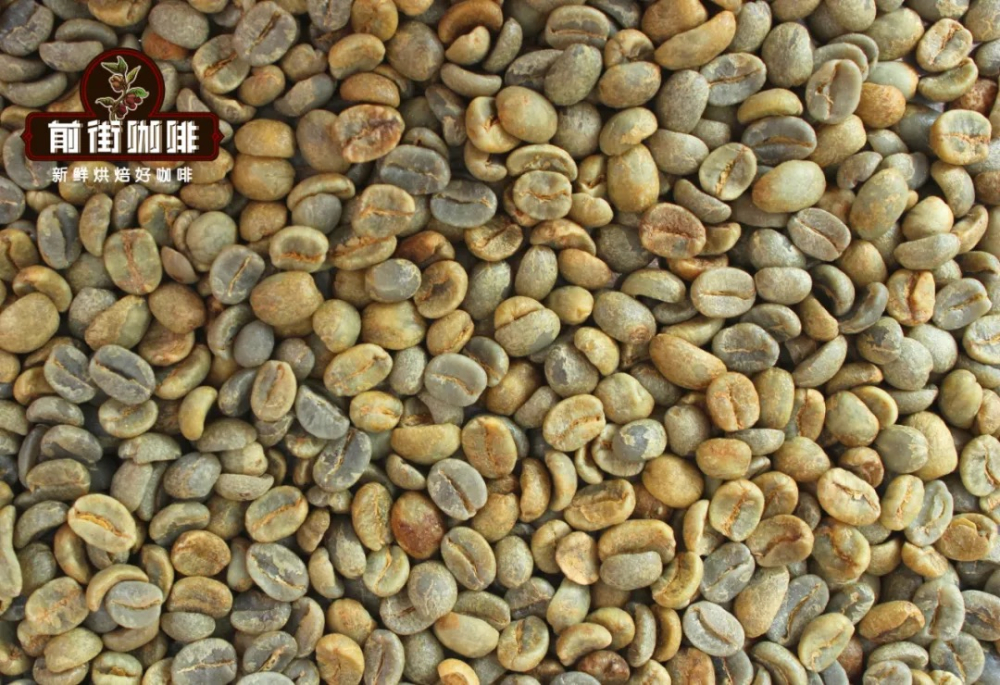
For roasting, Beethoven is roasted using a Yangjia 800N semi-direct flame machine, with an inlet temperature of 170°C, development through first crack up to 193°C, emphasizing a balance of floral, fruity, and berry aromas. Bach uses an inlet temperature of 180°C, developing after first crack up to 196°C, highlighting intense fruitiness with a slight wine note. Mozart is roasted at a high inlet temperature of 200°C, developing after first crack up to 193.2°C, enhancing floral and sweet flavor profiles. Each roast curve is carefully calibrated to highlight the characteristics of its respective processing method.
Cupping results show that Beethoven has dry aromas of ripe papaya and floral-fruity notes, with flavors of flowers, citrus, and berries on the palate, clean and smooth. Bach features dominant berry fermentation aromas, with wine-like and ripe fruit flavors on the palate, and pronounced candied sweetness upon cooling. Mozart presents orange blossom and raisin aromas, with rich sweetness on the palate, and distinct layers of acidity and caramelized aftertaste.
For brewing, we recommend using a V60 #01 filter, 15g of coffee, a 1:15 coffee-to-water ratio, BG6M grind size (80% passing through a #20 sieve), and water temperature of 90–91°C. Use a three-stage extraction: 30g bloom for 30 seconds, then slow pouring to 125g, followed by pouring to 225g, with total extraction time around 1’55"–2’05". These parameters highlight the nuanced flavors of each coffee—from the green grape tartness and sweetness of Beethoven, to the wine and creaminess of Bach, to the complex berry and caramel finish of Mozart—all beautifully presented.
The above content is compiled by CoffeeHunters, a coffee news website.


