







Introduction:As the birthplace of coffee, Ethiopia’s Yirgacheffe region is one of the most iconic representations of specialty coffee. However, the years-long trademark dispute with Starbucks revealed how crucial regional names are to the income of coffee farmers. This article delves into the origins and resolution of this controversy, and provides a detailed introduction to five representative cooperatives in Yirgacheffe — including Gedeb Geditu, Konga, Werka, Hofsha, and Idido — covering their growing environments, processing method characteristics, and typical flavor profiles, offering practical guidance for selecting high-quality coffee beans.
Ethiopia is not only the birthplace of coffee but also Africa’s largest coffee producer. The region’s unique altitude and climate foster the growth of many distinctive coffees, with Yirgacheffe being the most renowned. As early as 2006, the Ethiopian government attempted to register trademarks for several key regions — Sidamo, Harrar, and Yirgacheffe — aiming to gain market control and increase farmers’ incomes. Unexpectedly, this move triggered a prolonged trademark dispute with international brands such as Starbucks, which was not resolved until an agreement was reached in 2007.
At the heart of the dispute was whether regional names could be protected as trademarks. While Starbucks praised Ethiopia as the cradle of coffee, it was reluctant to allow the local government to register regional names as trademarks, advocating instead for regional certification. Ultimately, the two parties signed an agreement in May 2007, with Starbucks agreeing to respect the uniqueness of Ethiopian coffee in its products, bringing the trademark battle to a close.
The data behind the dispute is also noteworthy: it is understood that Ethiopian coffee farmers were selling their beans to Starbucks for just $0.75 per pound, while Starbucks’ retail price could reach up to $13 per pound, a price gap exceeding 34 times. This highlights the significant impact of regional name trademark rights on farmers’ incomes. The agreement not only safeguarded the market positioning of Ethiopian coffee but also helped improve the economic conditions of thousands of coffee farmers and their families, further enhancing local education and healthcare resources.
Yirgacheffe, located in southwestern Ethiopia, was originally just a small town within the Gedeb district, but has now become a holy grail for global specialty coffee enthusiasts. This area is a natural wetland, with an average annual temperature of about 15 to 25°C, and the significant diurnal temperature variation brought by high altitude creates an ideal environment for growing Arabica coffee.Coffee from the Yirgacheffe region is famed for its bright acidity, rich floral notes, and citrus characteristics.It is considered one of the global benchmarks for both washed and natural processing methods.
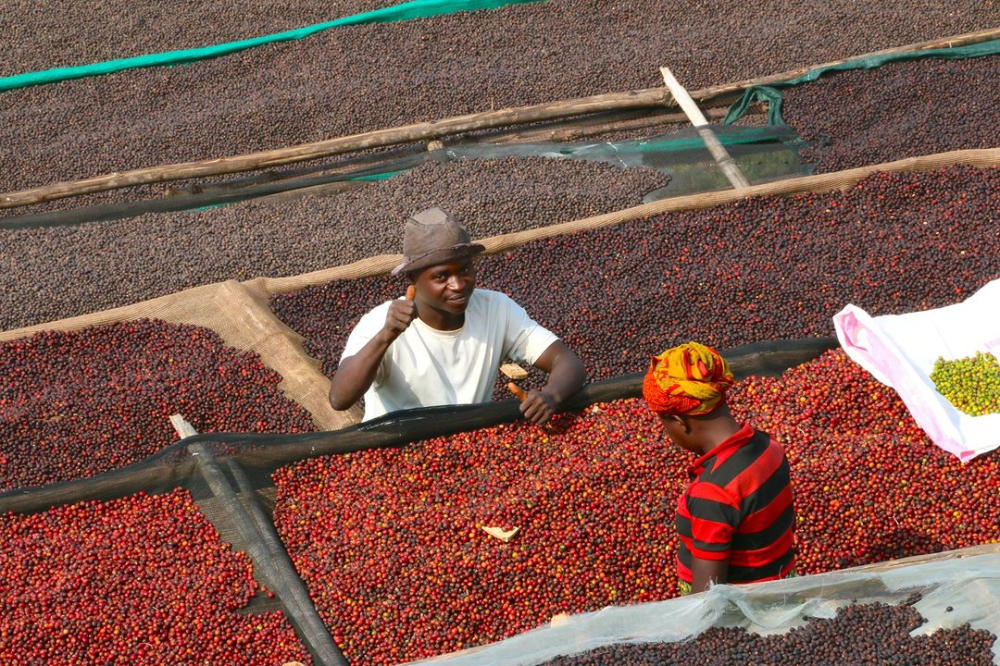
In Yirgacheffe, farmer cooperatives play an extremely important role. They not only maintain high quality in production and processing, but also enhance bargaining power through collective efforts. Among them, the five cooperatives — Gedeb Geditu, Konga, Werka, Hofsha, and Idido — are widely favored in the international specialty coffee market for their consistent and distinctive flavor profiles.
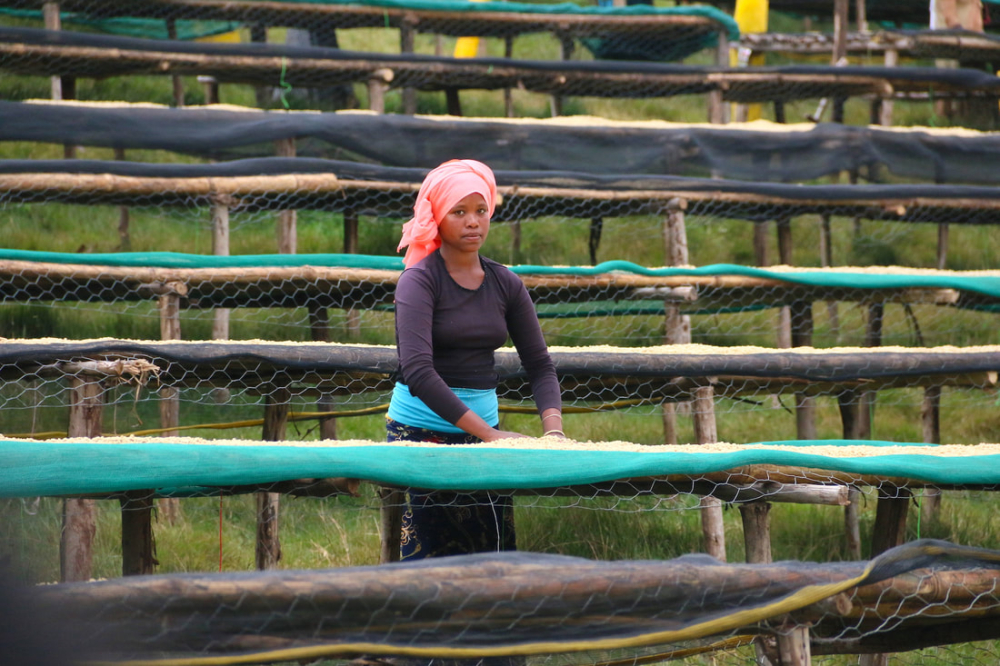
Gedeb Geditu Cooperative (Gotiti)Located in the Gedeb-Werka area in the southeastern part of Yirgacheffe, it was originally part of the Werka Cooperative but became independent in 2012. Comprising about 300 farmers, it emphasizes coffee traceability and traditional processing methods, primarily using washed and natural processes. Its washed beans often exhibit pronounced citrus and orange aromas, paired with white floral notes, honey-like sweetness, and a green tea-like aftertaste, making it a top choice for those who enjoy bright, acidic coffees.
Konga Cooperative (Konga)Situated in the Gedeo region, where the soil is rich in iron and the soil layer exceeds 1.5 meters in depth, which is beneficial for the root development and nutrient absorption of coffee trees. Iron is also a key element in chlorophyll synthesis, enabling coffee trees to perform photosynthesis more effectively and thereby improving fruit quality. The Konga Cooperative excels in fully red fruit natural processing, and its coffee showcases intense citrus acidity, berry juice flavors, honey sweetness, and a creamy smooth mouthfeel.
Werka Cooperative (Werka)Affiliated with the YCFCU alliance, established in 2005, it is located in a remote area, approximately 75 kilometers from the town of Dilla, including 20 kilometers of unpaved dirt roads, making transportation difficult. Composed of 305 farmers, with a farming area of about 763 hectares and an annual output of nearly 460 tons. The cooperative adheres to not using chemical fertilizers or pesticides and has obtained EU Skal organic certification. Its washed and natural processing methods highlight distinct regional characteristics, and its recently released anaerobic natural beans feature lemon and pomelo acidity, ginger flower aromas, honey sweetness, and a tea-like profile reminiscent of Tieguanyin.
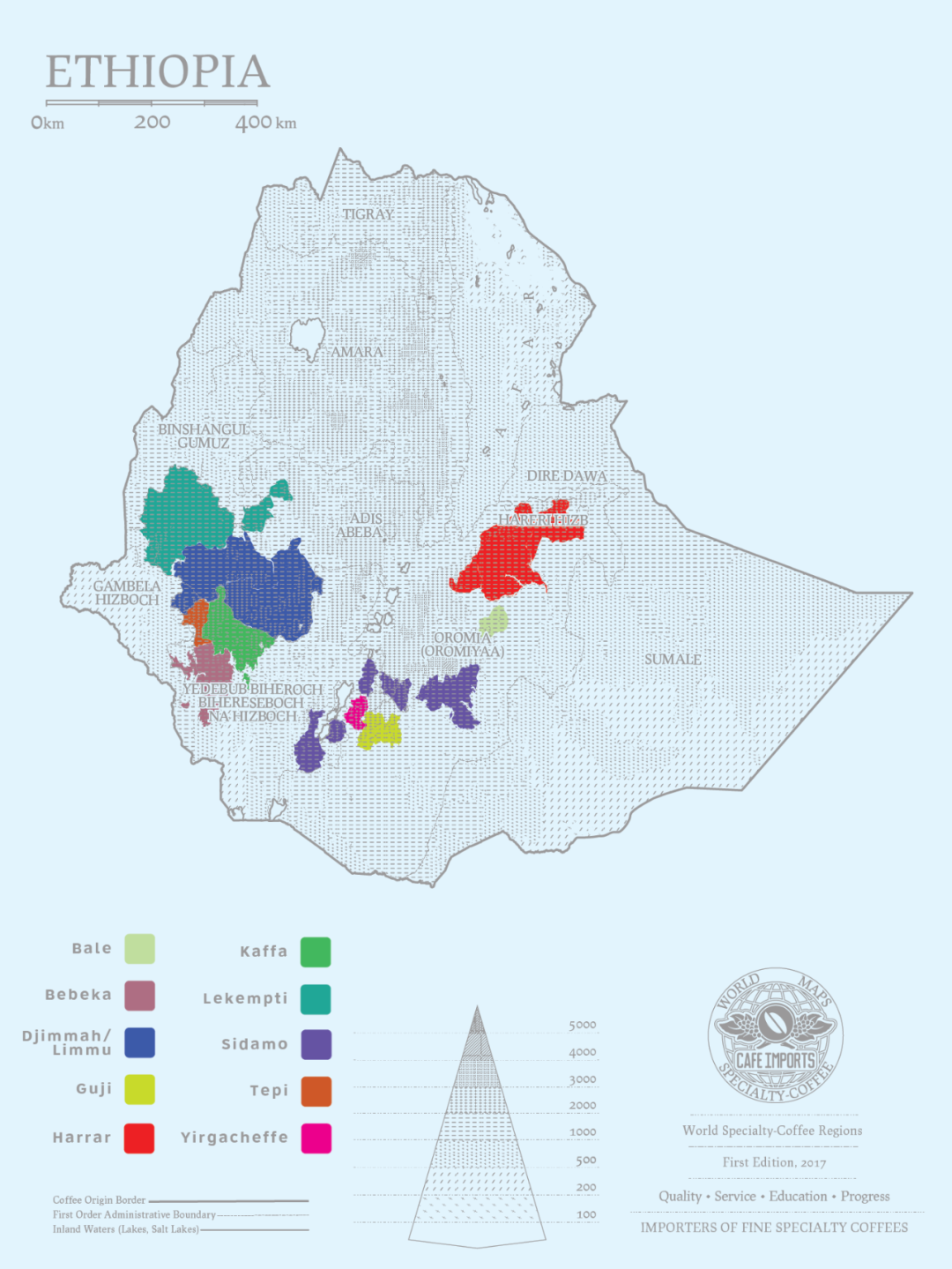
In addition to the three cooperatives mentioned above,Hofsha (Hofsha)andIdido (Idido)are also important production units in Yirgacheffe. The Hofsha Cooperative is known for its delicate fruit acidity and floral notes, commonly processed via washed and honey methods; Idido, on the other hand, is favored by many roasters for its balanced flavor and diverse processing styles, with its natural beans particularly showcasing intense tropical fruit and blueberry profiles.
In summary, Yirgacheffe is not only the face of Ethiopia’s specialty coffee, but the cooperative system behind it also demonstrates how local farmers, through collective collaboration, strive for better value in the international market. Whether you are a pour over enthusiast or a beginner in the world of coffee, understanding the characteristics of these regions and cooperatives can help you more accurately select coffee beans that suit your taste and experience the true flavor charm from the homeland of coffee.
The above content is compiled by CoffeeHunters, a coffee news website.


