







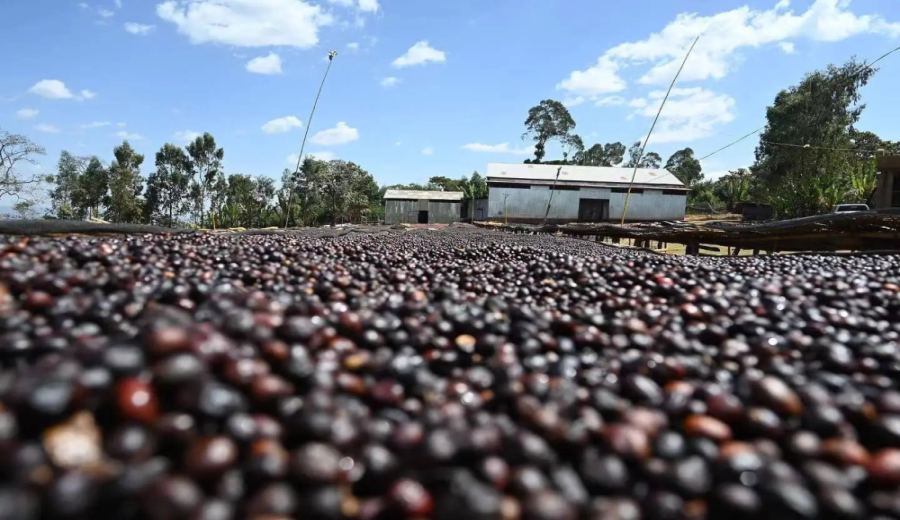
Introduction:Yirgacheffe is Ethiopia’s most iconic specialty coffee region, renowned for its distinctive floral aromas and bright acidity. This article delves into the regional background, variety classifications, grading system, and processing method differences of Yirgacheffe. It also provides a focused comparison between two representative beans processed via washed and natural methods, illustrating how different processing techniques influence flavor profiles. Additionally, it includes practical roasting and pour over parameters—making it an essential beginner’s guide for anyone who loves Yirgacheffe or wants to gain a deeper understanding of Ethiopian coffee.
Located in southern Ethiopia, Yirgacheffe was originally part of the Sidamo region but was later designated as a distinct growing area due to its unique flavor characteristics. The region generally sits at elevations around 2,000 meters, classifying it as a high-altitude cultivation zone. Coupled with diverse microclimates, this environment gives Yirgacheffe coffees their pronounced citrus, floral, and tea-like qualities. The region is further subdivided into well-known micro-regions such as Kochere, Guji, and Gedeb, each home to different cooperatives and unique processing styles.
Coffee farming in Yirgacheffe is predominantly carried out by smallholder families, with the primary variety being local landrace (Heirloom). These varieties have long adapted to the local environment. Although most remain uncategorized, they boast rich genetic diversity. In the 2023 COE competition, the Kurme variety from Yirgacheffe was listed separately for the first time, showcasing the region’s potential in varietal development. This variety offers high sweetness and intense floral notes, making it ideal for consumers who enjoy fruity flavor profiles.
The Ethiopian Commodity Exchange (ECX) oversees the national coffee grading system. Based on defect rates and cupping performance, coffees are classified into grades G1 to G3, as well as commercial and local grades. Among these, G1 is the highest grade, with no more than 3 defects per 300 grams of green beans, typically exhibiting good cleanliness and complex flavors. Processing methods are divided into two main categories: washed and natural. The former emphasizes clean, bright acidity and clear layers, while the latter highlights rich fruitiness and bold sweetness.
The washed process involves removing the coffee cherry’s skin and pulp, then fermenting to remove the mucilage, followed by washing and drying. This method significantly reduces defect rates, and the resulting coffee usually features bright acidity, a tea-like body, and citrus notes. Typically, washed beans appear greenish in color, and after roasting, the silver skin remains clearly visible. It suits drinkers who prefer a clean and refreshing taste. A certain brand’s washed Guji Ding Ding is a representative example of this style, with flavors centered around citrus, black tea, cream, and caramel, demonstrating high cleanliness and delicate balance.
In contrast, the natural process retains the coffee cherry’s flesh and mucilage, allowing the beans to fully integrate with the fruit flavors during drying. This creates intense berry, winey, and sweet notes. This method generally results in a fuller body and more complex layers, appealing to those who enjoy fruity and bold flavors. A certain brand’s natural Red Cherry is processed this way, sourced from the 2,300-meter-altitude Aritele processing factory. Its flavor profile prominently features berries, lemon, strawberry, and fermented wine notes, with high sweetness and a long-lasting finish.
Micro-regions within Yirgacheffe, such as Kochere, are famed for their washed processing, yielding coffees with citrus, berry, and light tea-like characteristics that have earned high international scores. The Kochere area benefits from advanced processing equipment and well-established management systems, giving its washed beans strong market recognition. Another notable mention is the Konga Cooperative, composed of over a thousand smallholder farmers, primarily using the washed method. The beans produced here exhibit bright flavors like berries, cream, and citrus, making them an excellent entry point into Yirgacheffe.
Beyond processing methods, altitude and variety also significantly impact flavor. Coffee grown at higher altitudes typically has brighter acidity and better sugar accumulation, while native varieties like Kurme, which are well-suited to the local climate, can express unique terroir characteristics. When selecting beans, consumers can pay attention to information such as region, altitude, and processing method to choose the beans that best match their taste preferences.
In terms of roasting, washed beans suit medium-light roasts to preserve their bright acidity and tea-like qualities, whereas natural beans can be roasted slightly darker to bring out more sweetness and body. For instance, a certain brand’s natural Red Cherry is roasted at a medium-light to medium level to achieve a balance between berries and wine notes, while the washed Guji Ding Ding is mainly light roasted to highlight the fresh citrus and black tea profile. For pour over, it is recommended to use a V60 filter, with water temperature controlled at 90°C, a water-to-coffee ratio of 1:15, and grind size approximately 80% through a Chinese No. 20 sieve—adjustments can be made according to personal taste.
In summary, Yirgacheffe is not only a flagship of Ethiopia’s specialty coffee but also, with its diverse processing methods, varieties, and micro-region characteristics, serves as one of the best starting points for exploring African coffee flavors. Whether you prefer the clean brightness of washed beans or the rich sweetness of natural beans, Yirgacheffe offers a wide range of high-quality options.
The above content is compiled by CoffeeHunters, a coffee news website.


