








Introduction:Civet coffee (Kopi Luwak) is one of the most expensive coffees in the world, with legends claiming its price can exceed six hundred US dollars per pound. What makes these coffee beans, which have passed through the digestive system of a civet cat, so special? From its accidental discovery during the Dutch colonial period to today’s industry controversies, this article delves into its historical background, bean sources, animal behavior, as well as how to authenticate and enjoy it—giving you a comprehensive understanding of this highly debated Indonesian specialty coffee.
Civet coffee, also known as Kopi Luwak, is a rare coffee from Indonesia, famous for its unique production process. This coffee typically retails at over six hundred US dollars per pound, making it one of the most expensive coffee products on the market. Its name comes from the unique process where coffee beans are eaten by civet cats (a type of small wild mammal), processed through their digestive system, and then excreted.
The history of this coffee dates back to the Dutch colonial period in Indonesia. At that time, the Dutch forced local farmers to grow coffee but prohibited them from enjoying the final product. Some farmers discovered that after civet cats ate coffee cherries, the beans excreted and then cleaned and roasted surprisingly possessed an unexpectedly rich and mellow flavor—thus beginning the story of civet coffee. However, as demand increased, this natural phenomenon gradually evolved into a controversial commercial practice.
The main controversy surrounding civet coffee on the market today lies in whether it comes from wild or farm-raised civet cats. Wild civet cats typically select ripe and high-quality coffee cherries themselves, so the beans they excrete often have better flavors. However, many businesses, aiming to increase yield, cage civet cats and feed them large quantities of coffee beans, leading to a decline in bean quality and even raising concerns about animal welfare.
Experts point out that the civet cat’s digestive system does indeed perform a certain degree of “fermentation” on the coffee beans, helping to soften the mouthfeel, but it may also weaken acidity and complexity. Moreover, due to the lack of an effective certification mechanism, it is difficult for consumers to confirm whether the civet coffee they purchase truly comes from wild civet cats. A 2013 BBC investigation revealed that some products labeled as “wild” actually came from abused caged animals.
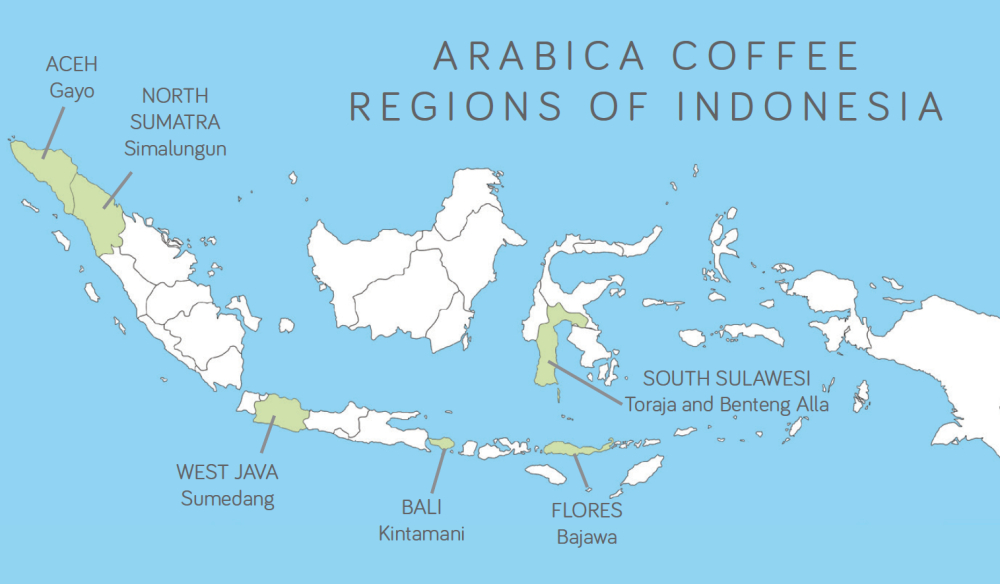
Among various origins, civet coffee produced in Sumatra, Indonesia is considered the highest grade, followed by the Philippines, while Vietnamese products are relatively more affordable. However, the market also offers many “pseudo-wild” products made from farm-raised civet cats, with inconsistent flavors and qualities. Wild civet cats only select ripe and delicious coffee berries to eat, so the beans they excrete are usually of superior quality, which is a key reason why wild civet coffee has such a unique flavor.
Civet cats mainly inhabit tropical and subtropical forests at altitudes below 2100 meters—environments that are also ideal for coffee tree growth. Civet cats are omnivorous animals; although they do consume plants, their primary diet consists of small animals and insects, with coffee berries being more like a “snack.” Due to their limited ability to digest plants, undigested coffee beans are eventually excreted in feces, becoming the raw material for making civet coffee.
The production principle of this coffee relies on enzymes and microorganisms in the civet cat’s digestive tract to naturally ferment the coffee beans. After the beans are excreted with feces, they are cleaned and dried to become the delicacy found on the market. In addition to civet cats, other animals such as elephants and monkeys have also been observed exhibiting similar behaviors, though on a much smaller scale.
Interestingly, while this “internal fermentation” process is believed to bring unique flavors, its actual impact remains debated. Some argue that enzymes in the civet cat’s digestive tract can alter the protein structure of the coffee beans, thereby influencing the flavor. However, other experts note that because the beans remain in the digestive tract for too short a time, the actual chemical changes are minimal, and any flavor alteration may be negligible.
Some coffee professionals point out that what truly deserves attention is not the coffee itself, but the ethical issues behind it. Confining civet cats in cramped spaces and forcing them to consume unsuitable diets not only affects their health but also goes against natural principles. In contrast, the early practice of locals collecting civet cat droppings from the wild to make coffee aligns more closely with natural and sustainable ideals.
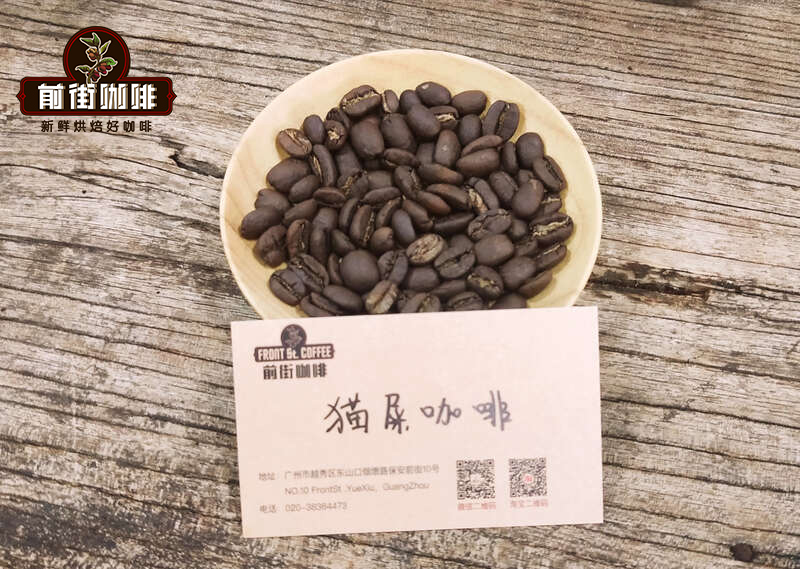
For coffee enthusiasts who enjoy trying unique flavors, Indonesia’s Golden Mandheling is another recommended option. This Arabica coffee from Sumatra is known for its low acidity, rich caramel and nutty aromas, and undergoes strict manual sorting to ensure the high quality of every bean. Its grading system is rigorous, with the top-grade G1 having an extremely low number of defective beans, making it a favorite among specialty coffee lovers.
If you still wish to experience the unique flavor of civet coffee, it is recommended to choose a supplier with a good reputation and confirm as much as possible whether the source is wild. When brewing, you can use a medium-light roast with a coffee-to-water ratio of 1:15, a water temperature of around 87°C, and a grind size similar to that for coarse sugar, using the pour over method to better highlight its herbal, nutty, and dark chocolate layers.
The above content is compiled by CoffeeHunters, a coffee news website.


