







Category: Coffee Knowledge
A Comprehensive Comparison of Geisha Village & Finca Esmeralda Geisha | Full Analysis of Red/Green Label Grading & Pour Over Flavor Differences
The Geisha coffees from Panama’s Finca Esmeralda and Ethiopia’s Geisha Village often leave coffee enthusiasts puzzled. This article starts with the origins of their names, then delves into an in-depth analysis of their grading systems—including the differences between Finca Esmeralda’s Red Label, Green Label, and Blue Label, and Geisha Village’s auction lots, Gold Label, Red Label, Green Label, and Chaka grades. Through actual cuppings and hands-on pour over brewing, we compare the nuanced dry aroma, wet aroma, taste, and aftertaste of two Green Label Geishas to help you discover your preferred Geisha flavor profile. [more…]

The Origins and Craftsmanship of Aged Mandheling: From a Dutch Colonial Accident to a Pour Over Guide for Golden Mandheling
In today’s era where coffee freshness is highly valued, the majority of consumers tend to choose freshly roasted green beans to enjoy the most vibrant floral and fruity aromas along with lively acidity. However, there is one type of coffee that goes against this trend — it doesn’t emphasize “freshness” at all but instead takes pride in being “aged,” becoming a prized choice for many seasoned coffee enthusiasts — this is Aged Mandheling (Aged Mandheling). What kind of historical background and craftsmanship evolution [more…]

Decoding Aged Mandheling: A Complete Guide from Storage Techniques to Brewing Methods
Aged Mandheling breaks the convention that "the fresher the coffee, the better," showcasing unique and rich flavors through the refinement of time. This article delves into its historical background and the warehousing aging process, helping you understand the key techniques from wet hulling processing to years of maturation, while also comparing it with Golden Mandheling. Additionally, it provides professional cupping flavor descriptions and pour over parameter recommendations to help you grasp the charm and brewing secrets of this classic coffee. [more…]
The Secret Behind Coffee’s Captivating Aroma: Pour Over Techniques and the Flavor Profile of Hua Kui
Have you ever been drawn in by the enchanting aroma of coffee, only to find the taste underwhelming once it reaches your lips? This gap between “enticing fragrance” and “meh flavor” is actually related to the more than 1200 volatile aromatic compounds in coffee, the differences between dry and wet aromas after grinding, and the human sense of retronasal olfaction. This article delves into the four major types of coffee aromas, explores why aroma often steals the show over taste, and takes you step-by-step through how to extract the 2025 new harvest of... [more…]
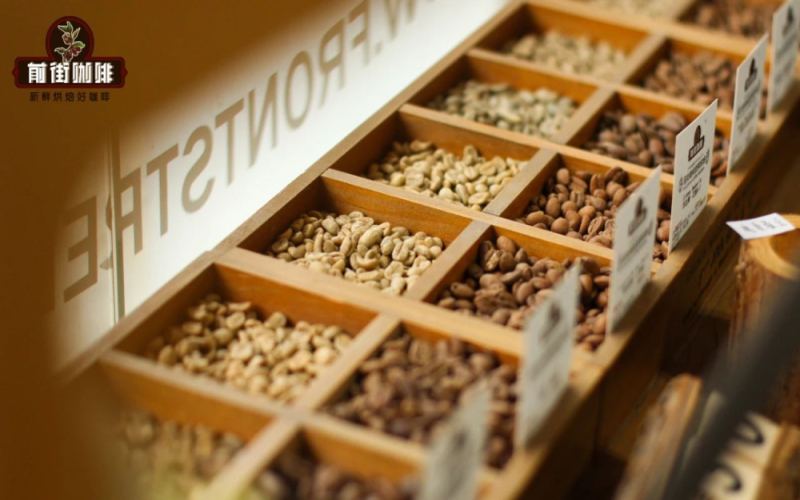
Learn to Choose Coffee Beans with the SCAA Color Chart: Eight Roast Levels and Flavor Analysis – A Must-Read for Pour Over Beginners
Want to understand the roast level of coffee beans and their flavor profiles? This article introduces you to the eight-level roast color chart jointly developed by SCAA and Agtron, helping you identify key turning points from light roast to espresso. It covers Agtron values at each stage, the ideal drop time, and flavor characteristics, and provides practical examples on how to adjust pour over parameters based on different roast degrees—giving you more confidence in selecting beans and brewing. [more…]
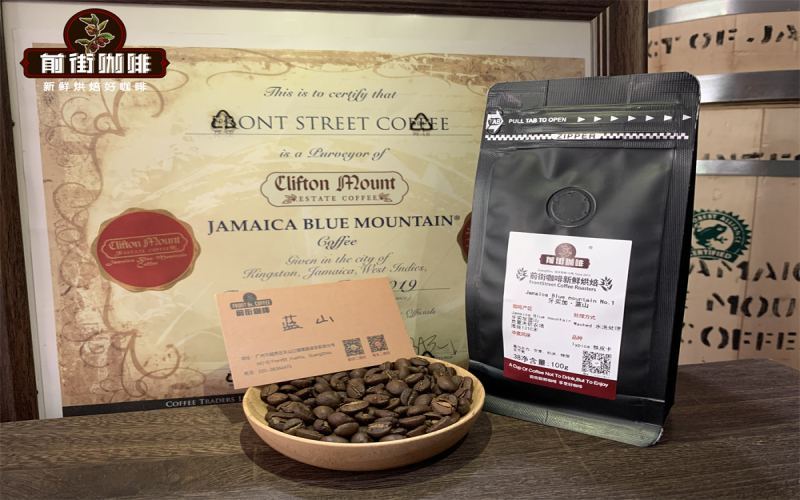
A Complete Guide to Jamaican Blue Mountain No.1: The Mavis Bank Region, Processing Methods, and Flavor Characteristics
Jamaican Blue Mountain No.1 coffee is world-renowned for its elegant and balanced flavor profile. As the core processing facility within the legally defined Blue Mountain region, Mavis Bank maintains extremely strict quality control. This article delves into the history of Mavis Bank, the natural conditions of the Blue Mountain region, and the entire process from coffee cherry harvesting to green bean refinement — taking you through how this top-tier coffee makes its journey from the highlands to your cup. We’ll also explore the rich flavors of medium-dark roast, including notes of nuts, chocolate, and caramel. [more…]
Moka Pot Usage Guide | Brew Rich Crema and Authentic Italian Flavor the Right Way
Want to brew a cup of coffee with rich crema and Italian flavor at home? The moka pot is actually a great beginner-friendly option. This article provides a detailed breakdown of the moka pot’s structure and working principle, teaches you how to choose beans correctly, adjust grind size and brewing time, and also shares practical tips to avoid over-extraction and bitterness—helping you brew a bold and aromatic cup just like authentic espresso, step by step. [more…]
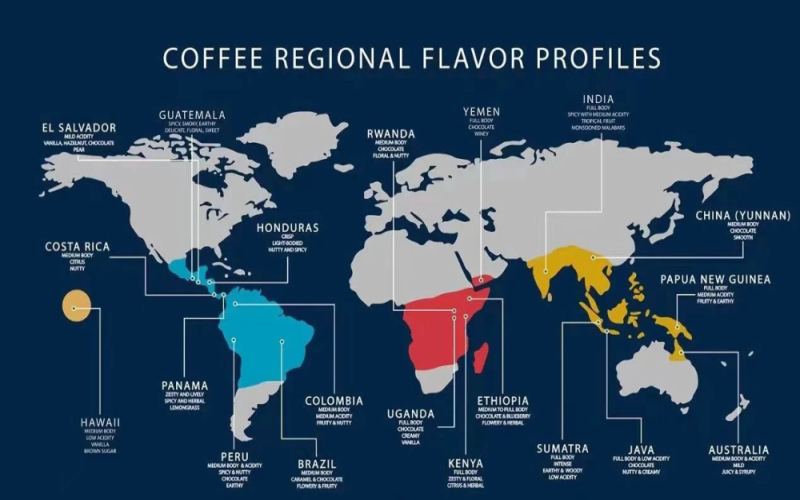
Flavor Analysis and Recommended Pour Over Methods for the Four Major Coffee Regions in Central and South America
Want to dive deeper into the unique flavors of four major coffee-producing countries in the Americas—Brazil, Colombia, Costa Rica, and Panama? This article will take you on a journey to explore the geographical conditions, mainstream processing methods, typical cupping profiles, and offer practical pour over parameter recommendations to help you choose the right coffee beans based on your personal taste preferences. [more…]

Latte Art Beginner’s Guide: A Comprehensive Breakdown of Milk Frothing Techniques, Pouring Essentials & On-the-Spot Adjustments
To consistently pour beautiful latte art, the key lies not in complex techniques but in mastering milk foam texture, achieving even integration, and honing fundamental skills. This guide shares practical tips on adjusting milk foam thickness, pre-pour preparation, practicing basic patterns, and adapting on the spot—helping coffee enthusiasts improve their latte art success rate and consistency. [more…]
Complete Guide to Latte Art Techniques: Milk Foam Thickness, Pouring Methods, and Basic Pattern Practice
Latte art is a fundamental skill for baristas, but many enthusiasts often encounter issues such as difficulty reproducing patterns, uneven blending, or poor milk flow during practice. This guide dives deep into how to adjust the thickness of milk foam, optimize pre-pour preparation steps, select suitable basic patterns for repetitive training, and learn to make on-the-spot adjustments. It will help you steadily improve your latte art success rate and present more professional cappuccino art. [more…]
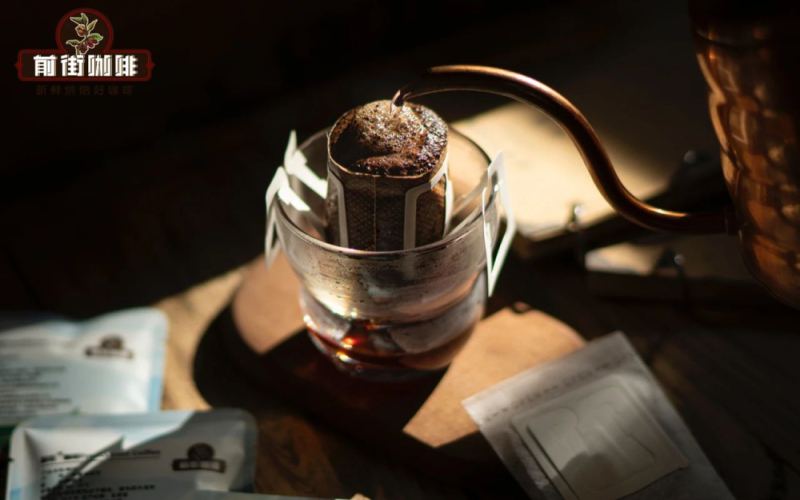
Beginner's Guide to Pour-Over Coffee Bags: Mastering Coffee-to-Water Ratio, Water Temperature, and Pouring Technique to Extract Great Flavor
Pour-over coffee bags are popular for their convenience, but unlocking delicate and layered flavors actually involves quite a few small techniques. This article will take you in-depth into the three key aspects of brewing with pour-over coffee bags: choosing the right coffee-to-water ratio, controlling water temperature, and adjusting your pouring technique. Whether you prefer bright fruity acidity, rich body, or subtle floral notes, using the correct extraction parameters can significantly enhance the quality of your daily coffee and help you avoid common issues like off-flavors and uneven extraction. [more…]
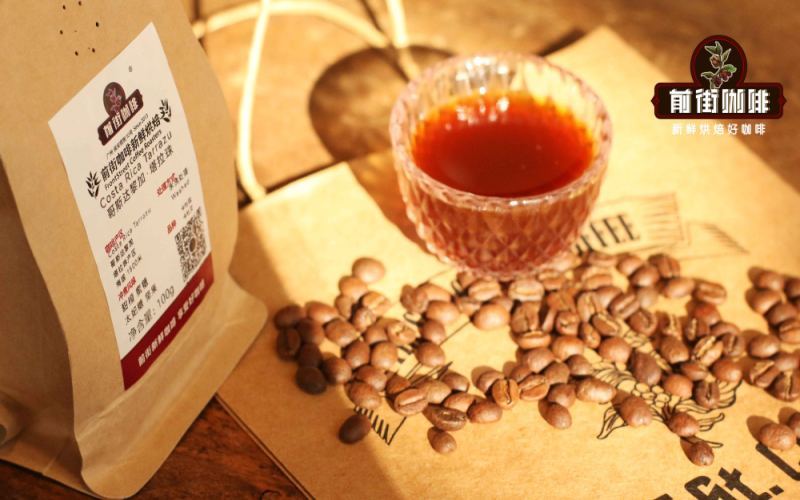
The Black Honey Processing Revealed at Las Lajas Estate in Costa Rica: How Sun Exposure and Turning Affect Coffee Flavor
Las Lajas Estate in Costa Rica is one of the pioneers in systematically researching honey processing and natural sun-drying techniques. By precisely controlling the duration of sun exposure and the rhythm of turning, it has created a variety of uniquely flavored processed coffees. In particular, its black honey process—retaining the highest amount of mucilage—delivers a rich and full-bodied taste. This article delves into the logic behind its processing methods and introduces how these techniques actually impact coffee flavor, helping readers understand the craftsmanship behind coffee processing. [more…]
Costa Rica Tarrazú Diamond Hill Red Honey Processed Coffee: Flavor Profile & Regional Characteristics
The Diamond Hill Estate in Costa Rica’s Tarrazú region is renowned for its Strictly Hard Bean (SHB) red honey processed coffees. Combining high-altitude cultivation with refined processing techniques, it produces coffee with rich and layered flavors. This article delves into this Red Caturra variety honey processed coffee, exploring everything from the regional environment and processing method to actual cupping notes. Discover its unique charm of sweet dates, caramel cocoa, and rounded acidity, along with background on Costa Rica’s coffee industry and the distribution of its seven major coffee-growing regions. [more…]
How to Brew Gedeb Coffee Beans? A Guide to Pour Over and Natural Process Flavors from Ethiopia’s High-Altitude Microregion
Gedeb is a high-altitude microregion within Ethiopia’s Yirgacheffe appellation, boasting cultivation conditions at elevations of 1900 to over 2200 meters. This results in dense, hard coffee beans with unique floral and berry notes. This article delves into Gedeb’s regional background, processing methods (especially high raised bed natural drying), and the actual flavor profiles achieved through pour over and Americano brewing. It also provides brewing parameters and tips to help coffee enthusiasts explore this high-value microregion. [more…]
Ethiopian Yirgacheffe Gedeb Highlands Coffee: Flavor Profile & Brewing Guide from a 2,200m Altitude Micro-Region
Gedeb is an emerging coffee gem within Ethiopia’s Yirgacheffe appellation, nestled in highlands with an average elevation of 1,900 to 2,400 meters and renowned for its distinctive floral and berry notes. This article delves into the micro-region’s geography, processing methods, and cupping characteristics, while offering practical pour over parameters and bean selection tips to help coffee enthusiasts fully appreciate the charm of this high-altitude producing area. [more…]
Ethiopia Hambella Estate SLD Natural Process: Single-Layer Slow Fermentation for Premium Flavors
Ethiopia Hambella Estate Lot 121 single-farm natural coffee, crafted with a unique single-layer slow drying process (SLD) to achieve exceptional sweetness and rich body. This article delves into the processing details of this G1-grade natural lot—from single-layer spreading and 18-day slow drying to the high-altitude environment of Hambella—explaining how meticulous processing elevates coffee flavor complexity, and comparing typical differences between the Guji and Yirgacheffe regions. [more…]
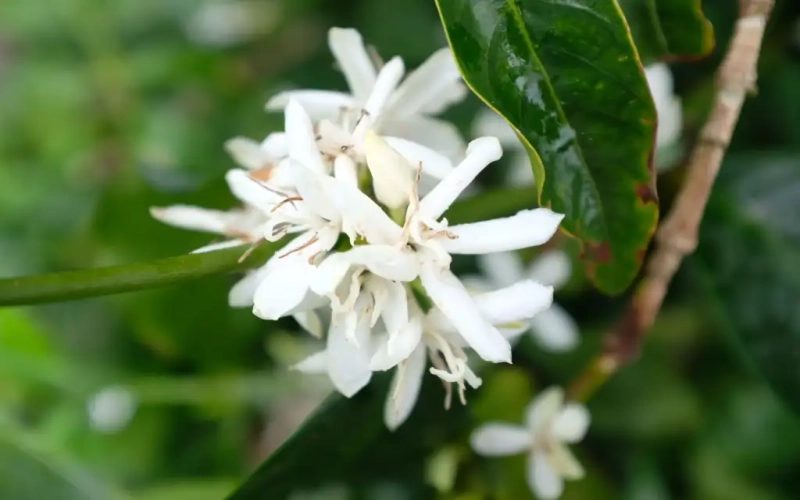
Complete Guide to Ethiopian Coffee Cultivation & Grading | Yirgacheffe Flavor & Pour Over Parameters
Delve into Ethiopia, the birthplace of global coffee, exploring everything from native varietal genetics and diverse cultivation methods to its rigorous grading system, uncovering the deep cultural roots of its coffee heritage. This article introduces you to the classic floral and fruity profiles of Yirgacheffe, along with expert brewing recommendations for both washed and natural beans, helping you precisely extract bright acidity and layered fruit aromas at home. [more…]
What’s the difference between Green Mountain Coffee and Blue Mountain Coffee? Learn about their origins, grades, selection, and brewing techniques
Green Mountain Coffee and Blue Mountain Coffee may sound similar, but they are worlds apart. The former is a well-known American instant coffee brand, famous for its Keurig machines and K-Cups; the latter is a premium Arabica Typica variety grown in Jamaica’s Blue Mountains, globally recognized as high-quality coffee. This article provides an in-depth comparison of the two, covering brand background, growing conditions, grade classifications, as well as how to identify authenticity and recommended brewing parameters — helping you make a smarter choice. [more…]
Green Mountain Coffee VS Jamaican Blue Mountain Coffee: A Comprehensive Analysis of Brands & Origins with Buying Guide
Green Mountain Coffee and Jamaican Blue Mountain Coffee are often mistakenly thought to be related, but in reality, they differ completely in terms of brand, origin, market positioning, and quality standards. This article delves into the essential differences between the two, helping you understand Green Mountain as an American coffee brand’s development strategy, as well as the origin background, grade classification, and correct purchasing methods for Jamaican Blue Mountain — the world’s top-tier coffee. It also includes professional roasting and pour over parameters to help you truly appreciate the flavor of Blue Mountain. [more…]
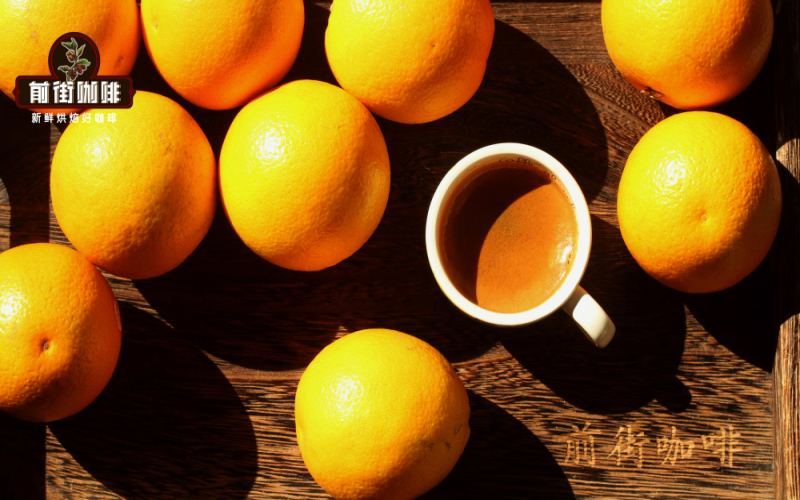
Who is Espresso for? Analyzing crema, flavor, and extraction parameters to help you savor the essence of concentrated coffee
Espresso is renowned for its intense aroma and rich body, but it’s not for everyone. This article delves into the three-layer structure of Espresso—crema, body, and core—to uncover the sources and formation mechanisms of its captivating flavors. It also shares how to craft a high-quality shot with delicate crema and pronounced aftertaste through freshly roasted beans, proper resting, and correct extraction methods. Practical tasting tips are provided to help you level up from a beginner to a true connoisseur. [more…]