







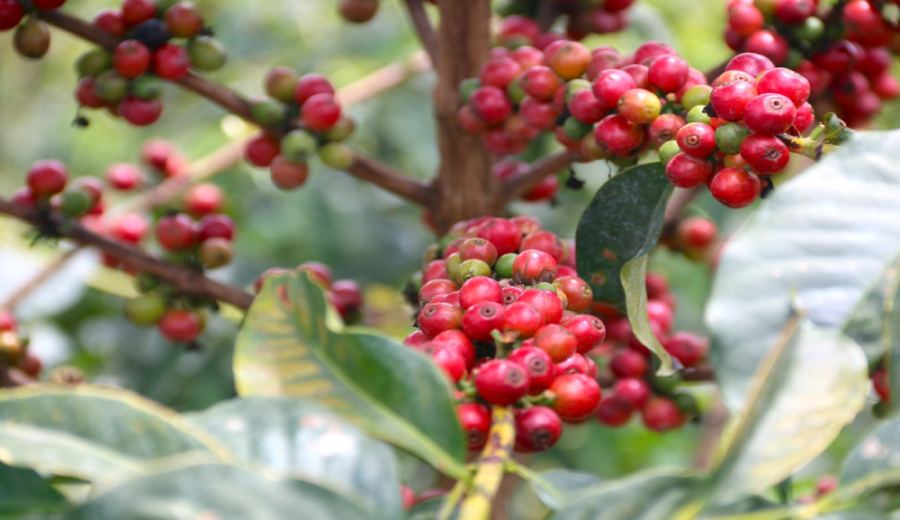
Introduction:Kenyan AA coffee beans are renowned for their bright acidity and complex fruitiness, making them a hallmark of specialty coffee for many enthusiasts. But do you know what the AA grading standard actually means? How does it differ from other grades? This article delves into Kenya’s coffee grading system, the K72 washed processing method, and the terroir characteristics of core regions like Nyeri, Kirinyaga, and Murang’a—helping you understand the value behind these highly rated coffees from a professional perspective.
Kenyan coffee has carved out a niche in the global specialty market thanks to its distinctive bright acidity and rich fruity aromas, with AA-grade beans being especially celebrated. But what does AA signify? How is it different from other grades? This article will thoroughly explore the varietal background, grading system, K72 washed process, and terroir conditions of major producing areas such as Nyeri, Kirinyaga, and Murang’a, giving you a comprehensive grasp of the essence of Kenya’s premium coffee.
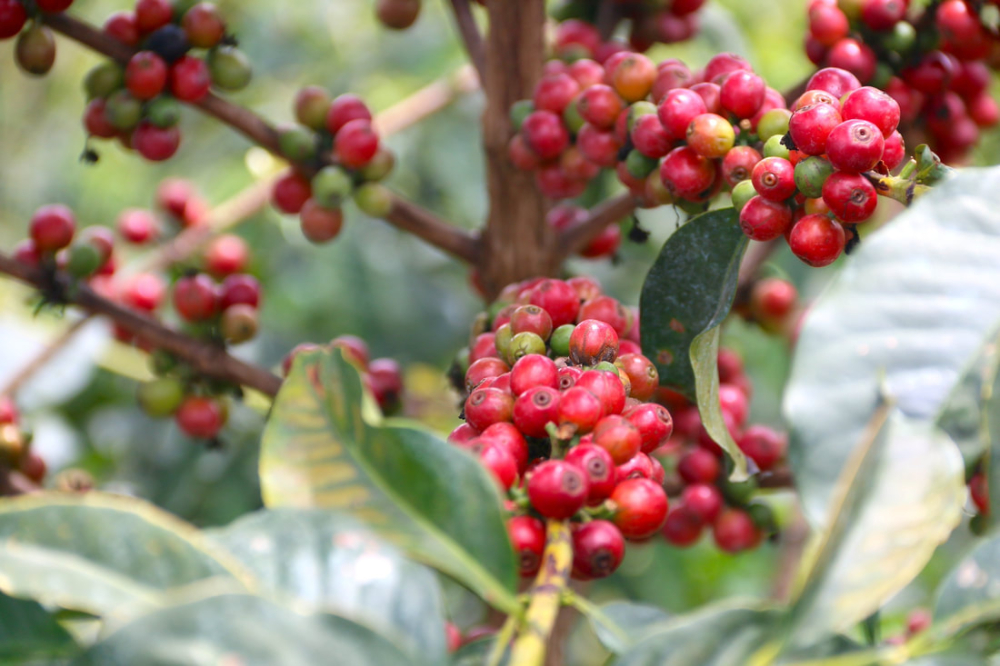
Though Kenya began coffee cultivation relatively late, its development has been rapid—especially the breeding and grading systems established during British colonial rule, which laid a solid foundation for its specialty coffee. Known for its fruity flavor profile, often featuring notes of blackberry and grapefruit, Kenyan coffee stands out in the global market for its unique taste.
The success of Kenyan coffee can be attributed to several key factors. First is its robust breeding mechanism: the Scott Agricultural Laboratories (established in 1922) selected SL28 and SL34 from numerous varieties as the most suitable for local cultivation—varieties that remain the soul of Kenyan coffee to this day. Second, after 1931, the government actively promoted industry development through the Coffee Growers Union and the National Coffee Board, launching an auction system at the Nairobi Coffee Exchange in 1937 to ensure quality and transparency in trade.
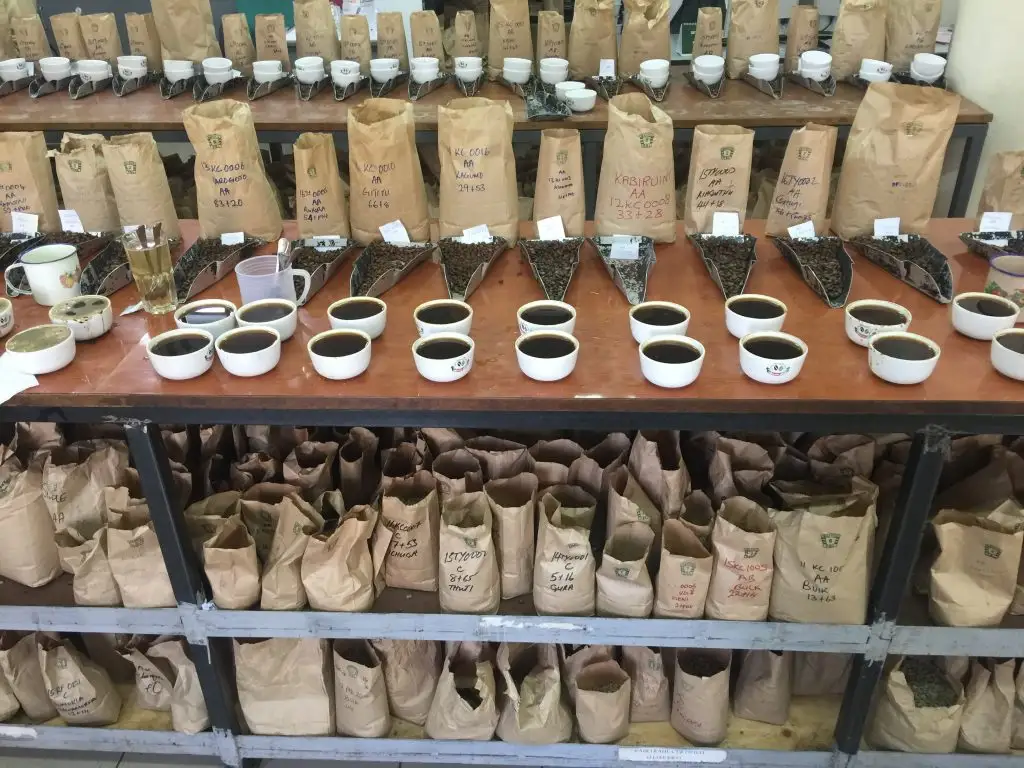
Kenya’s coffee grading system is primarily based on bean size and cupping performance, ranked from highest to lowest as AA or AA+, AB, PB, C, E, TT, T. Among these:AA-grade beans have a screen size of 17–18 meshand typically feature the most rounded, full-bodied particles along with the best cupping scores. AB-grade beans are 15–16 mesh and are the more commonly seen grade in the market. There are also peaberry (PB), lighter-weight TT and T grades, and the special large mutation beans E (elephant beans). For AA and AB grades, some exporters further subdivide them into TOP, PLUS (+), and FAQ based on cupping results—though not official standards, these serve as references for evaluating flavor performance.
What makes Kenyan coffee most captivating is its distinctive acidity and juicy mouthfeel, which are inseparable from its unique K72 washed processing method. Compared to typical washed processing, which ferments for 36 hours or less, Kenya’s method extends fermentation to72 hours, allowing for more thorough mucilage breakdown while preserving greater fruitiness and acidity. The beans are then dried for an extended period until moisture content drops to 12%, resulting in their bright, vibrant flavor profile.
Kenya’s coffee-growing regions are mainly concentrated in the central and western parts of the country, with the three most renowned being Nyeri, Kirinyaga, and Murang’a. These regions are mostly located at high altitudes, with volcanic-rich soils that provide ideal growing conditions.
Nyeri Regionis situated in central Kenya, adjacent to the dormant Mount Kenya volcano. Its fertile red soils are home to numerous smallholder coffee cooperatives. The elevation ranges from1200 to 2300 meters, with the main harvest season from October to December and a secondary season from June to August. Common varieties include SL-28, SL-34, Ruiru11, and Batian, which showcase rich acidity and layered complexity in high-altitude environments.
Murang’a (Mulanjia)is also located in Central Province, boasts a long history of coffee cultivation, and is home to many smallholder farmers. The altitude ranges between1350 and 1950 meters, with main harvest seasons similar to those of Nyeri. The coffee here is also dominated by varieties like SL-28 and SL-34, offering clear, layered flavor profiles.
Kirinyaga (Qilinya)Region lies on the slopes of Mount Kenya, adjacent to Nyeri, and is known for its intense, layered flavors and solid body, making it one of Kenya’s top-tier coffee representatives. The elevation ranges from1300 to 1900 meters, with harvest seasons aligned with other central regions. The area is largely composed of smallholder farms that form cooperatives, sharing washed processing facilities to ensure consistent coffee quality.
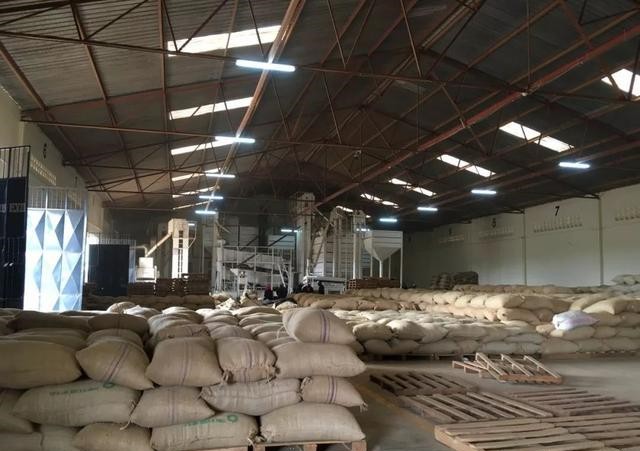
Beyond regions and grading, the processing facility’s techniques also directly influence the final flavor. For example, the Kenya Assaliya Processing Factory in Thika specializes in washed processing, using SL28 and SL34 varieties at an elevation of1550 to 1750 meters. This bean is recommended for pour over extraction, with reference parameters: 15g coffee, 1:15 brew ratio, 89–92°C water temperature, grind size around EK43S #10. Begin with a 30-second bloom using 30g of water, then pour to 125g, wait for the water level to drop halfway, and pour the remaining water. Total brew time is about 2 minutes. This method fully highlights its bright berry and dark cocoa flavors, with medium-high acidity, a viscous mouthfeel, and a clean finish.
The above content is compiled by CoffeeHunters, a coffee news website.


