








Introduction:Kopi Luwak (civet coffee), as one of the most controversial specialty coffees in the world, is not only exorbitantly priced but also highly debated due to its unique production method. This article delves into this wild civet coffee originating from Sumatra, Indonesia, exploring its historical background, authenticity disputes over bean sources, the processing principles behind it, pour over brewing parameters, along with detailed flavor descriptions and practical advice to help you fully understand its uniqueness and potential issues.
Kopi Luwak, commonly known as civet coffee, has long been regarded as the ultimate luxury item in the coffee world, often retailing at a starting price of six hundred US dollars per pound. Its rarity has made it a focal point in the high-end consumer market. However, since its inception, this coffee has been steeped in controversy: does it truly come from wild civets foraging freely, or from animals confined in cramped spaces? Is its unique flavor truly irreplaceable? This article will comprehensively analyze this alternative specialty coffee from Sumatra, Indonesia—from its historical origins, disputes over bean sources, processing principles, to practical pour over recommendations.

When it comes to the world’s most expensive coffee, many people first think of Jamaican Blue Mountain, but in fact, “Kopi Luwak” is recognized as one of the priciest coffee items. Due to the difficulty of collection and limited supply, its price remains consistently high, and each coffee bean must pass through the digestive tract of a civet to form, giving it a peculiar origin that makes it a mysterious entity in the eyes of many coffee enthusiasts. According to actual tasting experiences, its flavor carries a distinctive herbal note, and its body performs exceptionally well.
Historical Origins: From Dutch Colonialism to Accidental Discovery
As a former Dutch colony, Indonesia’s coffee industry was significantly transformed during the colonial period, with local farmers forced to grow coffee yet denied the right to enjoy it. Historical records indicate that farmers at the time discovered that coffee beans excreted by civets after consuming coffee cherries, once cleaned and processed, exhibited outstanding flavors—thus accidentally uncovering this unique “internal fermentation” processing method. However, once Dutch colonists learned of it, this rare coffee became a luxury exclusively for their enjoyment, and farmers were forbidden from tasting it again.

This history not only reveals the origins of Kopi Luwak but also reflects the exploitation of local resources under the colonial economic system. Today, this coffee has regained attention—but mainly due to ongoing controversies surrounding its production methods and animal welfare issues.
Bean Source Disputes: The Truth About Wild vs. Farmed
Currently, it is extremely difficult to determine whether the Kopi Luwak on the market comes from wild civets or artificially farmed environments. Experts point out that wild civets, by choosing ripe coffee cherries autonomously, generally produce higher-quality beans through their excretions. However, once confined to cages and fed only coffee cherries, their health is compromised, and the final flavor of the coffee is greatly diminished. Investigations have even revealed that some so-called “wild” Kopi Luwak actually comes from abused, caged civets.
Multiple media outlets, including the BBC, have exposed that many so-called wild civet coffees do not actually come from natural environments. Articles from the Specialty Coffee Association of America (SCAA) also note that while the civet’s digestive process may soften coffee flavors, it can also erase the acidity and delicate layers that specialty coffee should possess. Furthermore, major global sustainability certification bodies such as Rainforest Alliance and UTZ refuse to certify Kopi Luwak, primarily due to the inability to ensure animal welfare and traceability of bean sources.
Processing Principles and Animal Behavior
The uniqueness of Kopi Luwak lies in its “internal fermentation” processing method. After a civet consumes coffee cherries, enzymes in its digestive fluids and gut microbiota break down the outer fruit flesh and pulp of the coffee bean, but do not digest the bean itself. Once the coffee bean is excreted in feces, it is cleaned and dried to become the final green bean. Although this method sounds unusual, its principle is similar to natural fermentation, with the medium being the animal’s digestive tract.
Civets mostly inhabit tropical rainforests in places like Sumatra, Indonesia, typically at altitudes below 2100 meters, preferring hilly and shrubland environments. Their diet is omnivorous—though primarily animal-based, they also consume certain plant berries, including coffee cherries. Notably, civets are highly selective about acidic berries, usually choosing only ripe, high-sugar fruits, which is one reason why the coffee beans they excrete maintain relatively stable quality.

Market Status and Quality Variations
Among the various producing regions, wild Kopi Luwak from Sumatra, Indonesia, is considered the top-tier product and commands the highest price, followed by those from the Philippines and Vietnam. There are also many so-called “knock-offs” circulating in the market, actually excreted by farmed civets or other animals, resulting in huge differences in quality and flavor. Since the bean source cannot be distinguished by appearance, professional cupping becomes the main method for evaluating its flavor and quality—making it very difficult for general consumers to judge authenticity based solely on packaging.
In addition, civets primarily consume Robusta coffee varieties, especially in mid-to-low altitude areas, so the resulting Kopi Luwak is mostly of the Robusta species. Its flavor profile differs significantly from the more common Arabica, often exhibiting strong earthy notes and high viscosity, similar to syrupy textures, accompanied by noticeable fermentation and herbal characteristics.
Practical Pour Over Parameters and Flavor Profile
For this highly talked-about coffee, the recommended practical pour over parameters are as follows: using Ironica and Catimor varieties from the Sumatra, Indonesia region, with internal fermentation as the processing method. It is suggested to use a KONO filter, 15 grams of coffee grounds, a 1:15 coffee-to-water ratio, a water temperature of around 87°C, and a grind size close to that of granulated sugar.
The specific pour over technique can follow a segmented extraction approach: start with 30 grams of water for a 30-second bloom, then slowly pour in a circular motion until reaching 125 grams for the first pour. Wait for the water level to drop, then pour up to 225 grams before stopping. Remove the filter just before the coffee bed is exposed, keeping the total extraction time around 2 minutes.
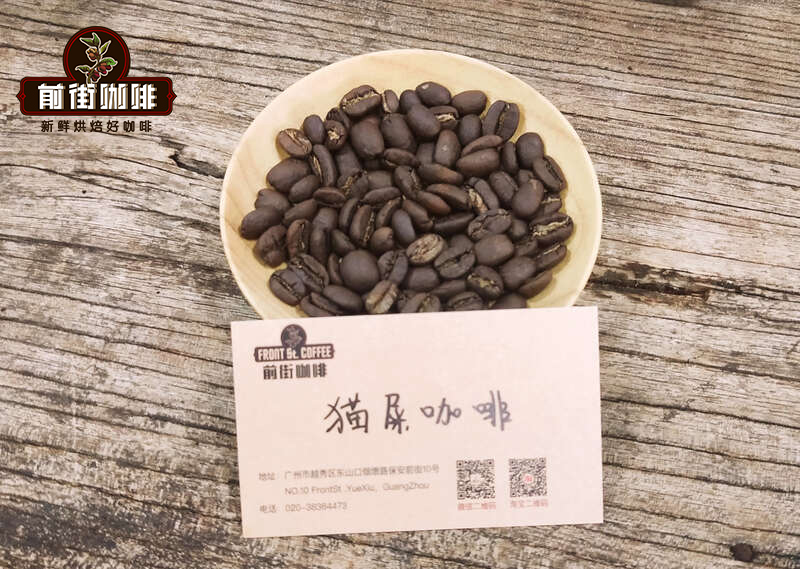
In terms of flavor, this Kopi Luwak typically exhibits pronounced herbal, nutty, dark chocolate, and fermented notes, with a thick mouthfeel and a unique aftertaste. It should be noted that due to its high price and limited availability, many coffee experts advise consumers to choose carefully and prioritize other specialty coffees with outstanding flavors and transparent sourcing.
If you prefer bright acidity and floral-fruity profiles, consider Panama Geisha; if you enjoy fresh berry and black tea notes, Ethiopian Huika is also a great choice; for balanced body and caramel-like sweetness, Brazilian beans can meet your needs; if you still want to experience the bold texture of Indonesian coffee, it is recommended to opt for high-grade Golden Mandheling, which has low defect rates, clear aromas, and an elegant sweet finish. These coffee beans also offer high quality and distinct flavor profiles, with more transparent and ethical sourcing.
The above content is compiled by CoffeeHunters, a coffee news website.


