







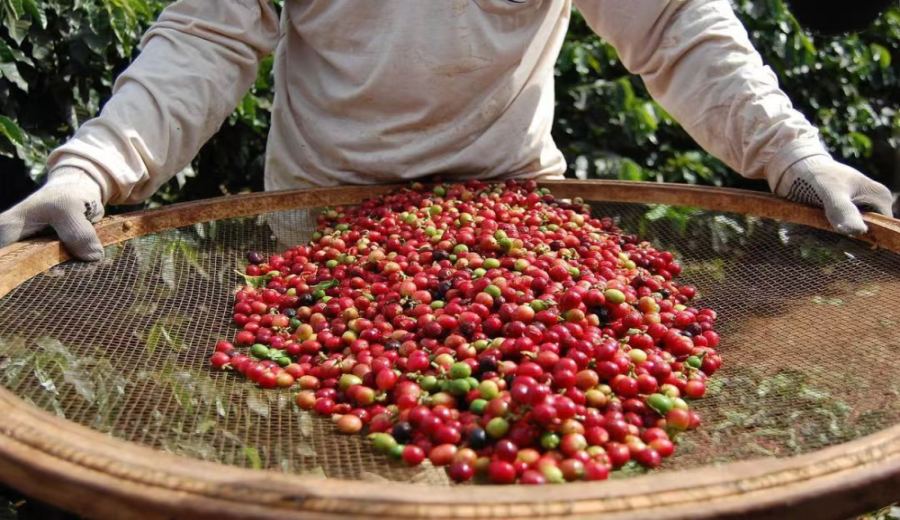
Introduction:As the world’s largest coffee-producing country, Brazil is renowned for its beans’ consistent sweetness and rich flavors of nuts and chocolate. This article delves into Brazil’s coffee grading system, mainstream varieties, and processing methods, and includes hands-on evaluations of two representative beans—Cerrado Red Bourbon and Fazenda Rainha Yellow Bourbon Natural—to provide a complete flavor profile and V60 pour over recommendations, helping you grasp the essence of this major South American coffee nation.
When it comes to the world’s top coffee producer, Brazil stands unrivaled. This South American powerhouse not only exports a large volume of commercial-grade beans but also cultivates numerous COE competition-level specialty coffees. Yet in physical retail stores, only two Brazilian-origin bean varieties are selected for shelving, reflecting a commitment to unique flavor profiles. This article will comprehensively break down key knowledge about Brazilian coffee—from regional environments and variety characteristics to processing techniques and grading standards—and includes information and pour over brewing guides for two tested representative beans, helping you understand the distinctive richness of Brazilian coffee from multiple perspectives.
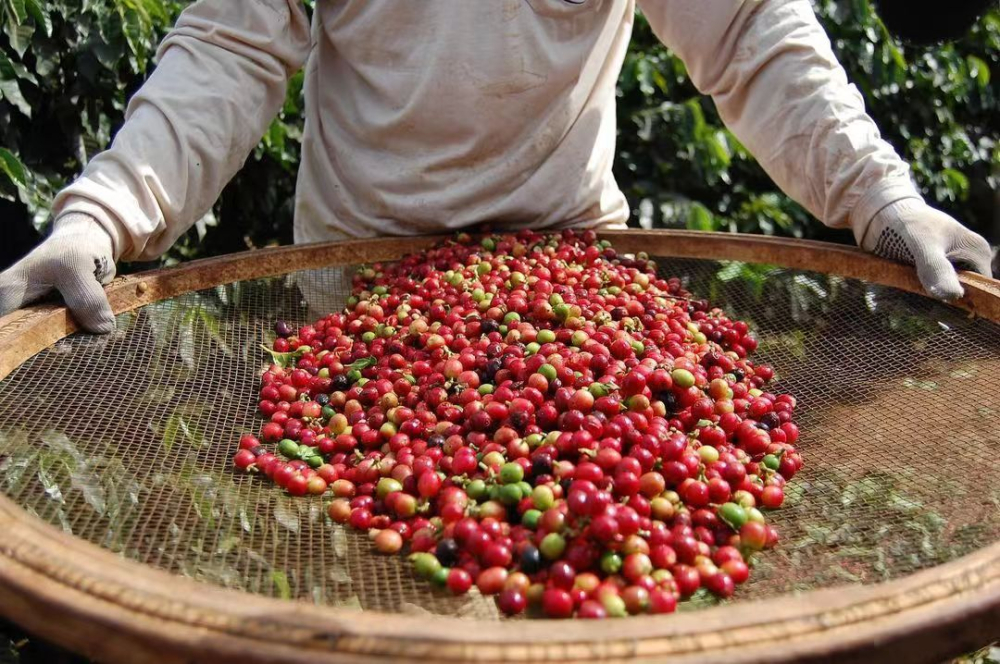
As the dominant force in the global coffee landscape, Brazil produces over a third of the world’s coffee beans annually. It not only supplies a large amount of affordable commercial beans but is also a significant participant in the specialty coffee COE competitions. However, in store shelving strategies, only two Brazilian beans with distinct and recognizable flavor profiles are chosen, reflecting strict quality control regarding “quality and representativeness.” The selection leans toward allowing consumers to experience the diverse coffee characters from different regions through the store space, so each chosen bean showcases the typical flavor characteristics of its origin. While Brazilian coffee is known for its stable sweetness and rich, intense notes of nuts and chocolate, its high level of mechanization and large-scale cultivation also result in relatively concentrated flavor layers.
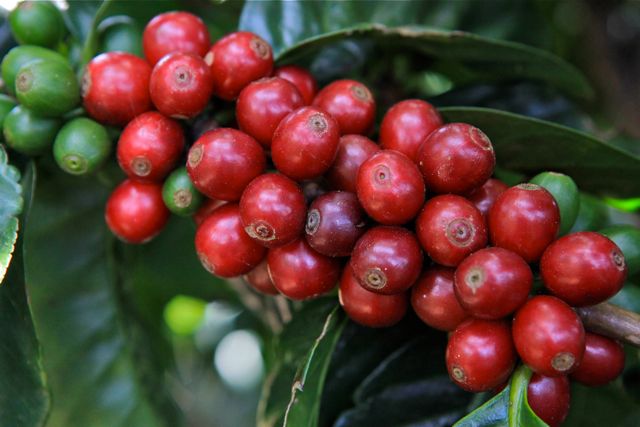
First introduced is the everyday-grade Brazilian bean on the shelves—Cerrado Red Bourbon from the South Minas region. These beans are grown in the highland areas of western Minas Gerais, at an altitude of around 1,000 meters. The Cerrado region is a flat plateau with altitudes ranging between 750 and 1,200 meters, while South Minas features mainly hilly terrain, with elevations distributed between 700 and 1,200 meters. Notably, since 1999, most award-winning farms in the South Minas region at Brazil’s Cup of Excellence competition have come from this area, proving that its terroir can consistently produce high-quality coffee. This bean uses the Red Bourbon variety, whose fruits turn deep red when ripe, with a roundish bean shape. High-altitude cultivation gives it richer aroma and brighter acidity, often featuring a wine-like finish. Additionally, its processing method is pulped natural (semi-washed), which originated in Brazil in the 1990s to address the off-flavors common in traditional natural drying. By removing the skin and pulp but retaining some mucilage before sun drying, this method not only shortens processing time but also allows for some control over fermentation levels, thereby enhancing sweetness and cleanliness.
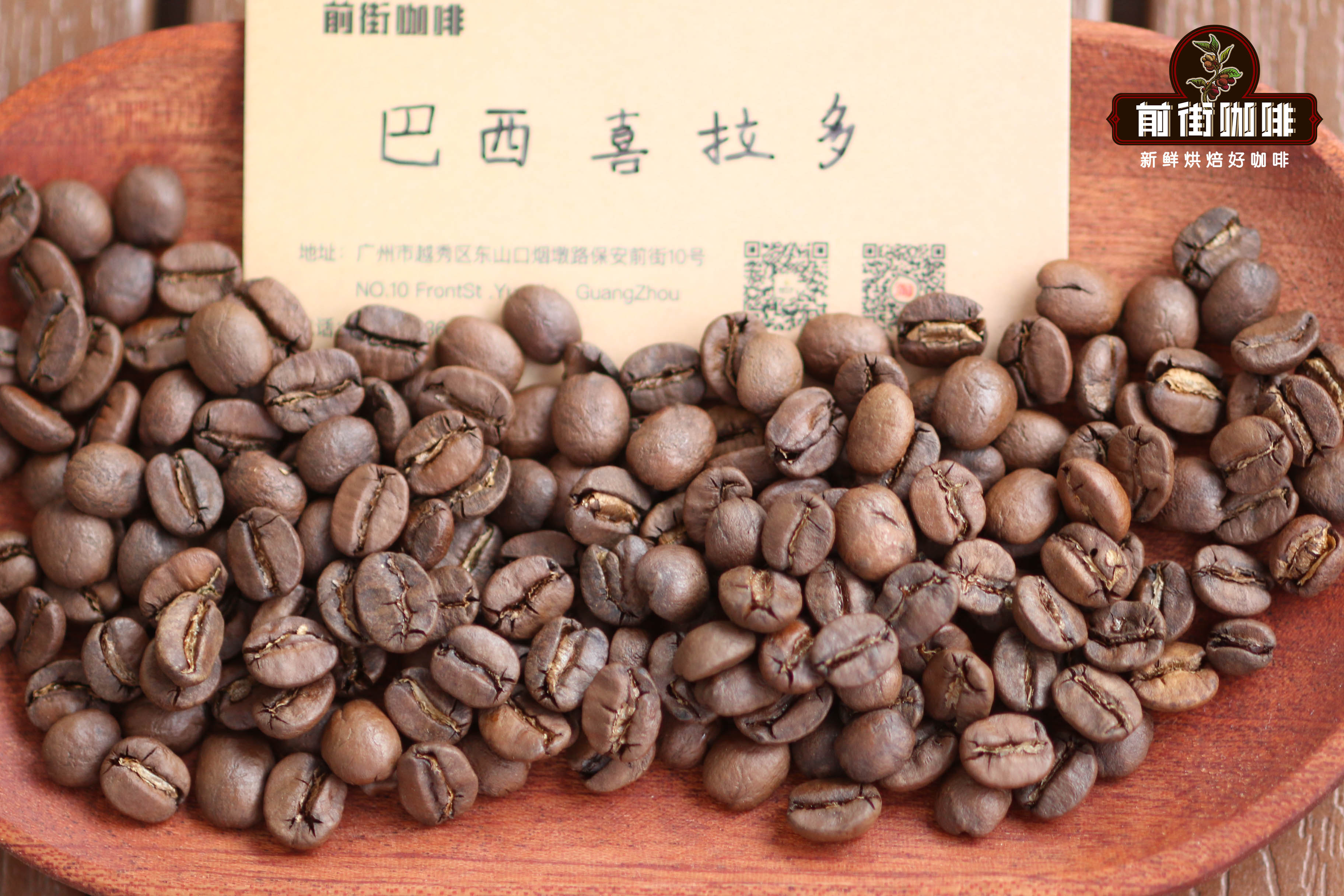
The pulped natural technique can be considered one of Brazil’s innovations in processing, sitting between traditional natural drying and washed processing but skipping the fermentation tank and water rinse steps of washing. Instead, it involves directly sun-drying coffee beans that still retain some mucilage. A major advantage of this method is that it helps screen out unripe beans, improving the maturity consistency of the entire batch and thus resulting in a more balanced flavor profile. It’s worth noting that Cerrado, being in a relatively dry region, mostly still uses traditional natural drying, but the selected Cerrado Red Bourbon here is deliberately processed using pulped natural to enhance its flavor complexity and fermentation characteristics.
The other Brazilian representative on the menu is the Fazenda Rainha Yellow Bourbon Natural, produced in the Mogiana region near southern Minas. This area features rolling hills with vegetation consisting of shrubs and grasslands, where family-run smallholder farms and some modern small-scale farms coexist, blending traditional and modern cultivation philosophies to create uniquely distinctive coffee flavors. In cupping, this bean shows a natural sweetness akin to cane sugar. The Yellow Bourbon variety, unlike the typical red-fruited Bourbon, has bright yellow mature fruits, believed to be a hybrid mutation resulting from crossbreeding red-fruited Bourbon with a yellow-fruited Typica variant. This variety has low yield and is sensitive to environmental conditions, but under high-altitude growing conditions, it can unleash exceptional aroma and rich mouthfeel, gradually gaining attention in the specialty coffee scene in recent years.
Observing the packaging of these Brazilian green beans, you’ll often find a special set of markings: Brazil NY.2 SC – 17/18 FC. This is Brazil’s unique three-tier grading system, differing from the conventions of other producing countries. Due to Brazil’s vast regions and massive production volumes, exports often need to blend multiple batches of beans to ensure stable supply, so strict cupping-based grading is required to guarantee final flavor quality. Brazilian grading primarily evaluates from three aspects: defect rate, bean size, and cup quality.
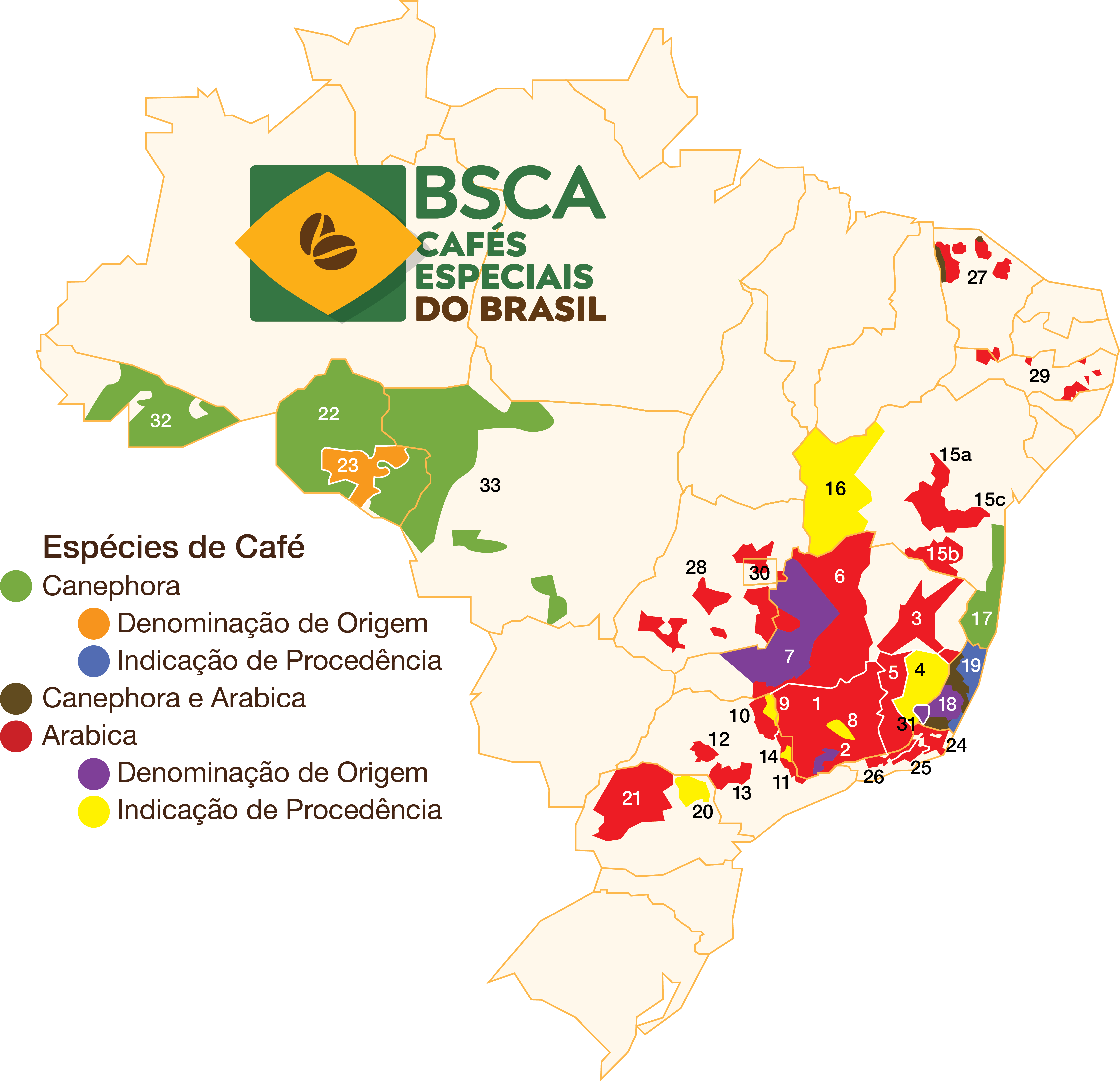
First is the defect rate grading, using what’s called a “deduction system” to count the number of defective beans per 300 grams of main beans, divided into seven grades from No.2 to No.8. If the defect count is four or fewer, it can be classified as No.2, the highest common commercial grade. Although No.1 theoretically represents zero defects, it is too rare and difficult to supply stably, so No.2 is considered the actual premium standard for Brazilian specialty beans. The second factor is bean size, typically screened using a 1/64-inch mesh sieve, with common sizes being 14 to 20 screens, where 17/18 screens are the market-recognized high-quality grade, indicating plump beans with good density. Lastly is cup quality, commonly categorized as Fine Cup (FC), Good Cup (GC), etc., with most exporters also noting the processing method and farm origin, providing consumers with clear information at a glance.
In the past, Brazilian coffee was often criticized for inconsistent quality due to an overemphasis on yield, even earning labels like “inferior beans,” with examples such as “Rio beans” serving as negative representatives. But with the introduction of COE competitions and grading systems, the situation has greatly improved. The establishment of the NY grading system was aimed at unifying quality standards, enabling consumers to make more accurate choices based on grading information.
Finally, for these two Brazilian beans, we also provide tested pour over recommendations, suitable for using the V60 filter. Suggested dosage is 15 grams, with water temperature controlled at 90°C and grind size at medium (about 70% extraction rate using a standard #20 sieve). The water-to-coffee ratio is recommended at 1:15, using a staged extraction method: start with a bloom using twice the coffee weight in water (about 30 grams) for 30 seconds, then pour in a small circular motion up to 125 grams and pause briefly. When the water level drops and is about to expose the coffee bed, continue pouring to a total of 225 grams, with the overall extraction time around 2 minutes. Actual tasting results show that Cerrado Red Bourbon exhibits high sweetness, a full body, and low acidity, with a flavor profile centered around peanuts, almonds, nuts, and chocolate; while Fazenda Rainha Yellow Bourbon Natural stands out for its rich mouthfeel, with almond and cocoa as the main notes, complemented by prominent cane sugar sweetness, offering an overall balanced cup with a long-lasting aftertaste.
The above content is compiled by CoffeeHunters, a coffee news website.


