







Introduction:Resting and degassing are key steps that influence the release of coffee flavors, especially crucial for dark-roast espresso blends or single-origin beans such as Indonesian Mandheling. This article delves into the carbon dioxide release process of roasted coffee beans, explains why a 4 to 7-day resting period is necessary, and why dark roasts require even longer. Taking Sumatran Mandheling as an example, it discusses the impact of the wet-hulled process on flavor and provides practical pour-over parameters to help readers master best practices from resting and degassing to brewing.
Many beginners in specialty coffee often hear the terms "resting" and "degassing," but remain unclear about their specific meanings and procedures. In fact, these two steps play a pivotal role in showcasing coffee flavors, particularly when brewing espresso blends or single-origin beans like Indonesian Mandheling, making them essential stages that should not be overlooked.
After high-temperature roasting, coffee beans produce approximately 2% of their weight in carbon dioxide, which needs to be gradually released over the following days. This process is known as the "resting period." It is generally recommended to wait 4 to 7 days after roasting to allow the internal gases to stabilize and dissipate, thereby avoiding negative impacts on the smoothness of extraction and the balance of flavors. Especially for dark roasts, due to the higher degree of roasting, the bean structure becomes more porous, and the carbon dioxide content is higher, hence the resting time required is often longer.
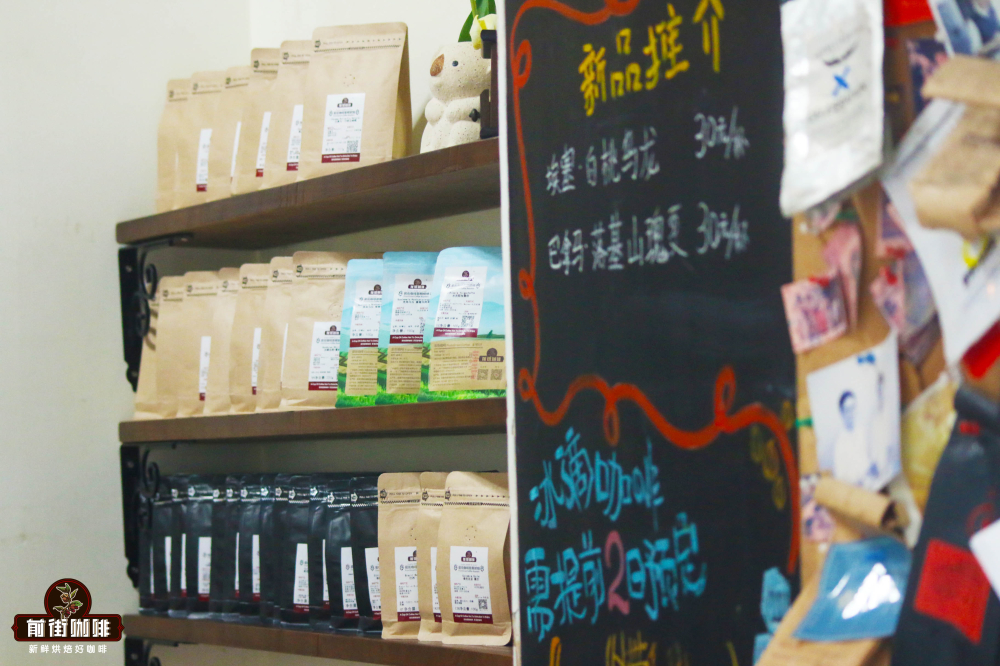
Some novice enthusiasts, upon purchasing freshly roasted coffee beans, always hope to immediately taste the "newest batch." In reality, as long as the beans are shipped within 5 days post-roasting and the delivery time is taken into account, they usually arrive during the peak flavor window after resting — typically between day 4 and 7. At this stage, the beans not only boast rich aromas but also exhibit the most balanced taste.
However, if you open and brew the beans the day after roasting, the large amount of unreleased carbon dioxide inside will not only hinder even water penetration but may also lead to incomplete extraction, resulting in a cup with noticeable harshness and sharp bitterness, while the flavor complexity will be greatly diminished.
Generally, it is recommended to start using the coffee beans between day 4 and 7 after roasting — this period is considered the "resting phase." However, experienced coffee lovers find that even within the resting period, beans of different roast levels still require different approaches. Particularly for dark roasts, due to their more intense degassing reaction, they often need a few extra days to reach optimal flavor.
Once coffee beans have passed the resting phase, they enter what is called the "optimal flavor window." But it’s important to note that during this time, carbon dioxide continues to be released from the beans, and many aromatic compounds are lost along with these gases. Therefore, even though the flavors have stabilized, it is still advisable to consume the beans within a month of roasting to enjoy the richest aroma and taste experience.

Speaking of single-origin representatives, Indonesian Sumatran Mandheling coffee has long been known for its full-bodied and rich mouthfeel, though it also receives polarized reviews due to its unique flavor profile. Unlike the Ethiopian Geisha, which has gained widespread popularity in recent years, Mandheling was already a favorite among many coffee enthusiasts in the previous generation, particularly in the Japanese market, where it once enjoyed immense acclaim for its distinctive taste.
Interestingly, "Mandheling" is not the name of a producing region nor a processing station, but rather derived from the name of an ethnic group on the island of Sumatra. During World War II, a Japanese soldier tasted a richly flavored coffee there and asked the shop owner about it, mishearing the name as "Mandening" due to the similarity in Japanese pronunciation — eventually evolving into today's well-known "Mandheling." After the war, the soldier introduced this coffee to Japan, sparking a Mandheling craze.
Sumatra, being located in a tropical rainforest climate zone with high temperatures, heavy rainfall, and extremely high humidity year-round, makes traditional sun-drying methods unsuitable due to the risk of abnormal fermentation or bean spoilage caused by unstable weather. Additionally, local economic conditions and limited water resources also hinder the widespread adoption of standard washed processing. Against this backdrop, a unique method known as "wet-hulling" was developed locally.
The wet-hulling process roughly involves: first removing the coffee fruit's skin and pulp, followed by short-term fermentation and initial washing, then placing the parchment-covered beans in a semi-dry state (about half-wet and half-hard), and using a machine to remove the outer parchment layer. This exposes the green coffee beans directly to the air for continued drying until the moisture content drops to around 12% to 13%, at which point the process is complete.
Many wonder how wet-hulling affects the flavor of Mandheling. One key factor is that by removing the parchment layer, the beans are directly exposed to the environment. While this increases flavor complexity, it can also introduce woody or earthy notes, especially when processing is not rigorously managed. Moreover, skipping certain protective steps means improper temperature control during drying can accelerate bean aging, negatively impacting the final flavor expression.
Currently, many producers cater to consumers who prefer bright acidity by roasting Mandheling lighter. However, this often weakens its inherent full-bodied character and may even accentuate undesirable flavors. Therefore, to experience the most classic traits of Mandheling, medium-to-dark roasting is usually the safer choice.
Taking the everyday-drinking Mandheling from Indonesia’s Lintong region and the Golden Mandheling from Aceh as examples, many specialty coffee shops opt for medium-to-dark roasting to highlight their rich mouthfeel and herbal-spicy notes. If you’re brewing these beans at home, consider the following practical parameters to fully showcase Mandheling’s unique charm.
Recommended pour-over parameters are as follows:
Filter: KONO
Water temperature: 88°C
Coffee dose: 15 grams
Coffee-to-water ratio: 1:15
Steps: Start with a 30-second bloom using 30 grams of hot water, then slowly pour in a circular motion from the center with a thin stream until reaching 125 grams. When the water level is about to expose the coffee bed, continue pouring to 225 grams. Total extraction time should be controlled to around 2 minutes.
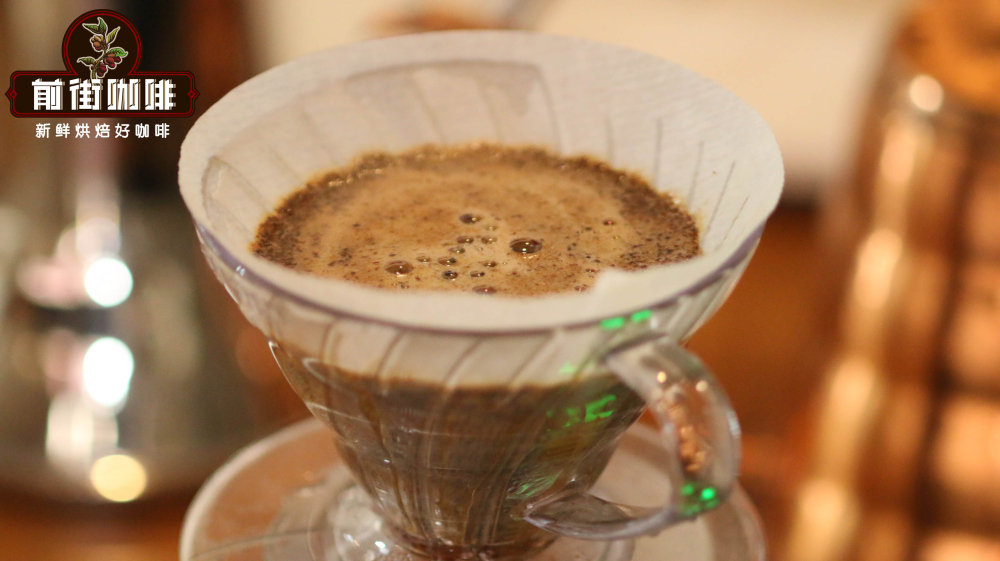
The bloom stage is a key step in waking up the coffee beans, not only helping to release carbon dioxide but also initiating the dissolution of flavor compounds. It’s worth noting that if you’re using pre-ground coffee, due to the significantly increased surface area of the particles, flavor loss will occur much faster. It is advised to consume it promptly to capture the best aroma and taste. If you don’t have your own grinder, many shops offer grinding services, but remember that ground coffee should be used as soon as possible without requiring a lengthy additional resting period.
The above content is compiled by CoffeeHunters, a coffee news website.


