







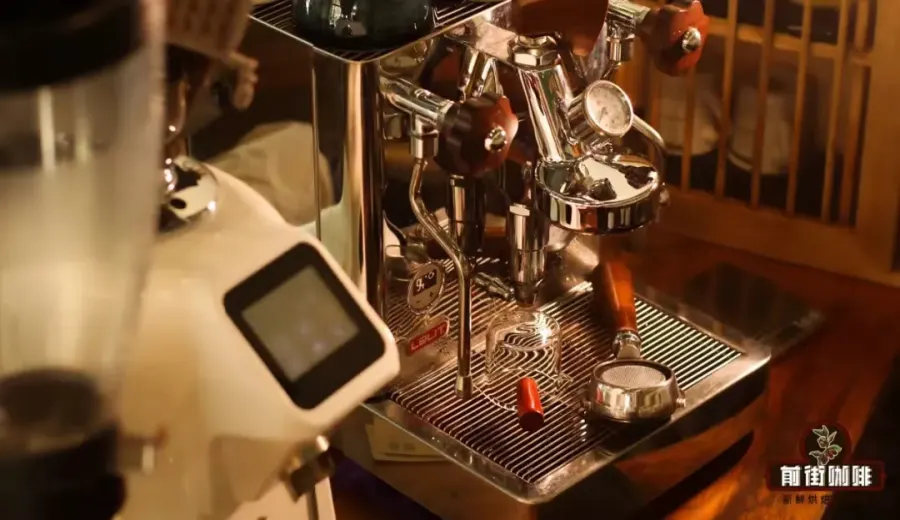
Introduction:To perfectly brew a well-balanced espresso at home, it’s essential to master four key parameters: grind size, dose, extraction time, and coffee-to-water ratio. This article will delve into these core variables that influence extraction, drawing from practical experience to guide you from theory to practice. You’ll learn how each factor affects flavor and strength, discover how to adjust for optimal extraction, and understand the importance of selecting a stable espresso blend.
Brewing a rich, layered espresso at home is not only the dream of many coffee lovers but also the first step for many beginners entering the world of specialty coffee. However, there are numerous factors that affect the outcome of an espresso extraction, among which dose, grind size, coffee-to-water ratio, and extraction time are the most crucial. These elements are closely interconnected, and even slight variations can directly impact the coffee’s strength, mouthfeel, and overall flavor profile.
To understand how to adjust these parameters, one must first grasp the fundamentals of extraction: hot water under pressure passes through a compacted puck of coffee grounds, dissolving aromatic compounds to form espresso. Yet, only about 30% of the coffee bean's components are water-soluble, and of those, only around 20% contribute positively to flavor in the form of aromatic molecules. The rest may introduce bitterness or woody off-flavors. Therefore, precisely controlling extraction conditions to maximize positive flavors and minimize undesirable ones becomes the core of successful extraction.
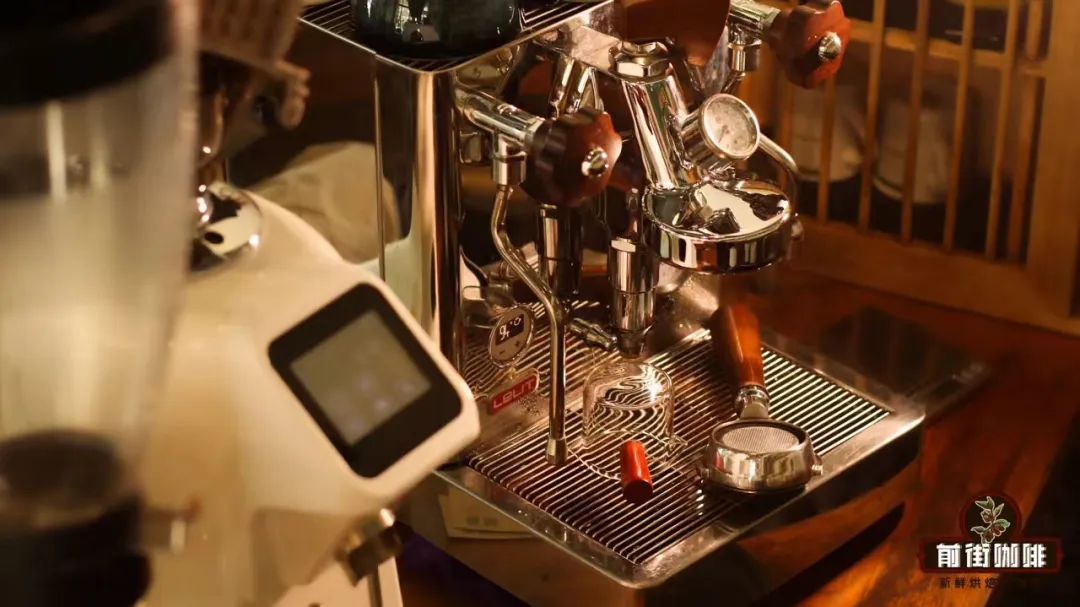
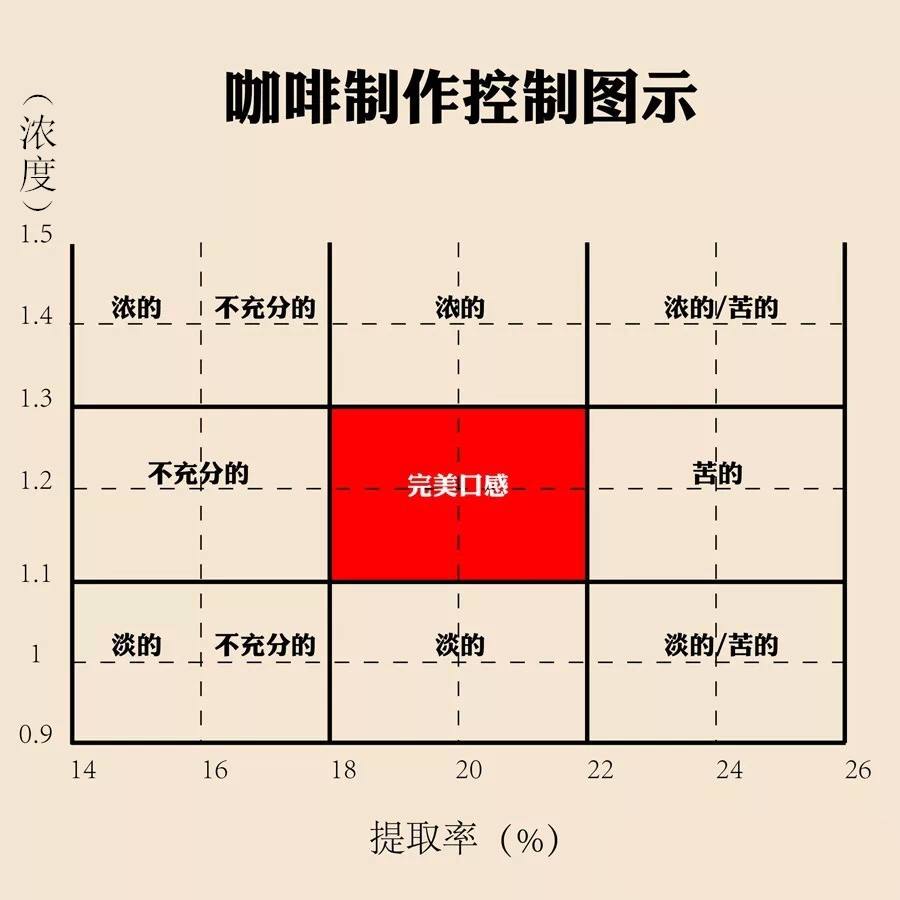
So, what constitutes an ideal extraction? Although most home setups lack professional concentration-measuring tools, we can still refer to the widely accepted “Golden Cup Standard” as a guideline. This standard emphasizes a balance between extraction yield and concentration, aiming to extract the right amount of desirable compounds from the coffee while avoiding over- or under-extraction. Even without specialized instruments, by mastering variables such as coffee-to-water ratio, time, and grind size, you can still approach this ideal state.
Next, let’s take a closer look at the four main parameters that influence espresso extraction:
1. Grind Size: This is the primary factor affecting flow rate and extraction uniformity. The finer the coffee is ground, the greater the resistance to water flow, naturally lengthening extraction time. Conversely, if the grind is too coarse, water flows too quickly, resulting in under-extraction. Additionally, particle size uniformity is extremely important. If there is a large disparity in particle sizes, uneven puck density after tamping can lead to over-extraction in some areas and under-extraction in others, causing an imbalanced overall flavor. Therefore, choosing a grinder with precise grind size adjustment capabilities is fundamental to successful home extraction.
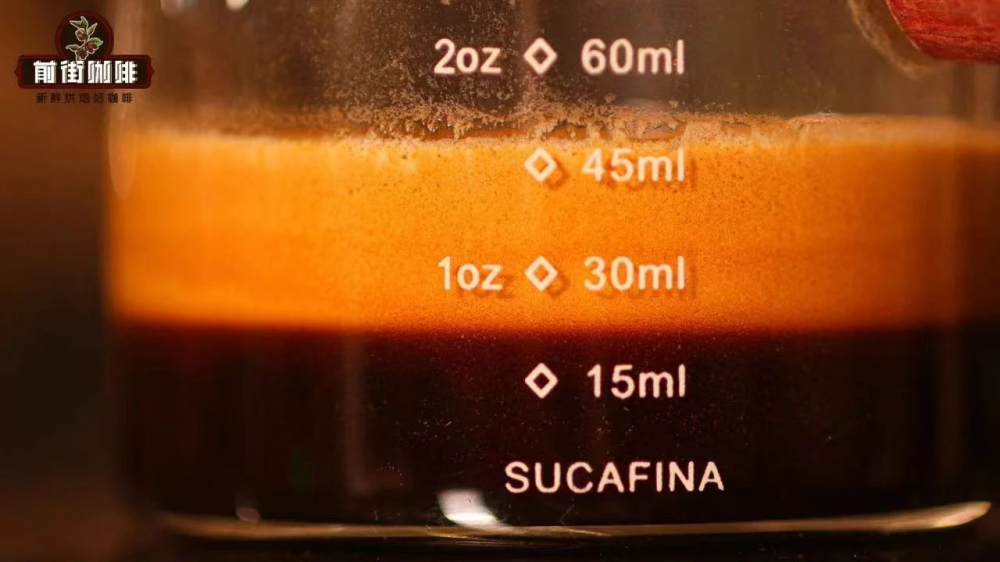
2. Coffee-to-Water Ratio: This refers to the ratio of the weight of coffee grounds used to the weight of the final extracted coffee liquid. A common standard ratio is 1:2—for example, using 20 grams of coffee grounds to produce 40 grams of espresso. This ratio often provides a balanced point between concentration and flavor expression. While baristas in the past often relied on observing changes in crema color (from dark brown to golden and then to pale) to determine the end of extraction, it’s now recommended to combine coffee-to-water ratio with actual flavor assessment for a more comprehensive judgment, balancing data with sensory evaluation.
3. Extraction Time: It is generally recommended to fall within the range of 25 to 30 seconds. This time frame allows sufficient dissolution of the desirable compounds in the coffee without over-extracting bitter elements. Under a fixed coffee-to-water ratio, if the extraction time is too short, it usually indicates a fast flow rate, potentially leading to under-extraction and a weak-tasting coffee. If the time is too long, over-extraction may occur, resulting in burnt, bitter, or astringent aftertastes. If your coffee tastes overly bitter, try adjusting the grind to be coarser or reducing the dose. If the flavor is too thin, you can make the grind finer or slightly increase the dose.
4. Dose and Liquid Weight: The choice of dose is usually related to the capacity of the portafilter basket being used, commonly available in single and double designs. Most home machines use double baskets, with doses typically ranging between 18 to 22 grams. The amount of liquid produced affects the concentration and mouthfeel of the espresso. It’s recommended to adjust the final output volume based on drinking preferences (e.g., whether milk is added) and observe its impact on overall flavor.
These four parameters influence one another. For instance, when adjusting grind size, you should also evaluate whether the extraction time falls within the ideal range and check whether the final coffee’s concentration and flavor meet expectations. In practice, it’s advisable to adjust only one variable at a time, record each parameter combination along with its corresponding flavor outcome, and gradually build your own extraction database to find the golden combination that best suits your taste and equipment.
Additionally, since most home espresso machines are less stable in terms of pressure and water temperature compared to commercial models, choosing a well-balanced espresso blend with a moderate roast level can effectively improve the margin for error in overall extraction. Blends typically combine beans from different origins, highlighting a stable foundation of caramel, nuts, and chocolate through medium to dark roasting. They not only offer a variety of flavor layers but are also better able to withstand flavor fluctuations caused by minor parameter adjustments.
In summary, accurately mastering these four parameters and understanding their interrelationships is the key to successfully brewing a delicious espresso at home. Without expensive equipment, anyone who puts in the effort to adjust and observe can enjoy a professional-level coffee experience in their own kitchen.
The above content is compiled by CoffeeHunters, a coffee news website.


