







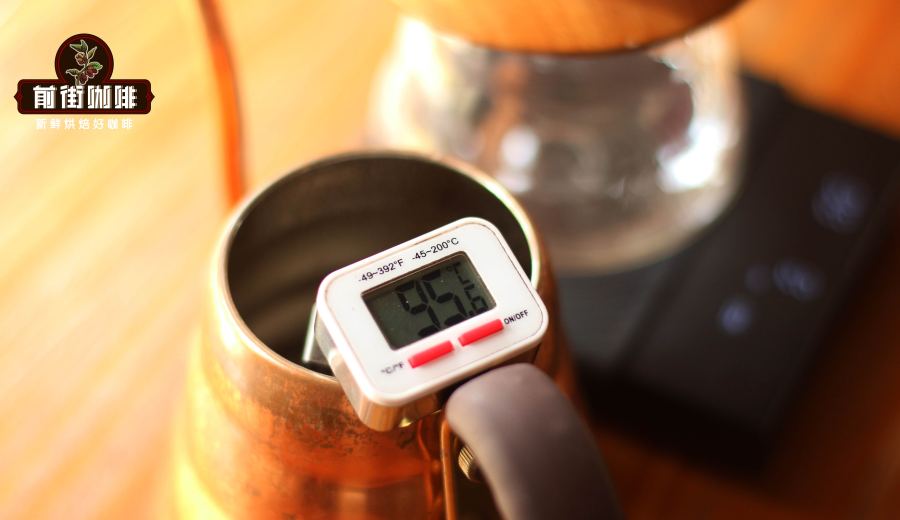
Introduction:The water temperature setting for pour over coffee has always been a hot topic among coffee enthusiasts. But did you know? There is actually a noticeable difference between the temperature of water in the kettle and the actual extraction temperature. This article uses measured data to deeply analyze the optimal temperature range for beans of different roast levels, reveals the relationship between water temperature and flavor, and shares practical methods to control extraction temperature by adjusting pouring height, helping you brew your ideal flavors more precisely.
What temperature of water should be used for pour over coffee? The generally recommended range is 86°C to 93°C. Lighter roasts suit higher temperatures, while darker roasts are better with slightly lower ones. But you may not have realized that the initial water temperature in the pour over kettle does not equal the actual extraction temperature that the coffee grounds come into contact with. According to test data, when brewing with an initial water temperature of 90°C, the actual extraction temperature of the coffee grounds layer is only between 84.5°C and 86°C. This article will take you deeper into understanding the real relationship between water temperature and extraction, and provide practical tips to help you more accurately grasp brewing parameters and optimize coffee flavors.
Typically, we recommend using higher water temperatures for lighter roasted coffee beans, such as 91°C to 93°C, as this better highlights acidity and layers of flavor. For medium to dark roasted beans, due to more thorough caramelization reactions that can easily release heavier bitter substances, a water temperature of 87°C to 88°C is more suitable to avoid excessive off-flavors. However, even with the same beans, different water temperature settings may lead to subtle changes in flavor. Sometimes seemingly different temperatures may result in similar flavor profiles, which is actually closely related to the actual extraction temperature.
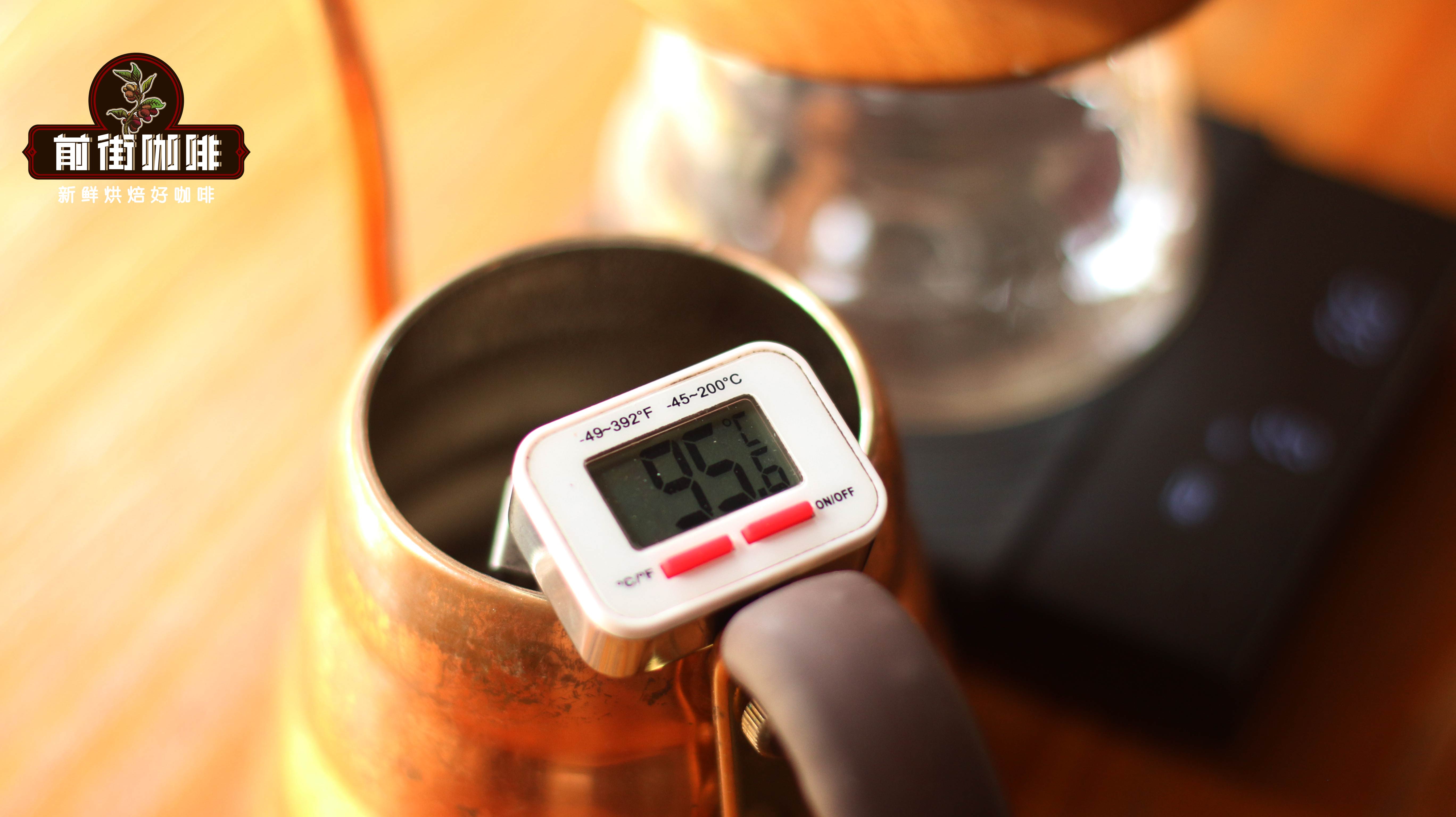
What we often refer to as the “brewing water temperature” usually means the initial temperature of the water in the pour over kettle. For example, if you plan to use 91°C water to brew coffee, you just need to heat the kettle water to 91°C and then start brewing. But it’s important to note that when hot water comes into contact with the coffee grounds, the actual temperature often drops. To verify this, the experiment directly measured the temperature change within the coffee grounds layer using a thermometer. The results showed that when using an initial water temperature of 90°C, the temperature of the grounds layer could reach 85°C at the beginning of the bloom, but during subsequent pouring and blooming, the temperature gradually decreased and stabilized between 84.5°C and 86°C, peaking at only 86.2°C.
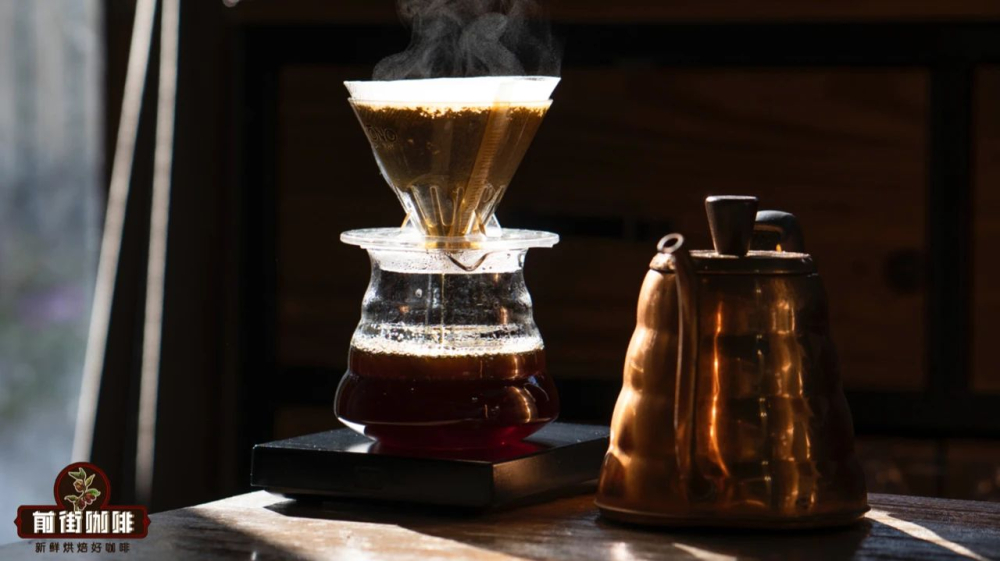
In another set of experiments, brewing was done using water with an initial temperature of 93°C. The grounds layer temperature rose to 86.3°C at the start of the bloom. After the first pour and blooming phase, the temperature dropped to 83°C, then rose again during the second pour, eventually stabilizing between 85°C and 88°C, with a peak temperature of 88°C. Comparing these two sets of data reveals that although the initial water temperatures differed by 3°C, the difference in actual extraction temperature was less than 3°C. Even so, there were still distinguishable differences in flavor performance.
So why does such temperature loss occur? The main reasons include heat absorption by the coffee grounds, heat dissipation from the filter material, and thermal energy loss as hot water contacts the air. These factors combined cause the water temperature to drop by approximately 4°C to 5.5°C from the moment it leaves the kettle spout to when it contacts the coffee grounds. A simple and effective way to reduce this heat loss is to adjust the pouring height.
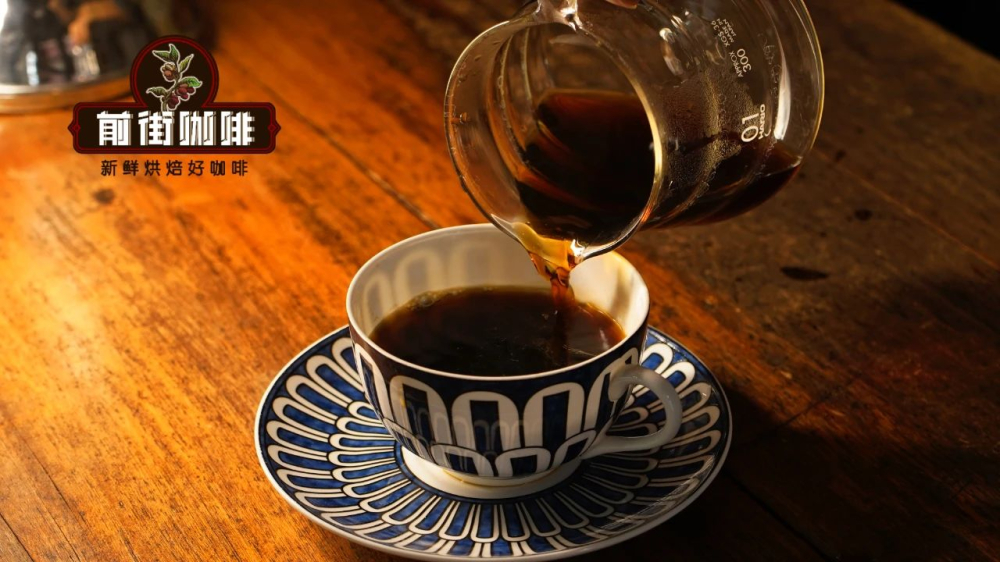
Under normal circumstances, our pouring height during pour over is about 3 to 4 centimeters. But the experiment found that if the pouring height is increased to 7 to 8 centimeters, even when using the same initial water temperature of 93°C, the change in the grounds layer temperature becomes closer to the effect of brewing with 90°C water. Experimental data shows that after raising the pouring height, the grounds layer temperature reached 87°C during the bloom, then stabilized between 84°C and 86.7°C during pouring, with a maximum temperature of 87°C. Both the temperature curve and flavor performance are closer to the results of brewing with a lower initial water temperature.
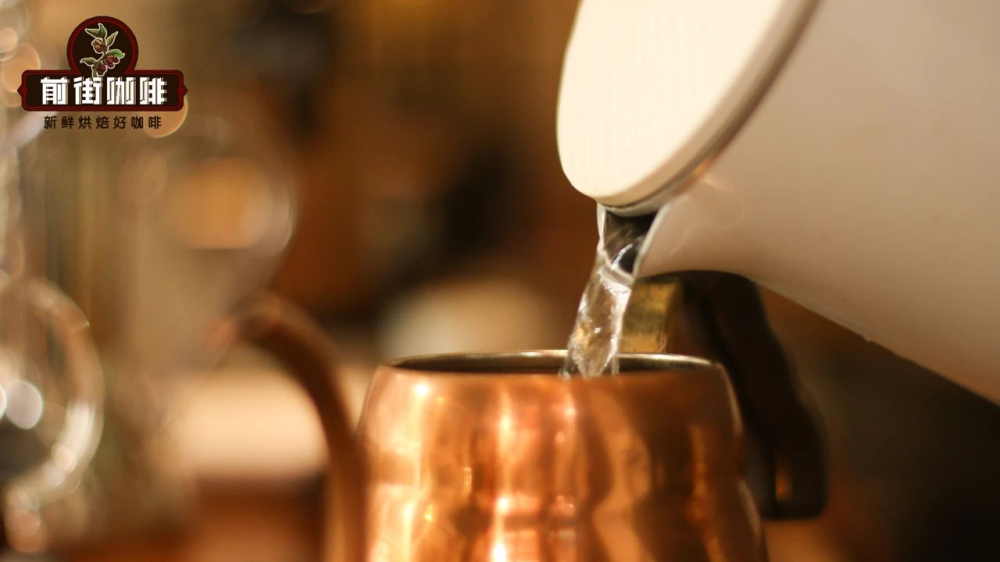
This phenomenon indicates that by adjusting the pouring height, we can indirectly control the actual extraction temperature without changing the initial water temperature setting, thereby influencing the final flavor expression. This also explains why some coffee enthusiasts prefer low pouring close to the liquid surface, while others like a high water stream — different pouring methods are actually pursuing different extraction temperatures and flavor balances.
In daily brewing, it’s unlikely that we’ll measure the grounds layer temperature each time. Therefore, the most controllable and stable parameter remains the water temperature in the pour over kettle. But understanding the difference between the initial water temperature and the actual extraction temperature can help you set brewing parameters more confidently. Whether you’re chasing the bright acidity of a light roast or the rich body of a medium to dark roast, you can more accurately adjust water temperature and pouring methods to brew coffee that suits your taste.
The above content is compiled by CoffeeHunters, a coffee news website.


