







Introduction:To brew rich and balanced coffee with a moka pot, grind size, coffee bed packing, and tamping technique are all key factors. This article takes an in-depth look at the ideal coffee grind texture for a moka pot (between fine salt and espresso fine), the best way to fill the coffee chamber, and how to tamp correctly to avoid channeling and over-extraction. Whether you're a beginner or a frequent brewer, you'll learn practical tips to elevate your coffee's flavor.
The ability of a moka pot to brew delicious coffee hinges on the grind size, amount of coffee used, and tamping method. Many users often wonder: How much coffee should be put in the chamber? Do you need to tamp? How hard should it be? And how fine should the grind be? This article starts by explaining the relationship between the chamber capacity and the amount of coffee, then guides you through the ideal grind size for a moka pot—somewhere between standard espresso fine and fine salt—and details why it’s recommended to fill the chamber to the water level. It also discusses the channeling and uneven extraction issues that can arise when using too little coffee. Additionally, we’ll share techniques for leveling and light tamping when reducing coffee amount, and warn about the heating safety risks of applying too much pressure.
Moka pots available on the market come in various sizes, such as two-cup, three-cup, and even large eighteen-cup models. These size differences mainly reflect the volume of the coffee chamber. In other words, how much coffee you should use depends on the size of your moka pot’s chamber. The simplest way to judge is to pour whole, unground coffee beans into the chamber until they reach the rim, then grind those beans—the resulting amount is the optimal coffee quantity.
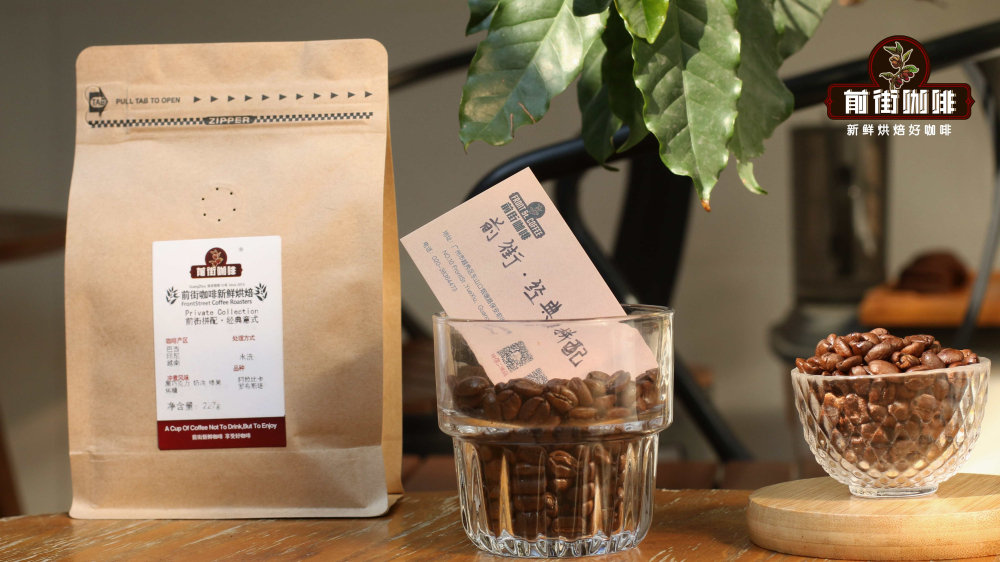
The moka pot uses pressurized extraction, which is fundamentally different from typical drip brewing methods. Therefore, the choice of coffee beans should also consider their suitability for this extraction style. If you prefer a coffee with a rich body and noticeable crema, you can choose a bean blend with a good balance of oils and aroma. For example, a classic Italian blend offers notes of caramel and butter on the palate, layered with flavors of nuts, cocoa, and dark chocolate, delivering a bold yet balanced profile with a moderately bitter and lingering finish. This blend also contains a small amount of Robusta beans, which help enhance the brightness and golden color of the crema. However, thanks to careful proportioning, it doesn’t overpower the overall harmony of the flavor.
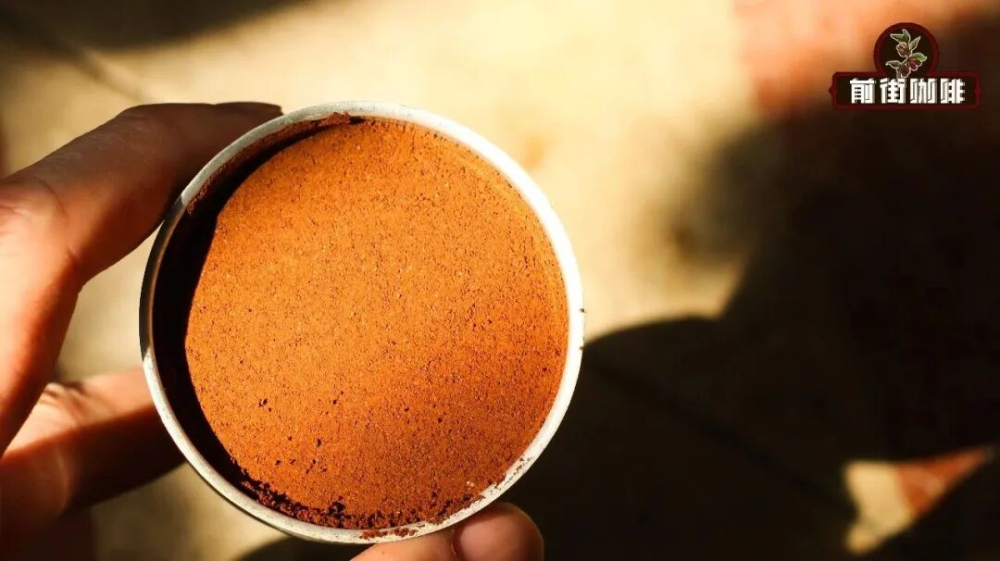
For moka pot brewing, the recommended coffee grind size is similar to that of fine salt, but slightly coarser than the very fine grind typically required for traditional espresso machines. This grind size helps prevent clogging of the spout and maintains stable extraction pressure. You can test the grind by pinching it between your thumb and index finger—if it feels fine yet still has a slight granular texture, it’s just right.
When filling the moka pot’s coffee chamber, it’s best to fill it as much as possible. Compared to using only half the chamber, a full chamber provides better extraction results. If the chamber is only half-filled, the water encounters less resistance as it passes through the coffee layer, often resulting in a lighter, less intense cup. So while it’s not absolutely necessary to completely fill the chamber, using too little coffee can compromise the flavor of the brew.
The principle is simple: the less coffee you use, the lower the resistance the water faces as it moves through the coffee bed, which shortens the extraction time and can lead to under-extraction and a sour taste. At the same time, the water tends to flow through the bottom part of the coffee bed, causing over-extraction of the lower coffee grounds and producing unwanted bitterness.
No matter which brewing method you use, water has “inertia” and will always seek the path of least resistance—that’s what we call “channeling.” When there’s not enough coffee in the chamber, not only is the overall resistance reduced, but more gaps are left at the top of the coffee bed, causing the water to bypass the coffee grounds as it rises and go directly into the upper chamber. This leads to incomplete extraction in those areas and affects the overall flavor balance.
If you wish to use a smaller amount of coffee when brewing with a moka pot, you can follow these steps: After adding the coffee grounds to the chamber, gently shake it side to side to let the grounds settle naturally, allowing the particles to pack more tightly. Then, using the back of a small spoon, lightly “press” the coffee bed down to about half its original height—there’s no need to tamp it down too firmly.
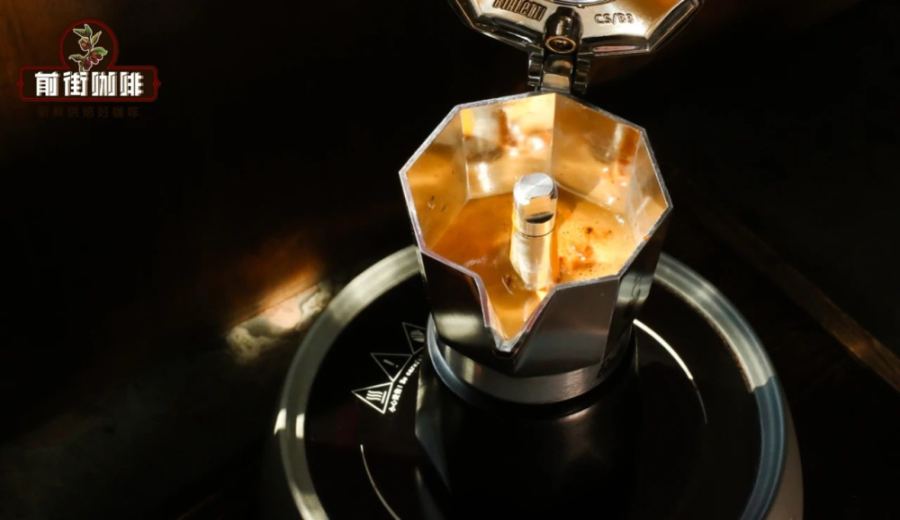
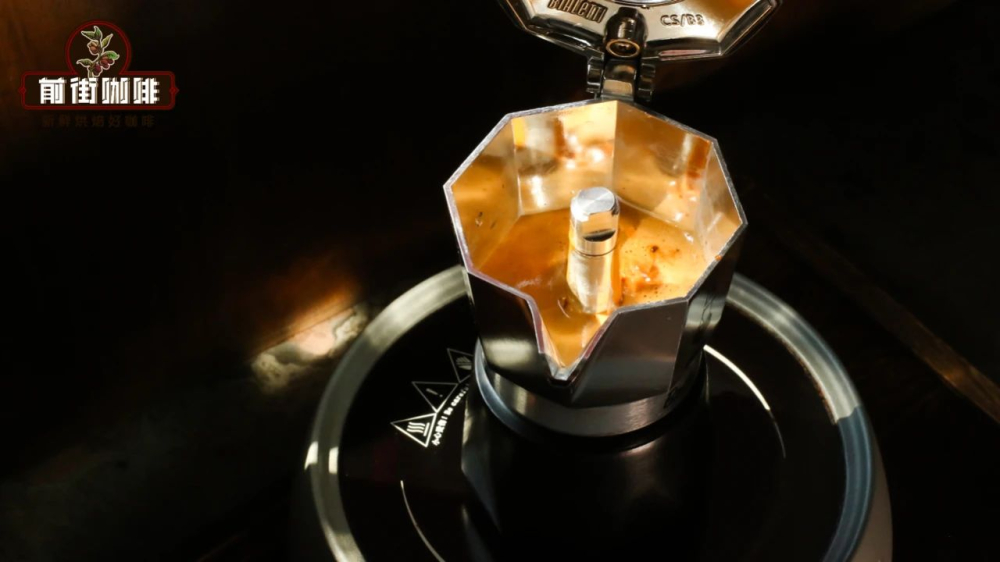
To avoid over-extraction caused by prolonged contact between hot water and an overly thin coffee layer, it’s recommended to pour about half the capacity of hot water into the lower chamber before adding the coffee grounds. This reduces heating time, and once the coffee begins to flow and fill the bottom chamber, you should immediately remove the moka pot from the heat source and let the residual heat complete the rest of the extraction.
This adjustment not only helps prevent splattering due to excessive pressure but also produces a bit of delicate crema and enhances the overall intensity of the coffee. In practical tests, using this method with the aforementioned blend produced a moka pot coffee that, when used in an iced latte, showcased distinct cocoa and cream flavors, with a smooth mouthfeel and well-balanced layers.
Finally, a crucial reminder: always tamp gently. Tamping too hard can prevent water from properly penetrating the coffee puck, leading to abnormally high pressure during heating. This not only affects extraction but may also pose safety risks. Of course, some users worry that not tamping at all might worsen channeling and cause the coffee to erupt. Therefore, it’s best to follow the gentle tapping and light pressing method described above—it ensures stable extraction while maintaining both safety and flavor quality.
The above content is compiled by CoffeeHunters, a coffee news website.


