








Introduction:Freshly roasted coffee beans are full of vitality, but they may also suffer from poor extraction and muted flavors due to excessive carbon dioxide. Understanding the resting and degassing principles of espresso blends allows you to grasp the golden time window—not only unlocking optimal flavor, but also avoiding harshness and off-notes. This article delves into the resting period, degassing steps, and uses the classic Indonesian Mandheling as an example, providing practical pour over parameters and tips to help you brew a rich, balanced cup.
Many specialty coffee enthusiasts have heard the term "degassing," but did you know it’s actually different from "resting"? Just as wine benefits from decanting to soften tannins and enhance complexity, coffee beans also undergo a self-adjustment period after roasting, allowing internal carbon dioxide to gradually release in order to fully express their most complete and smooth flavors.
After roasting, coffee beans retain about 2% of their total weight in carbon dioxide. These gases initially hinder thorough contact between hot water and coffee grounds, leading to uneven extraction, potentially muted flavors, and even unwanted bitterness or harshness.Generally, a resting period of 4 to 7 days after roasting is recommended, as this allows internal pressure to stabilize and lays a solid foundation for subsequent extraction.
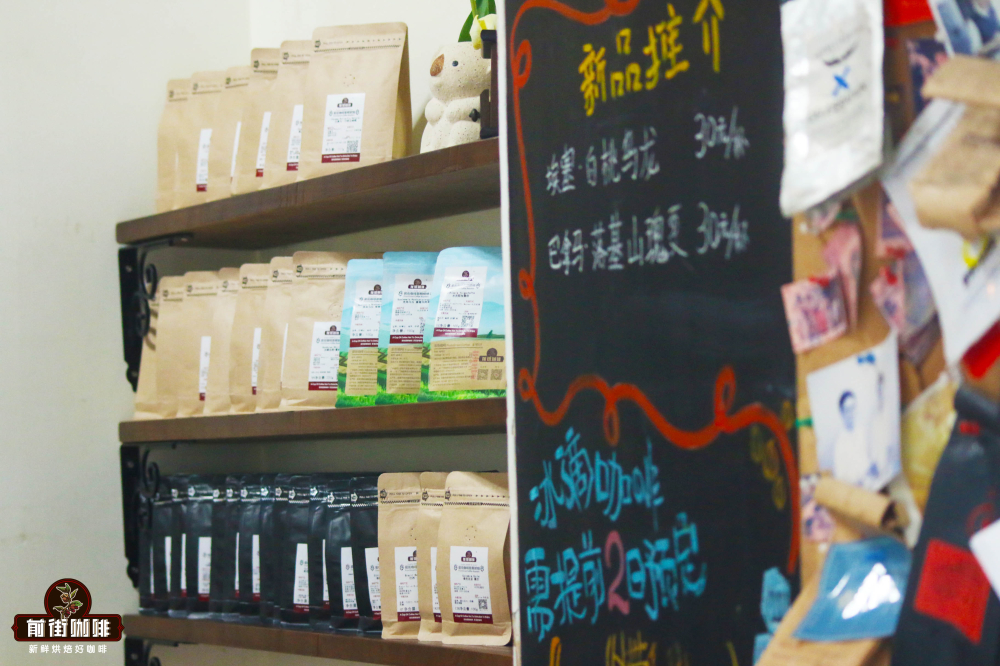
Many coffee beginners, upon purchasing "freshly roasted" beans for the first time, often hope to taste them immediately. But in reality, even freshly roasted coffee beans require a period of "resting" to achieve their best flavor. Especially for dark-roasted blends, which have a looser structure and take longer to release carbon dioxide, it’s advisable to extend the resting period to over a week.
It’s worth noting that while freshly roasted coffee boasts enticing aromas, these aromas gradually diminish as carbon dioxide is released. If left too long, not only will the flavors become bland, but the overall performance will also significantly decline.It’s recommended to use the beans within one month after roastingto enjoy the most ideal flavor experience.
Take the Mandheling from Sumatra, Indonesia, as an example. This classic dark roast blend is typically processed using the wet-hulled method, resulting in a rich, bold profile with herbal and spicy notes. However, without proper resting and degassing, over-extraction or unbalanced flavors can easily occur during brewing.

The name "Mandheling" actually originated from a misunderstanding by Japanese soldiers during World War II of the local ethnic groups in Sumatra. Originally intended to describe the unique-flavored coffee of the region, a linguistic mix-up left us with the iconic name "Mandheling." While this bean is often polarizing due to its intense flavor, the correct resting and brewing methods can reveal its rich and nuanced side.
Sumatra’s humid climate and frequent rainfall make traditional sun-drying or washed processing difficult, leading to the development of the unique "wet-hulled" method. In this process, the parchment layer is removed before the beans are fully dry, allowing the green beans to be directly exposed to air for continued drying. While this speeds up processing, it can also introduce woody or earthy notes, making proper roasting and post-processing essential for enhancing flavor clarity.

Common Indonesian Mandheling is usually medium to dark roasted to highlight its bold body and low acidity. Those who prefer brighter acidity may opt for a light roast, but should pay attention to flavor balance and adjust brewing methods accordingly. Regardless of roast level,proper resting and degassing remain key to flavor expression.
For actual pour over brewing, it’s recommended to use a KONO filter, with water temperature around 88°C, a coffee-to-water ratio of 1:15, and about 15 grams of coffee. Start with a 30-second bloom using 30 grams of hot water—this step helps release carbon dioxide from the coffee grounds, also known as the "degassing" process. Then, pour with a fine stream in circular motions from the center outward, first reaching 125 grams, then adding up to 225 grams. Keep the total extraction time around 2 minutes for a balanced, rich cup.
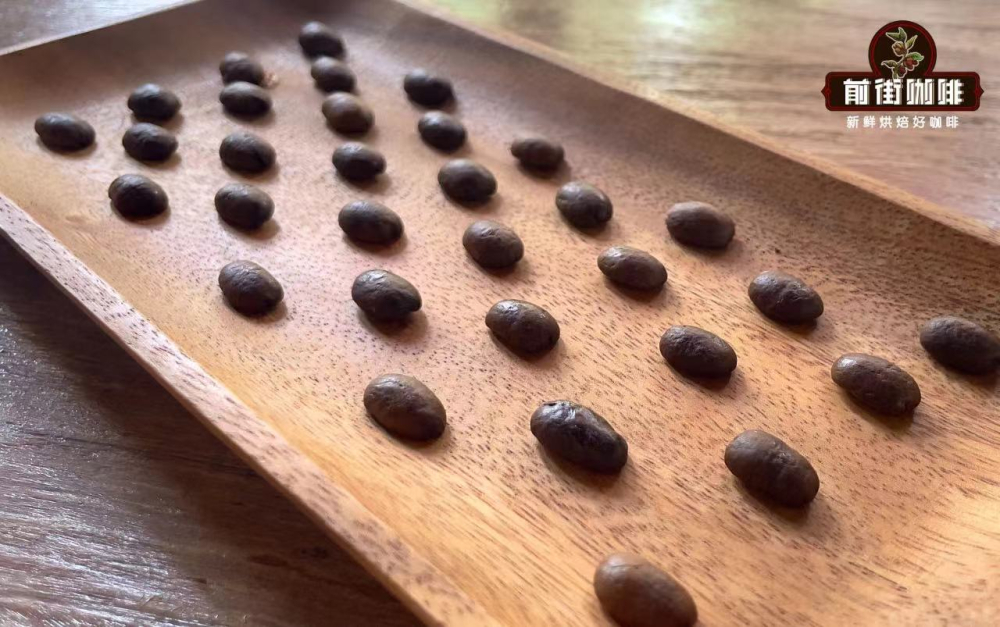
If you don’t have a grinder at home, pre-ground coffee is an option, but note that once ground, coffee’s surface area exposed to air increases significantly, causing rapid flavor loss. Therefore,if you choose pre-ground coffee, brew it as soon as possible without the need for a resting periodto capture the optimal flavor window.
The above content is compiled by CoffeeHunters, a coffee news website.


