








Introduction:Although freshly roasted coffee beans are highly aromatic, brewing them immediately often fails to bring out their optimal flavors. Understanding the principles and practical applications of coffee bean resting periods, as well as mastering the relationship between carbon dioxide release and flavor development, allows you to more precisely enjoy the layered profiles of pour over or espresso. This article delves into the ideal resting times for different roast levels, storage considerations, and common misconceptions about preservation, helping you brew ideal coffee from beginner to advanced levels.
Upon receiving freshly roasted coffee beans, many people are eager to open the package and brew right away to enjoy that enticing aroma. However, like wine, coffee beans require a “resting period” for their flavors to fully develop. Brewing too early not only fails to showcase the complete flavor profile but may also negatively affect extraction due to excessive residual carbon dioxide. This article will explain why coffee beans shouldn’t be used immediately, define what a resting period is and the factors that influence it, and how to store them properly to extend their peak enjoyment window.

Many beginners, upon buying coffee beans, are always impatient to open the package and try brewing. In a market atmosphere that emphasizes “freshness,” some even believe that the closer to the roast date, the better — ideally enjoying the beans as soon as they come out of the roaster. But in reality, freshly roasted beans contain large amounts of carbon dioxide. These gases not only interfere with water and coffee grounds contact but can also make the coffee taste rough and distinctly “grassy.” Allowing an appropriate resting time helps achieve more rounded and balanced flavors.
Coffee beans produced by one particular brand are typically shipped within five days of roasting and naturally rest during transit for four to seven days, ensuring that by the time they arrive, they have entered a stable flavor phase and are ready to enjoy. This arrangement retains freshness while avoiding the excessively active carbon dioxide release stage.
Why do coffee beans need to rest? The key lies in how the roasting process alters the internal structure of the beans. High-temperature roasting causes the beans to expand, loosens their cell walls, and generates a significant amount of carbon dioxide. It has been observed that freshly roasted coffee beans can contain up to two percent of their total weight in carbon dioxide, which, within the first twelve hours, is retained due to internal pressure preventing oxygen entry. Subsequently, carbon dioxide continues to be released over several weeks, with the rate of release closely related to roast level: dark roast beans, having a more porous structure, generally take longer to degas.
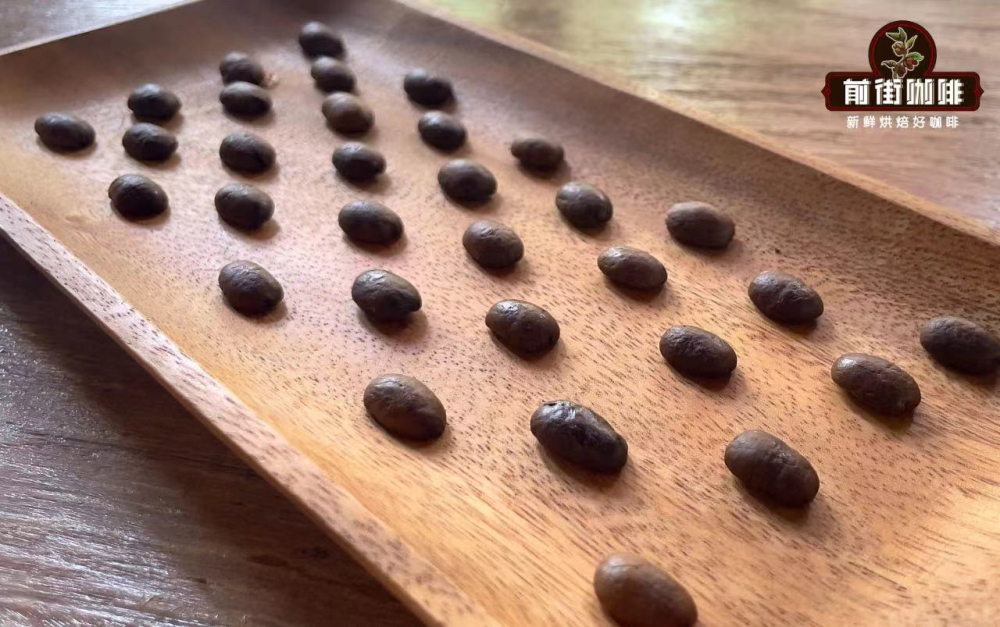
However, the process of carbon dioxide release also involves the loss of some flavor compounds. Some coffee enthusiasts find that although beans stored for a month have rested properly, their flavor becomes dull — this is precisely because volatile aromatic compounds escape along with the gases. Therefore, it is recommended to consume the beans within one month of roasting to achieve the best flavor expression.
So, does fresher coffee mean better coffee? The answer is no. Beans that haven’t been properly rested, due to excessive internal pressure, can impede full contact between hot water and coffee grounds, leading to under-extraction and incomplete flavor development. Especially when making espresso, overly fresh beans may result in unstable emulsification of the crema, affecting both latte art and the subtlety of the taste.
Many coffee lovers habitually buy coffee beans in large quantities and consider refrigerating them to extend shelf life. But in reality, the temperature and humidity fluctuations in home refrigerators can easily cause the beans to absorb moisture or odors, accelerating flavor deterioration. The correct approach is to store coffee beans in a cool, dry, and airtight environment, using packaging bags with one-way valves that allow carbon dioxide to escape naturally while preventing oxygen from entering and accelerating oxidation.

Some users notice that after resting for a while, dark roast bean packages may naturally swell, tempting them to squeeze out excess gas to save space. But it’s important to note that these gases include not just carbon dioxide but also some remaining flavor compounds. The one-way valve design automatically releases gas when pressure gets too high and slows the release once stabilized, helping prolong the beans’ freshness. It’s recommended to avoid manually squeezing the bag and let the beans naturally reach their optimal state.
If you don’t have a grinder, you might opt for pre-ground coffee. But be aware that ground coffee has a vastly increased surface area exposed to air, causing flavor compounds to dissipate rapidly. As such, coffee powder neither needs nor benefits from long-term resting. To retain the most flavor, it is advisable to buy whole beans and grind them yourself with your own grinder just before brewing, in order to fully experience the nuanced layers of the coffee.
Resting coffee is not just about waiting — it's also a process of observing the transformation of its flavors. Some people are drawn to the bright fruit acids and floral notes within the first week of roasting, while others prefer the more rounded and mellow profile after three weeks. Don’t hesitate to experiment with brews at different resting stages to find your personal golden resting period.
The above content is compiled by CoffeeHunters, a coffee news website.


