







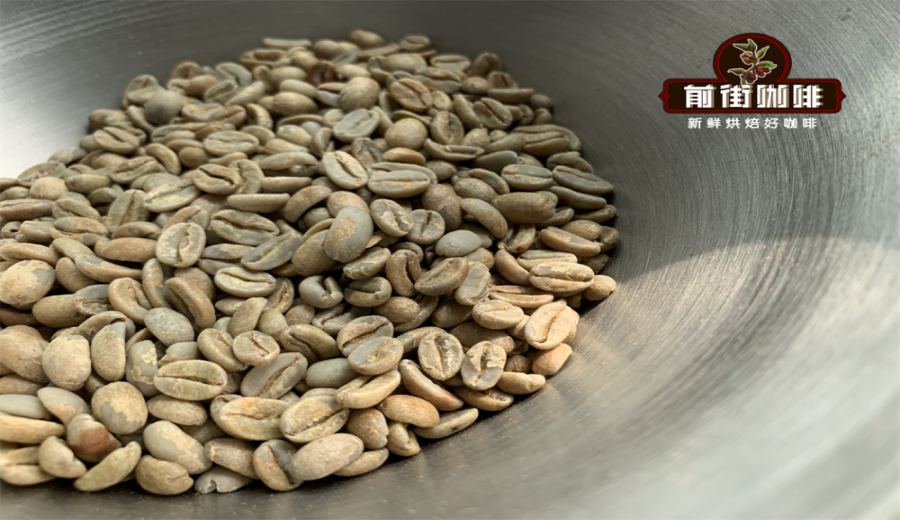
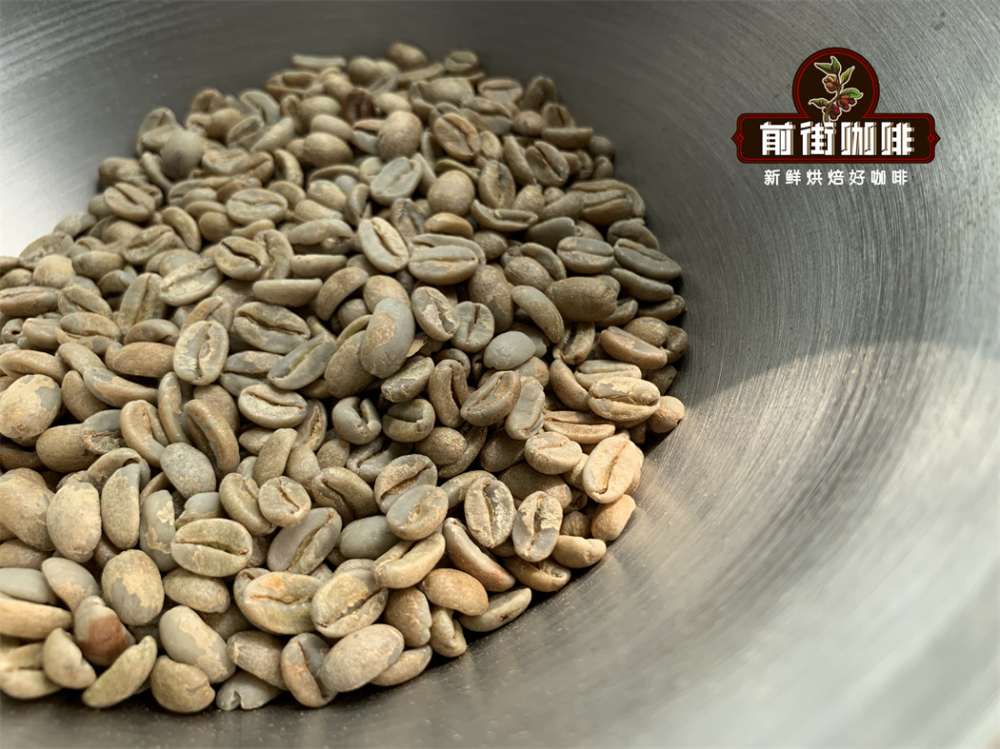
Introduction:Want to brew Ethiopia's Gesha Village Red Label coffee with citrus, floral, and tea-like notes at home? This article starts with the origin of the Gesha variety, delves into the founding history of Gesha Village and the uniqueness of the Red Label grade, and details its natural processing method, roasting profile, and professional cupping results. Finally, it provides practical pour over parameters and flavor guidance to help you master the charm of this top-tier coffee step by step.
Gesha coffee is renowned for its delicate floral aroma, rich fruit acidity, and honey-like finish. The origin of all this can be traced back to Ethiopia's Gesha Forest. Over time, the Gesha variety spread to Panama and shone brightly, but its true homeland is actually Gesha Village in southwestern Ethiopia. Today, this estate not only revives the original potential of the Gesha variety but also produces multiple high-quality coffees through rigorous cultivation and processing. Among them, the Red Label batch stands out with its excellent cost-performance ratio and clear, bright flavors, making it a top choice for many coffee enthusiasts.
The birth of Gesha Village stems from the connection between a couple of directors and a coffee expert. In 2007, documentary filmmakers Adam Overton and his photographer wife Rachel Samuel were shooting a coffee-themed documentary in Ethiopia's southern Bench-Maji region when they unexpectedly discovered the Gera Coffee Forest, rich in wild coffee resources. This journey inspired them to establish their own coffee estate. In 2009, after interacting with renowned BOP judge and Mule Mountain Farm owner Willem Boot, they decided to deeply explore the roots of the Gesha variety, eventually arriving in the Bench-Maji region in 2011—the location of the Gesha Forest near the South Sudan border.
At that time, the land was still barren, but with Willem Boot's help, Adam discovered wild Gesha trees in the surrounding jungles, particularly in the forest known as Gori Gesha, where he found trees that might be the closest to the original Gesha genetics. They immediately began a planting plan and officially established Geisha Village Coffee Estate in 2011. This 475-hectare estate is not only a restoration base for the Gesha variety but also adopts meticulous management, with the planting area divided into eight blocks and three main Gesha varieties: Gesha1931, Gori Gesha, and Illubabor.
Gesha Village saw its first harvest in 2015 and met international buyers the following year. In 2017, the estate held its first international auction, offering 21 micro-lots, most of which were 120 kg batches, attracting specialty coffee buyers from around the world. The final auction prices set a new record for African green coffee, showcasing its exceptional quality. Unlike most smallholder farms in Ethiopia, Gesha Village is a large-scale professional farm with its own washed processing facilities and laboratory, focusing solely on the Gesha variety to ensure consistent and stable flavors.
Gesha Village currently offers multiple grades of coffee, including auction-grade, Gold Label, Red Label, Green Label, and CHAKA. Among them, the Red Label grade is widely praised for its clear flavors and high cost-performance ratio. Red Label coffee must have full traceability and a cupping score of SCA 88 or above, showcasing the typical flavor profile of Gesha Village. Cupping results show that the Red Label batch exhibits rich citrus notes, honey sweetness, and delicate floral aromas, along with bright African acidity. Although its overall complexity is slightly lower than the Gold Label, it still offers high drinking value and distinctiveness.
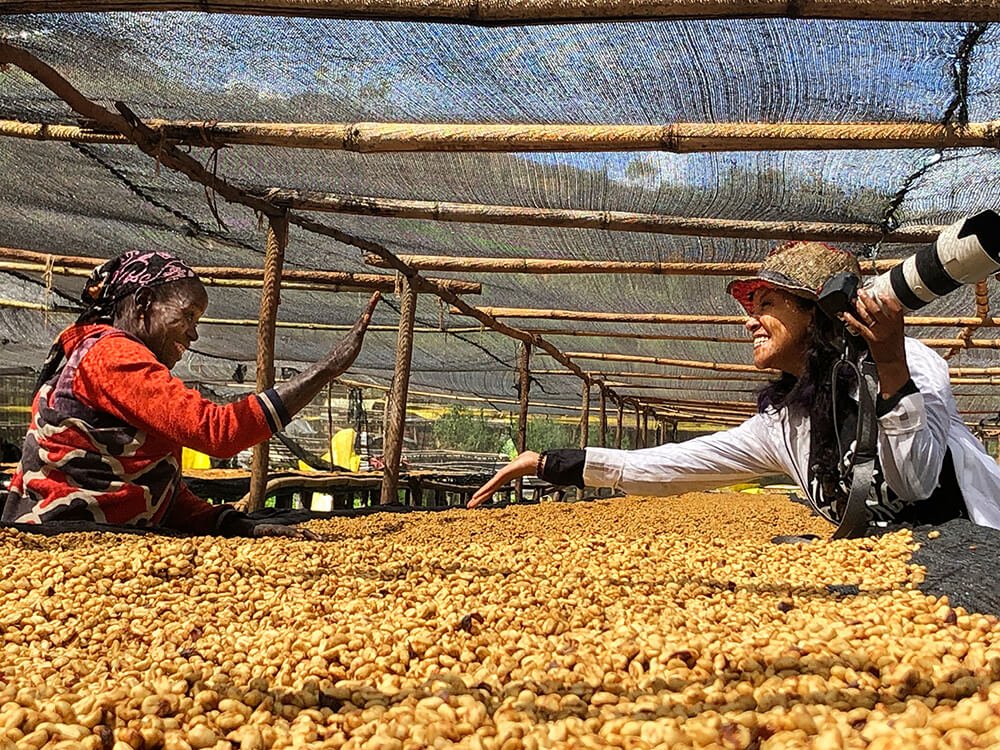
In terms of processing, the Gesha Village Red Label coffee used by the industry is the estate's refined natural version. During processing, defective beans and impurities are first removed, then the coffee cherries are evenly spread on African-style raised beds in thin layers for sun drying, covered with protective materials to prevent overexposure. The cherries are frequently turned and sorted during drying to ensure even drying and the removal of unripe or moldy beans. The total drying time is about 18 to 30 days. This method preserves more sugars and fruity aromas, resulting in a coffee with rich fruit tones and soft acidity.
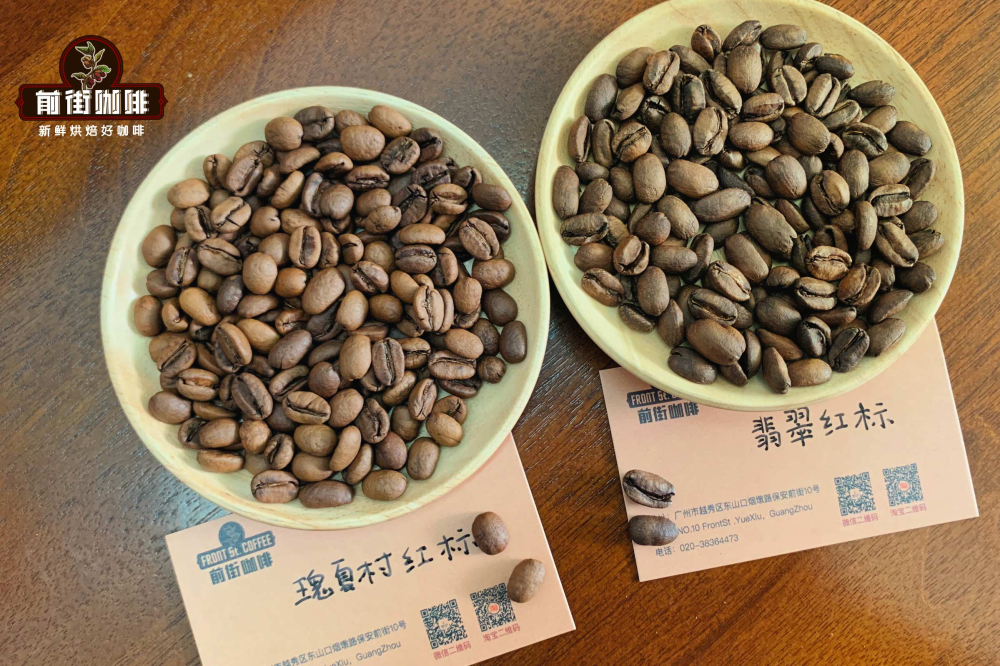
For roasting, the industry uses a medium-light roast strategy for the 2020 crop of Gesha Village Red Label to highlight its fruit sweetness and bright acidity. Using a Yangjia 800N roaster, the charge temperature is set at 175°C, with an initial flame of 130 and damper at 3. After the turnaround point, the flame and damper are gradually adjusted. Once the bean surface turns yellow and grassy notes disappear, it enters the main drying phase. It then moves into the Maillard reaction and first crack stages, finally dropping the batch about one and a half minutes after the first crack begins, with a drop temperature of around 193.5°C, ensuring balanced and layered flavors.
For actual pour over brewing, it is recommended to use 15 grams of coffee grounds with 225 grams of water, at a 1:15 coffee-to-water ratio, ground to a pour over fine setting (about 78% through a 20-mesh sieve), with water temperature controlled at 90°C. The brewing steps involve wetting the filter and preheating the equipment, then pouring 30 grams of water for a 30-second bloom. Follow with a slow circular pour to 125 grams for the first drawdown, then continue pouring to 225 grams after the water level drops. Finally, wait for the flow to slow before removing the filter, with a total extraction time of about 2 minutes. These parameters help fully showcase the Red Label Gesha's citrus, creamy, tea-like, and delicate fermentation aromas, while maintaining a clean mouthfeel and good aftertaste.
In summary, Gesha Village Red Label coffee not only inherits the classic characteristics of the Gesha variety but also delivers a drinking experience with bright acidity, rich fruitiness, and tea-like notes through refined natural processing and well-executed roasting. With the right brewing method, you can enjoy this top-tier Ethiopian highland coffee flavor at home.
The above content is compiled by CoffeeHunters, a coffee news website.


