







Introduction:To brew a balanced and layered espresso, the key lies in mastering the four major extraction parameters: dose, grind size, extraction time, and coffee-to-water ratio. This article delves into how these parameters influence espresso flavor and recommends four blends suitable for both cafés and home use. These options will help you select the ideal beans and settings based on different needs, crafting your desired coffee taste.
To create a well-balanced, layered espresso at home or in a café, the key is to precisely control and adjust the four core extraction parameters: dose, grind size, extraction time, and coffee-to-water ratio. These variables interact with each other, affecting not only extraction efficiency but also directly determining the final flavor profile. This article explains in detail how to adjust these elements to gradually find the most suitable extraction recipe for your taste, and recommends four commonly available and consistently performing espresso blends that suit cafés of different profiles or home users.
What constitutes an ideal espresso extraction? Simply put, it’s about using water to effectively extract enjoyable flavor compounds from coffee grounds while minimizing negative flavors caused by over-extraction or under-extraction. About 30% of coffee bean components are water-soluble, but only around 20% of those contribute positive attributes such as bright acidity, aroma, and sweetness—the rest are large molecular compounds that often lead to woody or bitter tastes. Therefore, the focus of extraction is to “take the essence and leave the dregs,” achieving the extraction yield and concentration range recommended by the Golden Cup Theory.
In practice, although many variables can affect extraction results—such as machine pressure, water temperature, puck evenness, and distribution technique—for most users, the four most frequently adjusted and impactful core parameters are: dose, grind size, extraction time, and coffee-to-water ratio. These four factors are closely interlinked and mutually balancing, forming the foundation of daily dial-in for any barista.
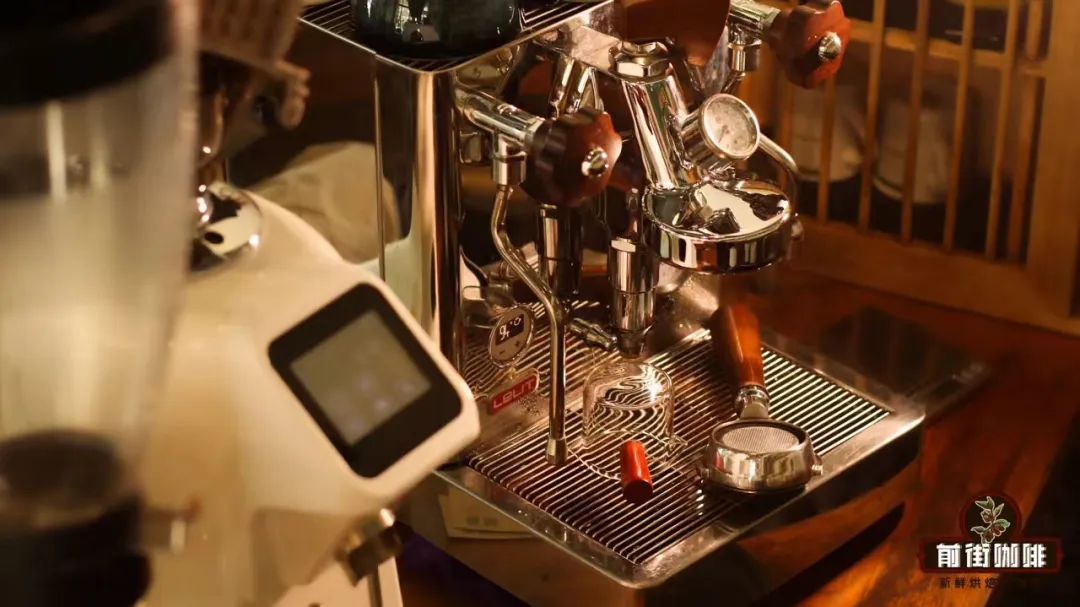
First is grind size, the most direct factor influencing flow rate during extraction. The finer the coffee is ground, the greater the resistance water faces when passing through, naturally lengthening extraction time; conversely, overly coarse grinds result in too fast a flow, often leading to under-extraction. Additionally, grind uniformity is extremely important—if particle sizes vary, uneven puck density after tamping can cause localized over- or under-extraction. Therefore, choosing a grinder that offers stable and finely adjustable grinding is the first step toward consistent extraction. In practice, even adjusting the dose by just 1 gram without fine-tuning the grind size may result in extraction time differences of several seconds.
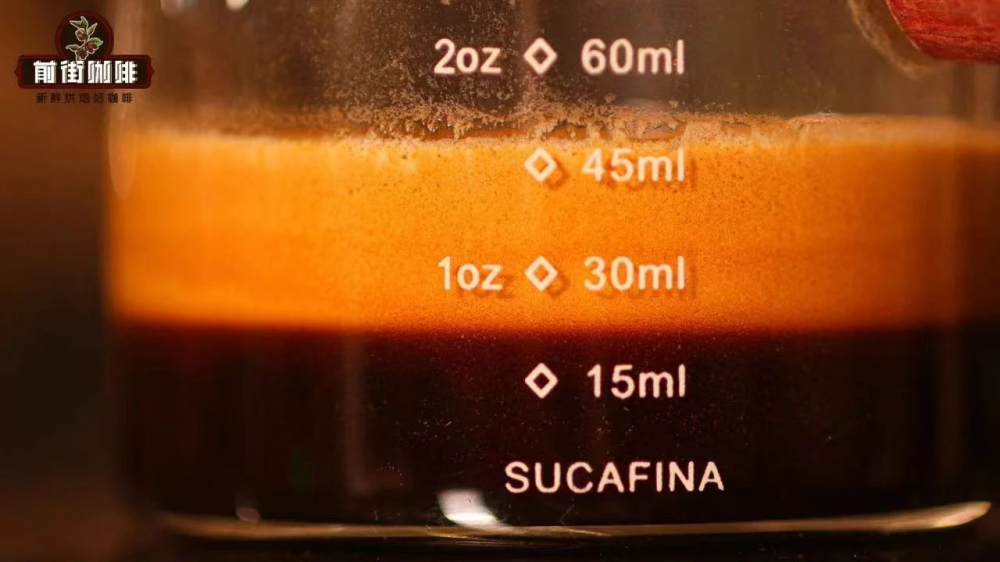
Next is the coffee-to-water ratio, which refers to the weight ratio between the coffee grounds used and the final extracted liquid. A common reference ratio is 1:2—for example, using 20 grams of coffee to produce 40 grams of espresso. This ratio is widely regarded as striking a good balance between concentration and flavor expression. Although in the past many baristas relied on observing crema color changes (from dark brown to golden or even white) to judge the end of extraction, today there is a stronger preference for data-driven control to ensure stability and consistency in every shot.
As for extraction time, it is generally recommended to fall within the 25 to 30-second range. This duration allows for the full extraction of positive flavors from the coffee while avoiding the excessive release of undesirable compounds. It’s important to note that extraction time isn’t fixed—it’s influenced by multiple factors including grind size, dose, and tamp pressure. If, under the same coffee-to-water ratio, the coffee tastes overly burnt or smoky, it usually indicates the extraction time is too long. In this case, try adjusting to a coarser grind or fine-tuning the dose. Conversely, if the coffee tastes too thin or lacks complexity, it may be under-extracted. In that case, consider grinding finer or slightly increasing the dose, then observe whether the extraction performance improves.
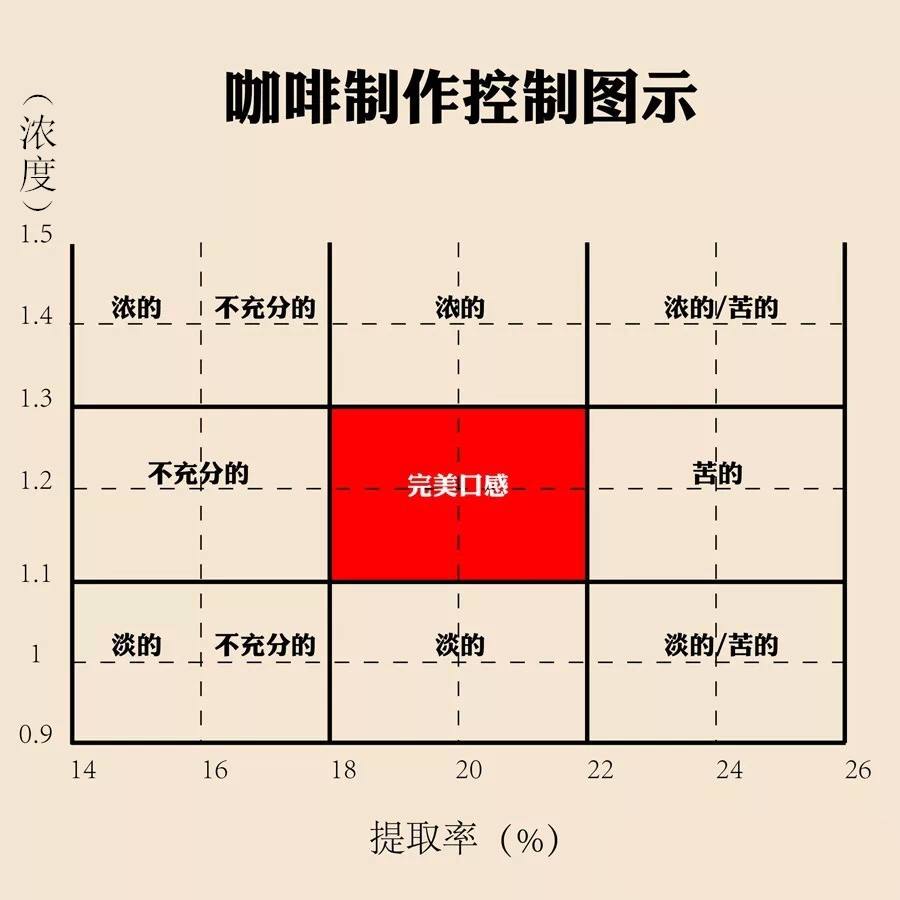
These four parameters—dose, grind size, extraction time, and coffee-to-water ratio—are closely interconnected, and any change in one can trigger a chain reaction. Therefore, adjustments should be made with a comprehensive view of extraction speed, flow stability, and final flavor expression, gradually identifying the optimal combination. For those new to espresso, it’s recommended to fix two or three of these variables first, then fine-tune the remaining ones to more accurately understand how each parameter affects flavor.
Finally, for those looking to open a café or home baristas using home espresso machines, selecting a stable and flavorful blend is especially important. Since home machines are generally less stable than commercial ones, it’s advisable to prioritize medium to dark roasted blends, which offer more forgiving flavor profiles and higher tolerance to extraction parameter variations. Below are four commonly available and highly practical types of espresso blends for readers to consider based on their own needs:
Classic Bold Type: A blend of washed Robusta, washed Colombia, and semi-washed Brazil, this is a dark roast profile. The espresso has a rich, golden crema, with a pronounced roasted aroma and creamy mouthfeel. The bitterness transitions into a lingering aftertaste, making it suitable for consumers who prefer a bold flavor.
Mildly Acidic Bold Type: Combining washed Yunnan small beans with semi-washed Brazil, this blend features a gentle acidity with plum-like notes. The espresso presents caramel and nutty aromas, making it ideal for users who prefer a balanced, mildly acidic flavor. It’s also considered a high-value option by many baristas.
Balanced Rich Type: Based on Colombia and semi-washed Brazil, this blend emphasizes chocolatey and caramel sweetness. It delivers a full-bodied and stable flavor, suitable for cafés seeking balance along with roasty notes.
Delicate Winey Type: A mix of Ethiopian natural red cherry and Honduran sherry cask-fermented beans, this espresso offers distinct vanilla, cream, and wine aromas. The aftertaste is long-lasting with caramel sweetness. Whether brewed as a straight shot or paired with milk, it showcases rich layers of flavor.
The above content is compiled by CoffeeHunters, a coffee news website.


