







Introduction:After winter arrives, many pour over coffee enthusiasts find that even when using their familiar extraction parameters, the brewed coffee tastes duller and lacks the same mouthfeel as before. This is not due to a change in the quality of the coffee beans, but rather because the drop in ambient temperature causes the actual brewing water temperature to decrease, which in turn affects extraction efficiency. This article will delve into how cold air impacts water temperature during the pour over process and offers a simple yet effective solution—slightly increasing the water temperature by 1–2°C—to help you brew coffee with your desired flavors even in the cold season.
As temperatures gradually drop, many pour over enthusiasts begin to notice that, even though they’re using the same coffee beans, the same grind size, and the same pouring technique, the resulting coffee just doesn’t have the same soul. The aroma isn’t as vibrant, and the body feels a bit thin. What’s going on?
In fact, the issue likely lies in an unnoticed “change in water temperature.” When ambient temperatures decrease, especially during the cold winter months, hot water poured from the pour over kettle loses some of its heat as it comes into contact with the surrounding air before reaching the coffee grounds. This means there is a subtle but critical difference between the water temperature you set and the actual temperature of the water that interacts with the coffee grounds.
For example, if you originally set the water temperature to 92°C, in a low-temperature environment—particularly when pouring from a height and with relatively low ambient air temperature—the water may only be around 90°C by the time it finally touches the coffee grounds, or even lower in more extreme cases. Although this temperature difference may seem small, it is enough to affect the efficiency and outcome of coffee extraction.
Extraction efficiency is closely related to water temperature. Generally speaking, the higher the water temperature, the better it is at extracting soluble substances from the coffee, including acidity, sweetness, and body. However, if the water temperature is insufficient, it can lead to incomplete extraction, resulting in muted flavor layers, or even harsh astringency and flat taste.
Therefore, when brewing pour over coffee in winter, it is recommended to make slight adjustments to the water temperature. Typically, increasing the preset water temperature by 1–2°C can effectively compensate for heat loss caused by the colder environment, ensuring that the water contacting the coffee grounds falls within the ideal extraction range, thus maintaining stable extraction performance.
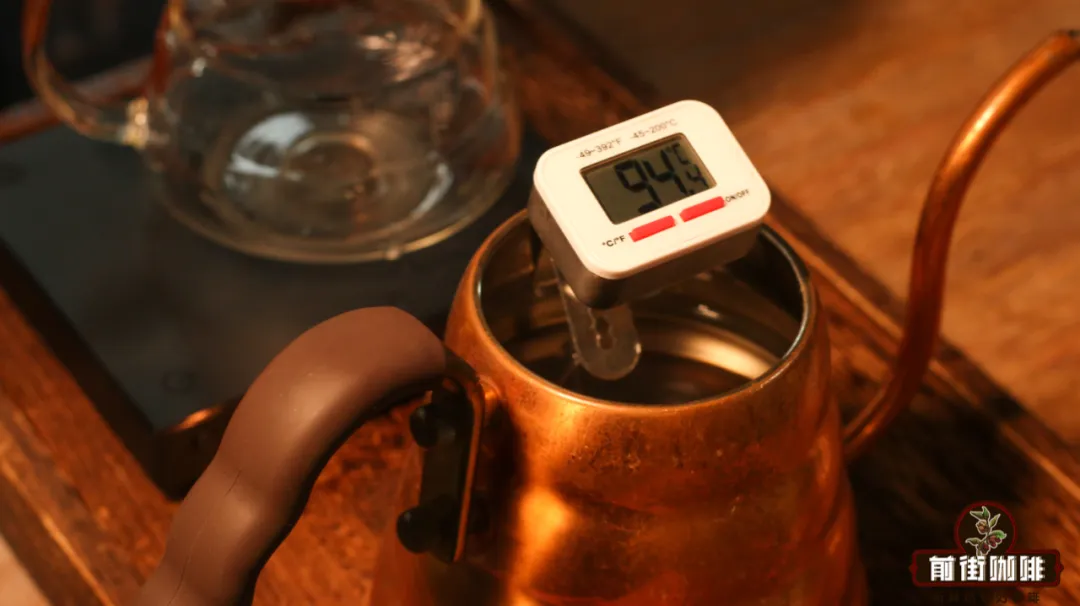
So, how can you determine whether you need to adjust the water temperature? First, you can make an initial assessment based on the current indoor ambient temperature. If your brewing environment is consistently below 15°C—especially in areas without heating—it is advisable to increase the original pour over water temperature by 1–2°C. For example, if you originally use 90°C, you can adjust it to 91 or 92°C; if you were using 93°C, you might consider raising it to 94 or 95°C.
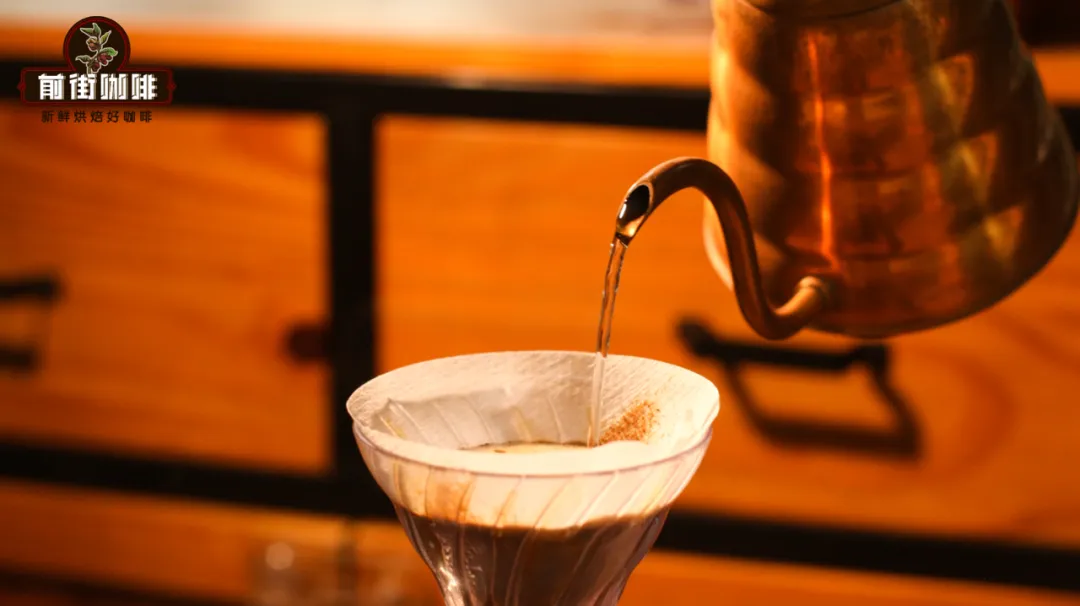
Additionally, the height from which you pour also affects the degree of heat loss. If you usually pour from a high position, the longer the water stays in the air, the more heat it loses. Therefore, in winter, you can also moderately adjust your pouring height, shortening the distance the hot water travels before reaching the coffee grounds, which helps reduce unnecessary heat loss.
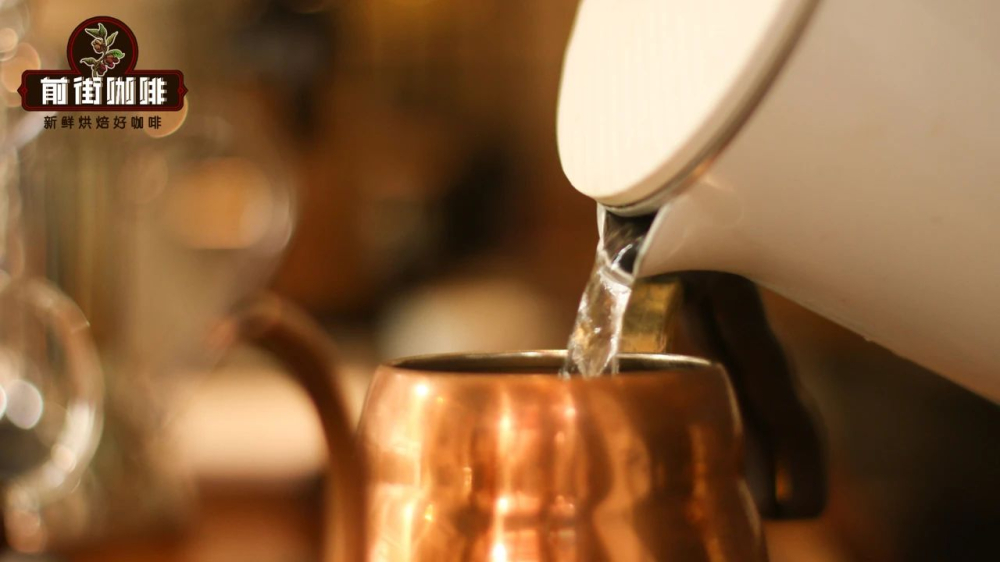
Another practical tip is to preheat the pour over kettle or ensure it is warm before pouring. This can also help slow down the rate at which the water temperature drops. Some coffee enthusiasts even use insulated kettles to store the brewing water, ensuring more stable water temperature throughout the extraction process.
In summary, the reason why your pour over coffee extraction doesn’t perform as expected in winter is often not due to a decline in skill or a change in the beans, but rather the drop in actual water temperature caused by the ambient environment, which affects extraction efficiency. By simply adjusting the water temperature up by 1–2°C and paying attention to your pouring method and kettle insulation, you can effectively solve this issue, allowing you to enjoy a pour over coffee with full flavor and balanced body even on cold days.
Remember, the charm of pour over coffee lies in mastering the details, and water temperature is one element that should never be overlooked. Make timely adjustments so that every cup of coffee can shine at its best.
The above content is compiled by CoffeeHunters, a coffee news website.


