







Introduction:Indonesian Mandheling coffee is renowned for its rich and bold flavor, with PWN’s Golden Mandheling hailed as the top-tier representative. This article delves into the regional characteristics of Golden Mandheling and Lintong Mandheling, the Ateng variety genetics, the impact of the wet-hulling process, and compares their differences in flavor profiles and recommended brewing methods. It also provides practical medium-to-dark roast suggestions and a three-stage KONO filter brewing guide to help coffee enthusiasts grasp the essence of Sumatran coffee.
Indonesian coffee is world-famous for its unique bold and full-bodied taste, and Mandheling stands out as one of its most iconic offerings. Among the various Mandheling products, the “Golden Mandheling” launched by Indonesia’s renowned green bean trader PWN is considered a paragon of specialty-grade coffee. Beyond the inherent advantages of its origin and variety, its distinctive processing method and strict selection standards have cemented this coffee’s unwavering status in the market. This article will detail the features of PWN Golden Mandheling and compare it with another commonly seen Lintong Mandheling, giving readers a comprehensive understanding of their differences and characteristics.
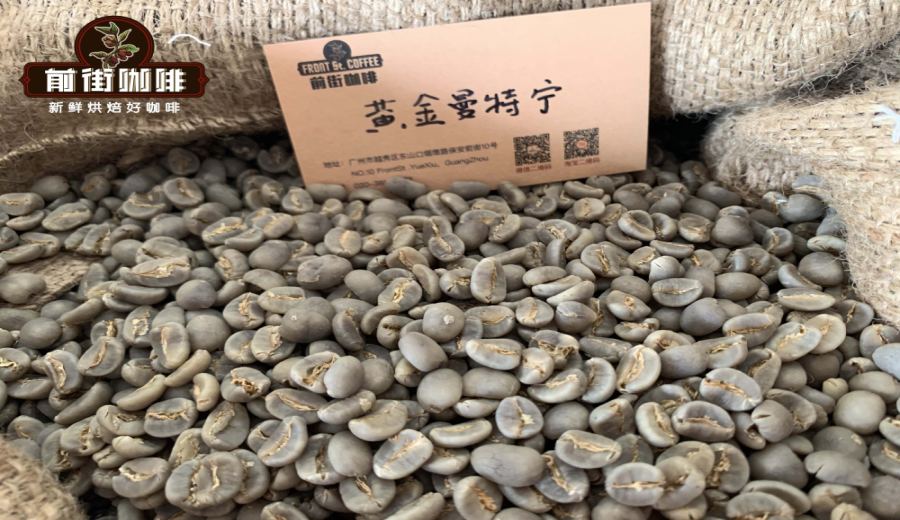
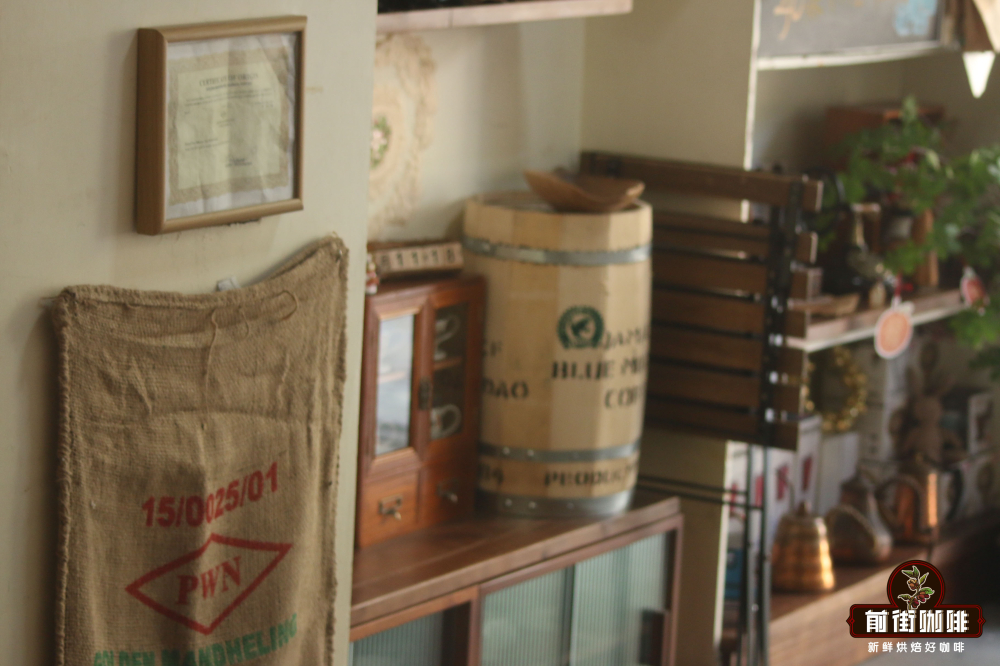
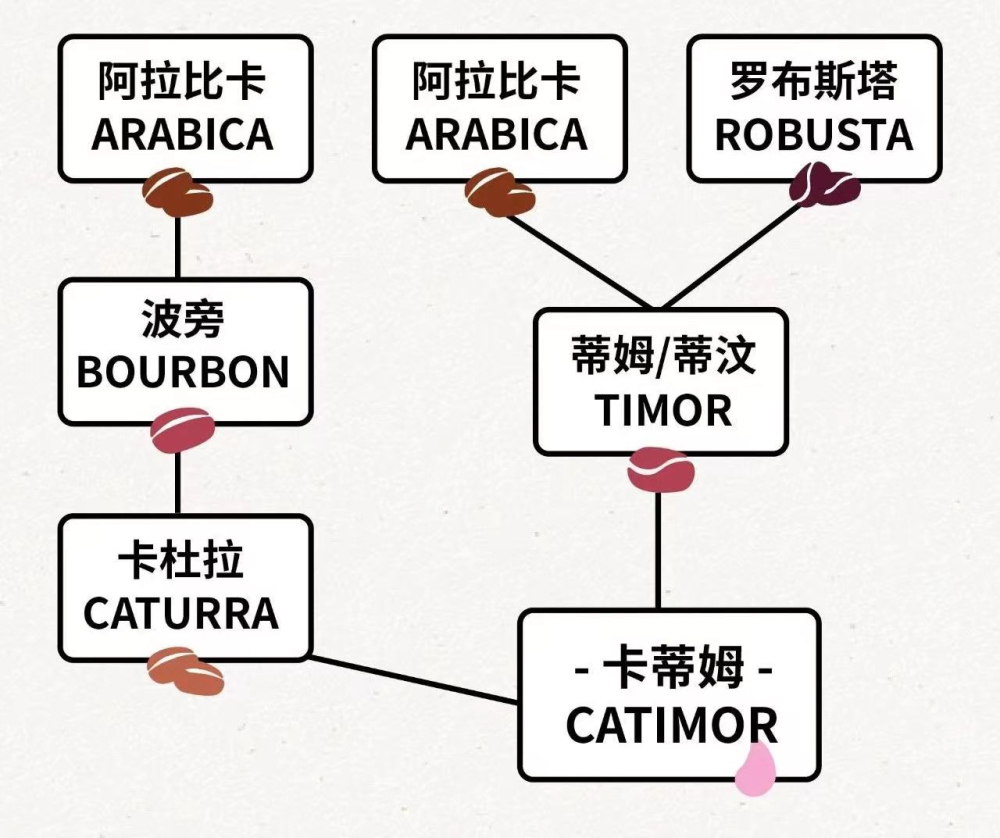
PWN Golden MandhelingThe coffee beans come from the Gayo Highlands in Aceh Province, northern Sumatra, where the altitude ranges between 1100 and 1600 meters—an ideal environment for high-altitude coffee cultivation. The region faced export challenges in earlier years due to political instability, but with stability restored, the coffee produced there in recent years has gradually gained recognition for its quality, even surpassing that of the more common Lintong region. Golden Mandheling uses the locally prevalentAteng variety, which is actually an alias for the Catimor variety, a hybrid of the Bourbon mutation Catuai and Timor. Although Catimor is often criticized for its underwhelming flavor in other regions, in Sumatra’s unique microclimate and under the influence of the wet-hulling process, it showcases a rich woody profile and bold mouthfeel.
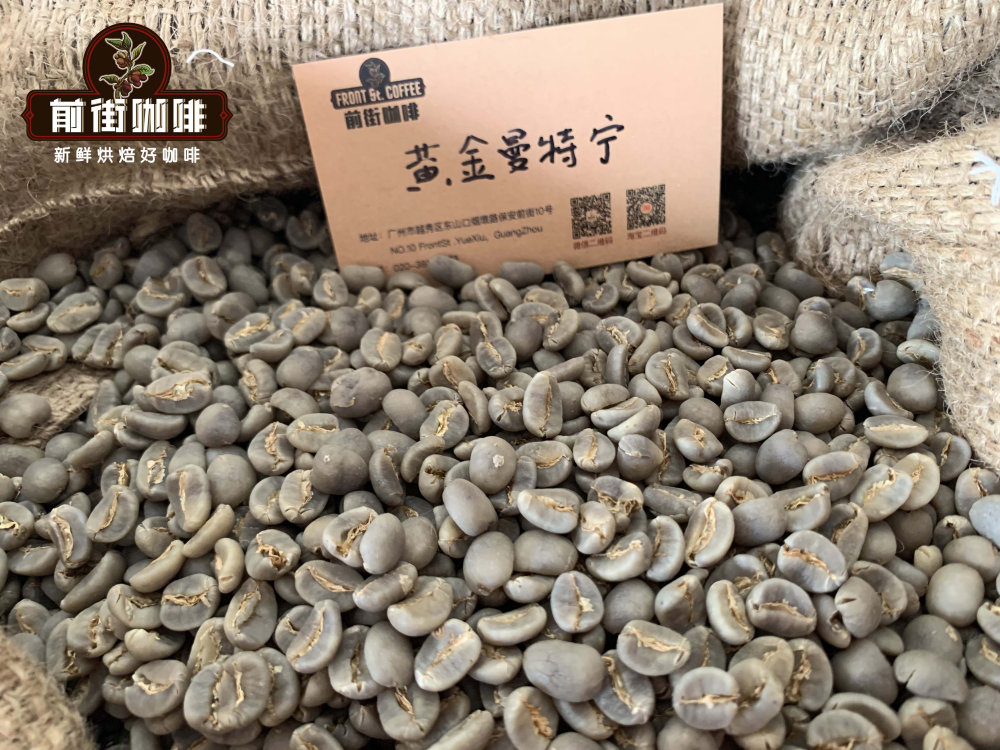
When it comes to Indonesian coffee, its distinctivewet-hulling processmust be mentioned. This method was developed to adapt to the region’s hot and humid tropical rainforest climate, where traditional sun-drying or washed processing methods are prone to mold or over-fermentation. The wet-hulling process involves first removing the coffee fruit’s skin and pulp, followed by a brief fermentation, then initial drying until the beans reach a semi-dry state. At this point, the outer parchment layer is removed, and the drying continues until the overall moisture content drops to 12%. Since the beans remain in a high-humidity environment throughout the process and the protective parchment layer is removed in the final stage, the beans are more prone to absorbing surrounding environmental aromas, resulting in unique composite notes of wood, herbs, and spices.
Compared to the premium positioning of Golden Mandheling,Lintong Mandhelingis seen as a more affordable everyday coffee option. The Lintong region also employs the wet-hulling process, and its roasted profile typically features low acidity, a pronounced body, and distinct grassy and spicy flavors, embodying the classic Indonesian Mandheling character. To allow more consumers to experience the unique charm of Southeast Asian coffee at a reasonable price, many coffee retailers offer Lintong Mandheling in small packages (such as 100g packs) as a daily brew.
Indonesia’s coffee grading system primarily evaluates beans based on defect count and bean size, withG1 gradebeing the highest, requiring no more than 11 defects in a 300g sample. In addition to meeting G1 standards, Golden Mandheling undergoes PWN’s additionalTriple Pick triple-hand-selection processto ensure each green bean achieves an exceptionally high level of purity. Furthermore, before packaging, PWN uses machines to screen for density and color, ensuring the final green beans have a uniform and glossy appearance, further enhancing overall quality.
To fully highlight the bold flavor characteristics of Mandheling coffee, many professional roasters opt formedium-to-dark roasts. This roast level helps bring out aromas of dark chocolate, caramel, and nuts, while enhancing the coffee’s full body. It’s worth noting that a coffee bean’s aromatic compounds gradually diminish over time, so choosing freshly roasted beans is crucial for optimal flavor. It’s generally recommended to select beans roasted within five days for the best drinking experience.
For brewing, when it comes to bold-flavored coffees like Golden Mandheling, theKONO filterpaired with a three-stage pouring method is recommended. Compared to the V60 filter, the KONO’s smoother curved design has weaker airflow, and its straight ribs are only distributed in one-quarter of the filter, encouraging even heat distribution across the coffee grounds during immersion, resulting in a smoother and fuller extraction. This type of filter is also suitable for other bold-flavored coffees, such as Brazilian Queen Estate coffee or Jamaican Blue Mountain No. 1.
Practical brewing parameters are suggested as follows: water temperature controlled at87–88°C, coffee dosage of15 grams, with a1:15brew ratio set tomedium-coarse grind(measured using a Chinese standard No. 20 sieve, with about 70% extraction). The specific brewing steps can be divided into three phases:
The first phase is the bloom pour, adding30mlof hot water to fully saturate the coffee grounds and release CO₂, preparing for subsequent extraction;
The second phase adds100mlof hot water, allowing the coffee bed to fully expand and bring out golden crema;
The final phase uses95mlof hot water for a gentle center pour, helping to enhance the overall sweetness and layered complexity of the coffee.
The above content is compiled by CoffeeHunters, a coffee news website.


