







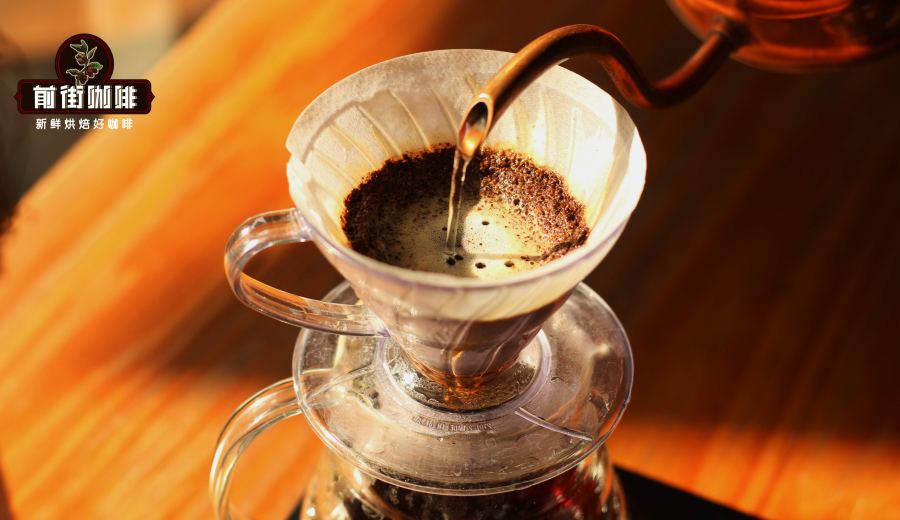
Introduction:The charm of pour over coffee lies in its delicate and layered flavor expression, but to consistently extract an ideal taste, the key lies in mastering the pouring technique and details. This article delves into the seven core elements that influence flavor during the pour over process, including water distribution, blooming techniques, swirling methods, and flow control. It also provides practical extraction parameters for three classic single-origin coffee beans to help coffee enthusiasts develop their own extraction logic and flavor profiles through hands-on practice.
Pour over drip brewing is currently one of the most popular methods for single-origin coffee extraction, capable of clearly showcasing the acidity, aroma, sweetness, and aftertaste layers of coffee with a refreshing yet profound flavor. However, what seems like a simple act of pouring water actually involves many variables, where each detail can affect the final flavor profile. This article will explore in depth the seven key factors in the pour over process—from water allocation, blooming techniques, swirling styles to flow control—comprehensively analyzing how they impact extraction results. Through three representative single-origin coffee beans, it offers practical pour over parameters and operational suggestions to help readers establish personalized extraction ideas.
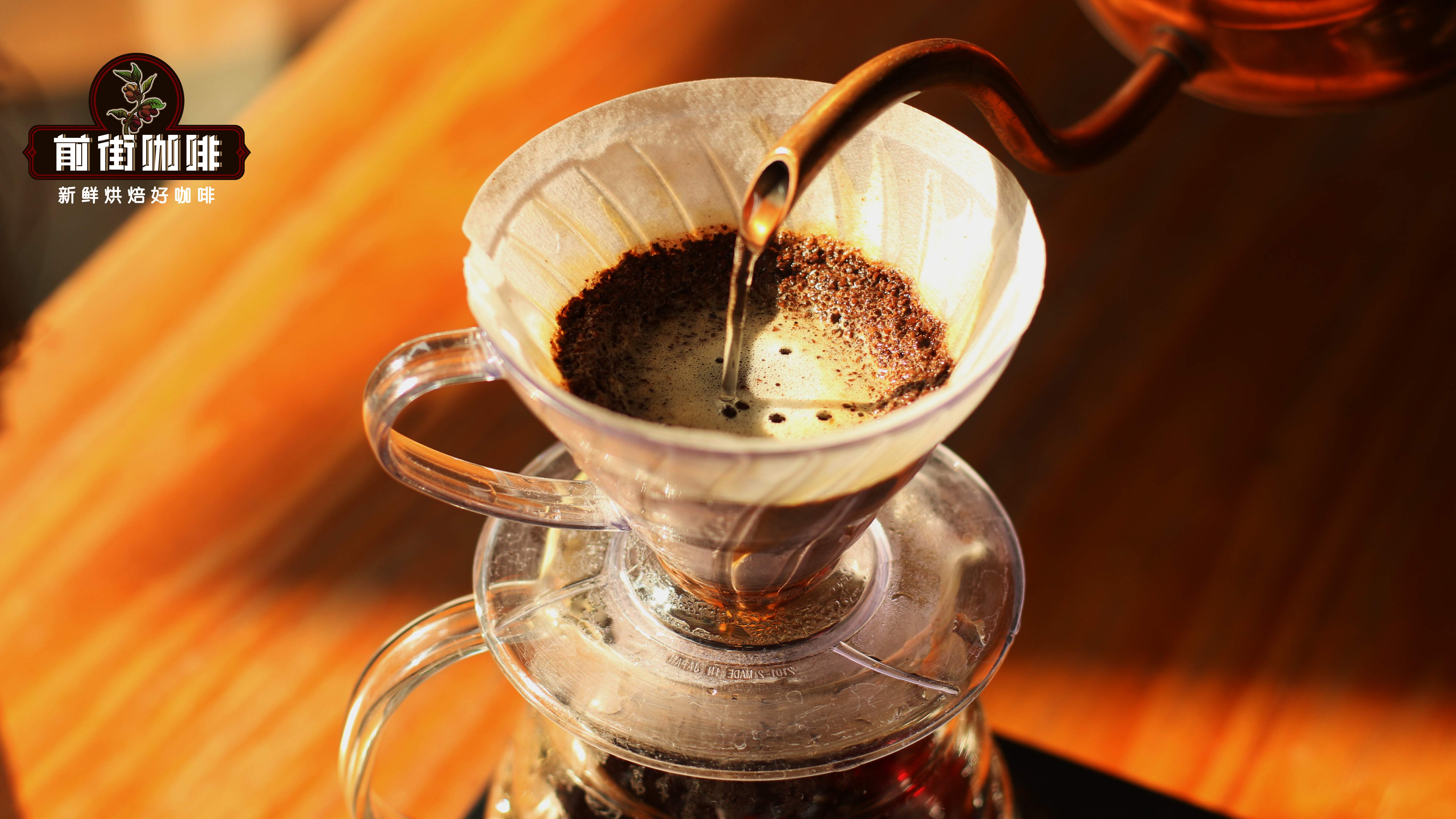
A successful pour over coffee often delivers a clear balance of acidity and sweetness, moderate body, and a lingering aftertaste. It is light on the palate with distinct layers, and this drinking experience is precisely why pour over is beloved by so many coffee enthusiasts. Compared to other brewing methods, pour over places greater emphasis on the operator’s control over details, from brew ratio, water temperature, grind size to pouring technique—each step can alter the personality of a cup of coffee. Among these, the pouring method is especially crucial. It is not just about pouring water in, but rather guiding the even release of flavor compounds from the coffee grounds by controlling the water flow, swirling speed, and range.
Overall, the extraction logic of pour over can be summarized into two core aspects: one is the strategy of water volume allocation, and the other is the execution details of the pouring technique. The interplay between the two determines the final flavor direction of the coffee.
Under the same brew ratio and grind size conditions, how the pouring sequence and water volume are allocated can significantly affect the rhythm of coffee extraction and overall performance. Common approaches can be divided into two mainstream strategies: “single pour” and “triple pour.”
The so-called “single pour” involves pouring the remaining brew water continuously in one go after blooming. This method usually allows the water level to rise quickly, shortening the overall extraction time, and thus often presents a cleaner, more refreshing, and relatively simpler layered flavor. In contrast, the “triple pour” divides the total water volume into three stages and pours them gradually after blooming, which helps extend the extraction time, making the flavor rounder, fuller, and richer in detail. However, if the water volume is unevenly distributed among the stages—such as too much water in the first stage—it may lead to prominent acidity but insufficient sweetness; if the proportion of water in the later stages is too high, it may amplify sweetness, but if not well controlled, it could also bring out over-extracted bitterness.
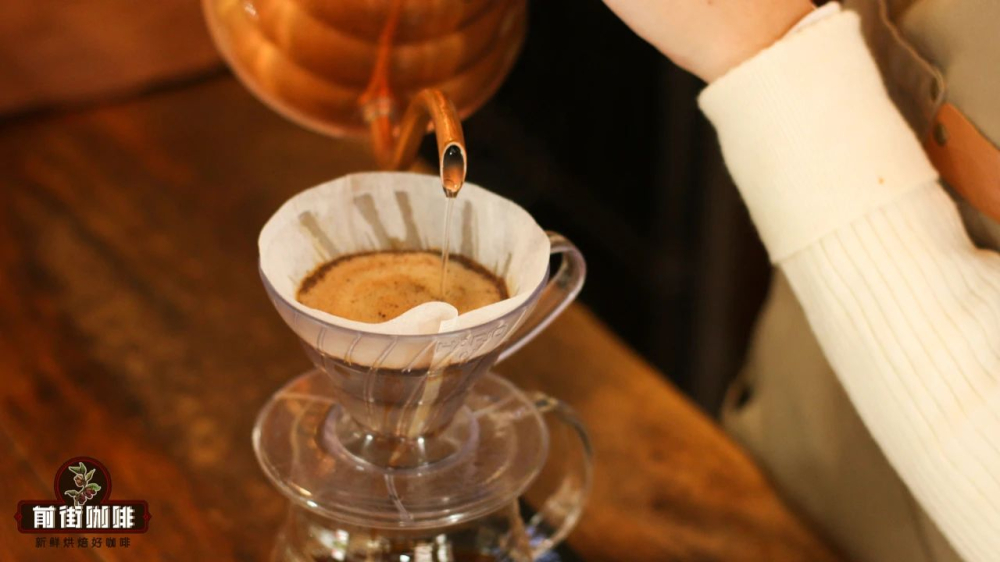
The pouring technique is the most nuanced part of pour over brewing, encompassing blooming handling, swirling speed, pouring height, water flow rate, and swirling range. Every detail affects the uniformity of coffee ground extraction and the rhythm of flavor release.
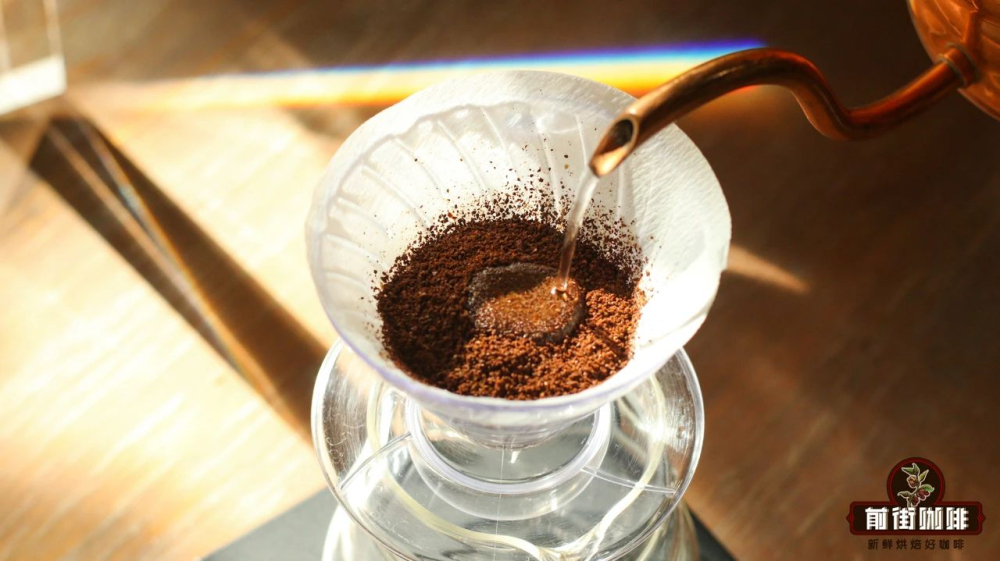
Blooming is the first step in pour over and the foundation that determines whether subsequent extraction can proceed uniformly. Ideal blooming ensures all coffee grounds are evenly moistened by water and successfully release carbon dioxide. If the coffee bed absorbs water unevenly, it can result in over-extraction in some areas and under-extraction in others, leading to unpleasant astringency or an imbalanced taste.
It is generally recommended to use hot water equivalent to about twice the weight of the coffee grounds for blooming and maintain it for around 30 seconds. This is because the saturated absorption capacity of coffee grounds is approximately double their weight, and fresh coffee beans typically release a large amount of carbon dioxide within 30 seconds. However, for coarsely ground coffee, it may be difficult to fully absorb twice the water volume in a short time, sometimes causing it to start dripping prematurely. Experienced brewers might try using 1.5 times the water weight for blooming. It’s important to note that if the blooming water exceeds twice the weight, it may lead to excessive extraction of acidic compounds early on without adequately extracting other flavor components, resulting in a coffee that is overly acidic. Additionally, too short a blooming time can affect subsequent extraction efficiency, while too long a time may lead to over-extraction of large molecular bitter compounds.

Swirling speed also impacts overall extraction performance. Fast swirling enhances water flow, allowing the coffee grounds to mix evenly and increasing extraction efficiency, helping to release more aroma and flavor, but over-agitation may also cause over-extraction. Conversely, slow swirling is gentler, but if the water stream lacks sufficient impact, some coffee grounds may not come into full contact with the water, leading to uneven extraction and a flatter flavor profile.
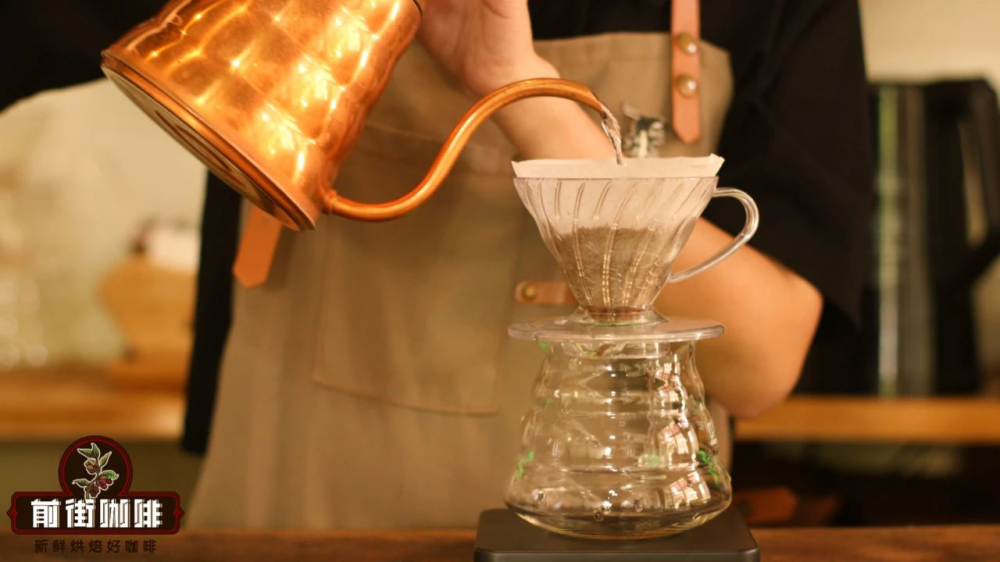
Pouring height is another detail that should not be overlooked. It is generally recommended to keep the water stream about 6 to 7 centimeters above the coffee bed. A stream that is too high can create unnecessary turbulence upon impact and may reduce overall extraction efficiency.
Water flow rate is equally critical. A high flow rate can push the water level up quickly, and when the liquid surface approaches the shorter ribs of the filter, water may flow directly down the edges, reducing contact time with the coffee grounds and leading to under-extraction. A low flow rate, on the other hand, maintains a more stable liquid level, prolonging water-coffee contact time and aiding fuller flavor release, but care must be taken to avoid excessively prolonging extraction time, which can lead to over-extraction.
The swirling range also affects flavor performance. A small swirling range helps concentrate flavors, particularly suitable for highlighting the sweetness and fruit acidity of light roasts, making the taste more substantial. Conversely, a large swirling range may cause acidity to be released too early, resulting in a fresh but potentially thin flavor. Moreover, when using conical filters, even if you appear to be swirling only the outer circle, the water may still flow along the filter ribs, leading to incomplete extraction of the edge coffee grounds. It is advisable to maintain a moderately balanced inner and outer swirling path to ensure uniform extraction.
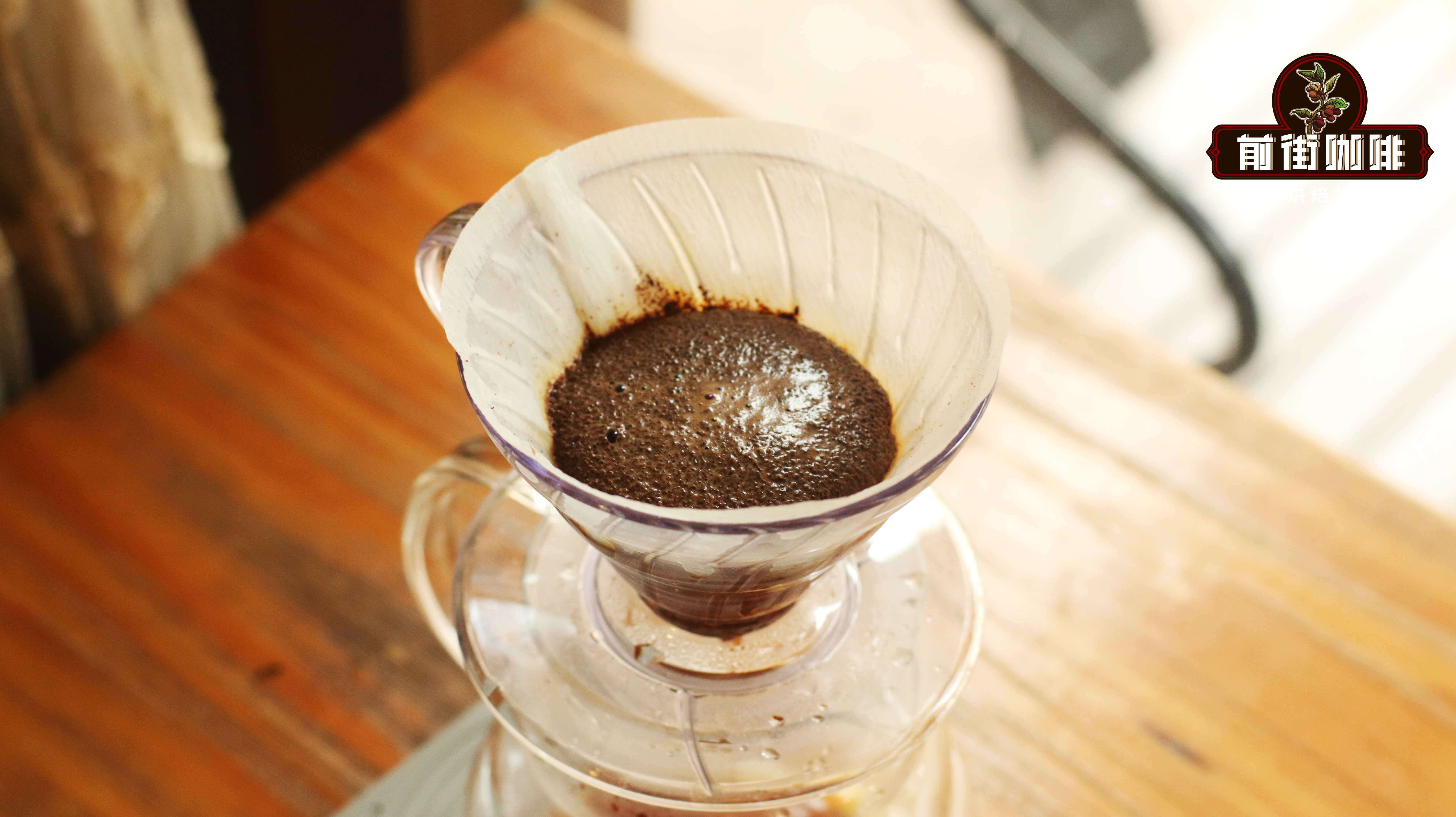
Mastering the above techniques is not something achieved overnight but requires repeated practice and observation to gradually accumulate experience in how different beans, grind sizes, and water temperatures respond. To help readers further understand, the following introduces three single-origin coffee beans with distinct regional characteristics, along with practical pour over parameters and operational suggestions.

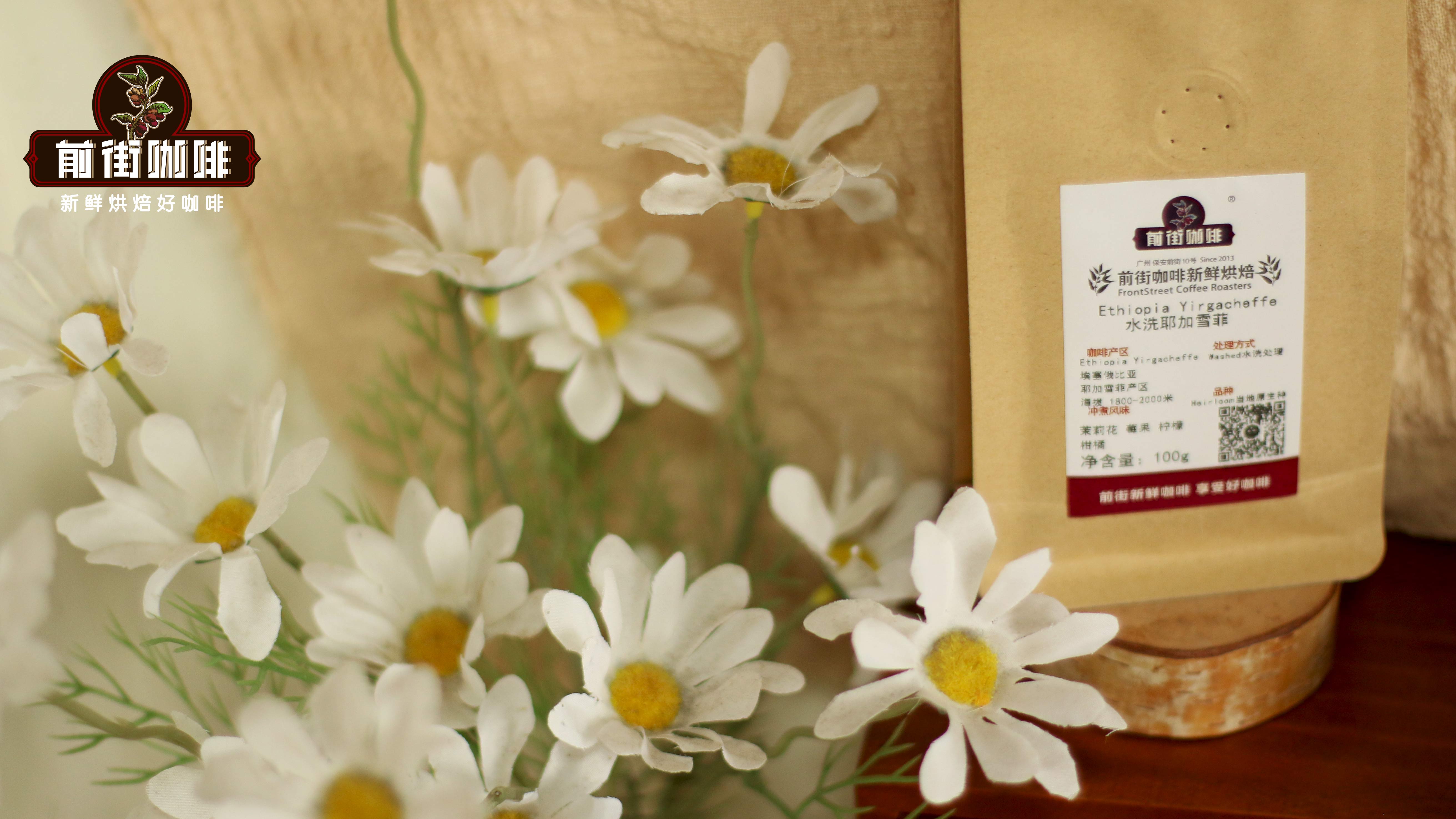
Ethiopia Yirgacheffe Washed (Altitude 1800–2000m, Heirloom, Washed Process)
This Yirgacheffe from a globally renowned high-altitude region boasts highly distinctive citrus and lemon acidity, paired with delicate floral notes and a tea-like body, delivering a bright and refreshing flavor. The washed process enhances its clarity and purity of aroma, making it an excellent entry point for exploring regional flavors. The recommended pour over water temperature is 90–91°C, with a grind size roughly the size of fine sugar (EK43s grinder at setting 10, 20-mesh sieve bowl sieved to 80%), brew ratio 1:15, and coffee dose 15 grams.
Operation suggestion: Start by pouring 30 grams of water for a 30-second bloom, followed by about 95 grams of water (total ~125 grams) over approximately 1 minute. When the water level drops to two-thirds of the coffee bed, pour the remaining 100 grams (total ~225 grams) within about 1 minute 40 seconds. Total brew time is about 2 minutes. You can expect a bright berry juice-like flavor with citrus and jasmine notes, presenting a refreshing and layered profile.
Costa Rica Tarrazú (Altitude 1500m, Caturra/Catuai, Washed Process)
Coffee from the Tarrazú region is known for its balanced flavor and rich sweetness. This washed bean features notes of sweet orange, honey, and toffee, with mid-palate notes of nuts and chocolate, and a long-lasting aftertaste. Recommended water temperature is 90–91°C, with the same grind size and brew ratio as above.
Brewing steps: Bloom with 30 grams of water for 30 seconds, then pour 95 grams (~125 grams) over about 1 minute. When the water level drops to two-thirds, add another 100 grams (~225 grams) over a total time of about 1 minute 40 seconds. Total brew time is about 2 minutes 3 seconds, with a balanced flavor profile and a subtle cedar finish.


Indonesia Sumatra Mandheling Lintong Wet-Hulled (Altitude 1100–1600m, Typica/Caturra)
Lintong Mandheling is known for its low acidity and full body, processed via wet hulling. It presents herbal, dark chocolate, and caramel tones with a warm aftertaste. It is recommended to use a Kono filter, with water temperature at 87–88°C, a slightly coarser grind (EK43s grinder at setting 11, roughly the size of coarse sugar), and a brew ratio of 1:15.
Brewing method: Bloom with 30 grams of water for 30 seconds, then slowly swirl to reach 125 grams and continue to 225 grams, with total brew time around 2 minutes. This approach helps improve extraction uniformity and full body, yielding a stable and layered flavor profile.
The above content is compiled by CoffeeHunters, a coffee news website.


