







Introduction:Beginners in pour over coffee often feel puzzled by the coffee-to-water ratio — how much coffee grounds should be used with how much water? This article starts from the scientific foundation of the Golden Cup extraction to analyze the logic behind the golden range of 1:12 to 1:15, deeply explores seven key elements such as grind size, water temperature, and filter choice, and provides practical calibration methods and parameters for classic beans, helping you accurately master brewing variables and extract balanced and rich coffee flavors.
For coffee lovers just stepping into the world of pour over, the coffee-to-water ratio is often the first hurdle: exactly how much coffee powder should be paired with how much water to extract the ideal flavor? This question involves a balance between extraction science and hands-on experience. This article will systematically break down the core logic of pour over coffee, from the concentration range of the Golden Cup extraction standard to the seven variables that affect flavor, and incorporate practical calibration techniques, finally using specific parameters of a classic Yirgacheffe bean as a practical reference to help you build a complete brewing mindset.
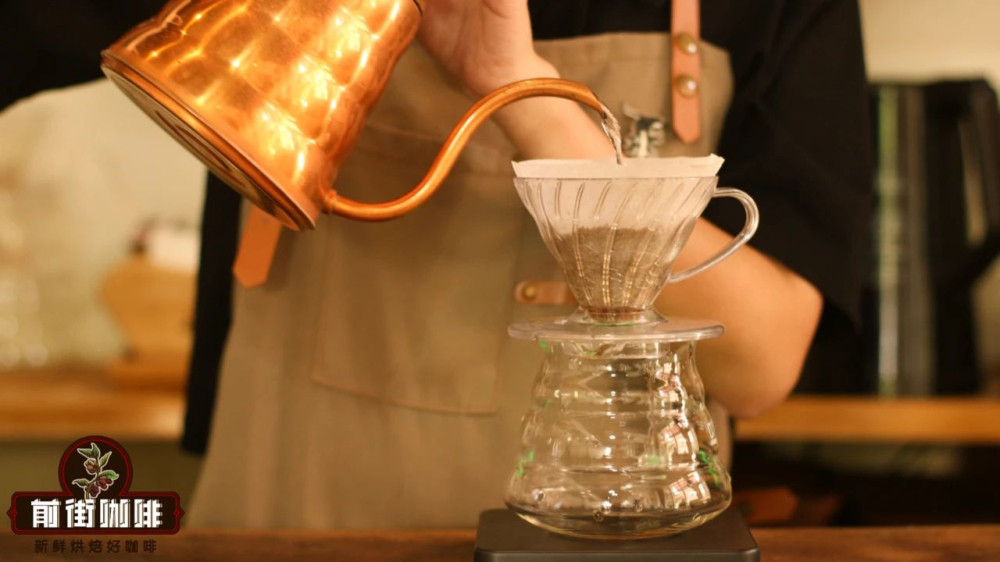
First, clarify the basic definitions: pour over coffee is the process of placing moderately ground coffee powder into a filter cone (with filter paper) under normal atmospheric pressure, and evenly infiltrating the powder bed with stable pouring of hot water to extract the coffee liquid. This seemingly simple action is actually influenced by multiple factors such as grind coarseness, water temperature, pouring rhythm, and brewing time, each of which directly reflects on the final flavor profile.
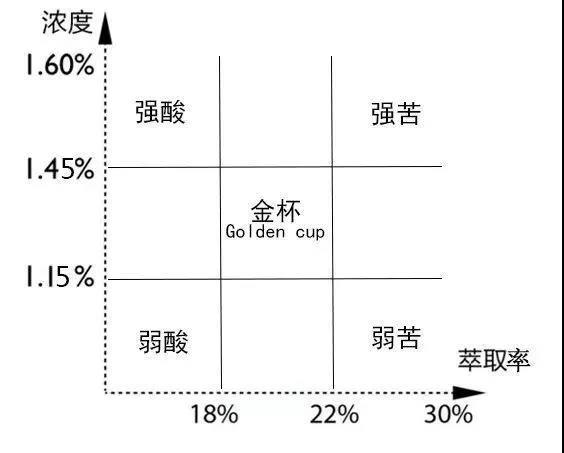
The so-called “coffee-to-water ratio” refers to the ratio of the weight of coffee grounds used to the total volume of coffee liquid obtained. According to the Golden Cup extraction standard set by the Specialty Coffee Association of America (SCAA), the ideal coffee concentration should fall between 1.2% and 1.45%. Translated into practical parameters, the ratio of coffee powder to water volume is roughly in the range of 1:12 to 1:15 — taking the common 1:15 as an example, if using 10 grams of coffee powder, the corresponding total water volume would be 150 grams.This ratio is considered a universal benchmark for most coffee beans; too high (such as 1:20) will result in under-extraction and bland flavors; too low (such as 1:10) can lead to over-extraction, producing sharp bitterness or a gritty sensation.
Why is 1:15 considered the “golden ratio”? There is empirical data to support it. Although 1:12 to 1:15 is only a recommended range, multiple comparative tests have found: a 1:20 drip coffee tastes extremely light, almost failing to showcase the layers of the coffee; 1:10 is so strong it carries a noticeable burnt sensation, making it hard to drink.1:15 can balance the expression of acidity, sweetness, and bitterness for most coffee beans (especially medium to light roasts); of course, individual taste preferences (such as preferring stronger or milder coffee) can still be fine-tuned to 1:14 or 1:17, the key is to find your own optimal balance point.
The scientific basis for this ratio is closely related to “extraction yield.” Extraction yield refers to the proportion of extractable substances in coffee beans (about 30% of the total bean weight) that are extracted during brewing — the ideal range is 60% to 70%. Below 60% indicates under-extraction, where the coffee flavor lacks complexity; above 70% means over-extraction, releasing too many undesirable substances like woody fibers, leading to bitterness and off-flavors. The SCAA derived the 1:15 ratio based on this principle, as it can stably achieve an extraction yield within the 60%-70% range.
In addition to the coffee-to-water ratio, the flavor of pour over coffee is also influenced by six other key elements, all of which are indispensable:
1. Freshness: The optimal flavor window for coffee beans is usually within 30 days after roasting. Beyond this period, the aromatic molecules in the beans gradually dissipate with the release of carbon dioxide, and the resulting brew tends to taste flat. It is recommended to choose freshly roasted beans and store them in a dark, low-oxygen environment.
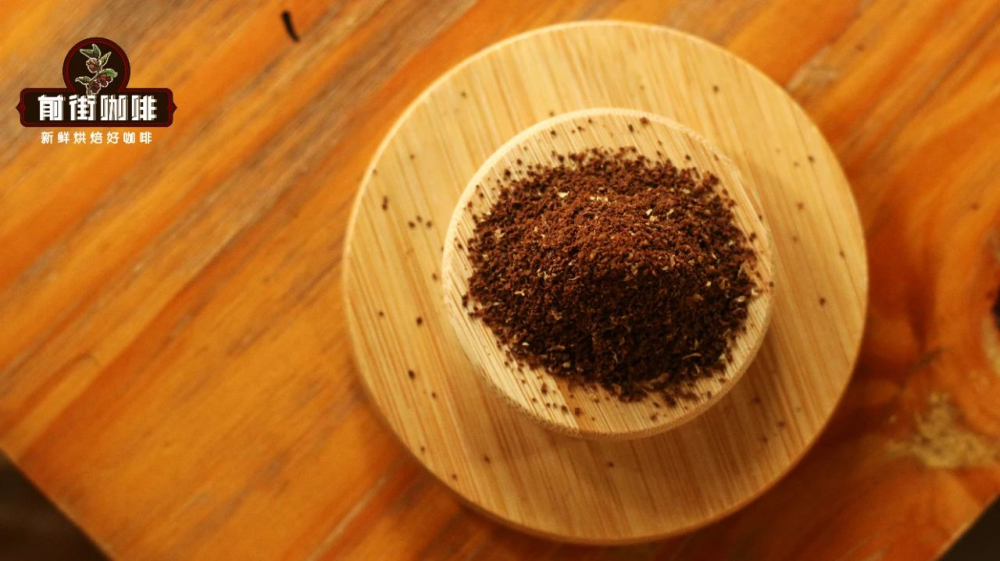
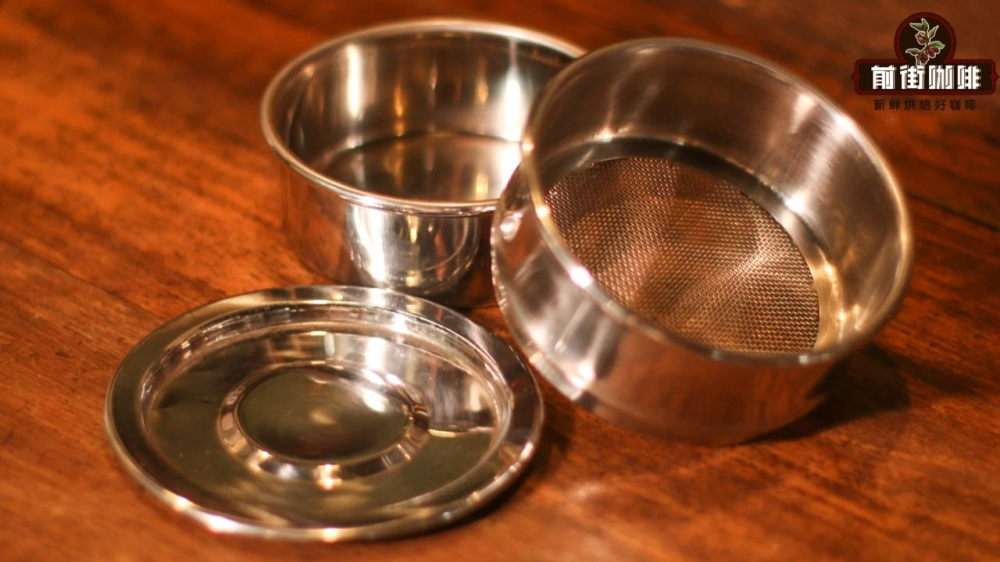
2. Grind Size: The fineness of the grind directly affects water flow rate and extraction efficiency. Grinding too fine makes the coffee bed compact and increases water resistance, easily leading to over-extraction and woody off-flavors; grinding too coarse results in fast water flow and under-extraction, making the flavor seem thin. The suitable grind size for each bean varies with roast level — medium to light roasts are recommended to have an 80% sieve rate (20-mesh sieve yields 8 grams/10 grams of powder), while medium to dark roasts are adjusted to 70%-75% (yields 7-7.5 grams). Precision calibration can be done using professional sieving tools (such as a 20-mesh cupping correction sieve).
3. Water Temperature: Different roast levels require different water temperatures. Medium to light roasts (such as Yirgacheffe) are recommended to use 90-91°C, which can fully bring out acidity and aroma; medium to dark roasts should be lowered to 87-89°C to avoid extracting excessive burnt and bitter off-flavors.
4. Water Quality: Mineral ions in water such as calcium, magnesium, and sodium affect extraction capability. It is recommended to use filtered water or professional brewing water (e.g., TDS around 120-150ppm), avoiding the use of tap water with more impurities to prevent unpleasant metallic or chlorine tastes.
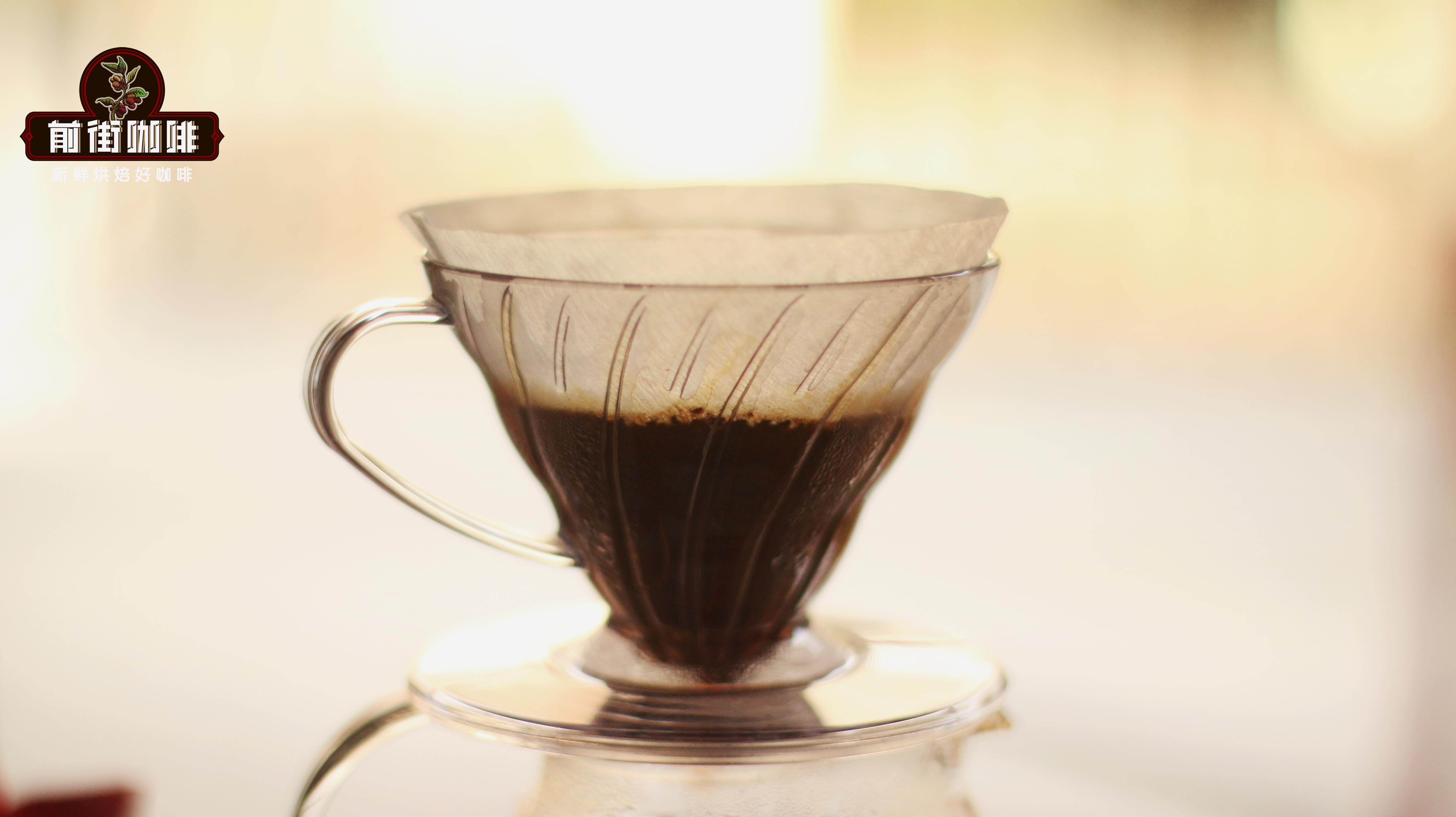
5. Filter Choice: Beginners are recommended to start with a V60 #01 filter cone — its conical design with spiral ribs promotes air circulation and improves extraction uniformity. Although the taste may be relatively clean and bright, it can clearly highlight acidity, sweetness, and aroma characteristics.
6. Extraction Time: Typically, for 15 grams of coffee at a 1:15 ratio, the brewing time is best controlled within 2 minutes to 2 minutes and 30 seconds. The early stage (0-30 seconds) mainly extracts acidity, the middle stage (30-90 seconds) balances sweetness, and the later stage (after 90 seconds) gradually releases bitterness. Avoid extending too long to prevent off-flavors.
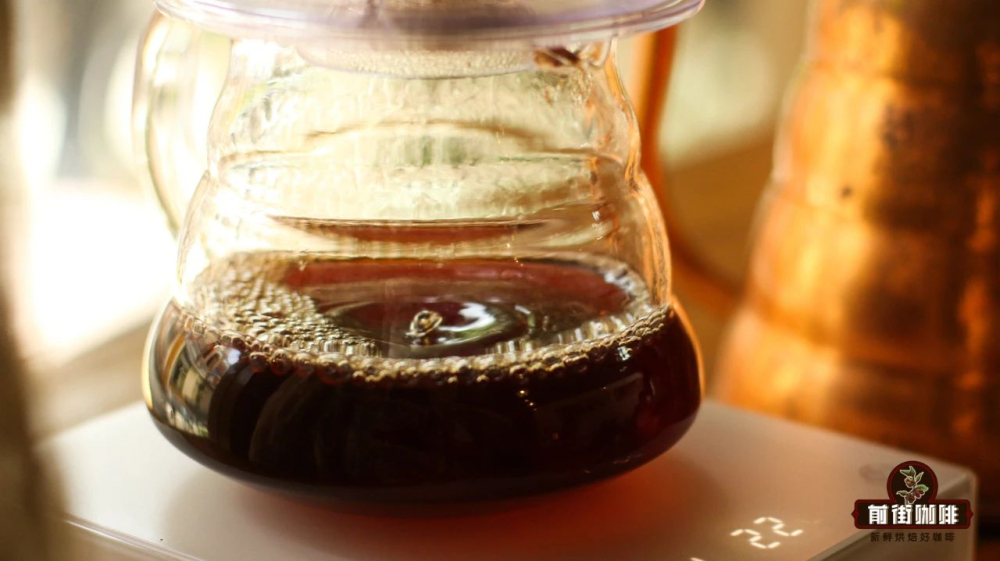
After understanding these elements, it’s also essential to grasp the basic principles of extraction — the release of coffee flavors is divided into three stages:Wetting (Blooming): Pouring water to wet the coffee grounds activates the release of molecules from the cells;Dissolution: Hot water dissolves soluble substances, determining the core flavors;Diffusion: Aroma molecules penetrate into the water, forming the final extracted liquid. In this process, acidity is released first, followed by sweetness, and then bitterness. Therefore, it is recommended to gently swirl the coffee liquid after brewing to ensure even flavor integration.
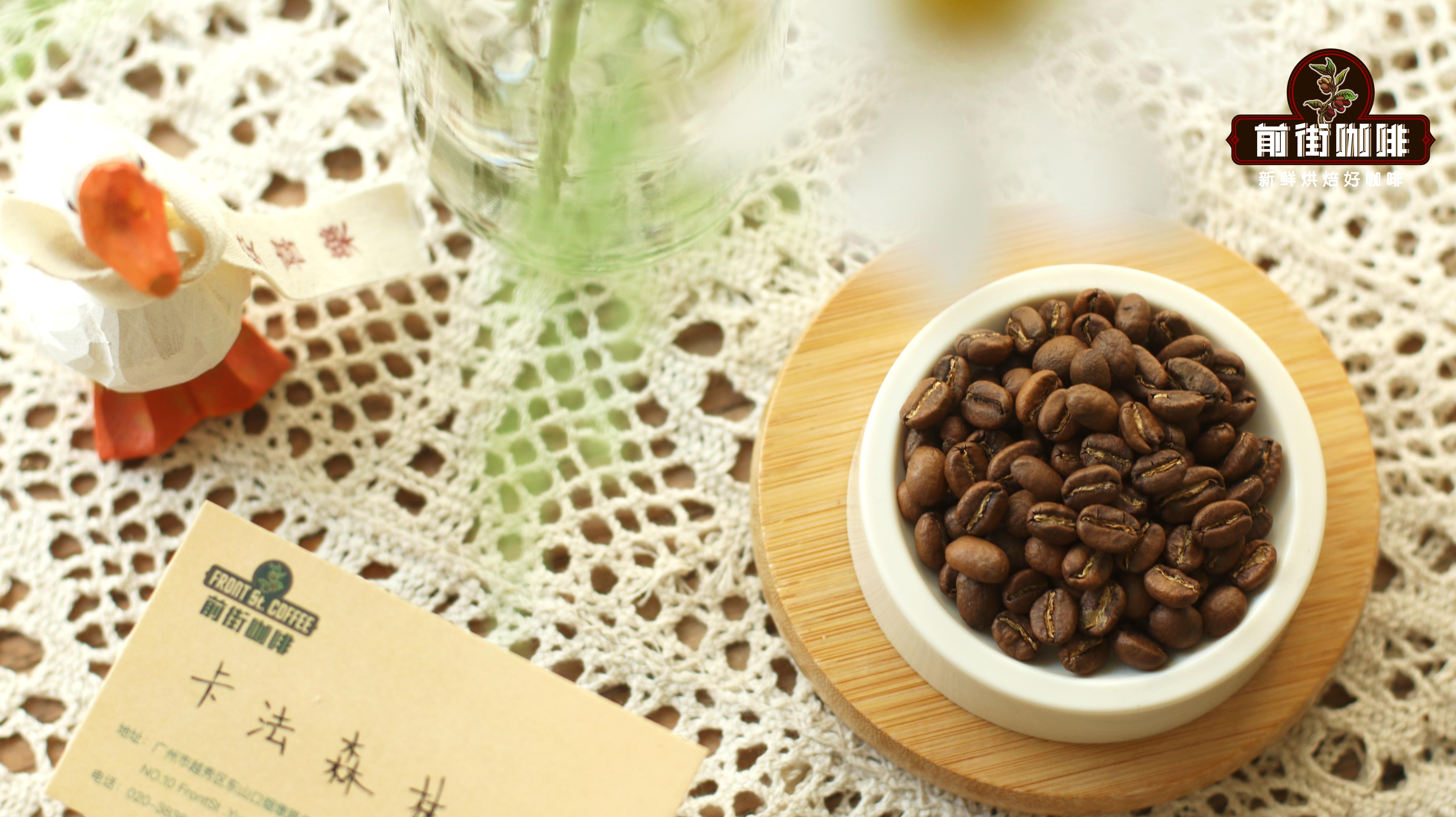
Finally, here are the practical parameters for a classic bean: Ethiopian Yirgacheffe Washed “Guji Dingding” (altitude 1900-2300m, heirloom variety, washed process). Its flavor profile includes tropical fruits, cream, honey, berries, and citrus, suitable for those who seek bright acidity and a refreshing finish.
Brewing Data: V60 #01 filter cone, water temperature 90-91°C, 15 grams of coffee, 1:15 coffee-to-water ratio, medium-fine grind (20-mesh sieve to 80%). The method uses a three-stage pour — first pour 30 grams of water for a 30-second bloom, then pour 95 grams (total about 125 grams) over about 1 minute, wait until the water level drops to 2/3 of the coffee bed before pouring another 100 grams (total about 225 grams) over about 1 minute and 35 seconds, with the overall dripping time controlled within 2 minutes and 00 seconds to 2 minutes and 10 seconds.
Flavor Profile: The cup opens with distinct citrus and black tea notes, transitions into a creamy richness as it cools slightly, and finishes with sweet undertones of caramel and almond. The overall profile is clean, refreshing, and has a long-lasting aftertaste.
The above content is compiled by CoffeeHunters, a coffee news website.


