







Category: Coffee Knowledge

Premium Coffee Bean Buying Guide: Fresh Roasting & Diverse Flavor Profiles
A Guangzhou-based specialty coffee shop in Old Dongshan, dedicated to freshly roasted beans for years—not relying on social media hype but standing firm on roasting skills and bean quality. This article delves into their global single-origin selections, commitment to roasting within 5 days of harvest, and the diverse flavor spectrum ranging from Ethiopian fruity notes to Brazilian nutty sweetness, helping you find the perfect entry-level or advanced beans for pour over or espresso. [more…]
How to Choose Imported Coffee Beans? Connoisseurs Love These Niche Roasting Brands
Only 1% of the world's coffee beans are produced in China, making imported beans the mainstream in the market. Faced with big-brand packaging on supermarket shelves, savvy consumers are more inclined to choose freshly roasted beans from small specialty roasters. This article delves into the key indicators for selecting high-quality imported coffee beans, covering everything from roast date, origin details, to bean variety and processing methods. It also recommends several boutique coffee suppliers focused on preserving the essence of flavor, helping readers find beans truly worth savoring. [more…]
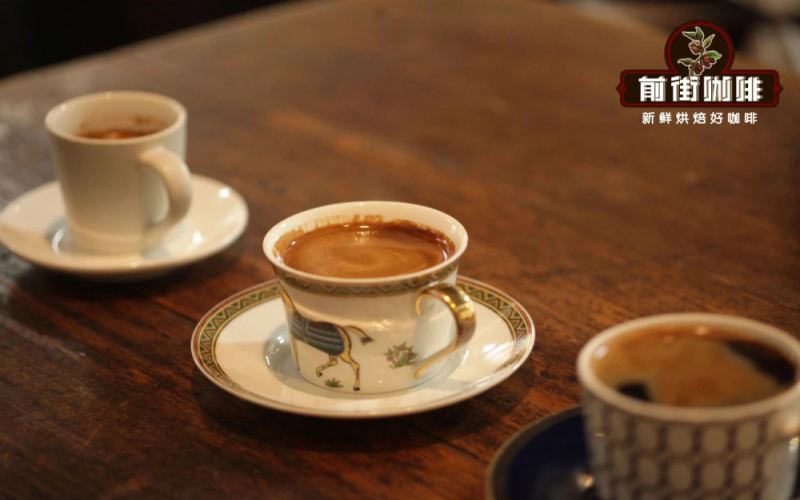
Complete Guide to Espresso Coffee Beans: From Blending Principles to Flavor Analysis and Bean Variety Selection
Want to understand the blending secrets and roasting tips of espresso coffee beans? This article delves into the definition of espresso beans, blending methods (pre-blend and post-blend), selection of roast levels, as well as the characteristic differences between common Arabica and Robusta blends, 100% Arabica blends, and single-origin SOEs. Through practical analysis and popular market examples, it helps coffee enthusiasts choose the right espresso beans based on their taste preferences—beneficial for both beginners and advanced players. [more…]
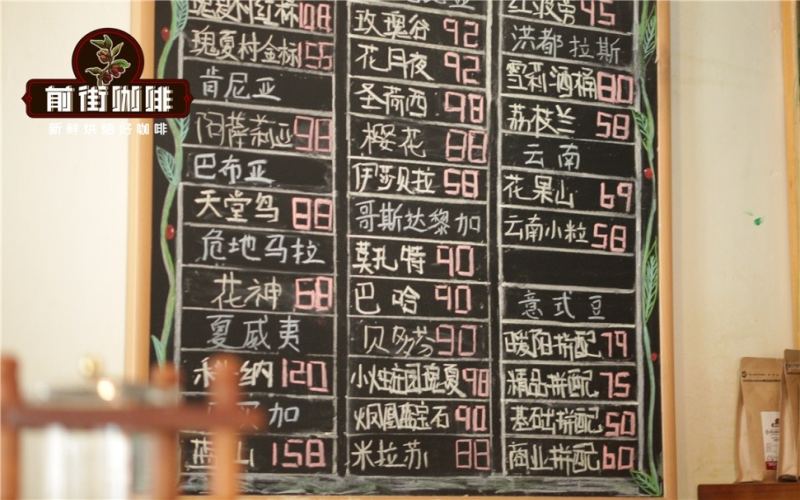
Can espresso blends also be used for pour over? Flavor analysis and practical tips for using single-origin beans for espresso
Are you curious whether the same coffee beans can yield different results through different brewing methods? This article delves into the actual performance of espresso blends and single-origin beans in two mainstream brewing methods. Starting from the basic principles of pour over and espresso extraction, it analyzes differences in flavor and parameters, and uses real-life examples to illustrate, helping you find the most suitable brewing solution for your equipment and taste preferences. [more…]
The Truth Behind Luckin Coffee Franchising Exposed: An Analysis of Its Direct-Operated Model and a Fraud Prevention Guide
In recent years, there have been frequent online rumors about Luckin Coffee opening up franchising opportunities, attracting the attention of many investors. However, the official Luckin has long made it clear that it operates exclusively under a direct-operated model and does not accept any form of franchising. This article delves into Luckin's operational structure and store classifications, while dissecting the common tactics used in franchising scams, helping you identify false information and avoid falling into investment traps. [more…]
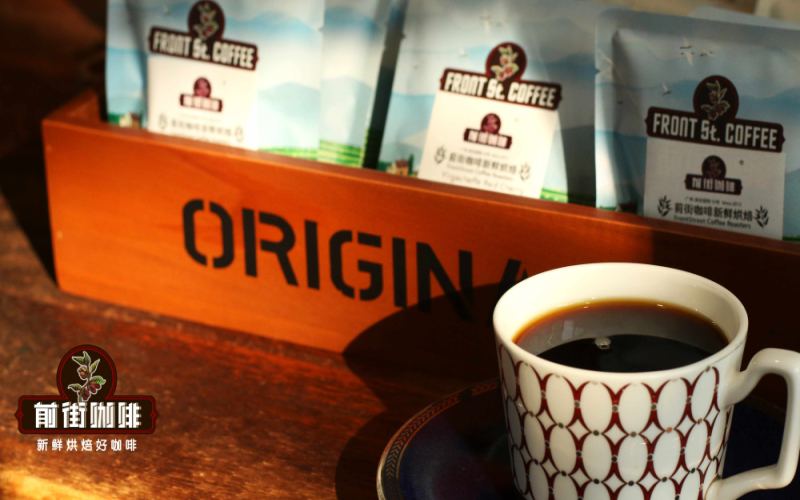
Complete Office Coffee Guide: Choosing Between Espresso Machines, Pod Coffee, and Pour Over, with Flavor Secrets
In a busy office environment, a good cup of coffee can instantly refresh your mind. This article delves into three common methods of making coffee at the office: using an espresso machine, pod coffee, and pour over. From ease of equipment use, requirements for coffee bean freshness, to flavor characteristics, it provides practical advice and reference parameters to help office workers choose the most suitable brewing method based on their needs and office conditions, enjoying a coffee experience that is both flavorful and healthy. [more…]
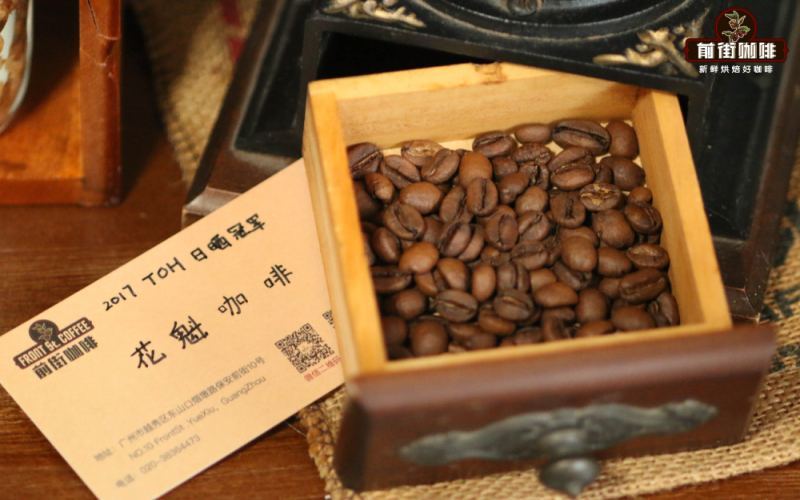
Analysis of the Flavor Evolution of Yirgacheffe Huakui Coffee | Pour Over Techniques for Strawberry and Passion Fruit Notes
Since its debut in 2017, Yirgacheffe Huakui coffee has been widely loved for its bright strawberry and creamy aromas, yet its flavor profile has changed subtly each year, sparking curiosity among many coffee enthusiasts. This article delves into the origin of Huakui—Gedeo Zone, Guji—in the Buku Abel washing station, its natural processing method, as well as the flavor characteristics and roast curves of its various vintages. It also provides a detailed breakdown of V60 pour over parameters and practical techniques, helping you understand how this classic bean, interwoven with passion fruit and berry notes, has evolved over time. [more…]
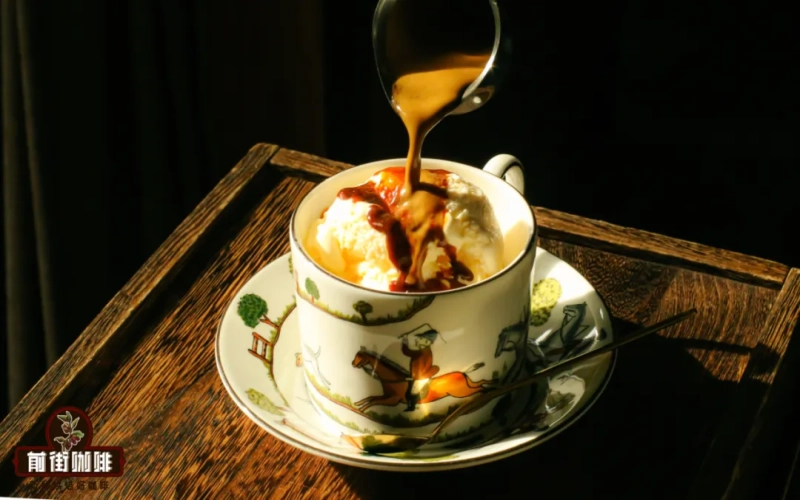
Correct pronunciation and DIY guide for Affogato: A classic Italian dessert where coffee meets ice cream
Affogato is a classic Italian dessert that combines espresso with ice cream. It not only offers a rich flavor profile but is also an excellent choice for cooling off in the summer. But do you know how to pronounce "Affogato"? This article will explore the differences between its common Chinese translations (such as those used at Starbucks) and its authentic pronunciation, as well as delve into its historical origins and basic components. We'll also include an easy-to-follow home preparation method so you can recreate its authentic taste using freshly brewed espresso. [more…]
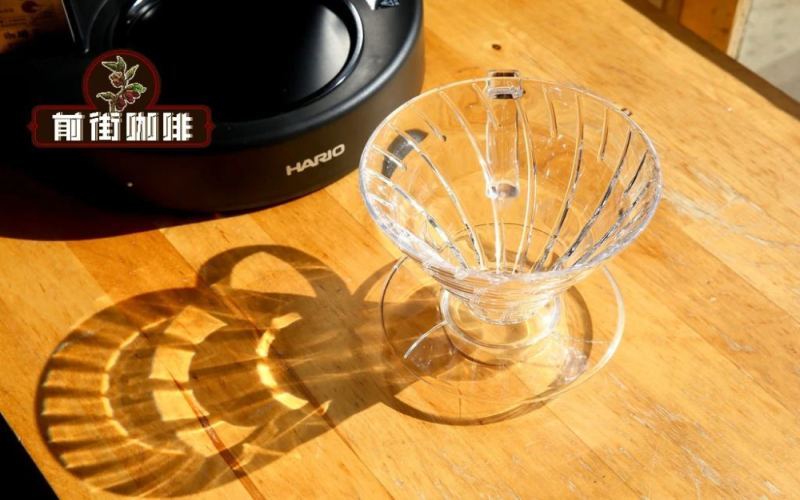
Hario V60 Spiral Rib Design Principle and Pouring Technique: How to Control Flow Rate to Enhance Pour Over Flavor
The Hario V60 is a favorite among many pour over coffee enthusiasts. Its unique 60-degree conical structure and spiral rib design not only affect the extraction efficiency of the coffee but also directly relate to the expression of flavor layers. This article delves into the design mechanism of the V60, explores how the spiral ribs guide water flow and influence flow rate, and further explains the practical differences between clockwise and counterclockwise pouring. It also provides a practical three-stage extraction parameter guide and operational tips to help you refine your technique. [more…]
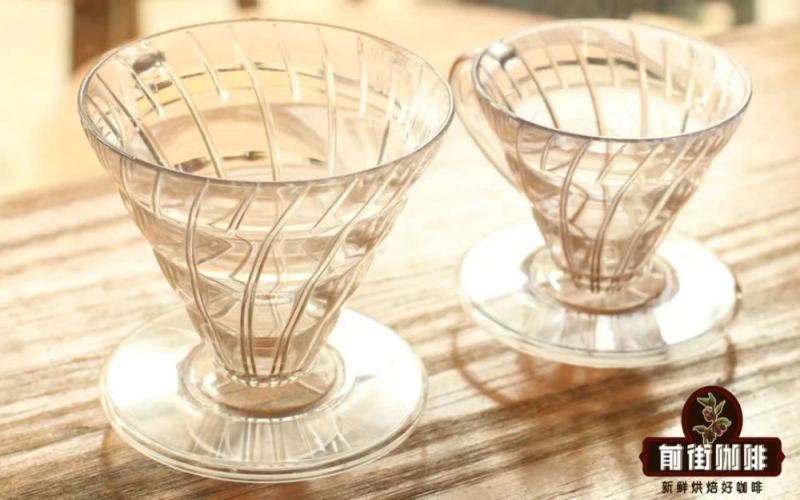
How to Use a Hario V60 Filter Cone? Complete Guide to Its Structure, Principle, and Pour Over Parameters
The Hario V60 filter cone, with its distinctive 60-degree conical angle and spiral ridges, is one of the most widely used tools among pour over coffee enthusiasts. This article delves into the design rationale and material variations of the V60, and takes you through a practical three-stage extraction example using 15 grams of coffee grounds and a 1:15 coffee-to-water ratio. Learn how to master the blooming phase, water pouring rhythm, and time control to consistently brew a pour over coffee with clear layers and balanced flavors. [more…]
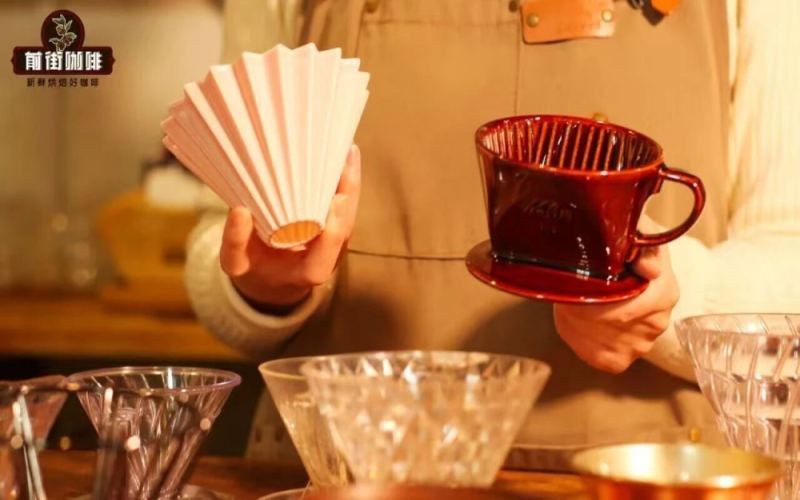
V60 vs. YASUKIYO Wooden Dripper: A Practical Test — Flavor & Extraction Comparison Using the Same Coffee Beans
Have you ever wondered how the same coffee beans can yield vastly different flavors just by changing the dripper? In this experiment, we used both the V60 and the YASUKIYO wooden dripper with the same Yunnan small-bean Typica variety. By maintaining identical brew ratios, grind sizes, and pouring techniques, we conducted an in-depth comparison of their impact on flavor, extraction time, and mouthfeel—helping you find the ideal dripper for different coffee beans. [more…]
Practical Test of V60 vs. YASUKIYO Wooden Dripper: How the Same Yunnan Beans Affect Pour Over Flavor and Parameter Choices
The same Yunnan small-grain Typica coffee beans can yield vastly different flavor profiles when brewed using a V60 and a YASUKIYO wooden dripper. This article presents a side-by-side test under consistent grind size, water temperature, and pouring techniques to evaluate differences in extraction efficiency, taste layers, and aroma expression between the two drippers. It also offers recommended coffee bean pairings to help you choose the most suitable brewing tool based on your flavor preferences. [more…]
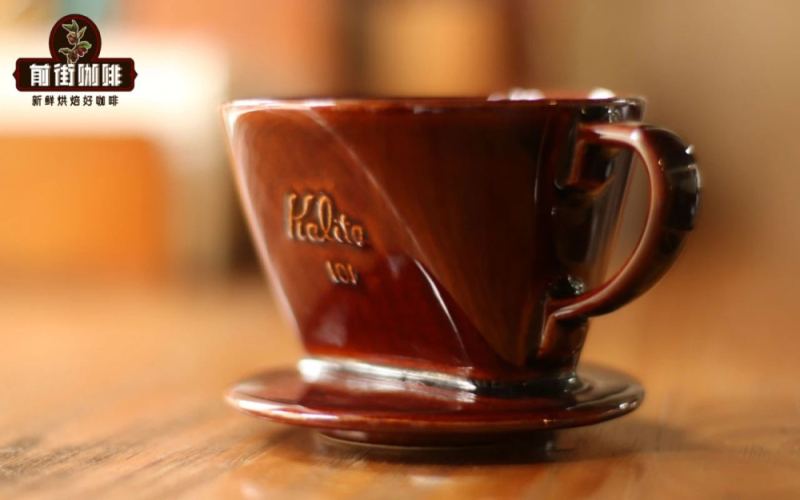
How to choose between Hario V60 and Kalita Wave? A complete breakdown of pour over dripper design and extraction differences
In the world of specialty pour over coffee, the design of the dripper has a critical impact on the extracted flavors. The conical structure of the Hario V60 emphasizes layers and fruity acidity, while the flat-bottomed design of the Kalita Wave leans more toward stability and sweetness. This article delves into the extraction characteristics of both by analyzing aspects such as dripper structure, rib design, showerhead hole configuration, and coffee bed thickness, and also provides a practical three-phase pour over parameter guide for the Kalita Wave to help you choose based on [more…]
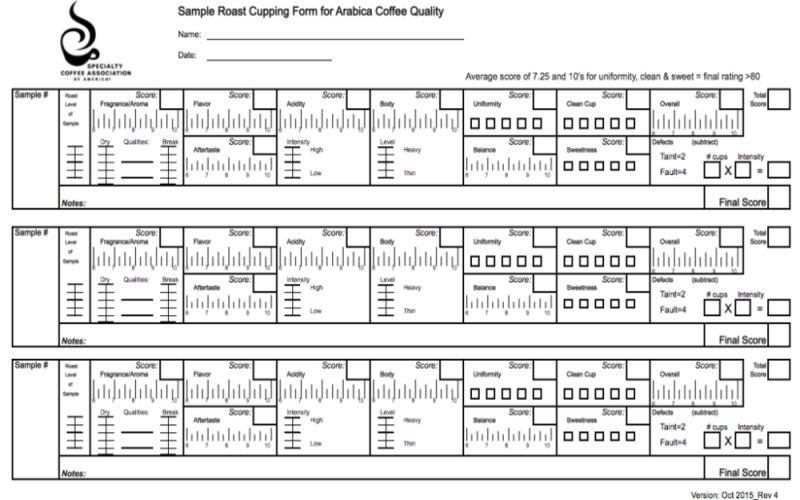
Beginner's Guide: A Comprehensive Breakdown of SCA vs. SCAA Coffee Cupping Forms and Standard Procedures
Coffee cupping is a key method for evaluating coffee bean quality, and the cupping form is the core tool of this assessment system. This article provides an in-depth analysis of the evolution and differences between the old SCAA cupping form and the new SCA scoring sheet, guiding you through every detail of the standard cupping process — including preparation, notation, and scoring techniques. The original cupping forms are also included for reference. Whether you're a beginner or a professional, you'll gain practical guidance to improve the accuracy and consistency of your cuppings. [more…]
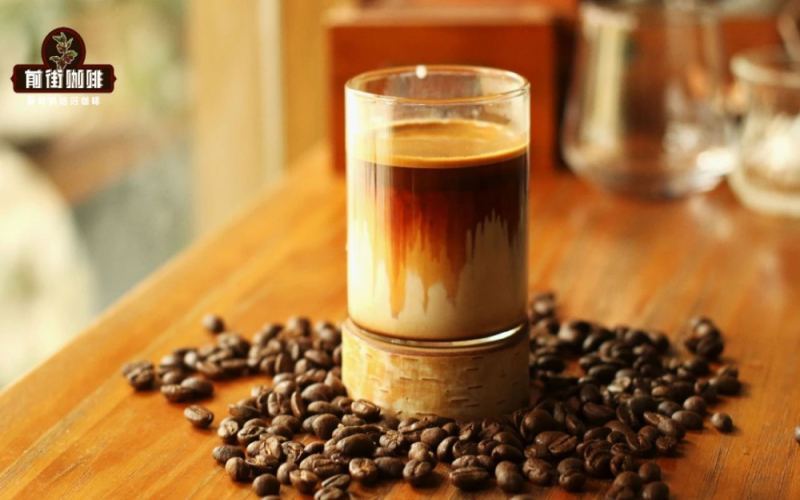
Dirty Coffee Brewing Secrets: Layering Techniques, Flavor Analysis, and a Complete Guide to Differences from Latte
Dirty Coffee, with its unique visual contrast and the interplay of hot and cold flavors, has become a popular choice many coffee enthusiasts try to replicate. However, when making it at home, issues such as poor layering and insufficient flavor often arise. This article provides an in-depth analysis of the entire Dirty Coffee process—from bean selection and equipment to brewing techniques—explores common reasons for failure and offers improvement suggestions, and compares the essential differences between Dirty Coffee and Latte to help you master a perfect Dirty that excels in both appearance and flavor. [more…]
Dirty Coffee Making Tutorial: From Bean Selection to Layers, Creating the Perfect Ice-Fire Layered Latte
Dirty Coffee, with its distinct layered texture and the captivating interplay of hot and cold, has become a classic that many coffee enthusiasts are eager to master. However, creating a truly well-layered and flavorful Dirty requires mastering multiple key elements — from coffee bean selection, cupware, brewing techniques, to milk choice. This article dives deep into the core skills needed to make a successful Dirty, helping you overcome common pitfalls and consistently recreate a balanced, visually stunning cup. [more…]
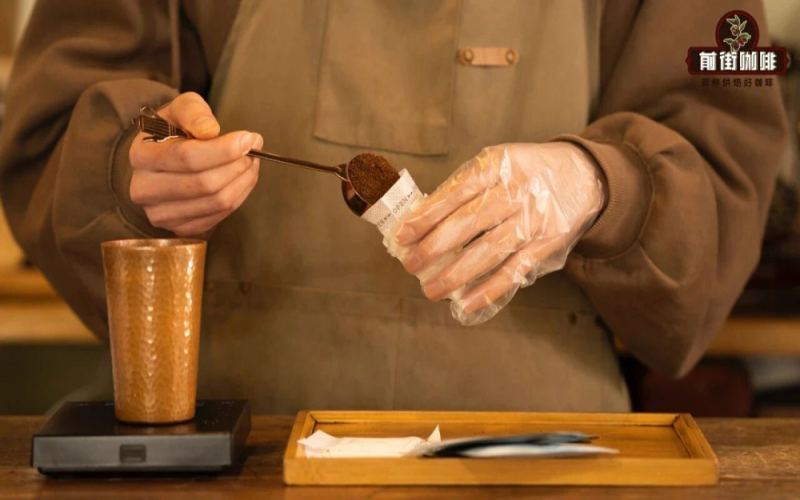
Pour Over Coffee Dripper Instructions: Water Temperature, Coffee-to-Water Ratio, and Flavor Profile of Yirgacheffe
Coffee drippers combine the convenience of pour over brewing with the freshness of freshly ground coffee, making them a daily choice for many coffee enthusiasts. This article delves into the optimal coffee-to-water ratio for drippers, the ideal brewing water temperature, and explores key details that influence flavor. It also introduces the flavor profiles of three distinctive single-origin beans, and explains how Yirgacheffe drip bags preserve their captivating aroma through fresh roasting. Master these essentials, and you can brew professional-grade coffee at home. [more…]
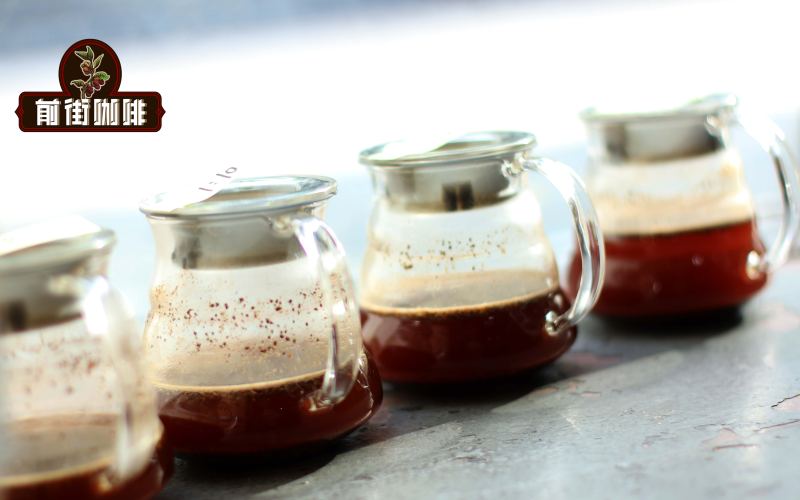
A Complete Guide to Cold Brew Caffeine Content & Brewing: The Science of Alertness & Bean Selection
Cold brew coffee is renowned for its smooth texture and refreshing flavor, and because of its unique brewing method, it's often considered more effective at providing a wake-up boost. But do you know exactly how much caffeine it contains? Is it higher or lower than traditional hot-brewed Americano? This article delves into the data on cold brew caffeine levels, ideal brewing parameters, and bean selection, while also explaining the science behind its alertness effect and how caffeine impacts the body—helping you enjoy this summer favorite more scientifically. [more…]

How to Choose Coffee Bean Grind Size from 1 to 10? A Complete Guide to Pour Over Coffee Grind Parameters and Sifting Techniques
Grind size is one of the key factors that affect coffee flavor — from over-extracted bitterness to under-extracted flatness, all are closely related to grind coarseness. Commercial grinders often indicate settings from 1 to 10, but the actual grind coarseness can vary greatly between different models and must be adjusted according to brewing methods. This article provides an in-depth analysis of the ideal grind ranges for common extraction methods such as pour over, espresso, and siphon, offers medium-fine and medium-coarse grind suggestions for both medium-light and medium-dark roasted beans, and explains in detail how to use a 0.85mm [more…]
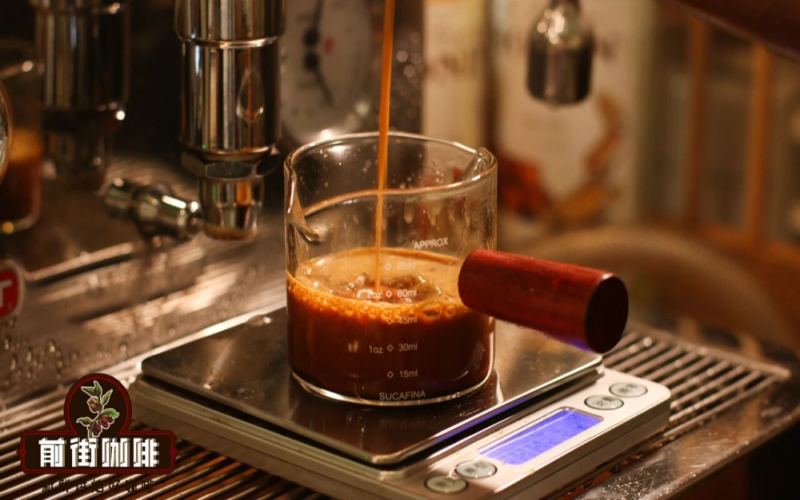
How to Choose an Espresso Blend? Master 5 Key Points to Pick Rich, Non-Bitter Coffee Beans
Choosing the right espresso blend is key to brewing a cup of coffee that is rich, full-bodied, and well-balanced in flavor. Most commercial espresso is based on blends, thanks to their stable flavor profile and layered complexity—ideal for pairing with milk or drinking straight. This article takes you deep into how to select the right espresso blend for your taste, covering everything from roaster reputation and personal flavor preferences to practical product analysis. We also recommend five blends with different flavor profiles to help you find your perfect match. [more…]