







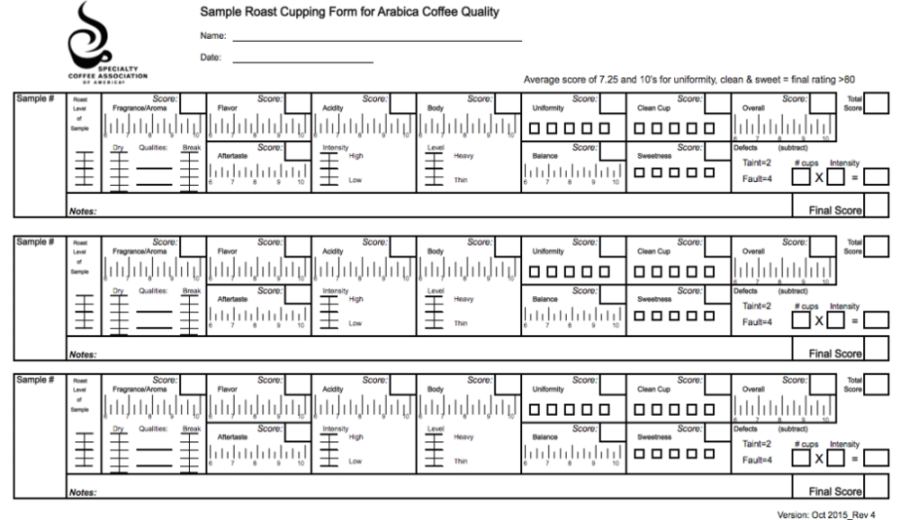
Introduction:Coffee cupping is a key method for evaluating the quality of coffee beans, and the cupping form is the central tool of this assessment system. This article will delve into the evolution and differences between the old SCAA cupping form and the new SCA scoring sheet, guiding you through every detail of the standard cupping process—including preparation, notation, and scoring techniques. Original cupping form images are also provided for comparison. Whether you're a beginner or a professional, you’ll find practical guidance here to improve the accuracy and consistency of your cuppings.
Coffee cupping is the industry’s primary method for assessing coffee bean quality, and the cupping form is the core tool of this evaluation mechanism. With the integration of the SCAA (Specialty Coffee Association of America) into the SCA (Specialty Coffee Association), the original cupping form has also undergone adjustments—both in scoring dimensions and weightings. This article will detail the specific differences between the old and new versions of the cupping form and break down the SCA standard cupping process step by step, providing a reliable reference for everyone from beginners to seasoned professionals.
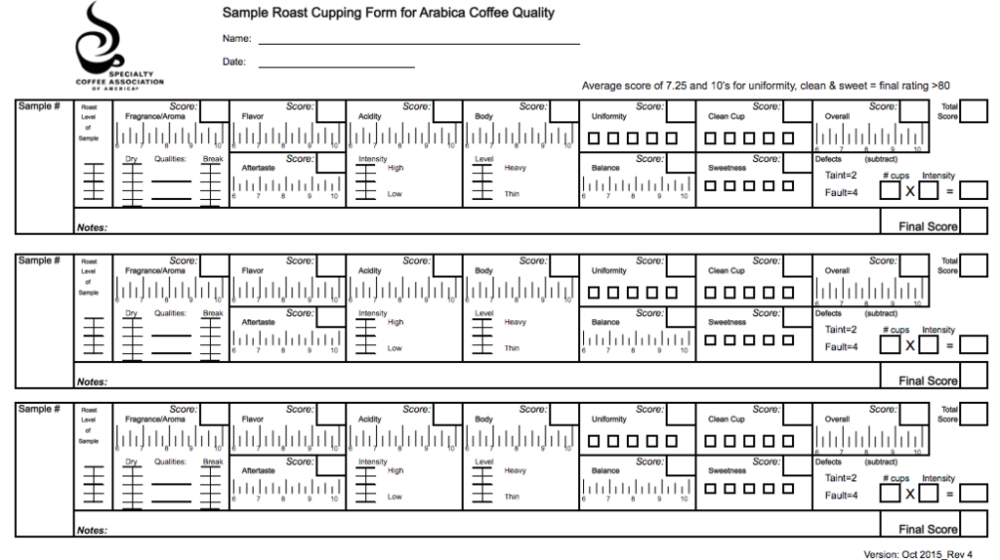
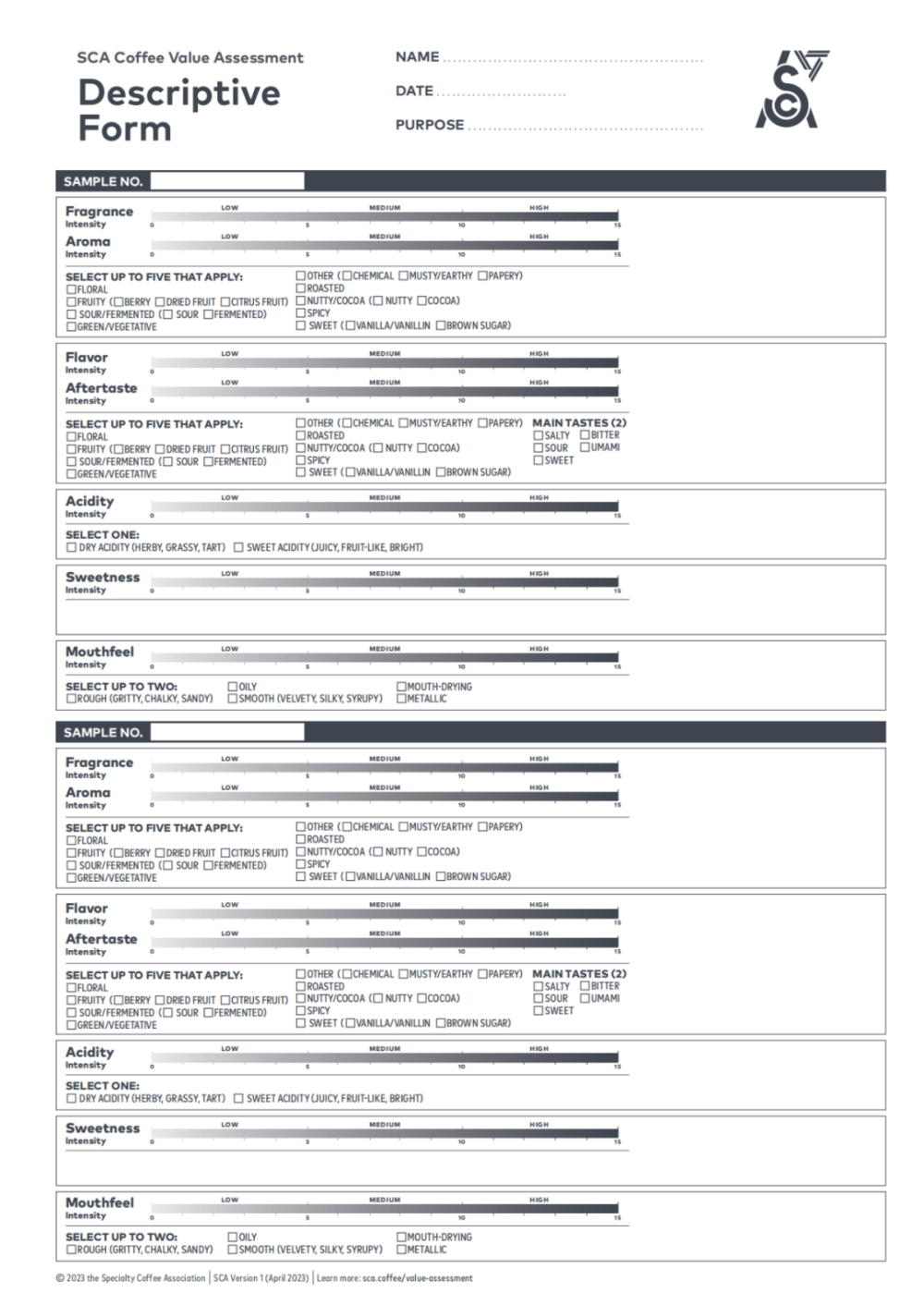
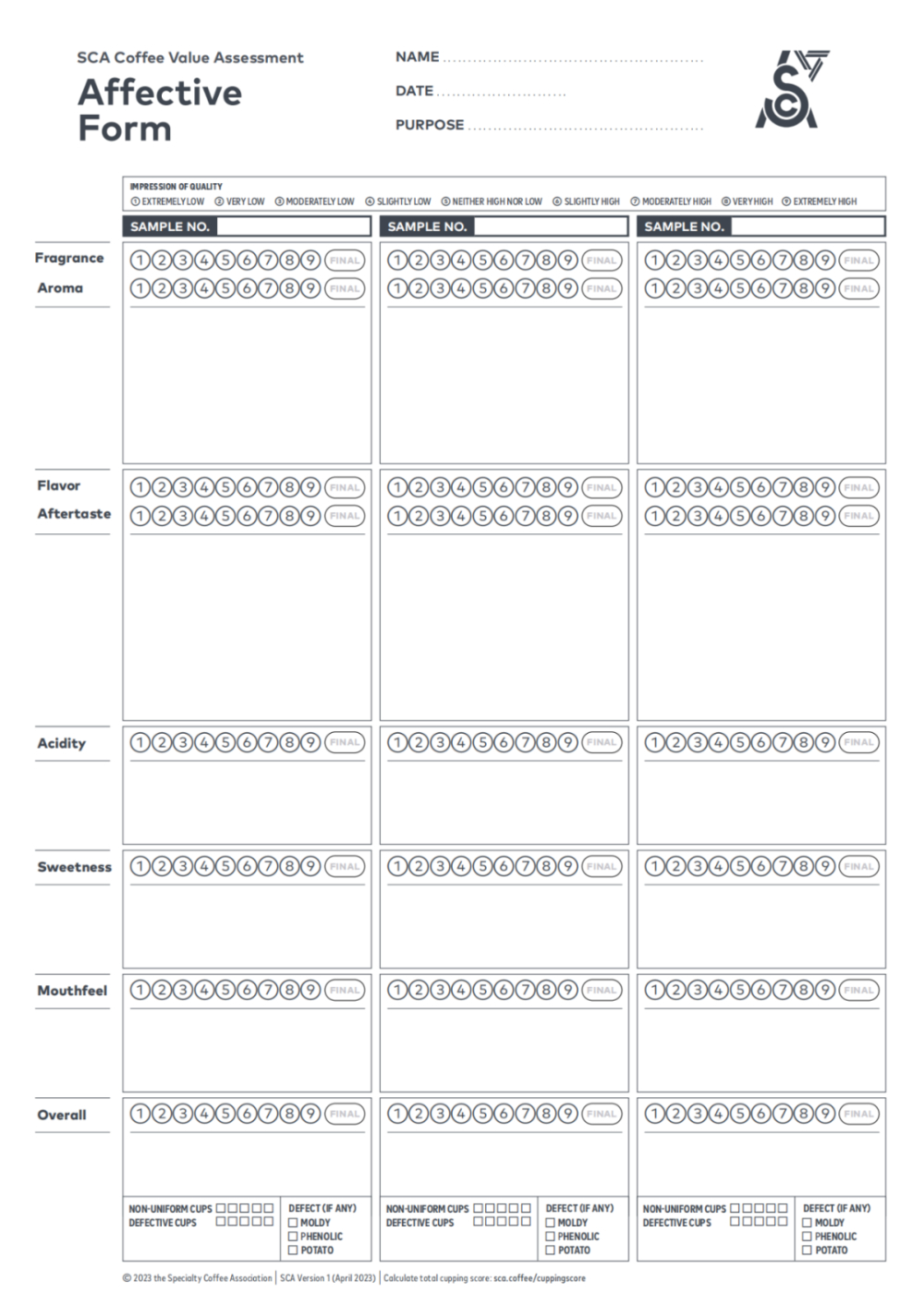
Common scoring items on the old SCAA cupping form include: dry fragrance/wet aroma, flavor, aftertaste, acidity, body, balance, uniformity, cleanliness, sweetness, and overall score. Each item has a clear scoring range, typically using a 10-point scale, with the final total score calculated at the end. The new SCA cupping form retains this basic structure but has optimized the terminology definitions and scoring logic—especially making defect deduction rules clearer, which helps judge coffee quality more objectively.
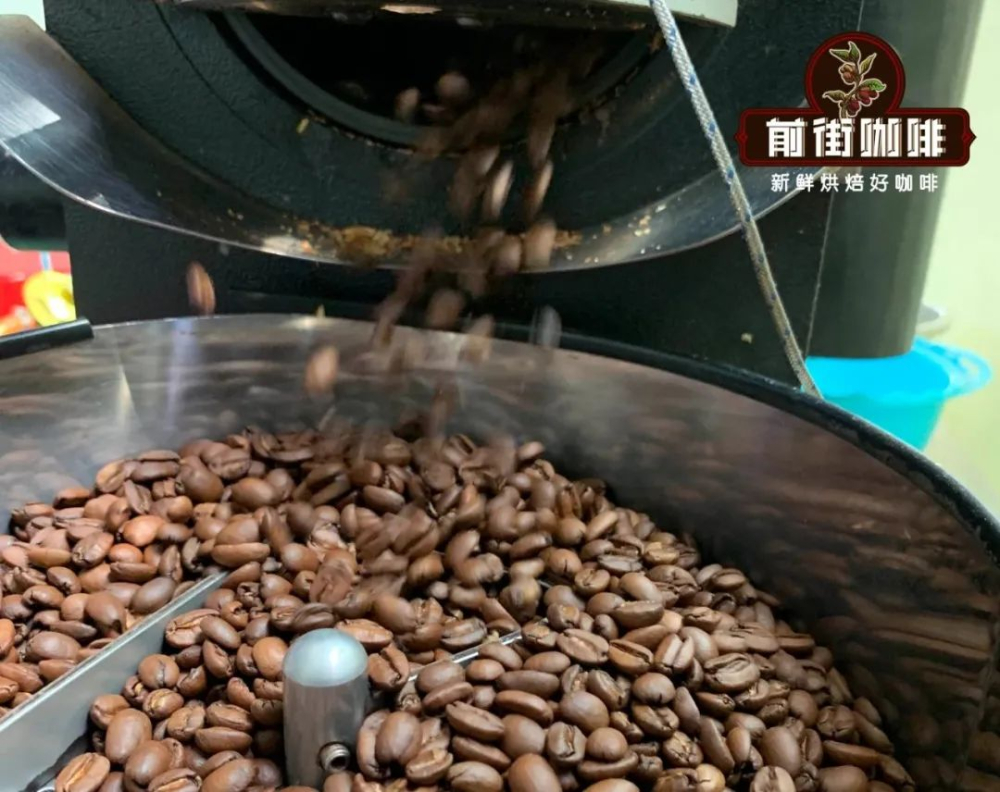
The standard cupping process can be roughly divided into several key steps. First is sample preparation. It’s generally recommended to use coffee beans roasted within 8 to 24 hours prior, ground at a specific ratio to facilitate the subsequent expression of flavors. Next is the dry aroma evaluation—this means smelling the aromas released by the coffee grounds before pouring water, capturing the most original characteristics of the dry fragrance.
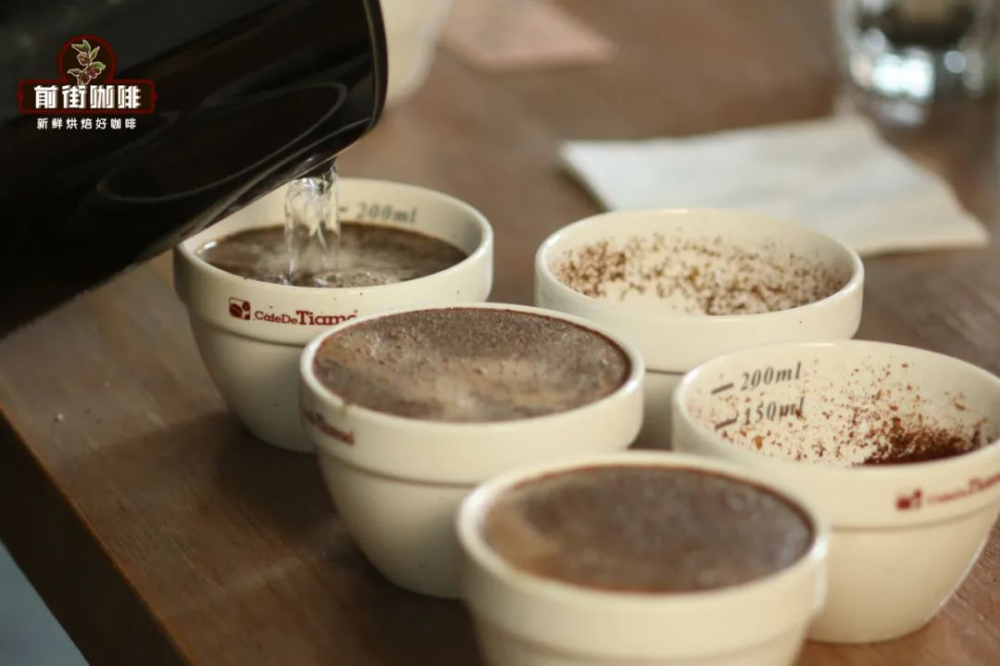
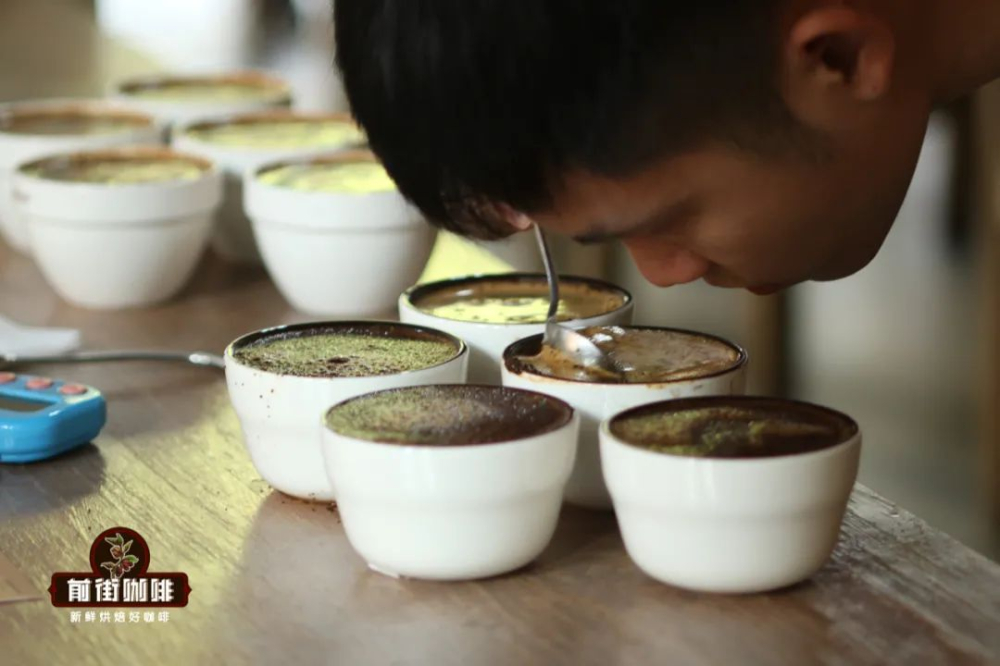
Then comes the water pouring and soaking stage. The amount of water and duration must be strictly controlled, usually using a specific coffee-to-water ratio and water temperature to extract various flavor compounds from the coffee. After pouring, wait for some time to allow the coffee grounds to fully bloom, then perform the “crust breaking” action and gently skim off the surface foam. Once the coffee liquor cools to an appropriate temperature, the cupper can use a cupping spoon to slurp the coffee, atomizing the liquid and distributing it evenly across the palate to further perceive details such as flavor layers, acidity, body, and aftertaste.
In real-world operational environments, it's advisable to minimize distractions—such as avoiding strong odors nearby—and to standardize variables like grind size, water temperature, and coffee-to-water ratio to ensure that each cupping result is comparable. According to industry practice, a commonly used cupping ratio is 8.25 grams of coffee per 150 milliliters of hot water, with the water temperature recommended to be maintained between 93 to 94 degrees Celsius. These parameters can fully bring out the flavor characteristics of the coffee without over-extraction.
Additionally, the spoons used during cupping should be cleaned and preheated beforehand, and rinsed clean before each sampling to prevent residual tastes from affecting judgment. These seemingly minor details are important factors influencing the accuracy of cupping—especially for professionals who need to conduct long-term sample comparisons, where they become even more critical.
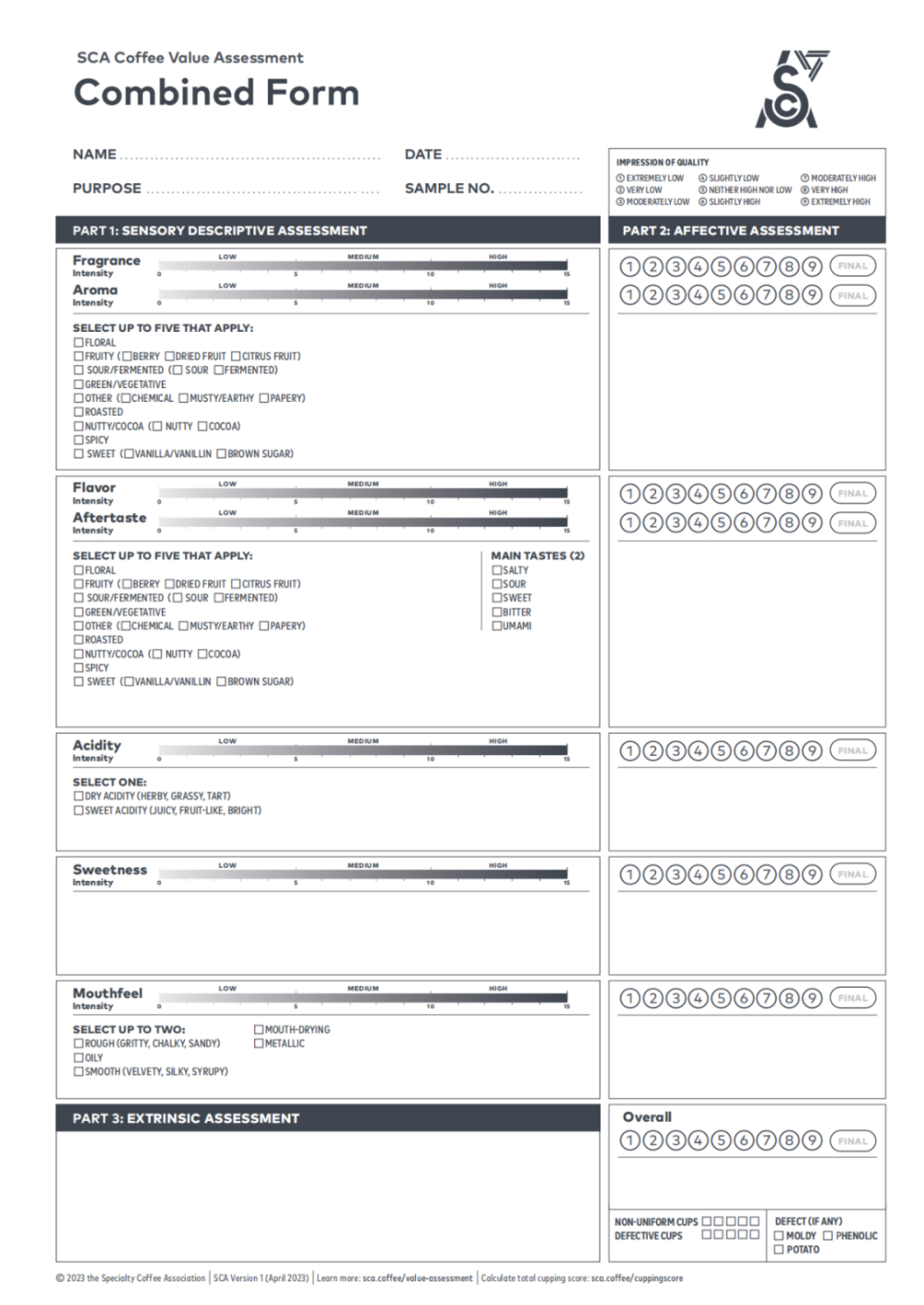
If you want to learn more about the differences between the old and new versions, you can refer to the SCAA and SCA cupping form images provided in this article, which are convenient for comparison and printing. The old version leans more toward traditional scoring logic, while the new version is closer to the actual needs of today’s specialty coffee market. Whether you want to stick with the old standards or adopt the new ones, you can choose the appropriate version according to your needs.
It’s worth noting that cupping scores are essentially a relative comparison tool, not an absolute standard. In practice, besides numerical scores, the cupper’s sensory training and ongoing calibration are equally important. Many professional cuppers recommend regularly participating in cupping sessions and exchanging insights with peers, as this can effectively enhance one’s sensitivity to flavors and defects, thereby improving the consistency and accuracy of evaluations.
In summary, whether you choose the old SCAA cupping form or the new SCA scoring sheet, the core spirit lies in faithfully presenting the essential characteristics of the coffee through a standardized process. As long as you master the correct cupping steps, familiarize yourself with the definition of each scoring item, and draw on industry practical experience, you can make the entire cupping process smoother and establish a solid foundation for discussions and improvements in coffee quality.
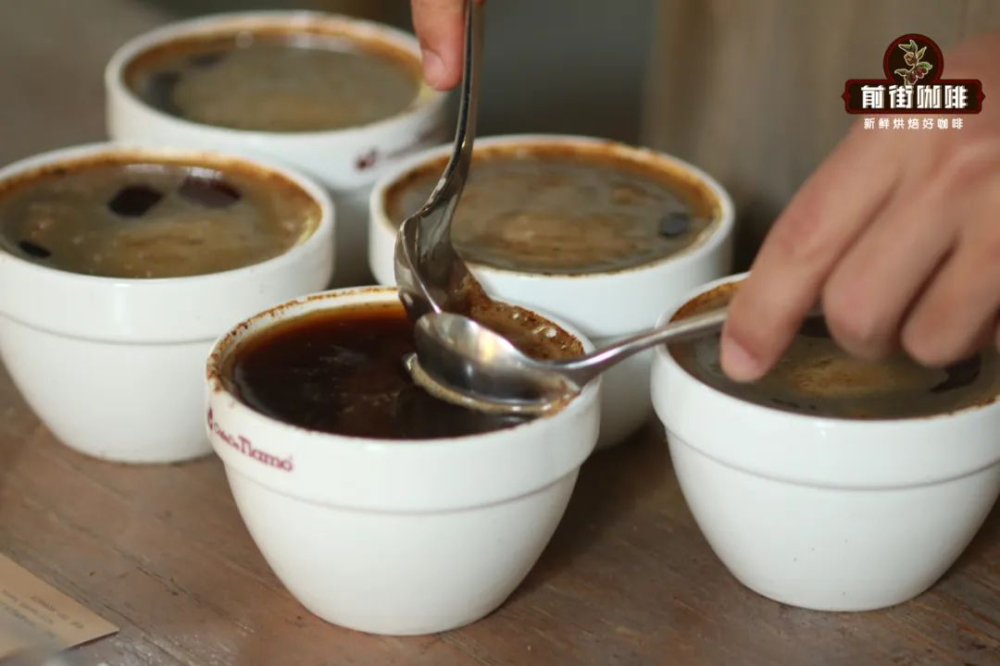
For beginners in cupping, it’s recommended to start by familiarizing yourself with the basic steps and gradually build the ability to identify various flavors and defects. For those with some experience, you can further refine your ability to capture subtle differences and calibrate your sensory judgment through repeated practice. Only through continuous practice and exchange can you truly grasp the essence of cupping.
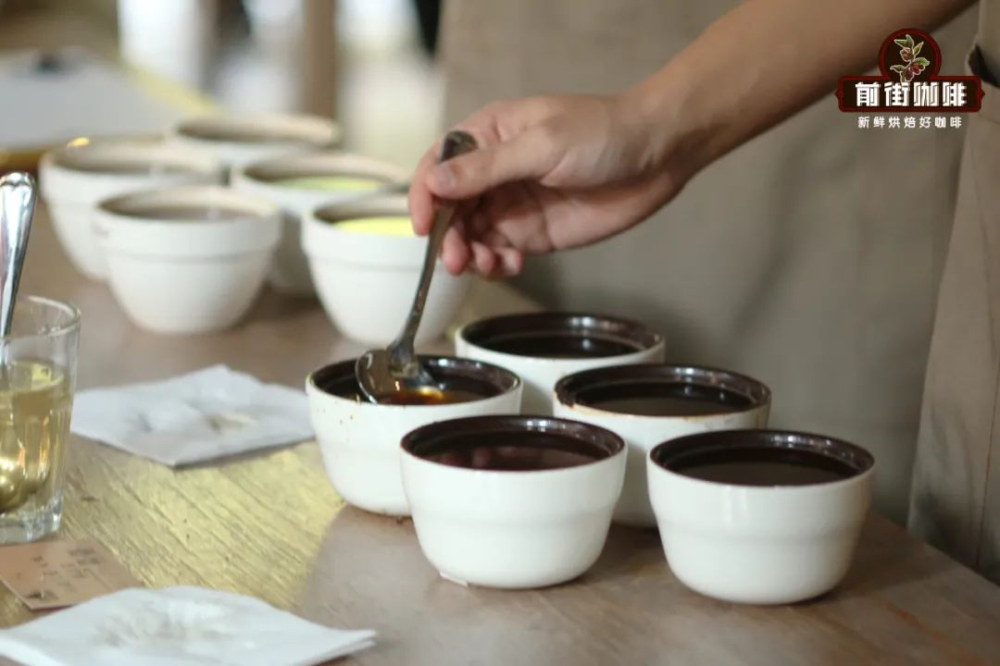
Finally, don’t forget to refer to the new and old cupping form images provided in this article—they not only help you quickly understand the evolution of the scoring structure, but can also serve as a practical reference tool during daily cuppings. Whether for self-improvement or ensuring consistency in team evaluations, these materials can be extremely useful.
Cupping is not just a technique—it’s an art. Only by approaching every step with respect and focus can you truly appreciate the depth and charm of coffee.
The above content is compiled by CoffeeHunters, a coffee news website.


