







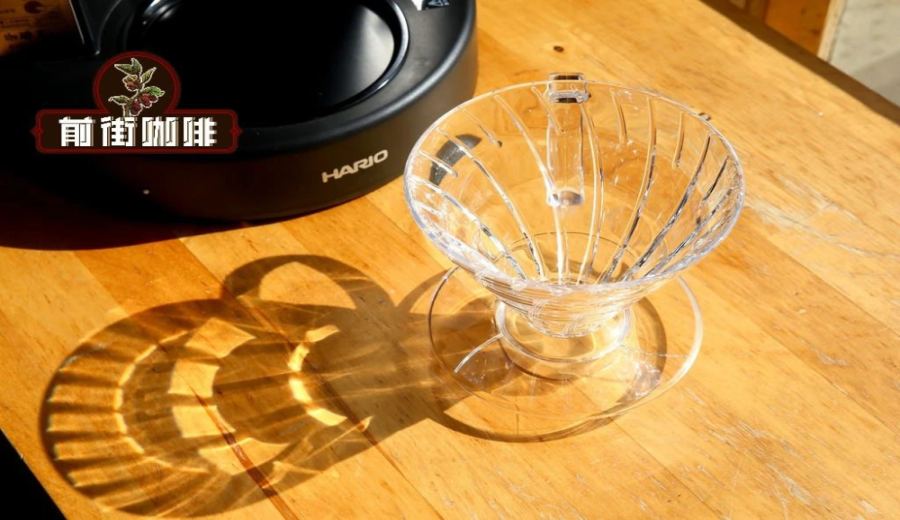
Introduction:The Hario V60 is a favorite among many pour over coffee enthusiasts. Its distinctive 60-degree conical structure and spiral rib design not only influence extraction efficiency but also directly affect the expression of flavor layers. This article delves into the design mechanics of the V60, exploring how the spiral ribs guide water flow and impact flow rate, while further explaining the practical differences between clockwise and counterclockwise pouring. It also provides a practical three-stage extraction parameter guide and operational tips to help you more precisely harness the brewing potential of this classic dripper.
In the world of pour over coffee, the Hario V60 has long ranked high on the list of popular drippers due to its simple design and outstanding performance. Its most iconic design elements include a 60-degree cone angle, a large central drainage hole, and the unique spiral rib structure on the inner wall of the dripper. These design features not only accelerate filtration speed but also have a profound impact on coffee grounds distribution, water flow paths, and the final extracted flavors.
Design Highlights of the V60 DripperLie in its 60-degree conical shape, which allows coffee grounds to naturally concentrate toward the bottom while guiding the poured water to converge at the center. This extends the contact time between water and coffee grounds, aiding in the full release of flavor compounds. In addition, the large hole at the bottom of the dripper significantly improves drainage efficiency, making the overall extraction process smoother and faster.
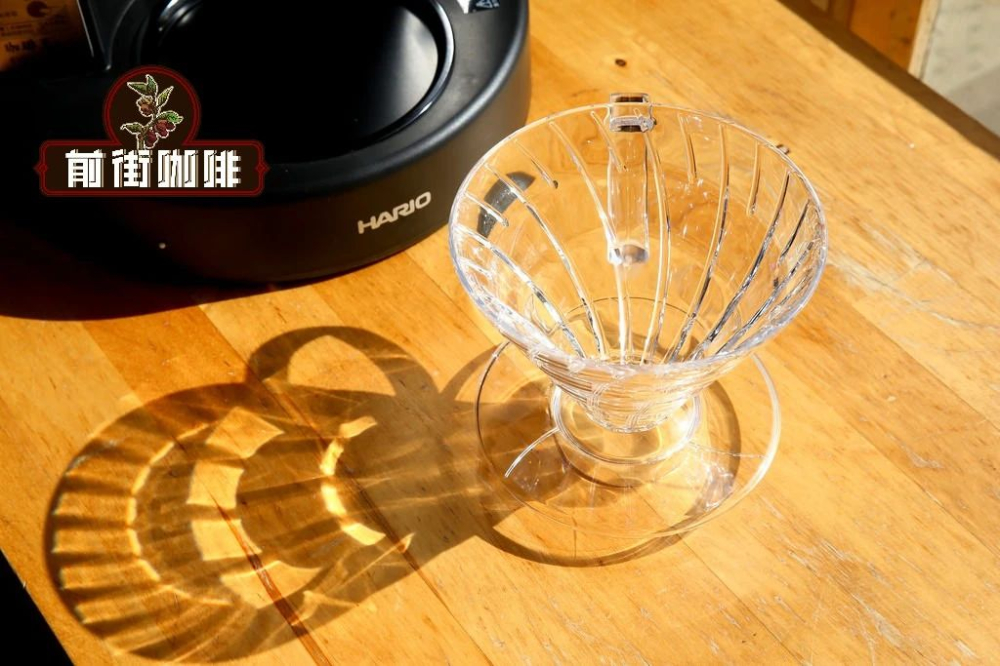
The spiral ribs on the inner wall are a key feature. Extending from the bottom to the top of the dripper, they not only create a gap between the filter paper and the dripper wall to promote airflow, but also guide the water to flow downward along the spiral path. This design extends the contact time between coffee grounds and hot water, while the natural convergence of water toward the center creates a sort of “squeezing” effect, further enhancing the layering and clarity of the extraction.
It’s worth noting that the spiral ribs of the V60 are arranged in aclockwise direction. When using a clockwise pouring motion in the same direction, the water can flow more smoothly along the rib pattern, reducing resistance and helping to stabilize the flow rate. Conversely, if you choose a counterclockwise pouring direction, the relative motion between the water and the rib pattern can cause certain disturbances, thereby affecting flow rate stability—this may increase control difficulty for beginners.
Due to the relatively fast drainage speed of the V60, in practice,a stable and even pouring techniqueis especially important. Uneven pouring or excessive fluctuations in speed can easily lead to under-extraction in some areas or over-extraction in others, thereby affecting the overall balance of flavors.
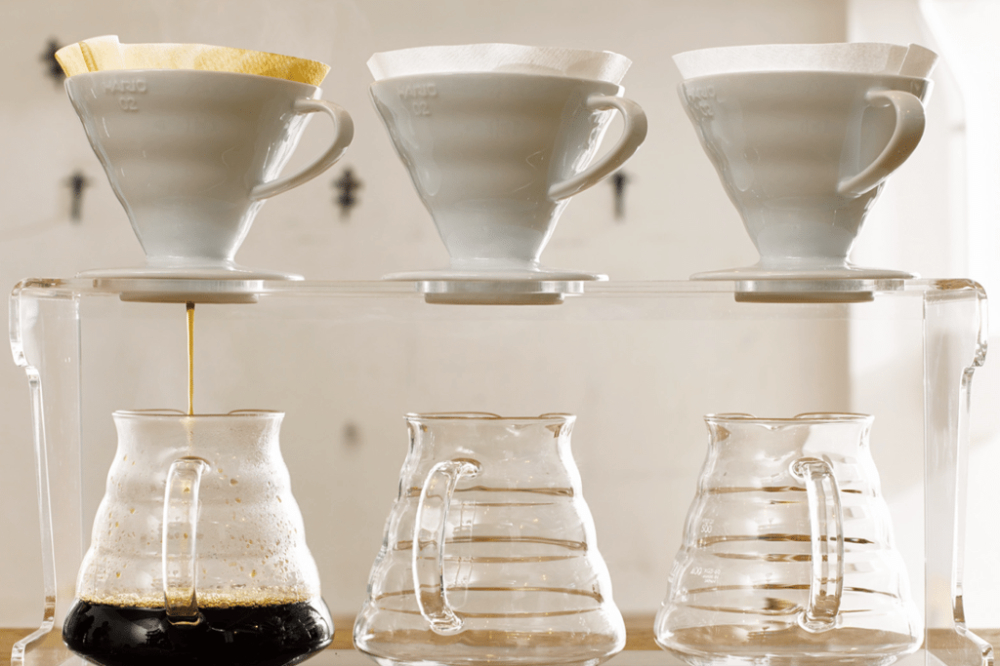
In practical applications, many professional baristas adjust grind size and pouring strategies based on the characteristics of the V60. For example, to compensate for its fast drainage, they often opt fora slightly finer grindto increase the contact area between coffee grounds and water, thus improving extraction yield. However, an overly fine grind may also cause the coffee bed to become too compact and increase water resistance, slowing down the overall flow rate or even leading to over-extraction or off-flavors. Therefore, it is recommended to optimize the pouring technique alongside grind adjustments to ensure even saturation of the coffee bed and stable, controlled flow rate.
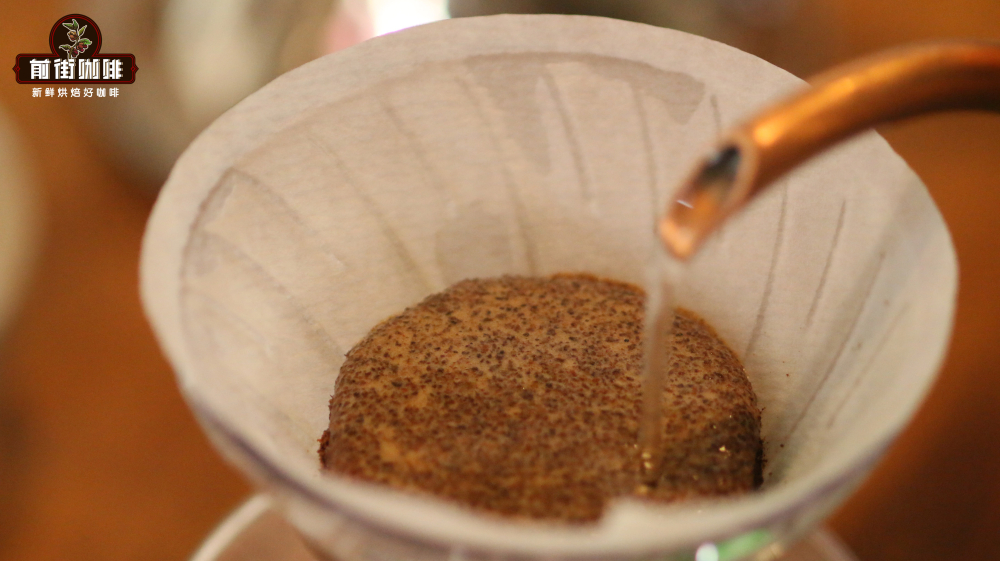
Taking the common three-stage pour over process as an example: during the bloom phase, use a small stream of water to gently wet all the coffee grounds starting from the center of the dripper. This step lasts about 30 seconds and helps the coffee grounds expand and release initial aromas. Next, move on to the first stage of pouring, where it’s recommended to pour with a steady medium stream in circular motions to evenly saturate the coffee bed while avoiding direct impact on the bottom to prevent premature drainage.
In the mid-to-late stages, you can appropriately adjust the pouring circle range and water flow intensity to control the spread and settling rhythm of the coffee bed, avoiding excessive disturbance that might cause fine particles to enter the decanter. Through such segmented pouring control, you can more precisely manage extraction time and flavor release, ultimately achieving a pour over coffee with distinct layers and a refreshing mouthfeel.
In summary, the spiral ribs and conical design of the Hario V60 offer a high degree of flexibility in pour over extraction, but also place certain demands on the brewer’s technique. Understanding its design principles, mastering the interaction between water flow and pouring direction, and combining them with appropriate grind size and segmented pouring strategies will help you fully unlock the potential of this classic dripper, brewing coffee with clear flavors and rich layers.
The above content is compiled by CoffeeHunters, a coffee news website.


