







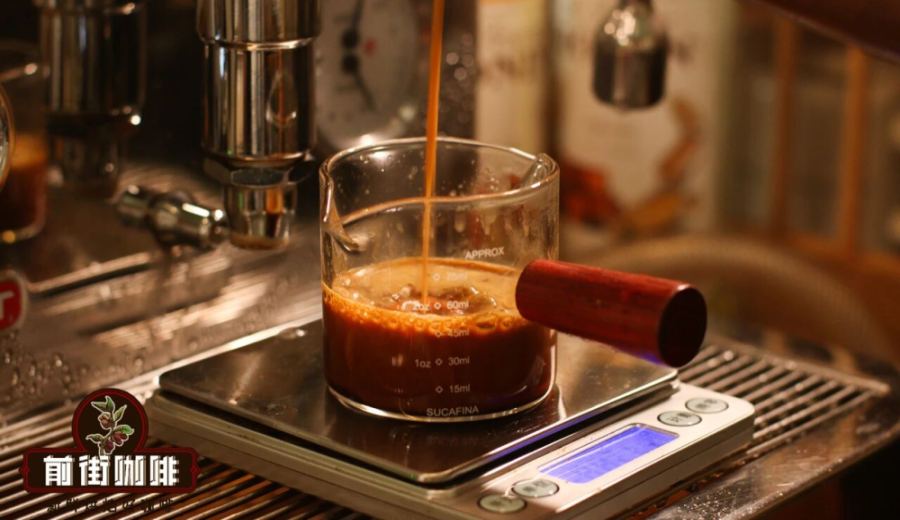
Introduction:Choosing the right espresso blend is key to brewing a rich, balanced, and full-bodied cup of coffee. Most commercial espresso is based on blends due to their stable flavor profile and layered complexity, making them ideal for milk-based drinks or drinking straight. This article takes you through how to select the perfect espresso blend for your taste—from the reputation of roasters, personal preferences, to detailed product analysis. We also provide five different blend recommendations with varying flavor profiles to help you find your ideal match.
Many coffee enthusiasts often face a common dilemma when selecting espresso beans: how to choose a blend that is both rich and full-bodied, yet free from burnt bitterness or excessive acidity? In fact, it’s no coincidence that most espresso on the market is made from blends. Single-origin espresso often results in a thin body with overly prominent acidity—even when milk or sugar is added, its sharp sourness can still be hard to mask. Additionally, since coffee is an agricultural product, seasonal climate and harvest conditions vary each year, making single-origin beans prone to inconsistent flavors. Blends, on the other hand, balance the strengths of beans from different regions, ensuring a more consistent extraction.
So, where should you start to find the ideal espresso blend? This article will guide you step by step—from choosing a trustworthy roaster, clarifying your personal taste needs, to specific product recommendations—to help you build a clear purchasing mindset. Two image placeholders are included for easy reference.
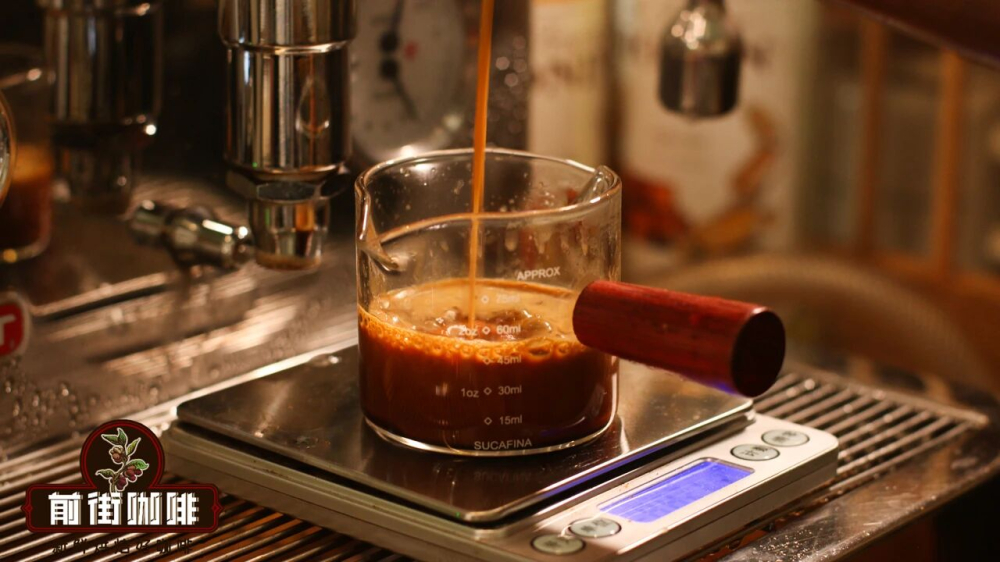
First and foremost, choosing a reputable roaster known for consistent quality is crucial. With the wide variance in coffee bean quality on the market, accidentally buying stale or untraceable beans can not only affect flavor but also waste money and ruin your brewing experience. Therefore, it’s recommended to prioritize long-established roasters with a strong market reputation. This ensures bean freshness as well as access to more professional roasting advice and flavor descriptions.
When selecting the right espresso blend for yourself, the second step is to clarify your personal drinking preferences and practical needs. If you mostly enjoy milk-based coffees like lattes or cappuccinos, medium-to-dark roasted blends usually offer a fuller body and moderate acidity, which helps integrate well with milk. If you prefer clean black coffee, such as Americano or orange C americano, consider a medium-roasted blend with bright fruity notes. For those who love latte art or are drawn to intense, roasted flavors, dark roasted blends are more suitable.
Moving on to the actual selection process, here are five espresso blend recommendations with different flavor directions for you to choose from based on your preference:
1. Rich and Full-Bodied Option: Classic Espresso Blend
This blend draws inspiration from the classic “Mocha Java” combination—Indonesian Mandheling and Brazilian beans—which complement each other to deliver a balanced and full-bodied taste. On this foundation, Robusta beans are added to significantly enhance crema performance, resulting in an espresso that is richer, smoother, and especially ideal for home lattes and latte art. The crema layers are distinct and easy to work with.
2. Floral and Fruity Option: Strawberry Candy Espresso Blend
If you prefer espresso with floral and fruity characteristics, a medium-roasted blend is recommended. This blend combines honey-processed beans from Costa Rica’s Tarrazú and Ethiopia, along with some Colombian beans. It produces delicate crema and a soft texture, with aftertastes reminiscent of strawberry taffy—sweet and tangy. It’s great for making Americanos or lattes, offering a refreshing and non-cloying flavor.
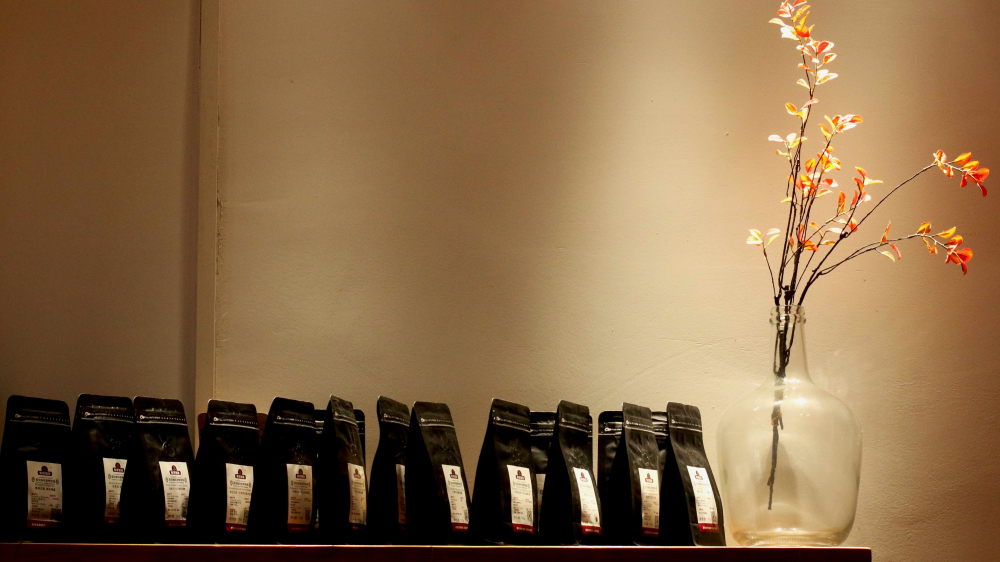
3. Nutty and Intense Option: Premium Espresso Blend
This blend primarily uses beans from Brazil and Colombia. Brazilian beans bring out pronounced nutty aromas and a balanced taste, while Colombian beans add notes of chocolate and slight caramel. The overall extraction yields flavors of butter cookies, cocoa, and roasted nuts, with low acidity and high body—perfect for those who don’t enjoy overly acidic coffee. It performs steadily whether used for Americano or latte.
4. Café-Style Option: Commercial Espresso Blend
Want to recreate the common café-style Americano and latte flavors at home? This commercial-grade blend, made from Brazilian, Colombian, and Vietnamese beans, is medium-to-dark roasted, offering rich crema and noticeable toasty aroma. The brewed Americano has a mellow and smooth taste, while the latte is rich, silky, and has a long-lasting finish. It’s also affordably priced, making it an excellent everyday bean for home use.
5. Budget-Friendly Option: Basic Espresso Blend
For beginners or those on a budget, this basic-grade blend delivers gentle fruit acidity, caramel sweetness, and layers of nutty and dark chocolate flavors. It has a smooth mouthfeel and moderate body. Affordable and great for home users or small cafés as a daily option, this blend offers outstanding cost-performance.
In summary, when selecting an espresso blend, start with the roaster’s reputation and your personal taste preferences, then choose the most suitable blend based on your actual brewing purpose and budget. Through continuous experimentation and adjustment, you’ll find the espresso blend that best suits your palate and enjoy every moment of your rich, full-bodied coffee experience.
The above content is compiled by CoffeeHunters, a coffee news website.


