







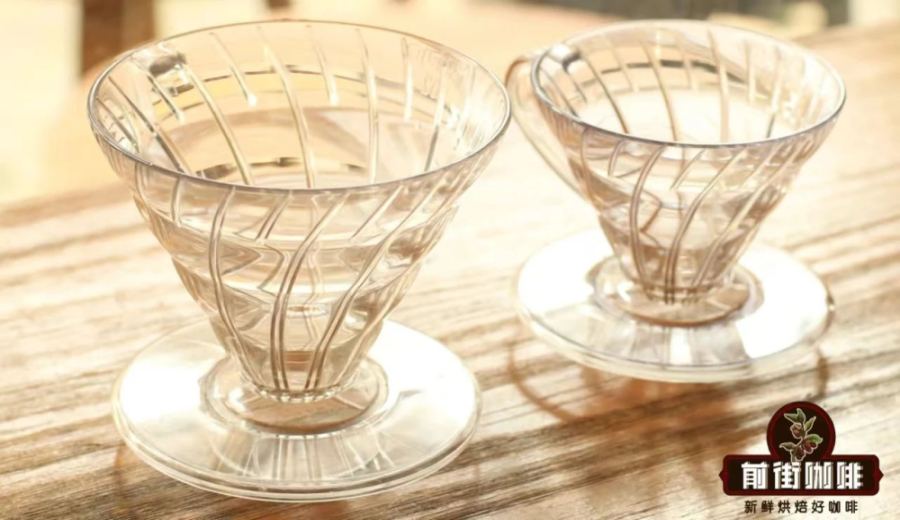
Introduction:The Hario V60 dripper, with its distinctive 60-degree cone angle and spiral rib design, has become one of the most widely used tools among pour over coffee enthusiasts. This article delves into the design logic and material variations of the V60, and takes a practical example of a three-stage extraction using 15 grams of coffee grounds and a 1:15 coffee-to-water ratio to guide you in mastering the bloom, pouring rhythm, and timing control—helping you consistently brew a pour over coffee with clear layers and balanced flavors.
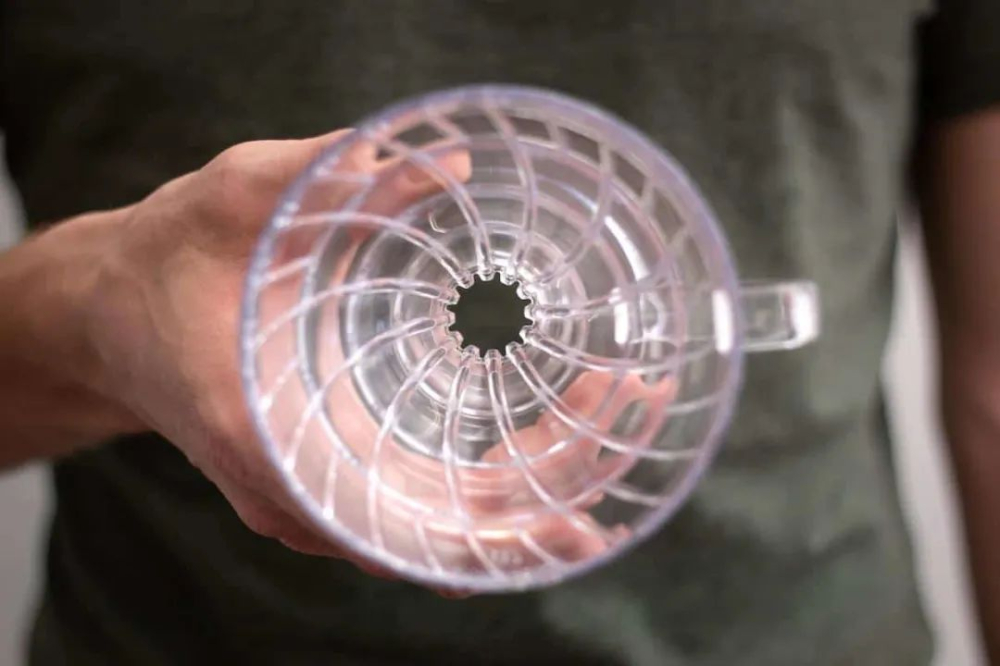
The reason the V60 dripper is favored by many baristas and home brewers lies in its unique structural design: the evenly distributed spiral ribs on the inner wall of the dripper, paired with a larger central drainage hole, effectively guide the water to flow quickly through the filter paper while extending the contact path between hot water and coffee grounds. This design not only improves extraction efficiency but also brings out a richer layering of coffee flavors.
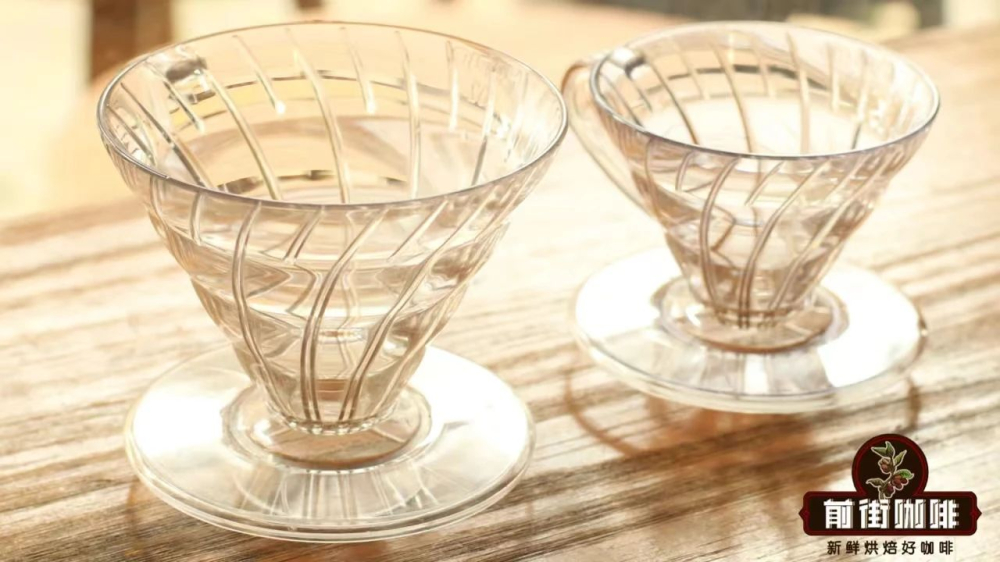
Exploring the design principles of the V60 dripper in depth, its most iconic features are undoubtedly the spirally arranged ribs and the large-diameter central drainage hole. These ribs create gaps along the inner wall of the dripper, preventing the filter paper from fully adhering to the cup walls, thereby creating more space for air circulation and accelerating the flow of water. The spiral-shaped venting grooves cleverly extend the water’s travel distance, allowing the coffee grounds to release flavor compounds more fully during the soaking process. Additionally, the water flows along these grooves toward the center of the dripper, applying more concentrated pressure on the coffee bed, which helps extract a finer and more balanced taste.
When it comes to the origins of the V60 dripper, its design was inspired by the mathematical concept of a parabola. Initially, it was designed to simulate a more concentrated water flow path, reducing the risk of over-extraction of the coffee grounds. Over time, designers adjusted the original parabolic structure to one closer to a conical shape, eventually settling on the familiar “V” shape we know today. The number “60” refers to its 60-degree cone angle, which is also the origin of the name V60.
Currently, the V60 dripper is available in the market in a variety of materials, including resin, ceramic, glass, copper, and stainless steel. Although different materials vary in appearance and thermal conductivity, their internal structures—including the spiral ribs and large-diameter drainage design—remain consistent, ensuring the same basic extraction characteristics. When choosing a material, you can decide based on personal feel, heat retention needs, and aesthetic preference.
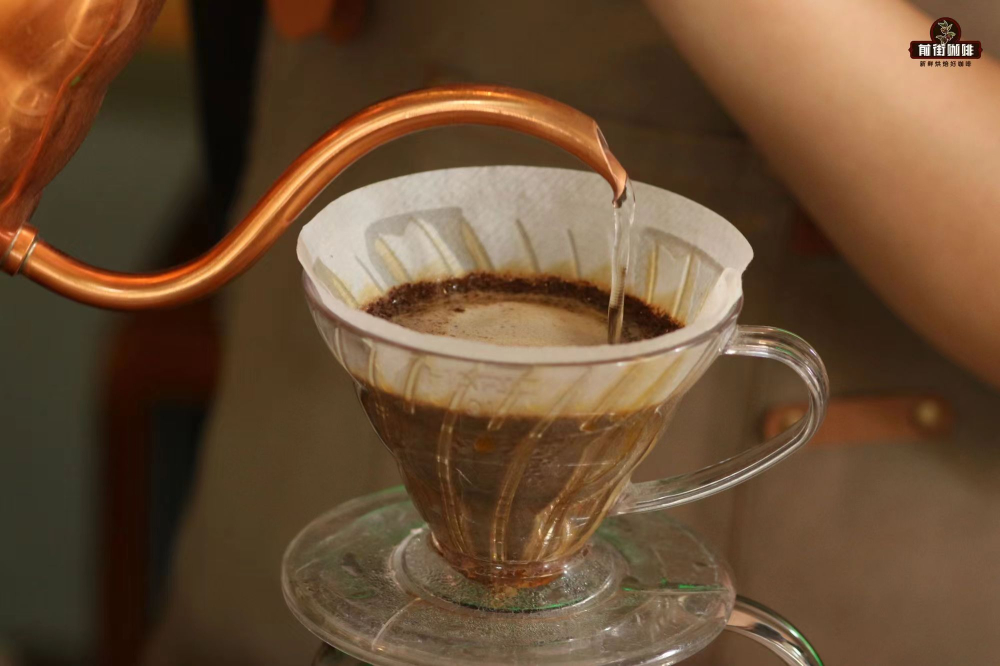
When using the V60 for pour over brewing, it is recommended to use finely ground coffee to increase the contact area between coffee and water, aiding in flavor extraction. However, overly fine grinding may cause the coffee grounds to accumulate at the bottom of the filter paper, increasing water resistance and thus prolonging extraction time, which can easily lead to over-extracted flavors such as woody or off-notes. Therefore, stable and even pouring technique is crucial, and beginners are advised to practice controlling the water stream and maintaining a consistent flow rate.
In practice, taking 15 grams of coffee grounds with a 1:15 coffee-to-water ratio (total water volume 225 grams) as an example, a three-stage pouring method can more effectively control the overall extraction rhythm. First, during the bloom phase, pour 30 grams of water and let it sit for 30 seconds. It is recommended that the water stream be fine and focused on the center of the coffee bed to ensure all grounds are evenly wetted. The bloom not only preheats the dripper but also awakens the coffee grounds, laying a solid foundation for subsequent extraction.
After the bloom, move on to the second pour, steadily adding 95 grams of water with a slightly larger stream, aiming to lift the coffee bed and promote even diffusion. This stage recommends a vertical water stream with a consistent flow rate, aiming to complete the pour around the 55-second mark, with a cumulative water volume of 125 grams. Then, when the liquid level drops to about halfway down the dripper, begin the final pour, slowly circling with a small stream to add 100 grams of water. Be mindful to control the range of your pouring circle to avoid large movements that could disperse the coffee bed, affecting extraction evenness. The total extraction time should be controlled to around 2 minutes, yielding approximately 200 grams of brewed coffee.
Through this segmented extraction method, both extraction efficiency and flavor balance can be achieved, reducing the risks of over-extraction or uneven extraction. Especially in the third stage, the technique of pouring in small circles helps stabilize the flow rate and avoids excessive disturbance of the coffee bed, thereby preserving more delicate aromas and sweetness.
The final brewed coffee often showcases bright berry and lemon acidity, accompanied by the clean sweetness of sugarcane and melon. As the temperature drops, the aftertaste transitions into a soft green-tea-like tone, with an overall presentation that is layered and well-coordinated. This flavor profile is precisely the result of the perfect combination of the V60 dripper’s structure and precise pour over techniques.
The above content is compiled by CoffeeHunters, a coffee news website.


