







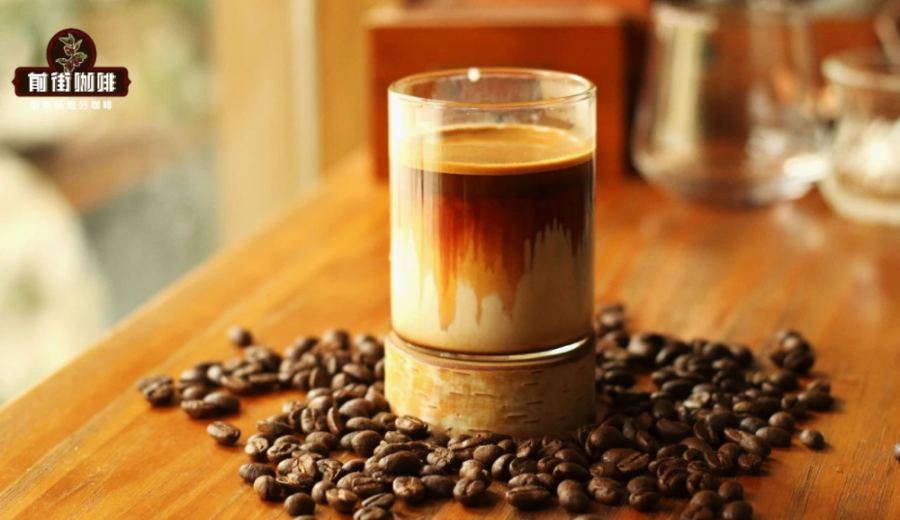
Introduction:Dirty coffee, with its unique visual contrast and the interplay of hot and cold flavors, has become a popular choice among coffee enthusiasts eager to replicate. However, many encounter issues such as poor layering and weak flavor when making it at home. This article delves into the full process of Dirty coffee—from bean selection and equipment to brewing techniques—analyzes common reasons for failure and offers improvement tips. It also compares the fundamental differences between Dirty and latte, helping you master a perfect Dirty that excels in both appearance and taste.
Dirty coffee, beloved for its "dirty" visual effect and the layered experience of hot and cold, is a favorite among many coffee lovers. This beverage, which involves pouring espresso directly over ice-cold milk, delivers a double delight of sight and taste as the coffee slowly sinks and blends with the milk. However, many who try to replicate it at home often face problems like failed layering or the coffee and milk quickly mixing.
Making Dirty coffee actually involves many details, from selecting the right coffee beans and cup type to controlling the extraction distance and milk texture—each step can affect the final layering effect and overall flavor. Below, we’ll break down the five key aspects, gradually dissecting the common causes of failed Dirty layering, offering practical improvement suggestions, and analyzing the essential differences between Dirty and latte to help you create a Dirty coffee that is both visually appealing and smooth in taste.
First,the choice of coffee beans is crucial. Dirty coffee emphasizes the crema and rich flavor of espresso, so it’s recommended to choose beans with medium to dark roasts. Light roast beans usually have brighter flavors but weaker crema, which is not conducive to forming clear layers and a bold taste. It’s suggested to use a blend that includes Brazilian, Indonesian, and Vietnamese beans—these beans offer balanced flavors, pronounced roast notes, and can produce rich golden crema, forming the foundation of an excellent Dirty.

Second,the choice of cup type also affects layering. It’s recommended to use a tall glass with a narrow mouth, which helps slow down the blending of coffee and milk, creating better visual layering. Wide and short cups can cause the coffee to spread quickly, making distinct layers harder to achieve. Additionally, pre-chilling the cup can further reduce temperature conduction from the coffee, slowing down penetration and helping maintain layering and overall drink flavor.
During extraction,the distance between the portafilter and the cup is a key factor. If the portafilter is too far from the cup when extracting, the espresso will pour in as a high-speed stream, likely breaking through the milk surface and causing immediate mixing. The best approach is to place the cup close to the portafilter, allowing the coffee to flow in gently with lower impact, helping it float atop the milk and form clear layers. If equipment limitations prevent direct pouring, you can first catch the espresso in a small cup, then slowly pour it into the milk using a spoon to guide the flow along the spoon’s edge, achieving a layered effect.
Additionally,the concentration and crema content of the coffee are extremely important. Coffee brewed with tools like a moka pot, while flavorful, generally lacks the concentration and crema needed to support the layering and texture required for Dirty. Therefore, it’s recommended to use professional equipment capable of producing fine crema and high concentration, ensuring the coffee seeps slowly into the milk, prolonging layering duration, and delivering richer flavor layers.
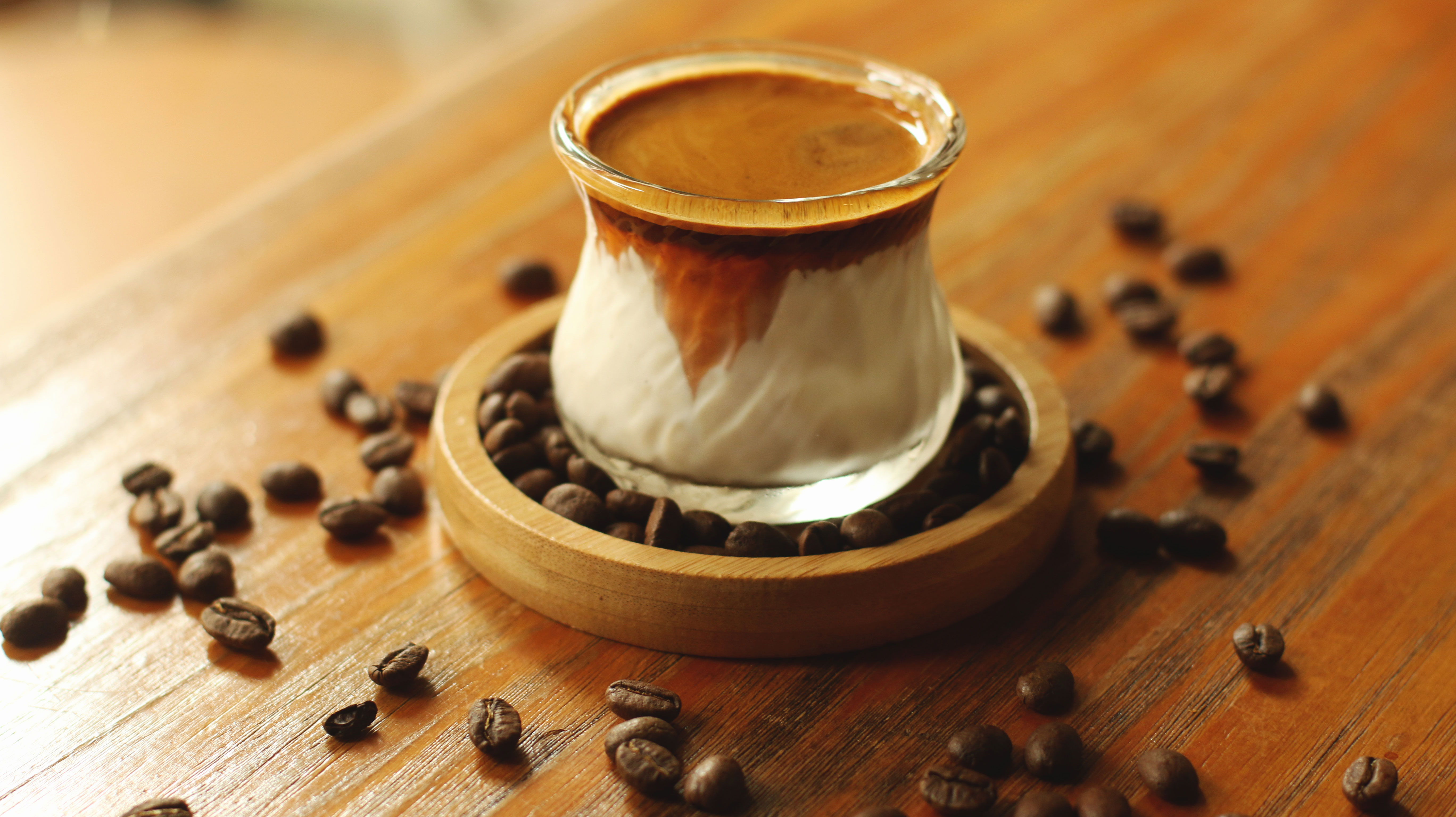
Finally,the choice and texture of milk also cannot be overlooked. Milk that is too thin cannot effectively support the coffee, leading to quick blending that affects both visual appeal and taste. It’s recommended to choose fresh milk with rich aroma and thick texture, such as common brands like Vitasoy, Wei Chuan, or Bright Dairy’s Fresh Meadow, all of which provide good support. For a more advanced taste, you can also try making condensed milk (i.e., ice cream milk), whose thick consistency can better hold the coffee, creating stable layers and offering a unique salty-cheese flavor.
Besides using just fresh milk, some also experiment with mixed ratios like "ice cream milk + fresh milk" to adjust to a moderate concentration base—this is also an experimental option worth trying. No matter which milk you choose, the key lies in its stable texture and supporting strength to ensure the Dirty coffee is both attractive and enjoyable.
In summary, the core difference between Dirty coffee and latte lies in presentation and drinking experience. Lattes are typically served hot, emphasizing the blend of milk foam and coffee for a smooth, uniform taste; Dirty, on the other hand, is served over ice, using the contrast of hot and cold and the visual layering to deliver an instant flavor impact and layered variation. Understanding these essential differences can help you adjust recipes and techniques according to your preferences, crafting the Dirty coffee that suits you best.
The above content is compiled by CoffeeHunters, a coffee news website.


