








Introduction:Have you ever wondered whether the same coffee beans can yield different flavors through various brewing methods? This article delves into the real-world performance of espresso blends and single-origin beans under two mainstream extraction methods—pour over and espresso. Starting from the fundamental principles of both, it analyzes differences in flavor and parameters, and uses practical examples to illustrate how to find the brewing setup that best suits your equipment and taste preferences.
In the world of coffee, whether the same coffee beans can present varying flavors through different methods is a common question among enthusiasts. This article begins with the core principles of pour over and espresso extraction, breaking down their differences in parameter settings, suitable bean types, and actual operation. It further explores whether espresso blends are suitable for pour over, and if single-origin beans can be used to brew espresso, using specific bean examples to provide practical reference information.
Currently, there are many ways to extract a cup of coffee—whether via espresso machines, pour over brewers, moka pots, or even cold brew and ice drip—all yielding distinctly different tastes and flavor profiles. Among these, espresso and pour over are the two most common methods, and consumers often wonder about the possibility of using them interchangeably. Can an espresso blend take on the role of a pour over bean? And can a typical pour over single-origin bean be used to make espresso? The answers lie in the details of extraction logic and roast design.
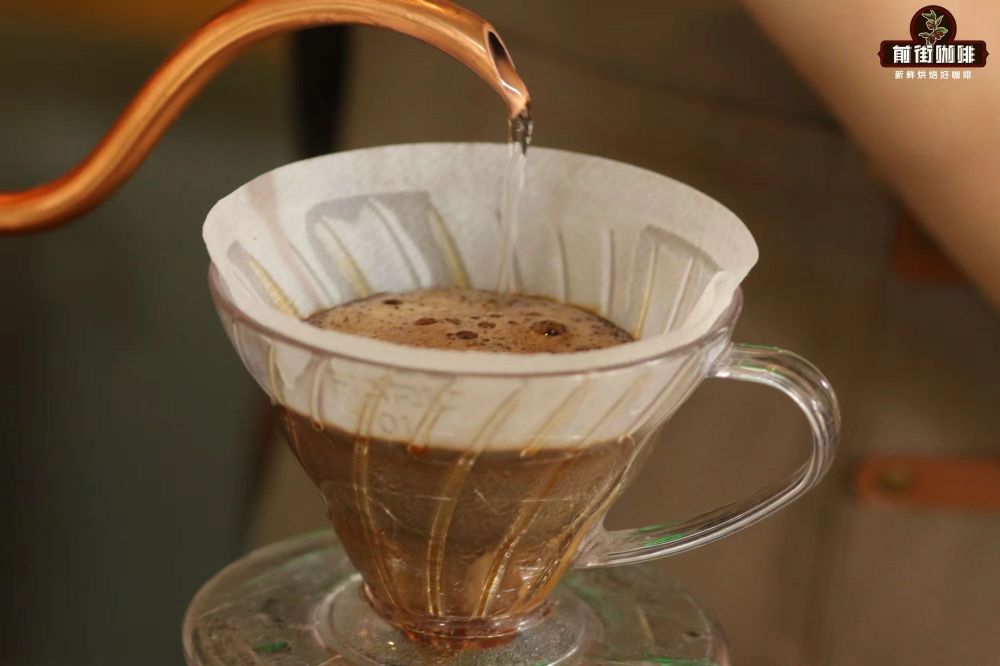
Pour over coffee is a type of drip filtration extraction, relying on hot water slowly passing through the coffee grounds to release aroma and soluble substances. Typically, basic pour over setups include a filter dripper, grinder, paper filters, a scale, and a gooseneck kettle. For a common pour over recipe, around 15 grams of coffee beans are ground to a fineness where approximately 70%–80% passes through a #20 sieve, paired with a 1:15 coffee-to-water ratio. Water at 87–93°C is poured in stages, which helps control extraction uniformity and highlights the bean’s diverse flavor layers.
In contrast, espresso extraction follows a completely different logic. Espresso is produced by using extremely fine grind size and high pressure (typically around 9 bar) to extract a small amount of thick coffee in just about 25–30 seconds. Its defining feature is the golden, velvety crema on the surface—a product of the interaction between high pressure and freshly roasted beans, giving espresso its unique mouthfeel and bold flavors. In practice, some cafés dynamically adjust parameters based on the condition of the espresso blend in use—for example, extracting 40 grams of liquid from 20 grams of coffee grounds, with total extraction time controlled around 29 seconds to achieve optimal balance.
Returning to the original question: can espresso blends be used for pour over? The answer is yes, but with conditions. Since espresso blends are typically medium to dark roasted and often consist of beans from multiple origins—designed to deliver stable and balanced flavor profiles under high pressure—such beans may result in under-extraction when switched to drip methods, leading to thin flavors or even excessive bitterness. However, some distinctly flavorful espresso blends, such as the “Strawberry Sugar Espresso Blend” combining Colombian washed, Ethiopian natural, and Costa Rican honey-processed beans, can still exhibit excellent floral-fruity notes and creamy texture in pour over mode, making them suitable for home users seeking unique flavors.
So, can single-origin pour over beans be used for espresso? The answer is also “yes, but choose carefully.” Since espresso extraction amplifies all characteristics of the beans, what might be gentle acidity in pour over could become overly sharp under high pressure, while body may turn into noticeable bitterness. Therefore, it’s recommended to select single-origin beans with medium or medium-dark roasts and more balanced flavors to improve compatibility and extraction success. Below are some representative single-origin beans and their practical applications:
First up is the “Yirgacheffe Red Cherry Natural Coffee Bean.” In pour over, this bean is known for its sweetness and bright fruity notes. When switched to espresso extraction (with adjusted grind size), the resulting shot still showcases a blend of berry and caramel flavors, with delicate, pale-yellow crema and a balanced sweet-acid profile—adding steamed milk enhances its creamy sweetness.
Next is the “Mozart Coffee Bean,” which uses anaerobic honey processing to preserve the pulp layer during fermentation, resulting in outstanding sweetness. In pour over, it exhibits intense rose and raisin aromas, but when brewed as a single-origin espresso (SOE), it delivers strong tropical fruit and fermented complex flavors—ideal for those who enjoy bold profiles.
Finally, we recommend the “Brazilian Queen Estate Yellow Bourbon Coffee Bean.” This medium-dark roasted bean from Brazil naturally features nutty, creamy, and peanutty tones, with a rich chocolatey finish. When extracted as an SOE, it produces thick crema and offers full-bodied aroma even in milk-based drinks—an easy-to-approach and reliable choice.
In summary, although the essence of espresso and pour over extraction methods differs greatly, as long as you understand their core principles and suitable conditions, many beans can surprise you with cross-method flavors. Whether you prefer bright fruit acids or rich chocolate notes, adjusting grind size, water temperature, and pressure according to the bean’s characteristics will help you find your ideal brewing method.
The above content is compiled by CoffeeHunters, a coffee news website.


