







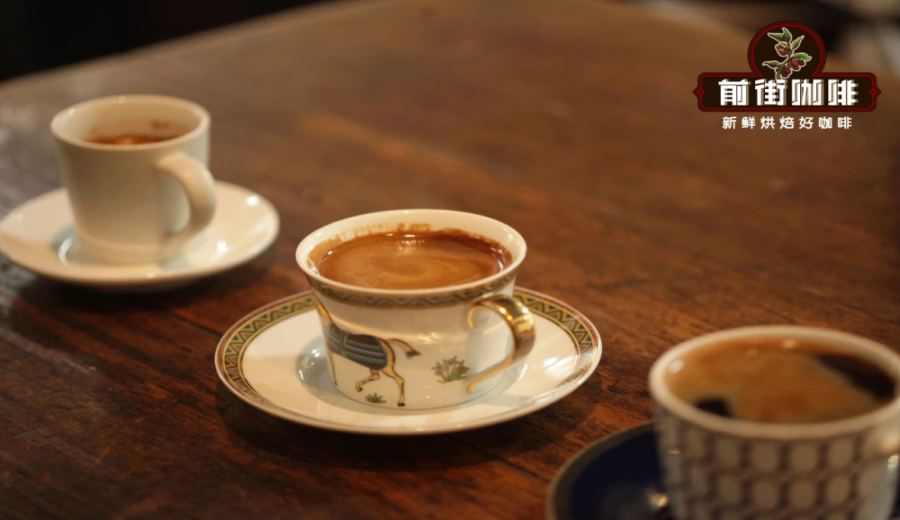
Introduction:Want to uncover the blending secrets and roasting techniques of espresso beans? This article dives deep into the definition of espresso beans, blending methods (pre-blend vs. post-blend), roast level selection, as well as the characteristics of common Arabica-Robusta blends, 100% Arabica blends, and single-origin SOE. Through practical analysis and popular market examples, it helps coffee enthusiasts choose the right espresso beans based on their taste preferences—beneficial for both beginners and advanced coffee lovers.
Many novice coffee enthusiasts often confuse the concepts of espresso and single-origin coffee, especially when it comes to which beans are suitable for brewing espresso. In fact, common coffee drinks like lattes and cappuccinos are all made using espresso as the base. And these espressos usually come from blends specifically designed for espresso machines.
So-called espresso beans are beans specially crafted for high-pressure steam extraction in espresso machines. These beans are typically composed of coffee beans from different origins, blended in specific proportions—what we call "blended beans." However, in recent years, more and more coffee lovers have been experimenting with single-origin beans (i.e., SOE, Single Origin Espresso) to brew espresso, showcasing unique flavor personalities.
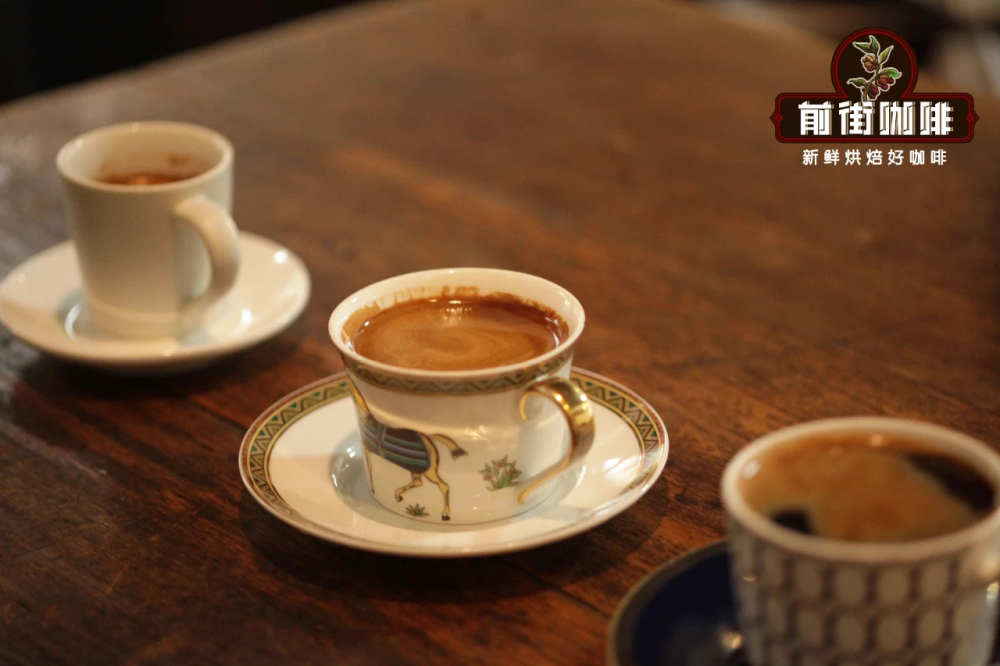
The roasting methods for blended beans mainly fall into two categories: "pre-blend" and "post-blend." The former involves blending green beans from various origins first, then roasting them all together to a medium-dark level, which helps unify the flavor direction. The latter means roasting beans from different origins separately before blending them according to proportion. Regardless of the method chosen, roasters must fully understand the characteristics of each variety and origin—including acidity, sweetness, body, and aroma profile—to create a balanced and layered blend.
Since coffee beans are agricultural products, even the same variety may experience flavor fluctuations year to year due to climate and cultivation conditions. Therefore, blending beans from different origins and varieties can effectively stabilize the extraction flavor each year, while also ensuring a stable bean supply—this is one of the reasons why most commercial espresso blends opt for beans from major producing countries.
Currently, the espresso beans on the market can be roughly divided into three main types: Arabica-Robusta blends, 100% Arabica blends, and single-origin SOE. Among them, the Arabica-Robusta blend is the most common combination. Adding an appropriate amount of Robusta can enhance the coffee’s body, increase the Crema layer, and effectively control costs, making it widely used for commercial purposes.
In contrast, 100% Arabica blends usually use high-quality beans from high altitudes with refined processing. They offer more complex flavor layers, balanced acidity and sweetness, and delicate aromas. Although pricier, they are favored by consumers seeking deeper flavor experiences. That said, the bean variety is not the sole criterion for judging quality—origin, processing method, and roast level are equally crucial. Some Robusta beans can also deliver commendable quality.
As for single-origin SOE, it selects Arabica beans from a single origin and uses a roast curve specifically designed for espresso to highlight the unique flavor characteristics of that origin—such as bright citrus notes, rich nutty aromas, or sweet caramel finishes. This type of coffee is generally suitable for advanced coffee enthusiasts who enjoy exploring flavor details.
If you prefer a rich-bodied espresso with abundant Crema, you might prioritize blends mainly roasted to a medium-dark level. If you favor clear floral-fruity aromas and bright acidity, you can look for options roasted to a light-to-medium level, based on 100% Arabica or single-origin SOE. No matter the type, understanding the blending philosophy and roast method will help you more accurately select espresso beans that match your taste preferences.
The above content is compiled by CoffeeHunters, a coffee news website.


