







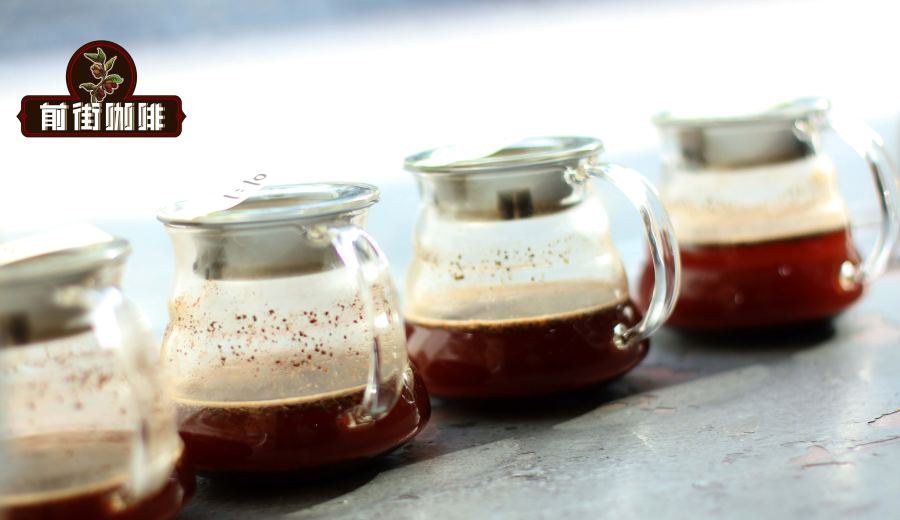
Introduction:Cold brew coffee is renowned for its smooth texture and refreshing flavor, and due to its immersion brewing method, it is often considered to have a more pronounced energizing effect. But do you know how much caffeine it actually contains? Is it higher or lower compared to traditional hot-brewed Americano? This article delves into the data on cold brew caffeine content, suitable brewing parameters and bean selection, and explains its energizing mechanism and the effects of caffeine on the human body, helping you enjoy this summer favorite more scientifically.
In recent years, cold brew coffee has become a favorite among many coffee enthusiasts during the hot summer months, thanks to its unique smooth texture and refreshing flavor. Not only that, many also find that compared to regular Americano, cold brew seems to provide a more sustained sense of alertness. Beyond its flavor characteristics, the caffeine content and release mechanism are also key factors. So, how much caffeine does a cup of cold brew actually contain? And how does it work to boost energy? This article will break down in detail the cold brew preparation process, caffeine content data, suitable coffee bean choices, as well as the effects of caffeine on the central nervous system, giving you a better understanding of this highly praised chilled beverage.
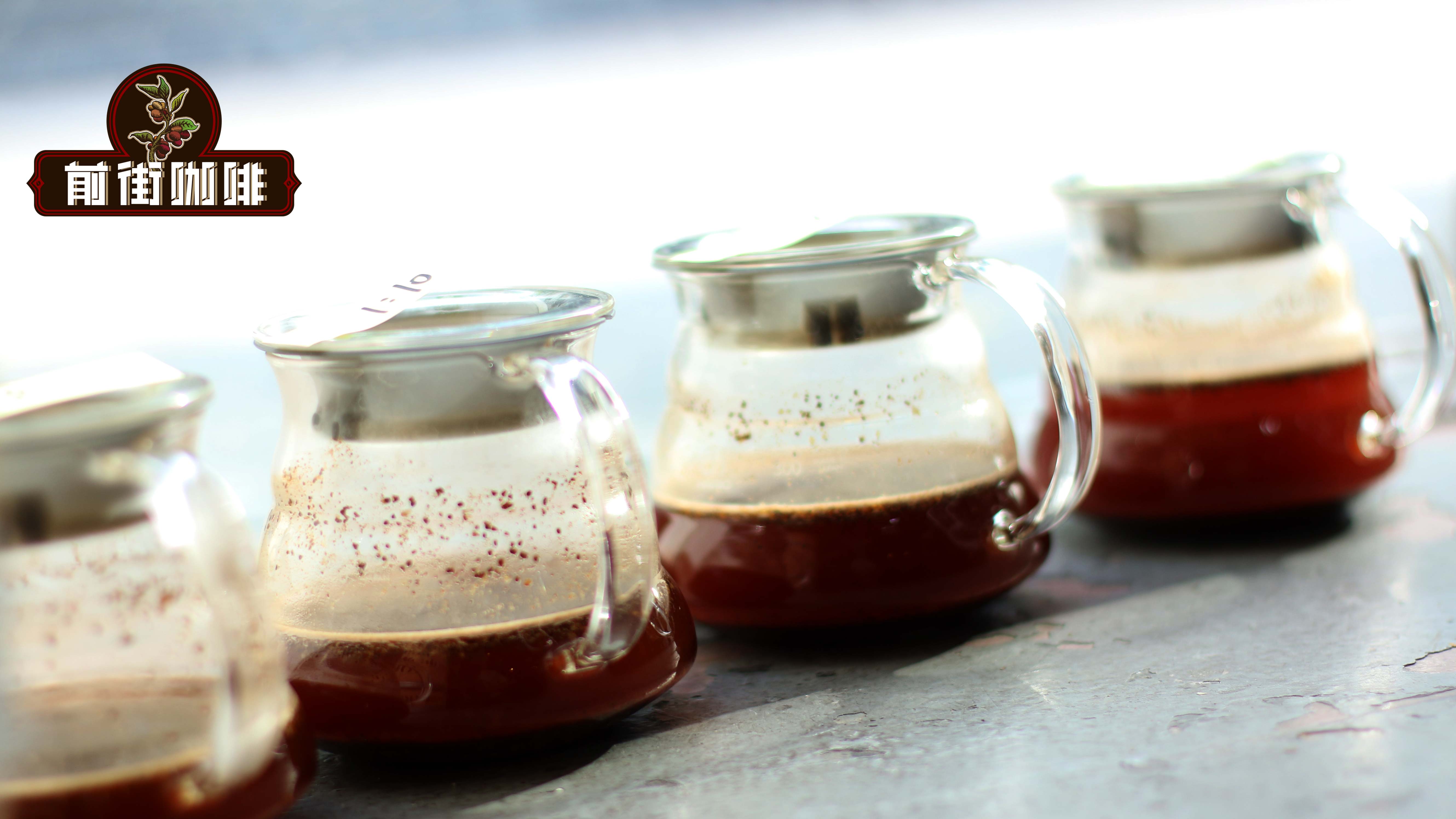
The reason coffee can boost energy is mainly due to the caffeine it contains. Caffeine is a natural central nervous system stimulant, widely found in beverages such as coffee, tea, and cocoa. When we consume caffeine, it is quickly absorbed by the body, enters the circulatory system, and crosses the blood-brain barrier into the brain. In the brain, caffeine binds to adenosine receptors, blocking the action of adenosine (a neurotransmitter that induces drowsiness), thereby delaying the transmission of fatigue signals and keeping you awake.
In addition, caffeine can also promote the release of neurotransmitters such as dopamine and norepinephrine, further enhancing attention, reaction speed, and overall mental state. This is why many people choose to drink a cup of coffee to perk up during busy work. However, the energizing effect of caffeine is often closely related to the 'amount' and 'concentration' consumed. According to general data, cold brew coffee made with 20 grams of coffee grounds and 200 milliliters of water contains approximately 140 milligrams of caffeine, while the same amount of traditional hot-brewed Americano contains about 100 milligrams, indicating that cold brew may have a higher caffeine concentration per unit volume and a more noticeable energizing effect.
So, how exactly is cold brew coffee made? As the name suggests, cold brew involves steeping coffee grounds in cold water for an extended period to extract flavors. Unlike traditional hot water brewing, cold brew typically uses room temperature or cooler water. Coarsely ground coffee is mixed with water and left to steep for at least 8 hours. For a richer and more robust flavor, the steeping time can be extended to 24 to 48 hours. Once steeping is complete, simply filter out the coffee grounds to obtain a cup of cold brew with a smooth and low-acid profile.
Making cold brew at home is actually very simple, even beginners can easily get the hang of it. The recommended basic recipe is to use 50 grams of coffee grounds mixed with 600 grams of ice water (including 400 milliliters of room temperature water and 200 grams of ice), with a coffee-to-water ratio of about 1:12. In terms of grind size, it is recommended to choose a coarseness slightly finer than pour over—roughly 85% of particles passing through a No. 20 sieve—to facilitate effective extraction at low temperatures. After thoroughly stirring the coffee grounds with the ice water, place them in a sealed container and refrigerate for 12 to 24 hours. Once the time is up, filter out the coffee grounds using filter paper or a filter cloth, pour the coffee liquid into a clean bottle, and it is recommended to refrigerate for another 4 hours before drinking for a more concentrated flavor.

It’s important to note that longer steeping time does not necessarily mean better cold brew. Although extending the time may result in a richer coffee flavor, it can also increase the risk of over-extraction, such as heightened bitterness or undesirable off-flavors. Additionally, some drinkers prefer a more fermented or complex taste and can adjust the time slightly according to personal preference. However, for first-timers, it’s advisable to stick with the 12 to 24-hour range as a baseline to avoid over-extraction that could negatively affect the overall taste.
As for selecting which type of coffee beans to use for cold brew, that too is an art. Generally, light-roasted coffee beans, with their bright acidity and rich fruity notes, are better able to showcase the delicate layers of cold brew flavors and are the top recommendation of many baristas. If you enjoy coffee with floral aromas, you might opt for beans with citrusy or tea-like profiles; those who prefer crisp acidity and berry flavors might consider beans with bright acidity and a black tea base note; and if you’re after a juicy, intense fruitiness, you could choose beans with tropical fruit characteristics—such as those with passion fruit notes or special fermentation profiles—which can all present different facets during the cold brew process.
The above content is compiled by CoffeeHunters, a coffee news website.


