







Category: Coffee Knowledge
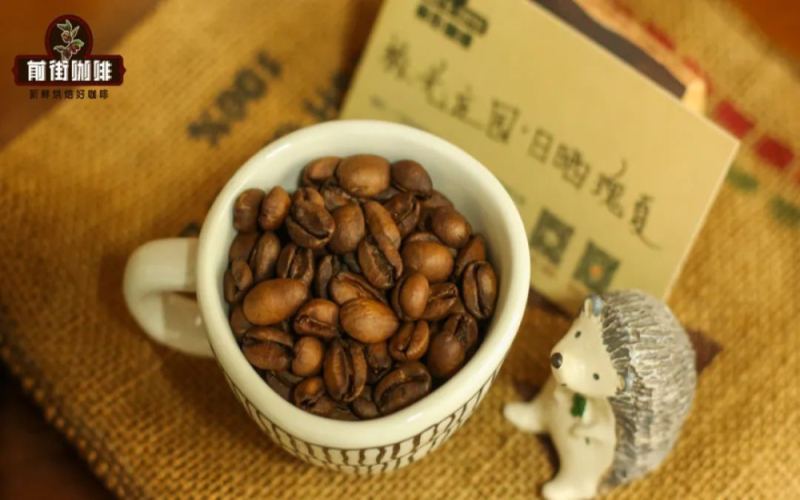
In-depth Analysis of Panama Aurora Estate Geisha Beans: From Ironman Champion to Natural Caturra Flavor
Panama Aurora Estate is globally renowned for its Geisha coffee, with its Ironman Geisha and Caturra Natural lots being consistent champions in the BOP competitions. This article delves into the geographical advantages of Aurora Estate, the origins of the names and processing methods of its two famous lots, and analyzes the delicate flavors of the natural Geisha. It also provides practical pour-over brewing suggestions and roasting references to help you fully appreciate the charm of this competition-grade coffee bean. [more…]
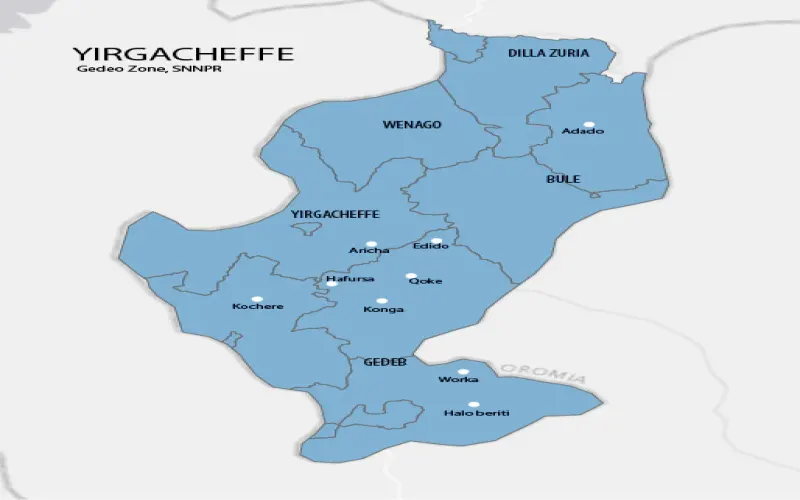
Ethiopia Yirgacheffe Adadi Cooperative: Analysis of Natural Processing & Recommended Entry-Level Washed Beans
Yirgacheffe is a globally renowned specialty coffee region in Ethiopia, famed for its bright floral and citrus notes. This article delves into the geography and history of Yirgacheffe, explaining how it separated from Sidamo to become an independent origin. It also focuses on the Adadi Cooperative, detailing its unique improved natural processing method and the origin of its name, while recommending beginner-friendly washed Yirgacheffe beans to help you easily master brewing essentials. [more…]
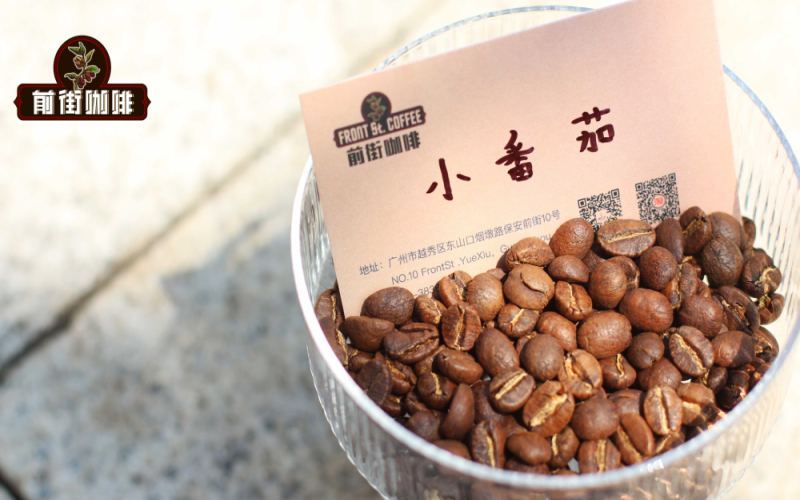
A Complete Guide to the Flavor Profile and K72 Washed Process of Kenyan AA Kirinyaga Coffee Beans
Delving into one of Kenya’s most iconic coffee-growing regions—Kirinyaga—this article focuses on the Kenyan AA-grade coffee beans produced by the Diaka Factory. It introduces the origin background, grading system, and washed processing methods. The piece provides a detailed breakdown of the characteristics of the K72 washed process, as well as the unique berry notes and bright acidity of this particular SL28 variety. It helps coffee enthusiasts understand how to appreciate this specialty-grade bean through proper extraction methods, suitable for various brewing techniques. [more…]
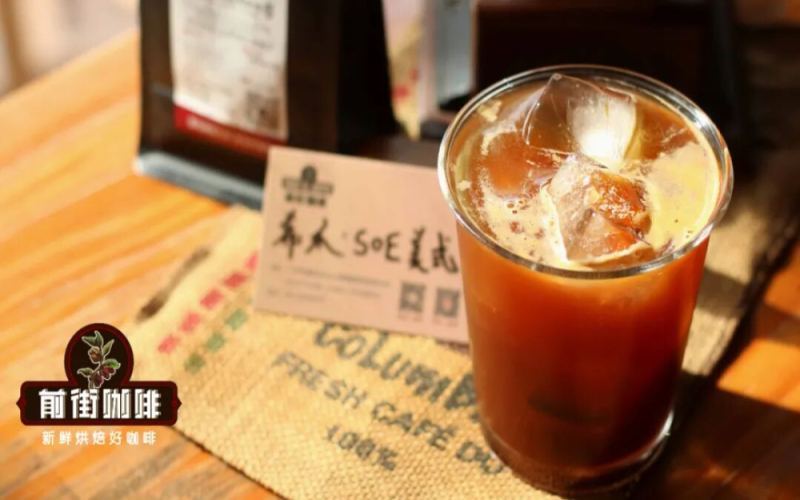
Is it worth paying more for SOE single-origin espresso? A complete guide to extraction parameters and flavor differences
When ordering coffee, you often find that ‘SOE single-origin espresso’ is more expensive than blends. What’s the difference? This article starts with the definition of SOE and its historical background, analyzes the reasons behind its pricing, and provides practical tips on adjusting extraction parameters—including dose, grind size, brew time, and milk ratio—for single-origin beans of various roast levels, such as light-to-medium and medium-to-dark roasts. This will help you master the key brewing elements and make an SOE Americano or milk coffee with distinct flavors. [more…]
Explanation for the High Pricing of SOE Coffee | Complete Guide to Extraction Parameters and Flavor Adjustments: Single-Origin Beans vs Blended Beans
Have you ever wondered why ordering an SOE at a coffee shop comes with an extra charge? Compared to traditional espresso blends, SOE (Single-Origin Espresso) shows clear differences in cost, flavor, and extraction craftsmanship. This article delves into the origins of SOE, its fundamental distinctions from blended beans, and offers practical adjustment suggestions—from roast level and flavor characteristics to actual extraction parameters such as brew ratio, grind size, and extraction time—to help you better understand how to tailor your approach based on the unique traits of different SOEs. [more…]
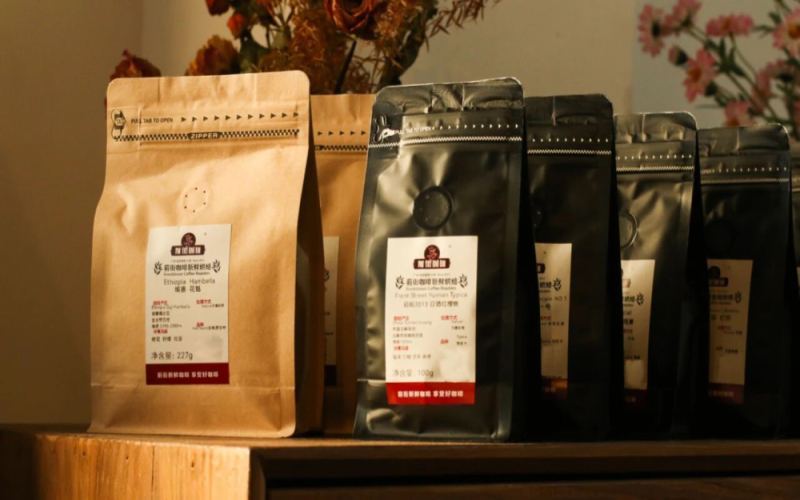
How to choose between single-origin and blended coffee beans? Are SOE espresso beans suitable for pour over?
Many coffee enthusiasts often face the dilemma of choosing between 'single-origin beans' and 'blended beans' when purchasing coffee, especially when it comes to extracting espresso. This article delves into the definitions, differences, and applications of the two, from the stable performance of traditional dark-roasted blends to the flavor complexity of single-origin beans in pour over, and further explores how SOE combines the advantages of both. The article also introduces three representative single-origin beans to help you find the most suitable coffee bean choice based on your personal taste. [more…]

SOE Single-Origin Bean Pour Over Guide: Is It Suitable? Explore Roast Differences and Brewing Parameters All in One Go
Many coffee enthusiasts wonder if SOE single-origin beans, commonly used in espresso, can also be used for pour over. This article delves into the differences between SOE and regular pour over single-origin beans, explores how roast profiles affect flavor profiles, and provides brewing recommendations for different roast levels—including water temperature, grind size, and brewing strategies—to help you brew your ideal cup of coffee with SOE beans. [more…]
How to Choose Costa Rican Coffee? A Guide to the Flavors and Selection of Honey-Processed Beans from the Tarrazú Region
Want to understand the unique charm of Costa Rican coffee? This article delves into the flavor profile of the country's coffee, the geographical advantages of the Tarrazú region, and the grading differences of honey processing. From volcanic soils to refined processing techniques, learn the key factors in selecting high-quality Costa Rican coffee beans. Whether you prefer pour over or espresso extraction, find the perfect entry point here. [more…]

Popular Roastery Bean Menu in Guangzhou: Freshly Sourced from Multiple Origins with Diverse Flavor Options
Guangzhou’s specialty coffee market is booming, and choosing the right beans is the first step to enjoying great flavors. This article takes an in-depth look at a highly regarded local roastery brand. Its Guangzhou storefront specializes in single-origin and espresso bean sales, carefully selecting classic beans from globally renowned origins, and adhering to a 5-day fresh roast policy. Not only do these beans deliver outstanding flavor performance, but they also come with a variety of choices at affordable prices. Whether you’re a beginner just learning pour over, a daily drinker looking for everyday beans, or a professional considering opening a coffee shop, [more…]
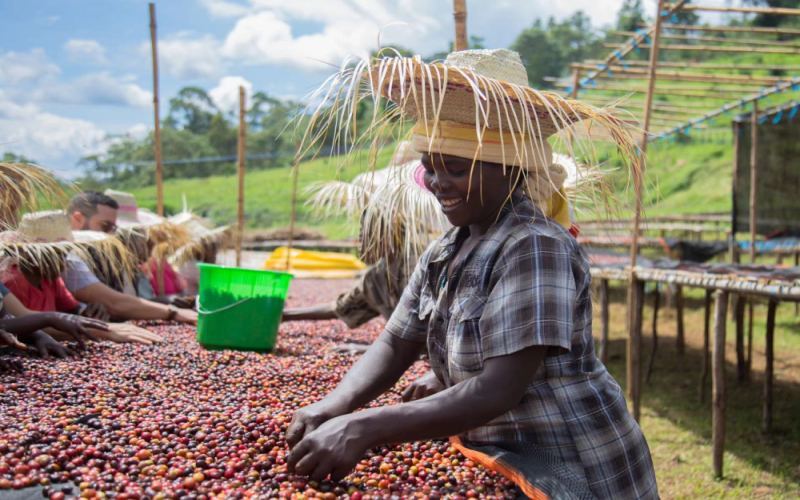
The Ultimate Guide to Coffee Processing Methods: From Natural and Washed to Anaerobic Fermentation – Understand Flavor Differences All at Once
The flavor of coffee beans is determined during the processing stage when the fruit is transformed into green beans. This article provides an in-depth analysis of common processing methods such as natural, washed, honey, wet-hulled, and anaerobic fermentation, including their steps and characteristics. Paired with the flavor profiles of actual coffee beans, it takes you through a professional understanding of how different processing methods influence acidity, sweetness, and regional characteristics—helping you choose the coffee that suits your taste better. [more…]
The Ultimate Guide to Coffee Processing Methods: From Natural to Anaerobic, and How They Influence Flavor and Extraction?
Understanding how coffee beans are processed is a key step toward appreciating coffee at a deeper level. From traditional methods like natural (sun-dried) and washed processing, to innovative techniques such as anaerobic fermentation, each method imparts unique aromas, acidity, sweetness, and body to the coffee. This article provides an in-depth analysis of the five main processing methods, explaining their procedural differences, flavor profiles, and potential impacts on extraction parameters—helping you predict cup characteristics based on the green bean processing choices. [more…]
Complete Guide to the Jamaican Blue Mountain Coffee Region: R.S.W. Alliance Estates and Export Grade System
Want to know why Jamaican Blue Mountain coffee is hailed as one of the world’s finest? This article delves into the origins of the name “Blue Mountain,” the composition of the R.S.W. alliance estates, and how the Jamaica Coffee Industry Board (CIB), established in 1948, has defined the Blue Mountain coffee region through regulations and set strict export grade standards. We’ll also introduce you to the historic Wallenford Estate and its key role in quality control—giving you more confidence when selecting Blue Mountain coffee beans. [more…]

Where does Jamaican Blue Mountain coffee come from? A complete guide to Wallenford Estate and CIB certification
Jamaican Blue Mountain coffee is hailed as one of the world’s finest coffees, but where does its premium quality come from? This article delves into the origin background, growing environment, traditional processing methods of Blue Mountain coffee, focuses on the iconic Wallenford Estate, and explains the CIB certification system, roasting recommendations, and proper brewing techniques. Readers will gain a comprehensive understanding of how to appreciate Blue Mountain coffee, learn what truly constitutes “Blue Mountain,” and avoid common market misconceptions. [more…]
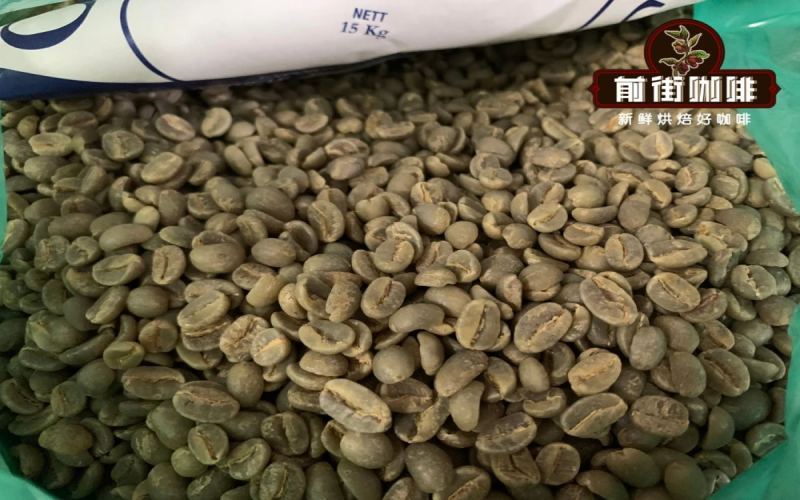
Analysis of Jamaica Blue Mountain No.1 Grade | The Story of BMCP Processing Plant & Pour Over Guidelines
Jamaican Blue Mountain coffee is hailed as the “King of Coffees,” and its No.1 grade represents the pinnacle of specialty coffee. But what makes Blue Mountain beans stand out? This article delves into the division of the core Blue Mountain growing regions, the four grade standards, and the mystery behind traditional wooden barrel packaging. It also takes you inside the historic Clifton Estate and its BMCP processing plant. Additionally, professional pour over recommendations and a full flavor profile analysis are provided to help you truly appreciate the charm of this legendary coffee. [more…]
Flavor Profile and Region Guide: Ethiopia Guji Shakiso Denbi Wudo G1 Beans
An in-depth exploration of the Shakiso micro-region within Ethiopia’s Guji zone, with a special focus on the G1-grade coffee beans produced by the Gigesa Washing Station in Denbi Wudo village. This article details the unique flavor profiles of both washed and natural processing methods, and introduces the regional geography, the background of the washing station, and its development context — helping you fully understand the origin and characteristics of this specialty coffee, and providing practical insights for selection and brewing. [more…]

Cold Brew Coffee Beginner's Guide: From Making to Flavor, Learn How to Distinguish Cold Brew from Iced Coffee
Cold brew coffee is a method of brewing coffee by steeping ground coffee in cold water for an extended period of time. In recent years, it has gained increasing popularity among coffee enthusiasts. Compared to traditional hot brewing methods, it requires no precise temperature control or complex techniques, yet can still deliver a smooth and rich flavor. This article will delve into the definition, historical background, recommended coffee beans, ideal coffee-to-water ratio and grind size for cold brew, and also provide practical brewing steps and storage tips. [more…]

Complete Guide to Espresso Grind & Extraction: Dual & Single Shot Parameters & Liquid Yield from 10g of Coffee
Understand the fundamentals of espresso — from single and double shot coffee amounts, grind size, to extraction ratios — and master the key to consistent brewing. This article dives deep into how much espresso can be extracted from 10 grams of coffee, the real differences between double and single shots, and shares visual, olfactory, and taste evaluation standards to help coffee enthusiasts adjust to their ideal flavor profile. Useful for both home and café settings. [more…]

A Comprehensive Guide to Colombian Coffee Regions: Varieties, Processing Methods, and Pour Over Brewing
Colombia is one of the world’s top three coffee-producing countries, renowned for its diverse regions and rich flavor profiles. This article takes you on an in-depth journey through Colombia’s major coffee-growing areas from north to south, exploring how terrain and altitude influence flavor. It also details the characteristics of mainstream varieties such as Caturra and Castillo, and analyzes the processing methods, pour over parameters, and full flavor profiles of four classic single-origin Colombian coffees—making it a practical guide for selecting and brewing Colombian beans. [more…]

The Ultimate Guide to Cold Brew Coffee: Differences Between Ice Drip and Cold Brew, Extraction Techniques & Summer Flavor Pairings
Want to enjoy a smooth, non-bitter cup of coffee on a hot summer day? Cold brew coffee is perfect for you. This article takes an in-depth look at the two main methods of cold brewing—ice drip and cold brew—covering everything from equipment setup, coffee-to-water ratio, extraction time, to achieving the best flavor profile. It also explains the caffeine difference between cold brew and iced americano, and shares the real-world performance of two coffee beans ideal for low-temperature extraction, helping you easily brew your own signature summer coffee. [more…]
Brazil’s Cantinho Farm Honey-Processed New World Beans: Rainforest Certified + Hand-Sorted for a Balanced, Sweet Cup
These honey-processed New World beans from Brazil’s Cantinho Farm in the Mantiqueira Mountains of Minas Gerais are cultivated at high altitudes of 1100–1350 meters within a Rainforest Alliance-certified environment. Through semi-washed honey processing and rigorous hand sorting, they achieve a specialty-grade flavor profile with pronounced sweetness and gentle acidity. This article delves into the farm’s regional geography, the four-generation legacy of the Magalhães family, its unique processing method, and offers recommended pour-over parameters to help coffee enthusiasts better understand the qualities of high-altitude Brazilian... [more…]