







Introduction:In a busy office environment, a good cup of coffee can instantly refresh the mind. This article delves into three common office coffee brewing methods—espresso machine, drip bags, and pour over—analyzing everything from equipment ease of use, freshness requirements for coffee beans, to flavor characteristics. It provides practical advice and parameter references to help office workers find the most suitable brewing method based on their needs and office conditions, allowing them to enjoy a flavorful and healthy coffee moment.
The pace of the modern workplace is fast, but the demand for coffee quality has not diminished in the slightest. Whether you prefer the rich milkiness of a latte or the layered complexity of a pure black coffee, office workers have a variety of choices. From the convenient small espresso machines to ready-to-brew drip bags, to the technique-focused pour over method, each approach has its unique charm and applicable scenarios. This article will provide a detailed analysis of the characteristics, operational essentials, and flavor profiles of these three mainstream office coffee brewing methods, along with practical suggestions for choosing coffee beans, so you can easily enjoy high-quality coffee even during a busy workday.
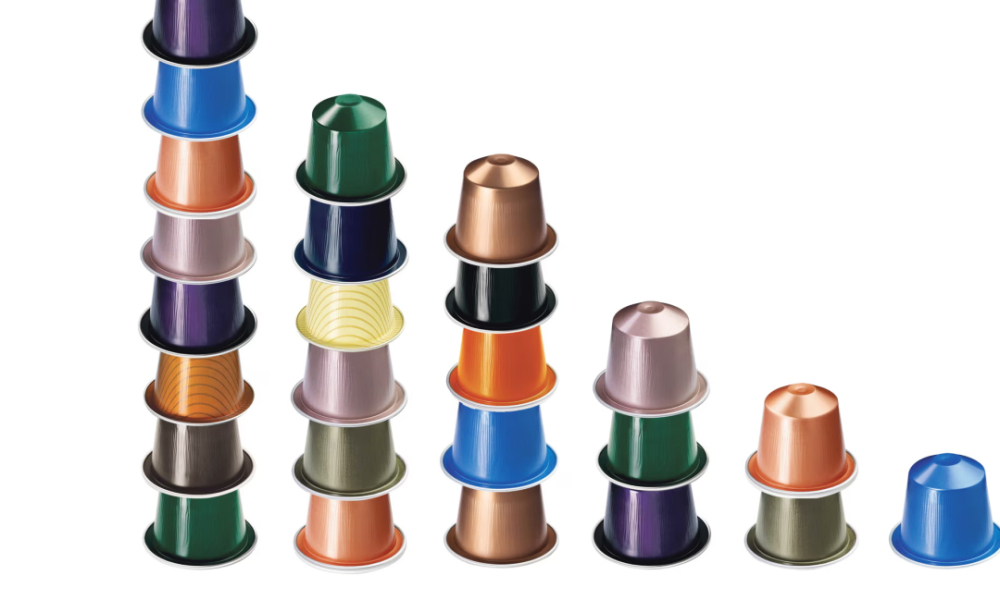
For most nine-to-five office workers, there are diverse solutions for office coffee. The most common is using a small espresso machine to brew an espresso base yourself, then adding hot water or milk according to personal preference to easily create an Americano or latte. For those seeking ultimate convenience, a capsule coffee machine with one-touch operation is undoubtedly the top choice. An even simpler option is the drip bag—just pour in hot water and wait two to three minutes to enjoy a cup of drip-filtered black coffee. And for coffee enthusiasts willing to invest more time and effort, the pour over method not only allows exploration of the unique characteristics of single-origin beans from different regions but also brings out the coffee’s rich layers and flavors through precise brewing techniques.
1. Espresso Machine: Balancing Efficiency and Quality
In office environments, espresso machines are generally divided into two main types: fully automatic and semi-automatic. Fully automatic models are known for their high degree of automation—from bean grinding, tamping, extraction to basic cleaning, they require almost no manual intervention, making them particularly suitable for users who prioritize efficiency and convenience. These models often come with a built-in milk frothing system, allowing easy preparation of popular specialty drinks like cappuccinos, mochas, or lattes, making them an ideal choice for quickly offering a variety of coffees in the office.
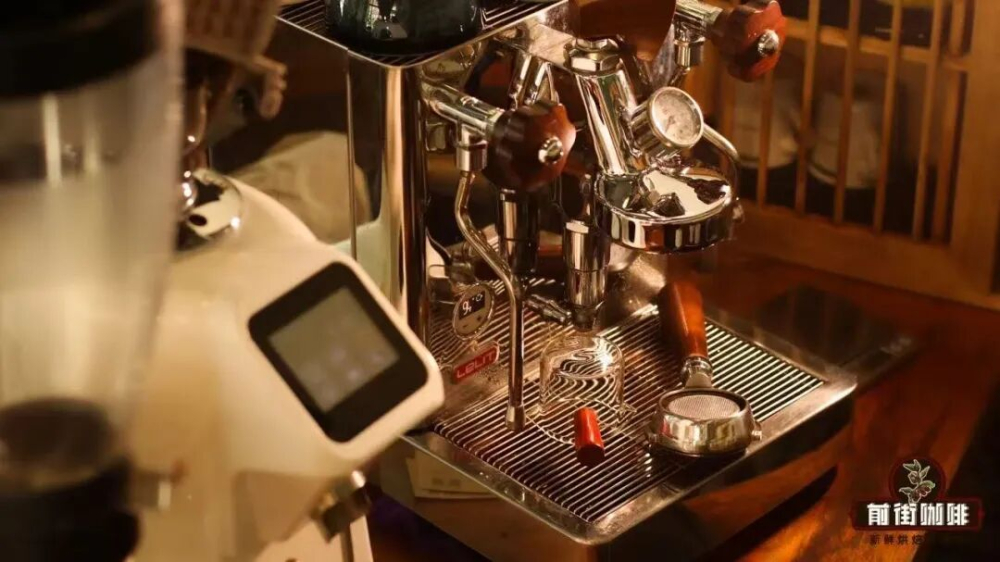
In contrast, semi-automatic espresso machines require users to be more hands-on, including adjusting grind size, controlling coffee puck tamping pressure, mastering extraction time, and mastering milk frothing techniques. Although the learning curve is steeper, the fact that each step is under the user’s control often results in a more stable and better-flavored shot of espresso, making it especially suitable for professionals with clear taste preferences.
Whether choosing a fully automatic or semi-automatic model, selecting the right coffee beans is crucial when using an espresso machine in the office. Stable extraction is the primary consideration, followed by flavor performance and cost-effectiveness balance. An espresso blend suitable for office use should feature medium to dark roasting characteristics, capable of delivering a rich and layered taste. For example, a blend combining Yunnan small-seed variety beans with Brazilian semi-washed beans, after medium to dark roasting, typically presents a complex flavor profile of creamy nuts, chocolate, caramel, and plum, satisfying the taste preferences of most while maintaining consistent extraction quality.
2. Drip Bags: The Perfect Compromise Between Convenience and Flavor
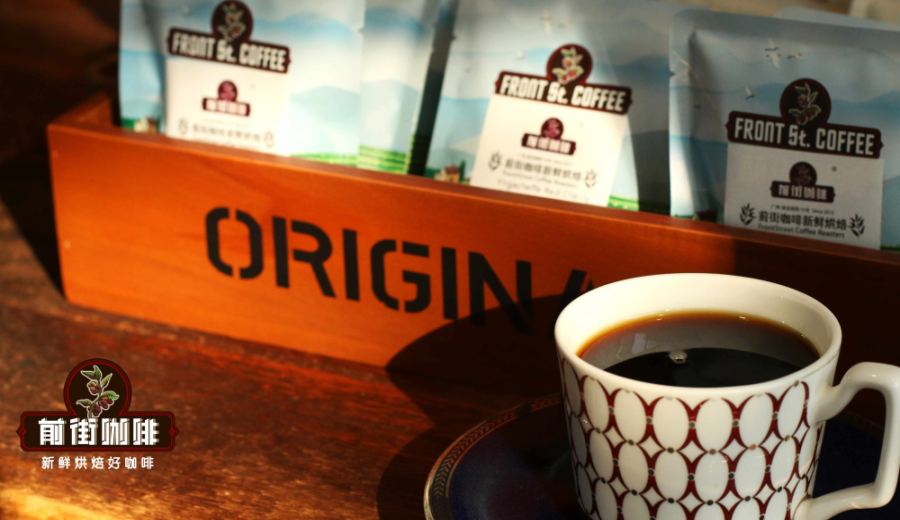
As a popular choice among office workers in recent years, the biggest advantage of drip bags lies in balancing convenience with the authentic flavor of coffee. Made from freshly roasted coffee beans, drip bags preserve more aroma and regional characteristics than instant coffee. With just hot water and an open cup, you can enjoy a quality experience similar to pour over right at your desk. From light roast fruit-forward notes to dark roast nutty flavors, drip bags offer a wide spectrum of flavor profiles to cater to different taste preferences.
For users new to drip bags, it is recommended to start with premium options featuring distinct flavor characteristics. Those who prefer bright floral notes may consider washed-process Yirgacheffe region beans; those seeking balanced acidity and bitterness with a mild taste might opt for Brazilian semi-washed drip bags as a safe choice; if you crave a rich, full-bodied coffee experience with a long-lasting aftertaste, gold-medal grade Mandheling drip bags, carefully hand-selected with extremely low defect rates, deliver clean aromas and excellent lingering sweetness. It’s worth noting that although drip bags are convenient, it is still advisable to use products with high freshness to fully experience the coffee’s complete flavor potential.
3. Pour Over: A Refined Pursuit of Technique and Flavor
As a representative of drip filtration extraction, the charm of pour over lies in the brewer’s ability to shape a unique coffee flavor profile through precise control of various parameters. Every aspect—from grind size, water temperature settings, pouring technique, to total extraction time—directly influences the final cup, making it considered a brewing method with a relatively higher technical barrier. For office environments, pour over may require more time and attention, but it offers a deeper level of coffee appreciation.
A key misconception beginners in pour over should be aware of: avoid buying pre-ground coffee directly. Once coffee beans are ground, aromatic compounds rapidly oxidize and dissipate. Even with frequent use, the flavor noticeably declines after more than a week; with infrequent use, coffee grounds often lose most of their flavor value after two weeks. Professional advice indicates that the optimal flavor window for coffee beans is around 30 days, during which the balance between aromatic molecules and carbon dioxide is at its best. Therefore, selecting freshly roasted products (typically within five days of roasting) and ensuring fast delivery is crucial to receiving beans still at their peak flavor.
When choosing pour over beans, personal taste preference is the key decision factor. For users who dislike strong bitterness, light roast beans are usually the first choice—for example, beans with prominent floral and fruity aromas that offer a bright and refreshing fruit profile. For those who prefer a rich and full-bodied taste, dark roast beans may be considered, often showcasing a solid body with layers of chocolate and spice. Regardless of the processing method or roast level chosen, the key is to find a flavor profile that matches your personal palate, making every cup of office coffee an eagerly anticipated flavor experience.
The above content is compiled by CoffeeHunters, a coffee news website.


