







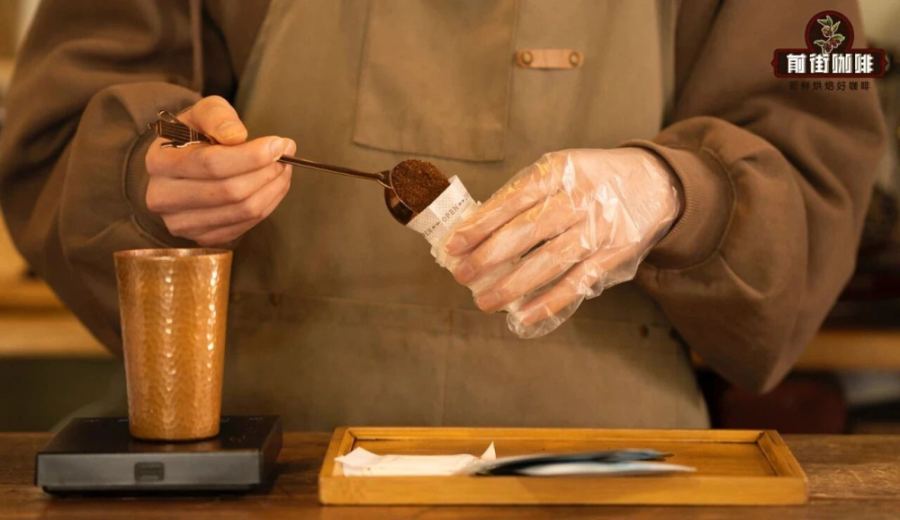
Introduction:Drip bags combine the convenience of pour over with the flavor of freshly ground coffee, making them a daily choice for many coffee enthusiasts. This article delves into the golden coffee-to-water ratio for drip bags, the ideal brewing temperature, and explores key details that influence flavor. It also introduces the flavor profiles of three distinctive single-origin beans, and explains how Yirgacheffe drip bags preserve their captivating aroma through fresh roasting. Master these essentials, and you can brew professional-grade coffee at home.
Drip bags originate from the pour over paper filtration method, designed to allow coffee lovers to enjoy pure black coffee in the simplest way possible. Compared to commercial instant products that contain added sugar and creamer, drip bags seal freshly ground coffee powder in filter bags, fully preserving the unique flavor characteristics of beans from different regions.
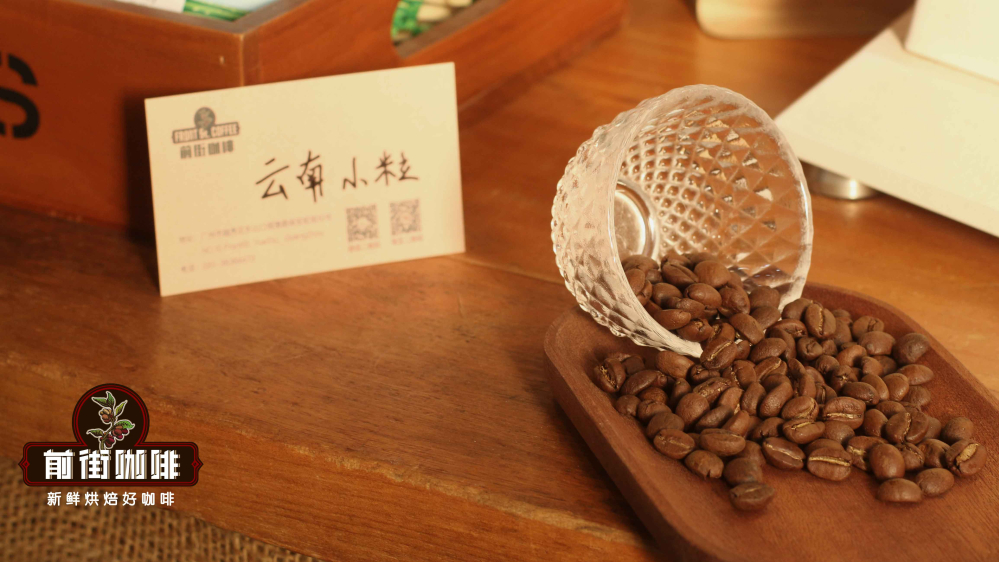
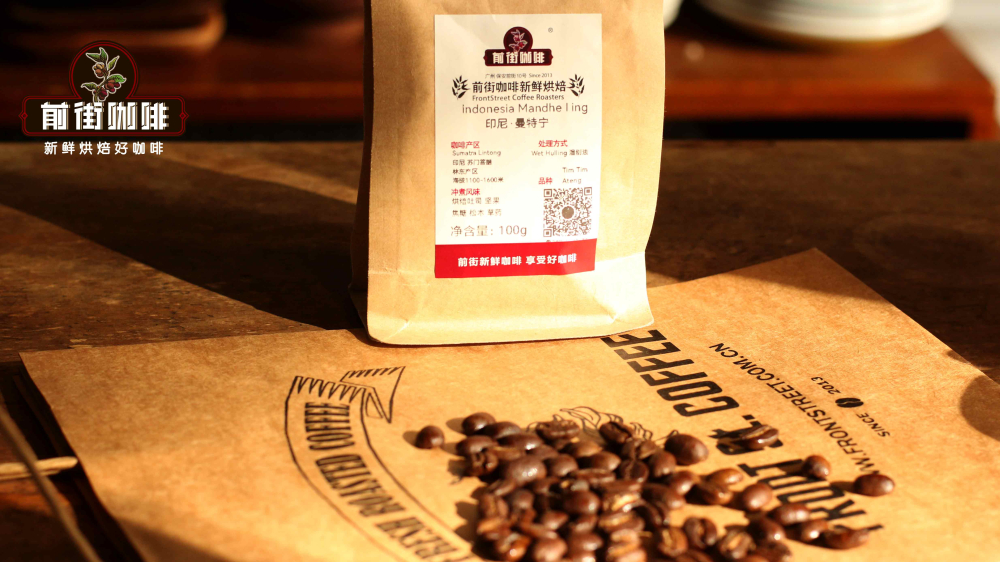
For beginners new to drip bags, it is recommended to start with three classic single-origin flavor profiles:Yunnan PeaberryProcessed via washed method, showcasing tea-like notes and melon-fruit tones,Indonesian Mandheling G1Exhibiting the distinctive spice and pine aromas unique to Sumatra,Brazil Cerrado Red BourbonFeatures a mild, nutty profile, perfect for everyday drinking.
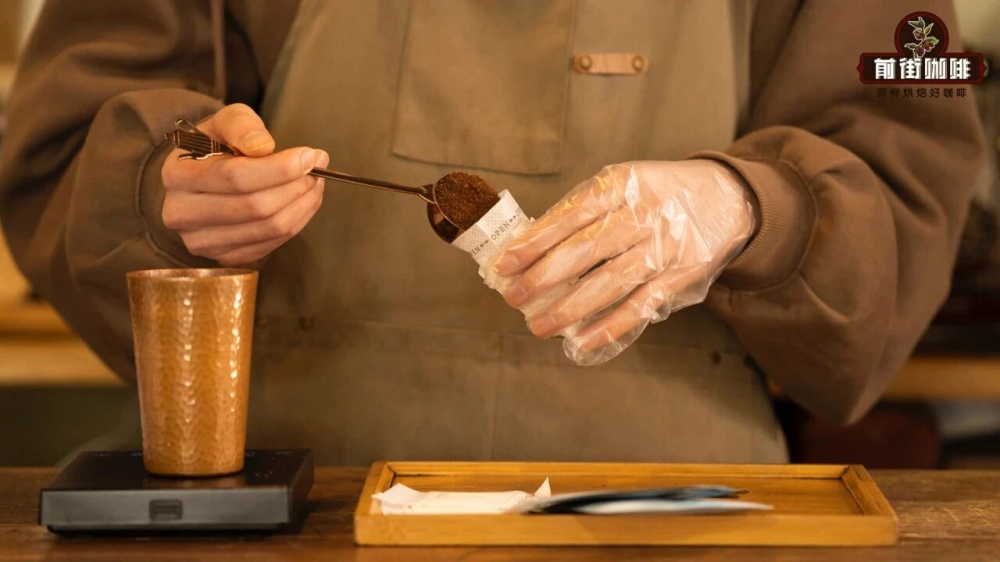
So-called drip bags are actually an improved version of filter-bag packaging, with its technical roots in the pour over paper system. This design allows consumers to achieve professional-level extraction without complicated equipment, which is also a key reason why it is favored by today’s busy individuals.
Instant coffee often masks its monotonous flavors with additives, whereas drip bags, filled with freshly ground beans, can showcase diverse flavor layers based on the bean variety. If you haven’t yet established your preferences, the above three market-proven drip bag combinations are an ideal starting point for exploring the world of flavors.
The surface area of coffee powder in contact with air is far greater than that of whole beans, accelerating oxidation reactions and causing rapid release of carbon dioxide. As aromatic compounds are lost along the way, although the appearance remains unchanged, the actual aroma noticeably diminishes during tasting. Therefore,freshness is the core element of drip bag coffee quality,and ideally, coffee beans should be ground and sealed within 5 days of roasting, with fast delivery ensuring flavor activity.
The seemingly simple act of brewing with a drip bag involves multiple critical parameters—details often overlooked—that ultimately determine the final flavor profile:
1. Precise Water Temperature Control
The hot water from office water dispensers is often insufficiently hot (around 80°C), which can lead to under-extraction. Practical tests show: letting boiled water sit for 2–3 minutes (at room temperature 25–30°C) lowers it to 92–95°C, suitable for beans emphasizing fruity and acidic notes; extending to 5–6 minutes brings it down to 87–90°C, better matched to dark roast nutty profiles. It is recommended to use a thermometer for calibration or observe the natural cooling rhythm after boiling.
2. Coffee-to-Water Ratio and Segment Brewing Notes
A standard drip bag contains about 10g of coffee powder, with a recommended total brewing water volume between 150–200ml. The first segment involves pouring 30–40g of hot water (about half the bag’s capacity) for pre-wetting, followed by 3–5 incremental pours, with the final water level kept at about nine-tenths full (approximately 60–80g per pour). This segmented method helps evenly distribute flavor compounds.
3. Choosing the Right Brewing Vessel
It is recommended to use deep cups with a mouth diameter smaller than 9cm and a height over 12cm (such as a highball or mug). Wide-mouthed containers may cause the filter bag to become unstable, while overly shallow designs may lead to splashing. Transparent glass allows you to observe the brewing process, while ceramic helps retain heat.
4. Optimizing Pouring Technique
No need for complex circular pouring—opt instead for a single-point pour: maintain a water stream height of about 15cm, pouring in stable, thin streams. Pause for 30 seconds between segments, keeping total brewing time between 1 minute 50 seconds and 2 minutes to achieve richer flavor layers. Avoid showerhead-style spouts to prevent disrupting the coffee bed structure.
5. Maintaining Filter Bag Stability
After opening, do not shake the filter bag vigorously, as this can cause fine grounds to settle at the bottom. The correct approach is to gently tap the bag to remove clumps, then immediately hang it on the cup rim to begin brewing. Avoid pressing down on the filter bag during brewing to prevent fine particles from leaking and causing over-extraction in the aftertaste.
Particularly noteworthy is the flavor preservation characteristic of Yirgacheffe drip bags: this bean variety is known for its bright citrus notes and blueberry aroma, but is highly susceptible to oxidation. Through fresh roasting (recommended use within 3–7 days post-roast) and nitrogen-sealed packaging, aroma dissipation can be effectively delayed, allowing you to still enjoy distinct floral top notes and honey-like aftertastes when sipping. Mastering the above parameter adjustments and operational techniques ensures that even with basic equipment, you can achieve a quality comparable to professional pour over.
The above content is compiled by CoffeeHunters, a coffee news website.


