








Introduction:Dirty Coffee has become a classic that many coffee enthusiasts love to challenge, thanks to its distinctive layered texture and the striking visual and taste experience of hot and cold mingling. However, crafting a truly well-layered and flavorful Dirty requires mastering multiple key elements — from the choice of coffee beans and cupware, to brewing techniques and milk selection. This article delves into the core skills for making a successful Dirty, helping you overcome common pitfalls and consistently recreate a visually stunning and deliciously layered latte.
The most captivating aspect of Dirty Coffee lies in its gradient texture from hot to cold, and the sensory explosion when espresso meets chilled fresh milk. Yet, many who try making it at home often end up with what looks like an ordinary latte — no layers whatsoever. In truth, crafting a Dirty that excels both visually and flavor-wise requires precise control across several stages.
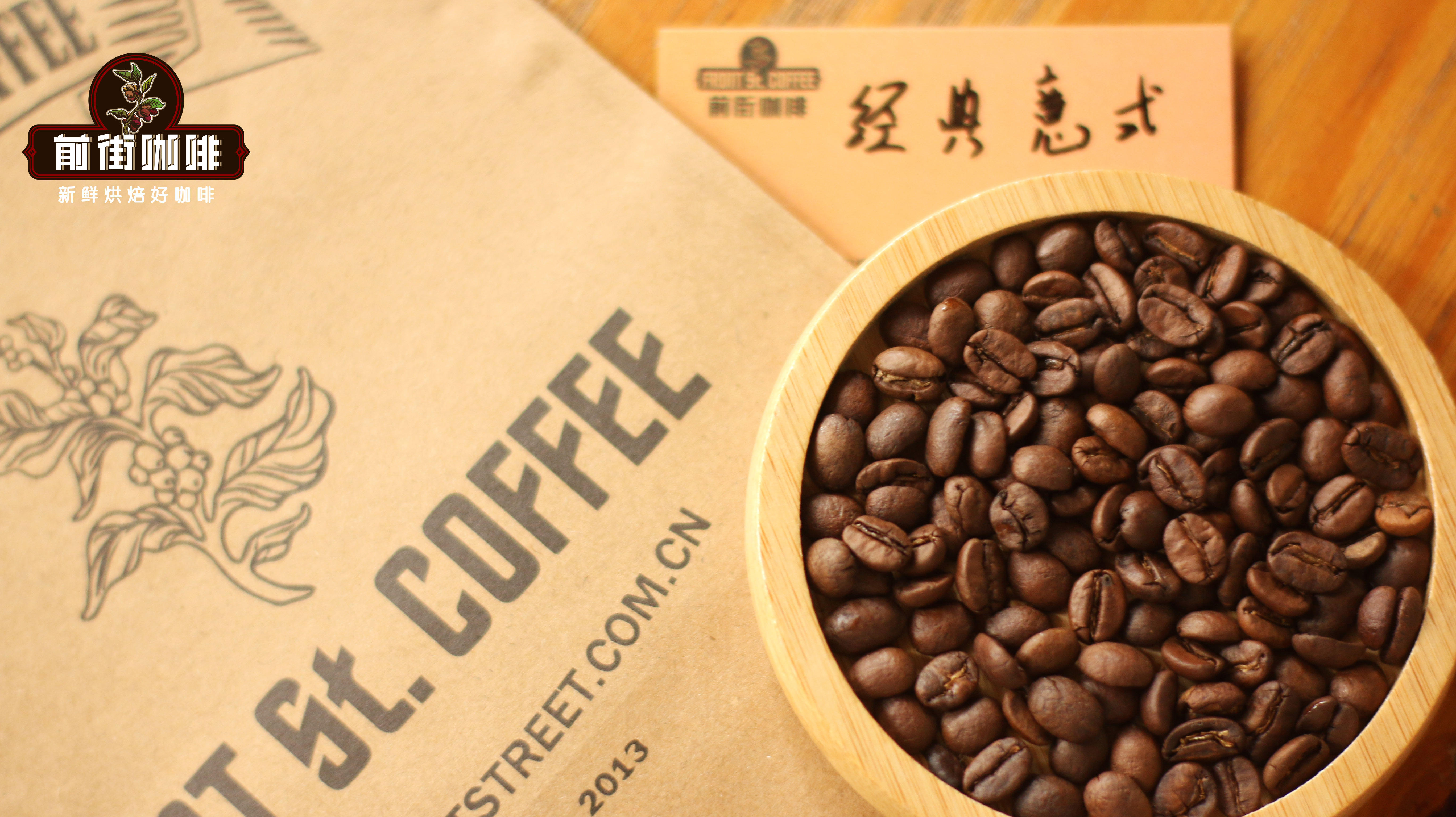
First,the choice of coffee beans is crucial. Dirty Coffee emphasizes the crema and bold intensity of espresso, so the beans shouldn’t be roasted too lightly. It’s recommended to choose medium-dark to dark roast beans. Dark roasts bring out richer crema and give the coffee better suspension, creating an eye-catching layered effect when it meets the ice-cold milk. A classic blend composed of Brazilian, Indonesian, and Vietnamese beans usually achieves a good balance between crema and flavor complexity.
< >
Second,the type of cup directly affects the visual layering effect. It’s advisable to use a tall cup with a narrow rim, as this shape helps slow down the flow of coffee into the milk, thus creating a clearer gradient. Additionally, pre-chilling the cup can further reduce the spread of coffee, helping the layers hold longer and keeping the overall drink feeling refreshing.
During the actual brewing stage,the distance between the portafilter and the cup’s rim is key. If the distance is too great, the espresso will hit the surface of the milk at high speed, easily destroying the layers. The ideal approach is to have the cup as close to the spout as possible — you can even place it directly under the portafilter to catch the coffee. If your equipment doesn’t allow direct pouring, you can first catch the espresso in a small cup, then use a spoon to gently guide the coffee onto the milk’s surface, avoiding direct impact.
<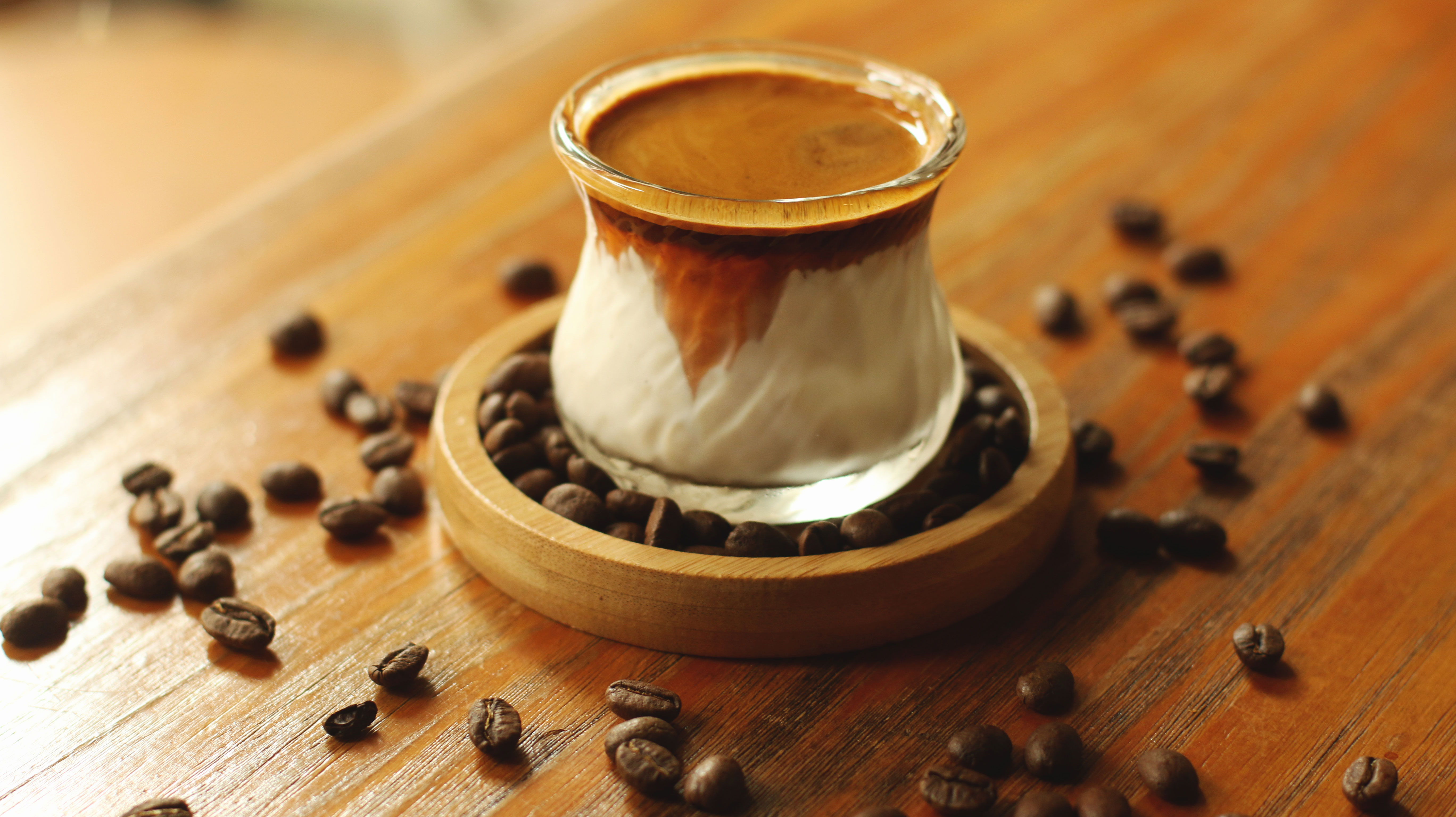 >
One point often overlooked is,the concentration and crema content of the coffee significantly affect layer stability. While devices like the moka pot can brew coffee, their crema and concentration levels are usually insufficient to maintain good layering. Therefore, it’s recommended to use an espresso machine capable of producing fine crema and rich crema, ensuring the coffee slowly sinks into the milk rather than mixing instantly.
As for the milk,choosing fresh milk that is rich and moderately thick helps support the coffee. Commercial brands such as Vitasoy, Wei Chuan, and Bright Dairy are often used in Dirty preparation because their milk has a relatively full body. For those seeking a more elevated taste, purified milk (such as ice cream milk or "ice博客") can be chosen. This specially processed milk, with some whey removed, has higher viscosity. It not only extends the duration of layering but also adds a slight savory and cheesy aftertaste, enriching the Dirty’s flavor profile.
Another common practice is to mix ice博客 with regular fresh milk in proportion. This maintains a certain fluidity while retaining the thick base needed for layering, making it ideal for beginners to adjust to their preferred taste.
< >
In summary, making an excellent Dirty Coffee is not just about pouring espresso into cold milk. Every detail — from the roast level of the beans, the choice and pre-cooling of cupware, the control of pouring distance, to the concentration of the coffee itself and the texture of the milk — influences the final product’s visual and flavor performance. Master these key factors, and you can easily recreate a stunning hot-and-cold layered latte at home.
The above content is compiled by CoffeeHunters, a coffee news website.


