







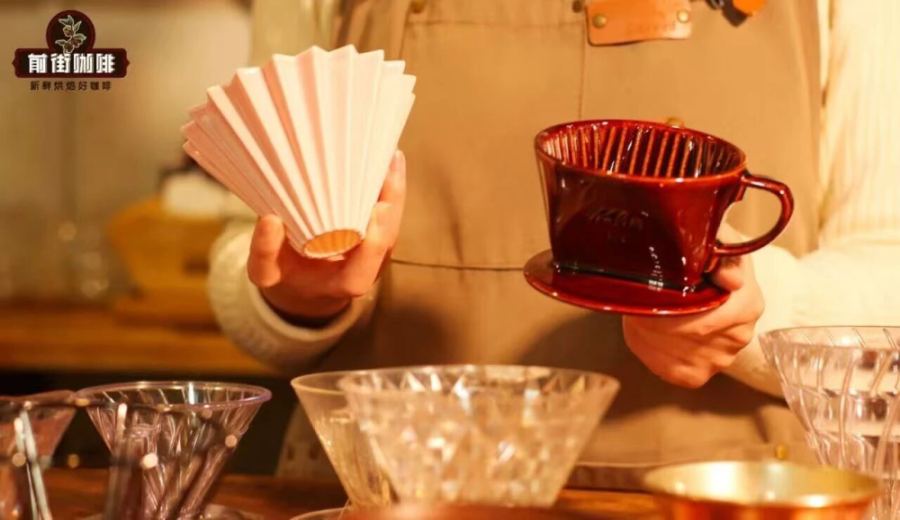
Introduction:Have you ever wondered how the same coffee beans can produce vastly different flavors just by using a different dripper? In this experiment, we used both the V60 and the YASUKIYO wooden dripper with the same Yunnan small-grain Typica beans. By keeping the coffee-to-water ratio, grind size, and pouring technique identical, we take an in-depth look at how these two drippers affect flavor, extraction time, and mouthfeel—helping you choose the right dripper for different beans.
The flavor profile of pour over coffee is not only determined by the quality and roast level of the beans, but the design of the dripper is also one of the key influencing factors. Differences in shape, filter hole size, and channel structure among various drippers directly alter water flow rate, gas venting efficiency, and contact time between coffee grounds and water—resulting in distinctly different flavor profiles. This experiment focuses on the V60 and the YASUKIYO wooden dripper, using completely identical brewing parameters to compare the same Yunnan small-grain Typica through controlled pour overs. Every step from blooming to pouring rhythm was strictly managed, aiming to clarify the performance differences of the two drippers in real-world use and provide bean pairing suggestions.
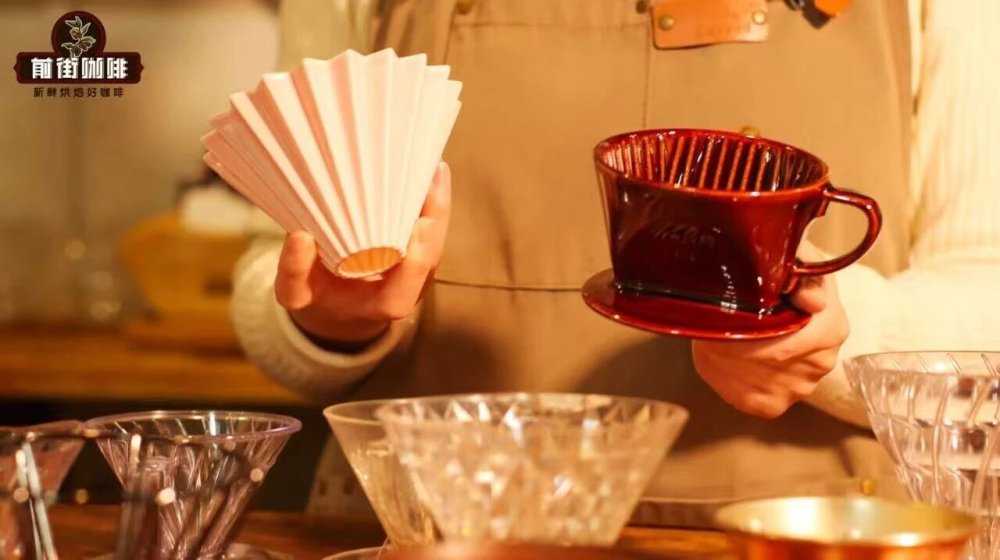
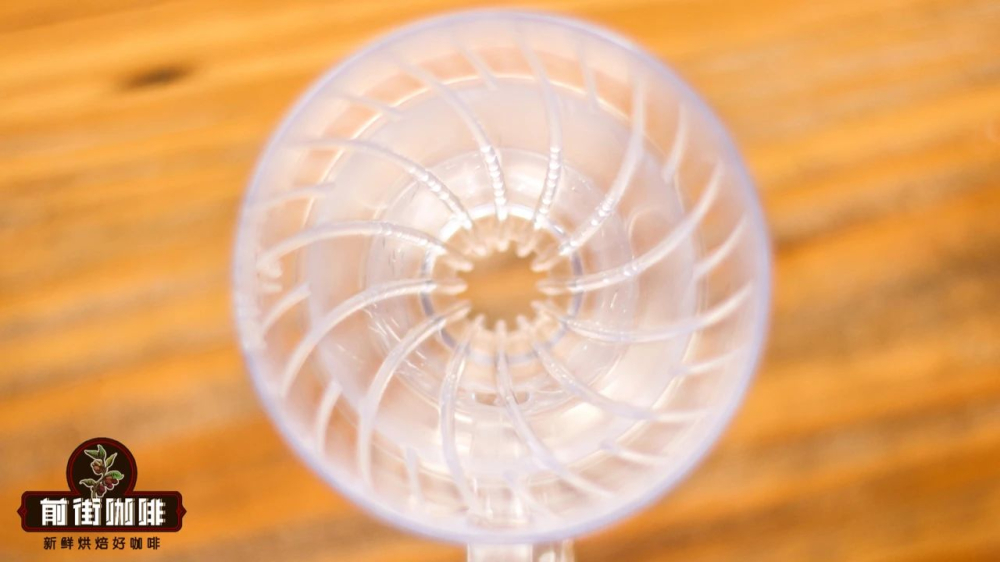
A dripper is more than just a container for coffee grounds; its design reflects careful consideration of water flow control, gas venting efficiency, and extraction uniformity. For example, the V60 is well-known for its spiral-shaped ridges that guide water flow toward the center, extending contact time between water and grounds while promoting effective degassing—thus helping to release aromatic compounds in the coffee. In contrast, the YASUKIYO wooden dripper uses horizontal parallel ridges paired with a single large outlet hole, which results in a slower water descent and helps achieve a more even extraction. However, it may sacrifice some of the layered complexity in flavor.
To ensure fairness in this experiment, both drippers were tested under the same conditions: 15g of coffee, a grind size of EK43s setting 10 (medium-fine), a coffee-to-water ratio of 1:15, a 30-second bloom using 30g of water, a total brew water volume of 225g, and similar circular pouring techniques. The only variable was the difference in dripper design.
We began testing with the V60 dripper. During the pour over, the first pour of 120g of water was done with a slow, circular motion starting from the center and gradually expanding outward to avoid disturbing the coffee bed too much. The second pour brought the total to 225g, slightly increasing the pour speed and extending the circle toward the outer edges. The total extraction time was1 minute and 55 seconds. In terms of flavor, it exhibited a pronounced dark chocolate base, accompanied by the tart sweetness of raspberries and a silky creamy finish. The overall mouthfeel was rich, with clear layers and a long-lasting aftertaste, showcasing a diverse and complex flavor spectrum.
Next, we observed the performance of the YASUKIYO wooden dripper. Although using the same 15g dose and 1:15 coffee-to-water ratio, and maintaining a similar pouring technique and bloom time, the total extraction time was slightly shorter, at just1 minute and 53 seconds. The larger outlet hole, combined with the horizontal rib design, resulted in a faster water descent. While this promoted a more even extraction, it also led to a less pronounced layering of flavors. In actual tasting, the main flavors were centered around dark chocolate with a slight herbal note. The overall taste leaned toward the lighter side, with both flavor intensity and body falling short of the V60 version.
From the above experiment, we can conclude that thespiral ridges and centralized water guidanceof the V60 effectively enhance extraction efficiency and aroma release. It is especially well-suited for showcasing coffee beans with complex flavor profiles—such as those with pronounced floral and fruity notes or vibrant acidity. Therefore, if you prefer pour over coffee with bold and multifaceted flavors, we recommend trying it with beans like Emerald Green Label Geisha (with jasmine and cantaloupe notes), Mozart (raisin and pineapple tones), or Kaffa Forest (floral with orange blossom finish)—all of which can better highlight the strengths of the V60.
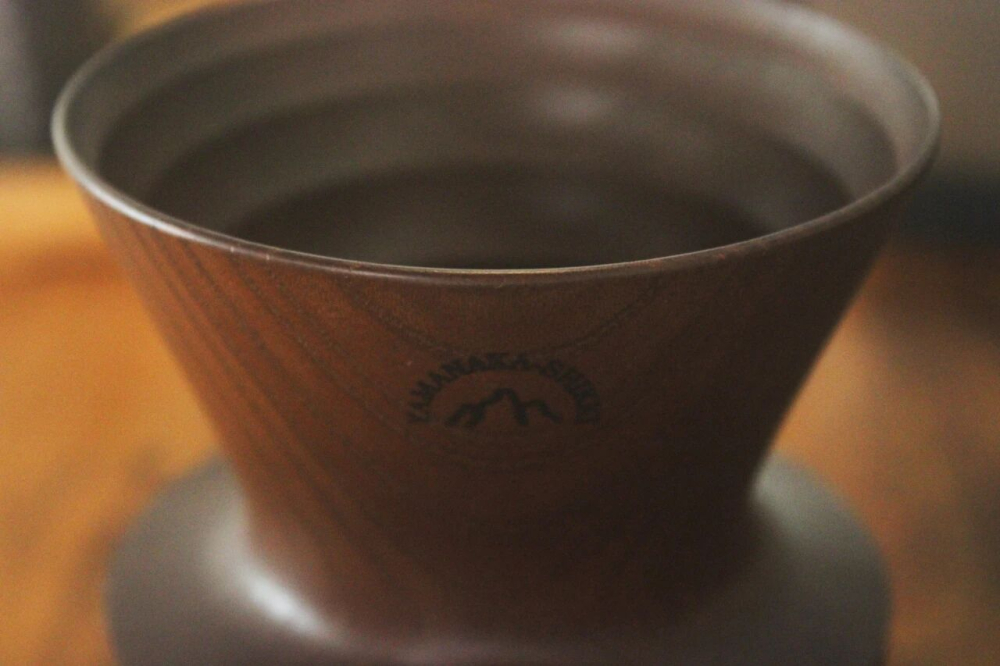
On the other hand, the YASUKIYO wooden dripper, with its large outlet hole and horizontal rib design, allows for a gentler water descent, prolonging the contact time between water and coffee grounds. This makes it suitable for extractingmedium to dark roasted beans with higher body and lower acidity. These types of beans often exhibit a solid mouthfeel and rich caramel, nutty, or chocolatey foundations. Examples such as Blue Mountain No.1, PWN Golden Mandheling, Brazilian pulped natural, or Colombian Huila can all benefit from the YASUKIYO dripper, allowing their full-bodied and stable flavors to shine even more prominently.
However, there’s one thing to note about the YASUKIYO dripper: due to the potentially less snug fit between the filter paper and the wooden dripper body compared to plastic or metal drippers, more bubbles may form during brewing, which could affect degassing efficiency and extraction uniformity. To mitigate this, we recommend thoroughly wetting the filter paper and ensuring it adheres closely to the dripper walls to minimize trapped air and improve overall brewing stability.
In summary, the V60 and the YASUKIYO wooden dripper each have their unique design purposes and ideal use cases. If you’re chasing layered flavors and a clean mouthfeel, the V60 is the top choice. If you lean toward a fuller, smoother, and lower-acid cup, the YASUKIYO wooden dripper offers a more subdued extraction style. Through this experiment, we hope you gain a deeper understanding of how dripper design impacts the final coffee outcome—and can choose the most suitable dripper combination based on the characteristics of your coffee beans.
The above content is compiled by CoffeeHunters, a coffee news website.


