







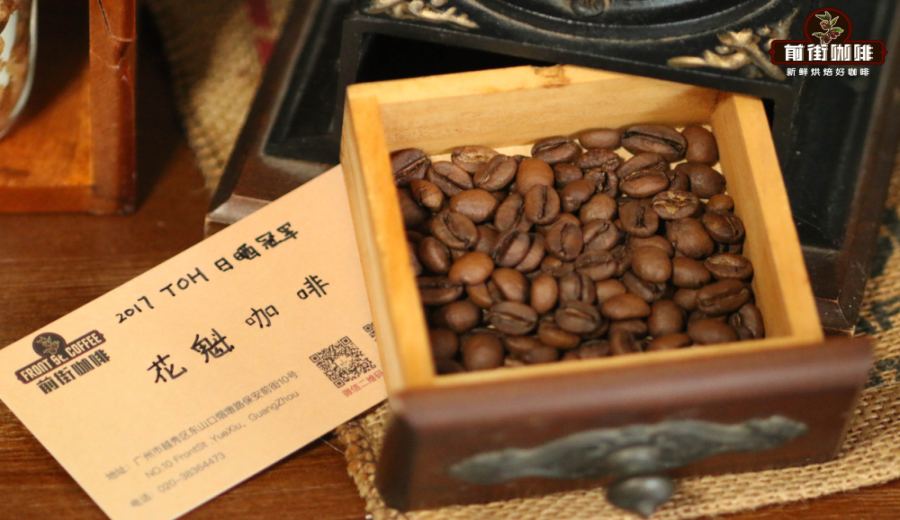
Introduction:Since its debut in 2017, the Sidamo Huakui coffee has been widely loved for its bright strawberry and cream aromas, yet its flavor profile varies from year to year, sparking curiosity among many coffee enthusiasts. This article delves into the origin of Huakui—Gedeo Zone’s Guji Hambella—, explores the sun-drying process at the Buku Abel processing station, examines the flavor characteristics and roasting profiles of its various vintages, and provides a detailed breakdown of V60 pour over parameters and practical tips. Discover how this classic bean, woven with passion fruit and berry notes, has evolved over time.
Since its launch in 2017, Huakui coffee quickly became a focal point in the market, captivating numerous cafés and consumers with its unique strawberry-cream character. However, as new releases emerged each season, many drinkers noticed that its flavors shifted gradually—from distinct strawberry notes to later iterations blending passion fruit and berries. This evolution has led many to wonder about the reasons behind these changes.
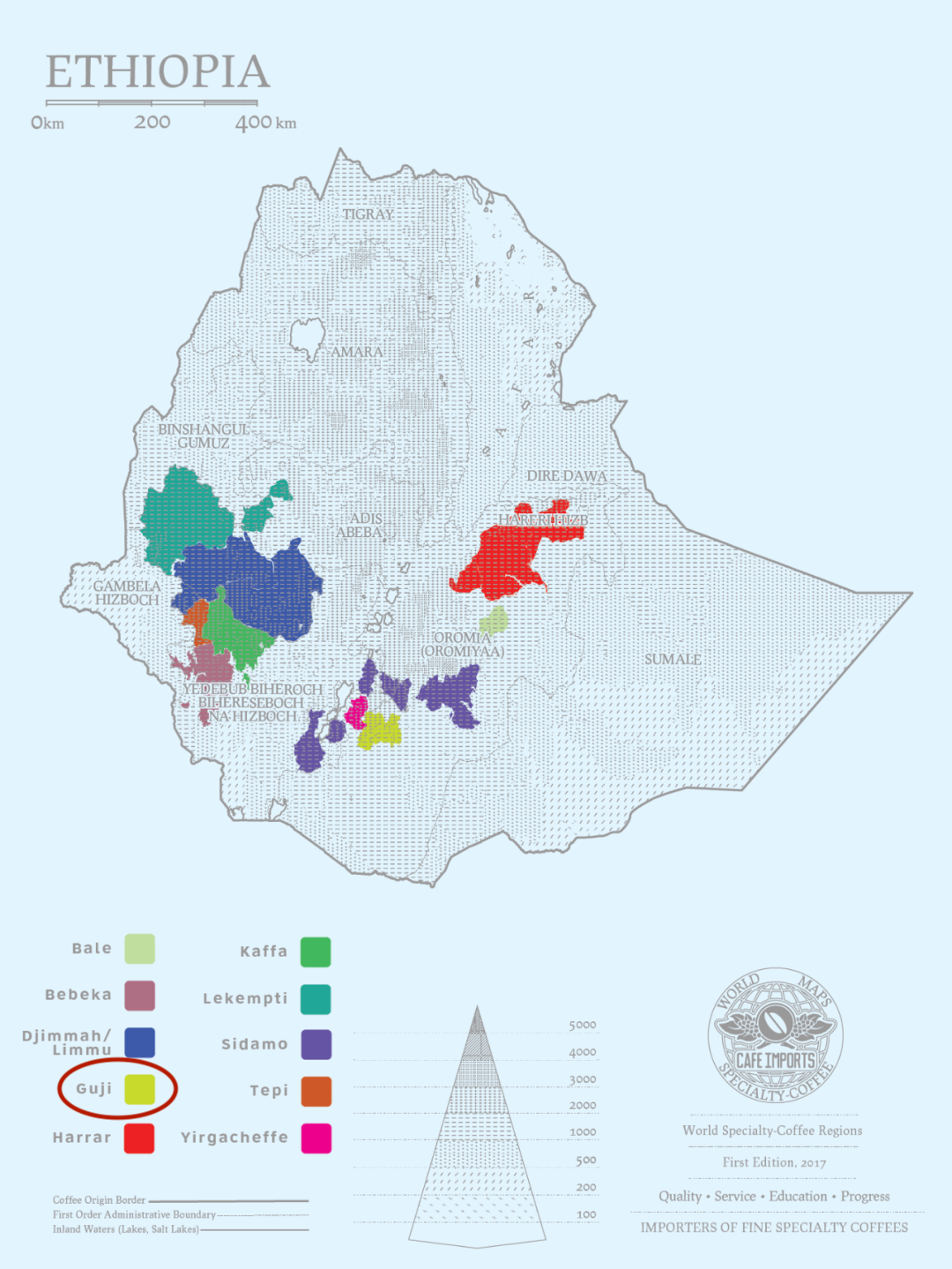
Huakui originates from Ethiopia’s Guji Zone, which was administratively separated from Sidamo in 2010. The region features diverse terrain, including high mountains, valleys, and plains, with fertile, deep black soils and elevations generally exceeding 1,800 meters. Significant diurnal temperature variations create an ideal environment for coffee cultivation.
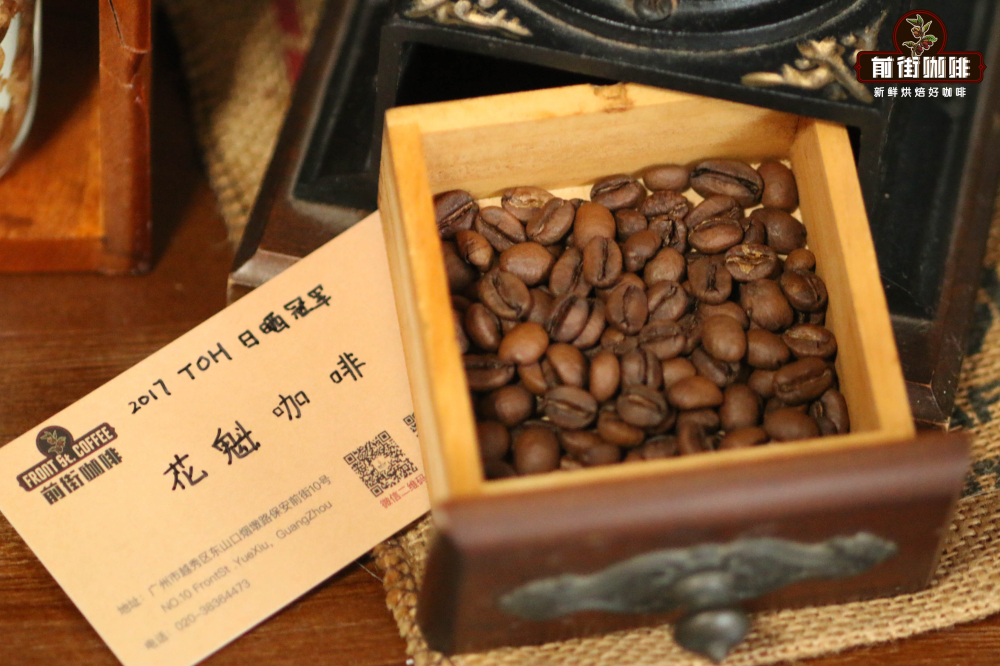
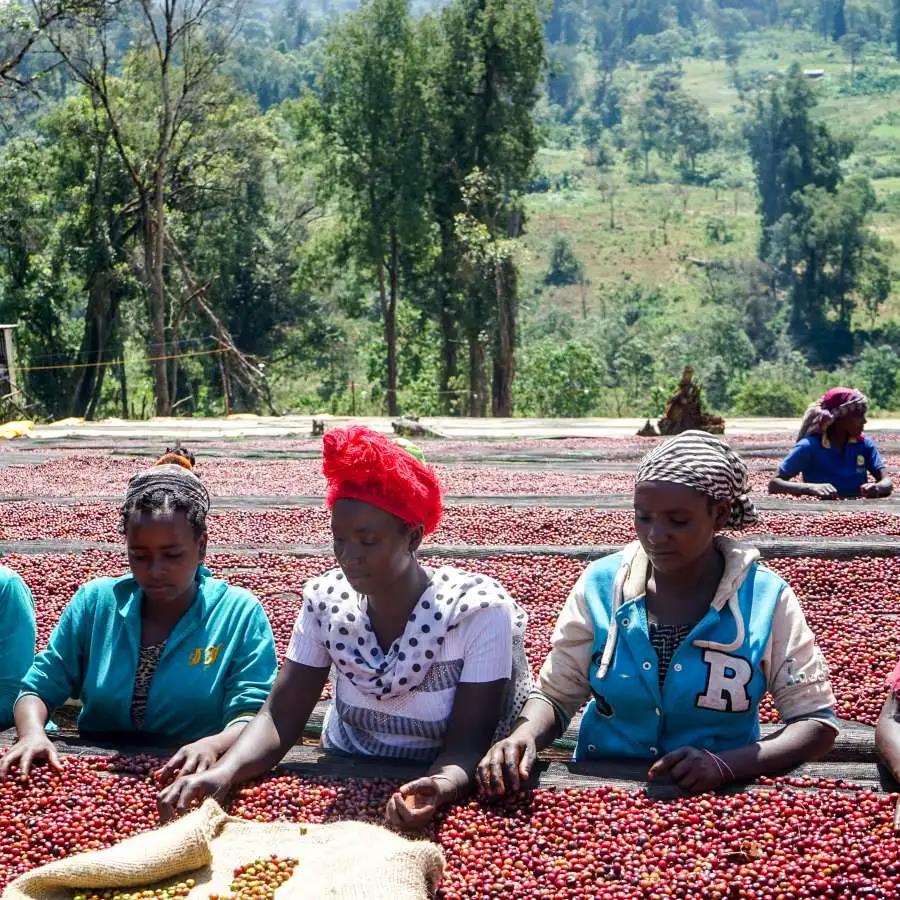
Within the Guji region, Hambella is a key source of Huakui beans. Adjacent to Yirgacheffe and surrounded by mountains, Hambella has complex geographical conditions. Residents mostly live in mountainous areas above 2,000 meters, where life is simple yet vibrant. Farmers handpick each coffee cherry on steep slopes—an attention to detail that allows Huakui to express its delicate and captivating flavors.
In 2017, Buku Abel processing station under DW Company won the TOH championship with a natural-processed lot. This batch became famous for its intense strawberry and cream aromas and was introduced to the Chinese market under the name “Huakui.” Subsequently, DW expanded its operations in Hambella, establishing several processing stations including Buku Abel, Buku Saysay, Haro Soresa, and Tirtiro Goye, with an annual production of approximately 1,100 tons.
It’s worth noting that only the natural lots produced by Buku Abel are considered the authentic “Huakui coffee beans.” This explains why versions such as Huakui 2.0, 3.0, and 3.1 were successively released between 2018 and 2019. In fact, the Chinese name “Huakui” does not align with its original English name, Hambella, which directly translates to the region itself.
The name “Huakui” originated from the 2017 TOH competition when a natural lot from Buku Abel processing station won the championship with its outstanding flavor. It was then introduced to China by a Beijing-based trader and named Huakui due to its champion status. That same year, this coffee also helped Beijing competitor Li Jianfei secure second place in the China leg of the World Brewers Cup, further boosting its fame.
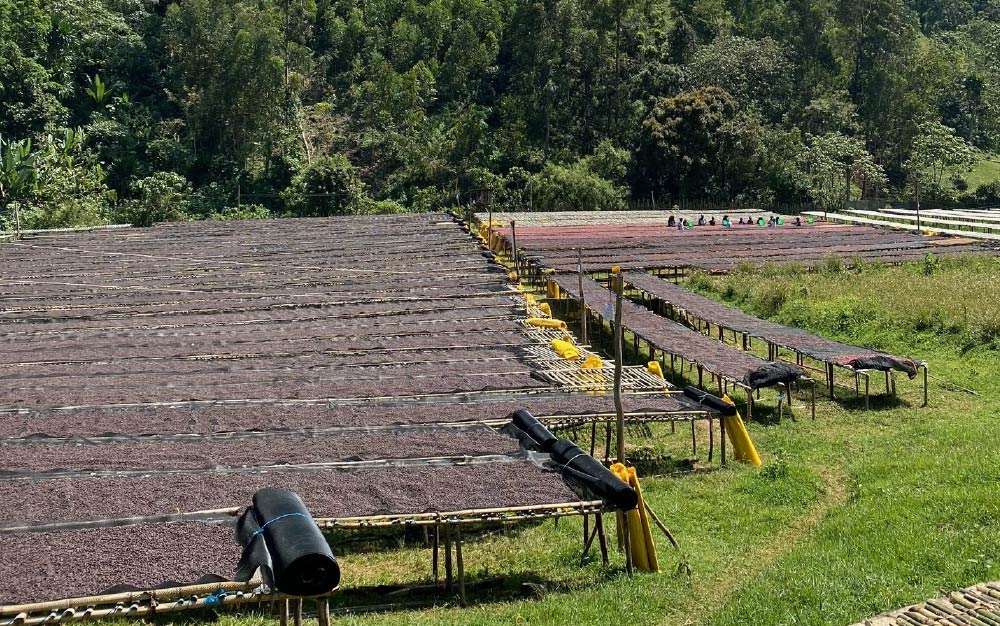
The sun-drying process of Huakui is extremely meticulous. Farmers begin drying when the sugar content of red cherries reaches above 30, maintaining appropriate humidity during the first two days to promote fermentation. They leverage the high-altitude diurnal temperature variation to control fermentation speed, using shading during the day to avoid overexposure and protecting against sudden rainfall at night. After around 18 days of careful processing, the moisture content of green beans is reduced to 13%, followed by a 50-day resting period until it stabilizes at the ideal 11% before being sold.
Over the years, the brand has introduced multiple versions of Huakui, each with its own distinctive profile. For example, Huakui G1 showcases a rich array of strawberry, passion fruit, berries, pineapple, cream, and nuts; whereas Huakui 2.0 is noted for its floral, tropical fruit, and red wine aromas. The flavor differences across versions stem not only from processing techniques but also from variations in climate, soil, and harvest conditions each year.
Additionally, Huakui 4.0 uses the local Dega variety, which made its first appearance at Ethiopia’s Cup of Excellence and, although it didn’t rank in the top 14, garnered attention for its unique flavor potential. The Dega variety features relatively small beans, differing from traditional heirloom types, and presents a more layered flavor expression.
In terms of roasting, the brand has developed dedicated roast curves for different Huakui versions to fully unlock their potential flavors. For instance, Huakui G1 employs a medium-high roast to emphasize the balance between fruity notes and creaminess; while Huakui 4.0 adjusts heat and airflow to highlight its citrusy and berry-like acidity and sweetness.

To fully showcase Huakui’s diverse flavors, the brand recommends using a V60 filter cone for pour over, paired with a high water temperature of 90–91°C and a fine grind size. The unique structure of the V60 ensures even water flow through the coffee bed, enhancing extraction efficiency while avoiding over-extraction that can lead to bitterness.
Recommended parameters are as follows: V60 #01 filter cone, water temperature 90–91°C, coffee dose 15g, brew ratio 1:15, grind size approximately EK43s setting 10 (similar to granulated sugar size, 20-mesh sieve yielding 80%). During brewing, start with a 30-second bloom using 30g of water, then pour 95g, and when the water level drops to two-thirds of the coffee bed, add another 100g. Total brew time should be controlled between 2 minutes and 2 minutes 10 seconds.
With this brewing method, Huakui reveals the freshness of passion fruit, the sweetness of berries, along with subtle floral and black tea notes, leaving a long-lasting and layered aftertaste. Different versions of Huakui have slightly varying flavor directions—from the early strawberry-cream profile to later iterations showcasing citrus acidity and tropical fruit aromas—each cup is a snapshot of that year’s terroir and craftsmanship.
Overall, the flavor evolution of Huakui coffee reflects not only adjustments in processing and roasting methods but is also deeply influenced by climate, soil, and harvest conditions. By understanding its origin background, processing techniques, and pour over skills, you can more comprehensively appreciate the unique charm of this classic coffee and discover new surprises with every brew.
The above content is compiled by CoffeeHunters, a coffee news website.


