







Introduction:Drip bags, known for their ease of use, have become a go-to brewing method for many people at home or while traveling. But have you ever wondered if drip bags can be brewed more than once? How can you brew a premium drip bag, such as one featuring Yirgacheffe, to achieve the best flavor? This article delves into the design principles behind drip bags, recommends optimal coffee-to-water ratios, explains why single-brewing is advised, and offers practical buying tips based on the characteristics of different coffee regions—helping you find your ideal coffee experience.
In modern life, coffee is not just a stimulant but also an expression of refined living. More and more consumers are beginning to pay attention to the origin and processing methods behind their coffee, thereby experiencing diverse flavor profiles: the bright citrus and delicate floral notes of Yirgacheffe, the floral-tea aroma of Panamanian Geisha, the blend of berries and dark chocolate in washed Colombian beans, and the distinctive herbal and spicy qualities of Mandheling—all are captivating features.
With the rise of pour over coffee culture, more people are trying to brew coffee at home, enjoying the pleasure of extracting great flavors with their own hands. But if you’re looking for something more time-saving, convenient, yet still maintains a certain level of brewing quality, then “drip bags” are undoubtedly an excellent choice.
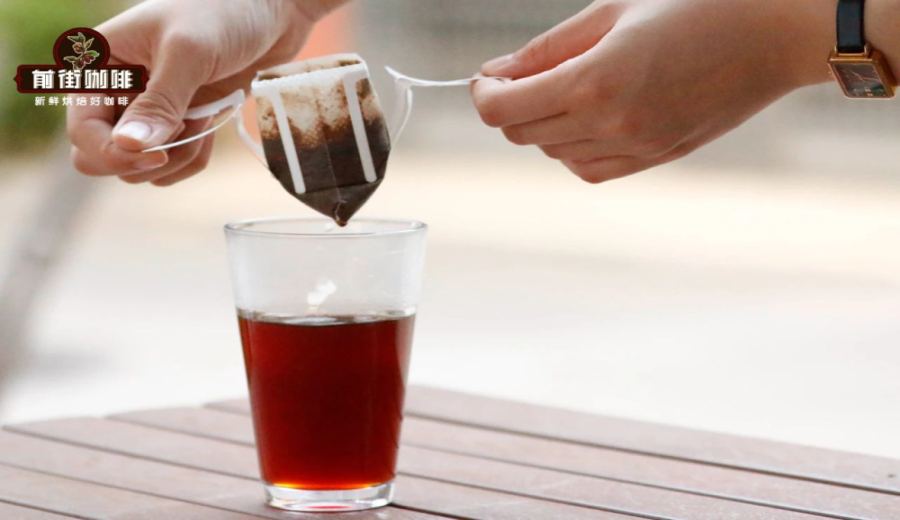
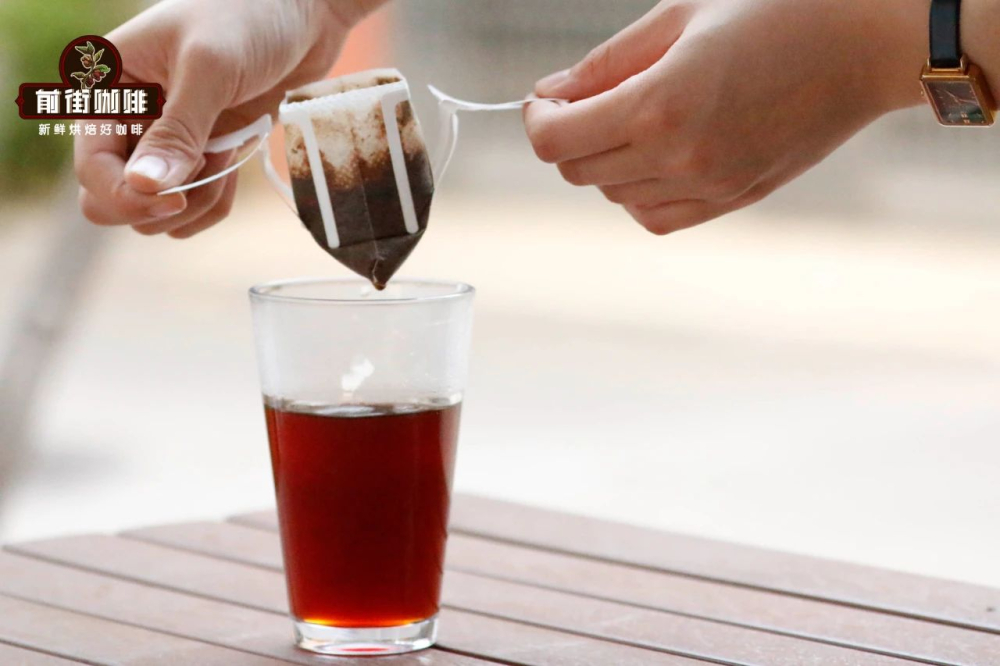
So-called drip bags look similar to a filter pouch filled with ground coffee, characterized by “ear”-shaped cardboard supports on both sides that allow the bag to be securely hung on the rim of a cup. This design is inspired by pour over brewing but eliminates the steps of grinding beans and setting up a filter holder, making the coffee brewing process simpler and quicker—especially suitable for frequent travelers or beginners in the coffee world.
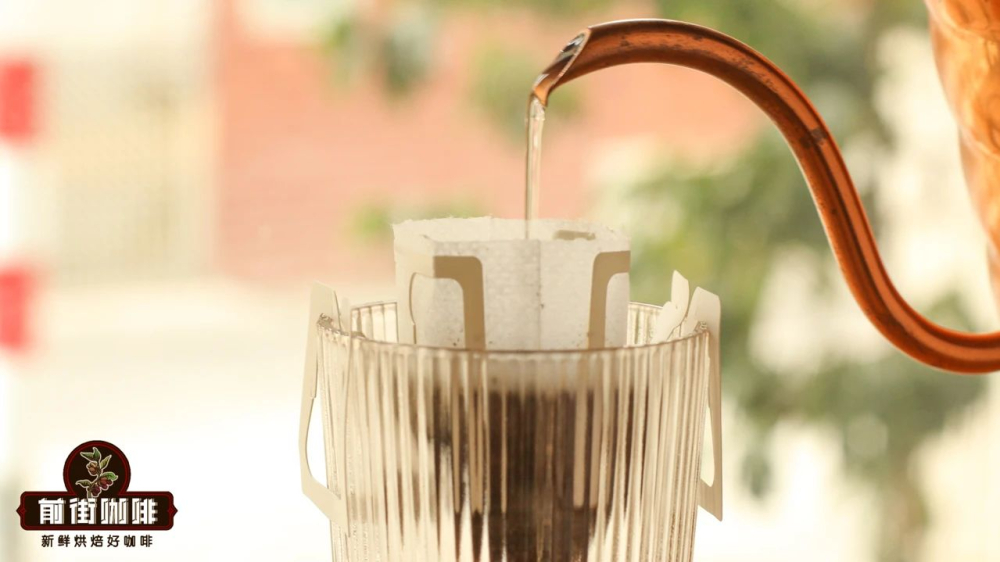
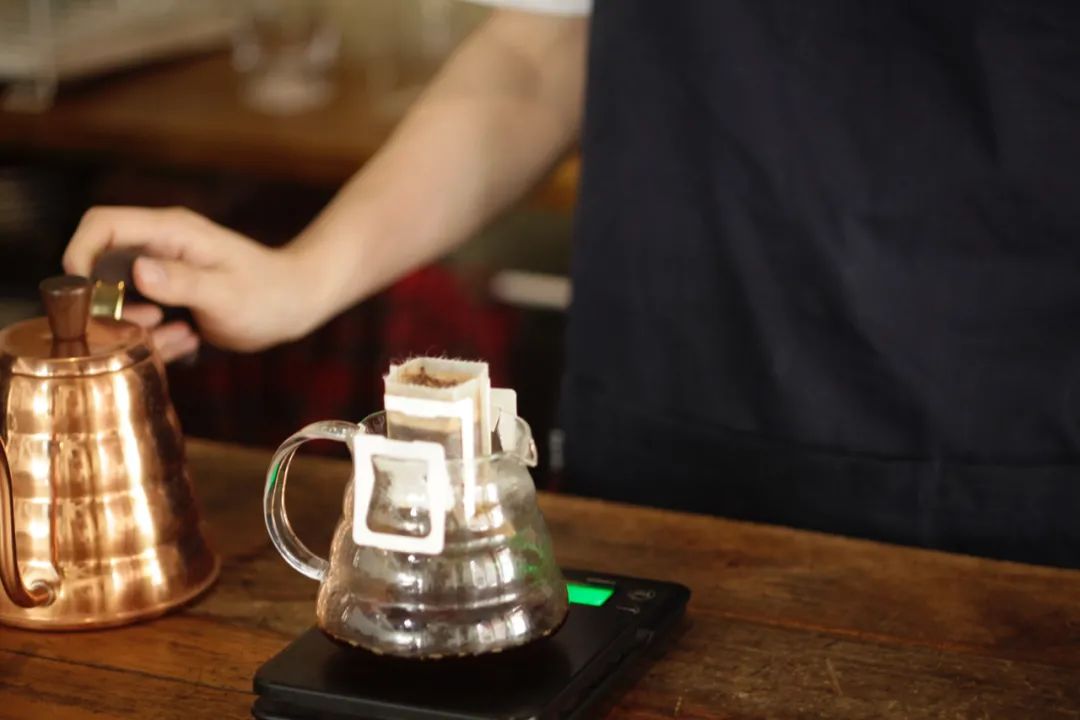
In practice, using a drip bag only requires hot water and a cup. First, open the outer packaging and take out the included coffee filter bag. Follow the instructions on the package to open it and hang the two side “ears” over the edge of the cup. Taking the commonly available specifications as an example, each drip bag usually contains 10 grams of coffee grounds,with a recommended coffee-to-water ratio of 1:15—that is, 10 grams of coffee grounds paired with 150 milliliters of hot water. Depending on personal taste preferences, this ratio can be slightly adjusted between 1:14 and 1:18.
For the actual brewing process, it’s recommended to proceed in three stages: for the first stage, pour a small amount of hot water (about 30 milliliters) to fully bloom the coffee grounds, for approximately 10 to 20 seconds. This step helps to activate the coffee. Then continue pouring hot water until it reaches near the brim of the cup, allowing the coffee liquid to slowly drip through. Finally, top up the water to your desired volume and wait for the filtration to complete before enjoying.This brewing method helps ensure even extraction, avoiding issues of over-extraction or under-extraction.
So, can drip bags be brewed multiple times? The answer is no—it’s not recommended. Since drip bags are essentially a simplified version of pour over, the flavor substances in the coffee beans that can be extracted only account for about 30% of the entire bean. The first brew already releases most of the essence. If you add water and brew again, not only will the flavor become significantly weaker, but you may also notice off-flavors or unpleasant aftertastes, which can detract from the overall experience. Moreover, even if you increase the water volume, it’s difficult to effectively extract more desirable flavors, and it may instead dilute the already limited essence.
Choosing a drip bag with a flavor profile that suits your taste is also an important part of enjoying coffee. If you prefer bright acidity and fruity notes, it’s recommended to consider drip bags from African regions, such as Ethiopia or Kenya. Coffees from these areas are typically medium to light roasted, highlighting citrus, berry, lemon, and even green tea-like finishes—distinct and vibrant in layers.
For example, a drip bag from the renowned Ethiopian region of Yirgacheffe features prominent citrus and berry aromas, along with a hint of subtle sweetness and green tea notes, making it suitable for consumers who enjoy a refreshing taste. On the other hand, if you prefer a richer and fuller-bodied coffee flavor, darker roasted products are a better choice—such as Brazil’s Yellow Bourbon or Indonesia’s Sumatra Mandheling. These coffees, when dark roasted, showcase aromas of chocolate, nuts, caramel, and cocoa, offering a bold and intense mouthfeel with a slight sweetness, perfect for those who enjoy a more grounded flavor profile.
In summary, drip bags, with their convenience and variety, have become one of the indispensable coffee choices in modern life. Although they are not suitable for multiple brews, as long as you master the correct coffee-to-water ratio and brewing technique, you can still easily enjoy a quality flavor close to that of pour over. And by selecting drip bags from different regions based on your personal taste preferences, you can explore a rich and diverse coffee world right in the comfort of your home.
The above content is compiled by CoffeeHunters, a coffee news website.


