







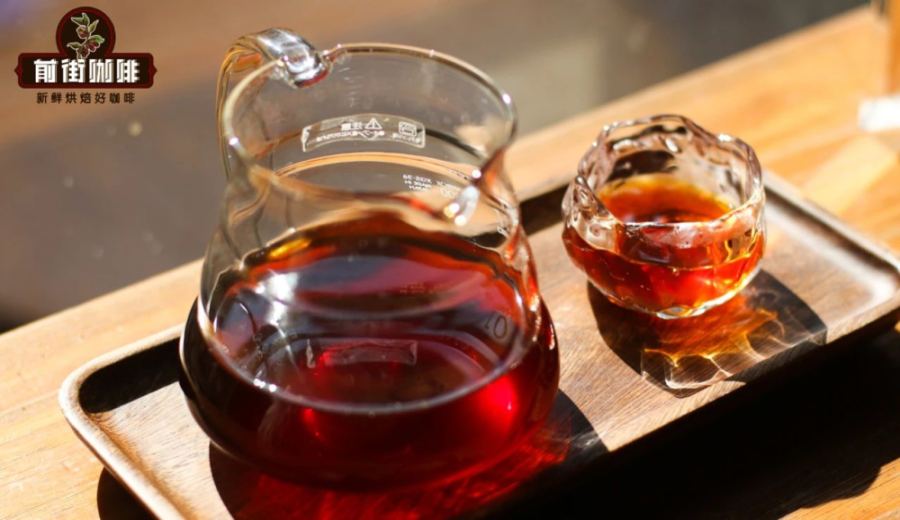
Introduction:Although both Huakui and Geisha originate from Ethiopia, they are entirely different coffee beans. This article delves into their historical origins, varietal characteristics, naming backgrounds, and provides detailed information on the growing regions, processing methods, altitudes, and recommended pour over parameters for Huakui 8.0 and Little Grain Huakui, helping you fully grasp the flavor profiles and brewing techniques of these two popular specialty coffee beans.
In the world of specialty coffee, the names Huakui and Geisha often confuse beginners. Both have shone brightly in international competitions and share an oriental flair in their names, but in reality, they are not the same variety. What exactly is the difference between Huakui and Geisha? What does Ethiopian native variety even mean? This article will comprehensively unravel the mysteries of these two classic coffee beans, covering historical background, varietal classification, processing methods, and brewing suggestions.
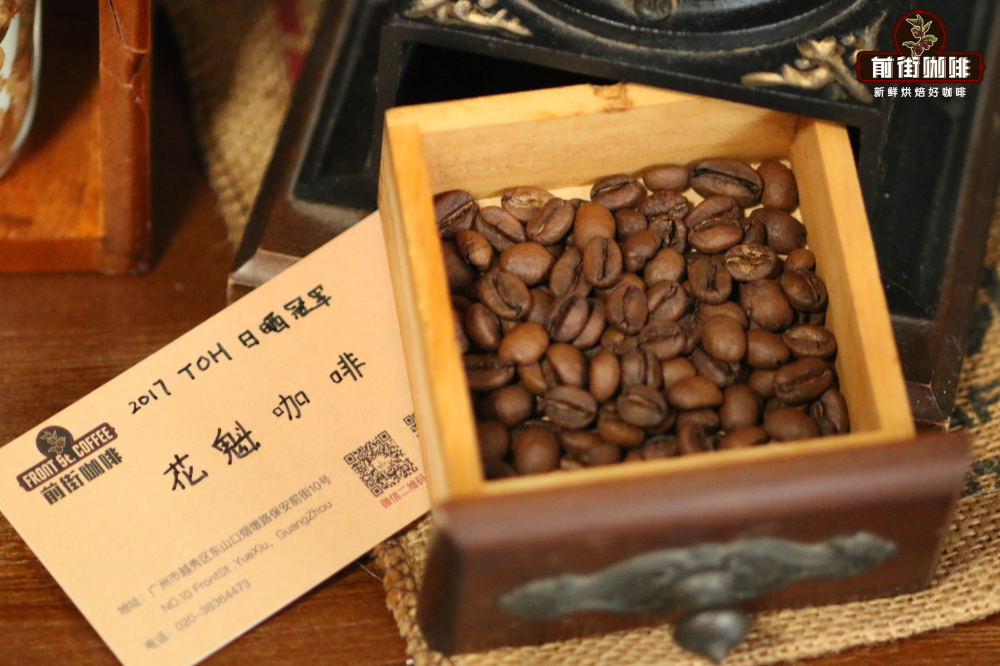
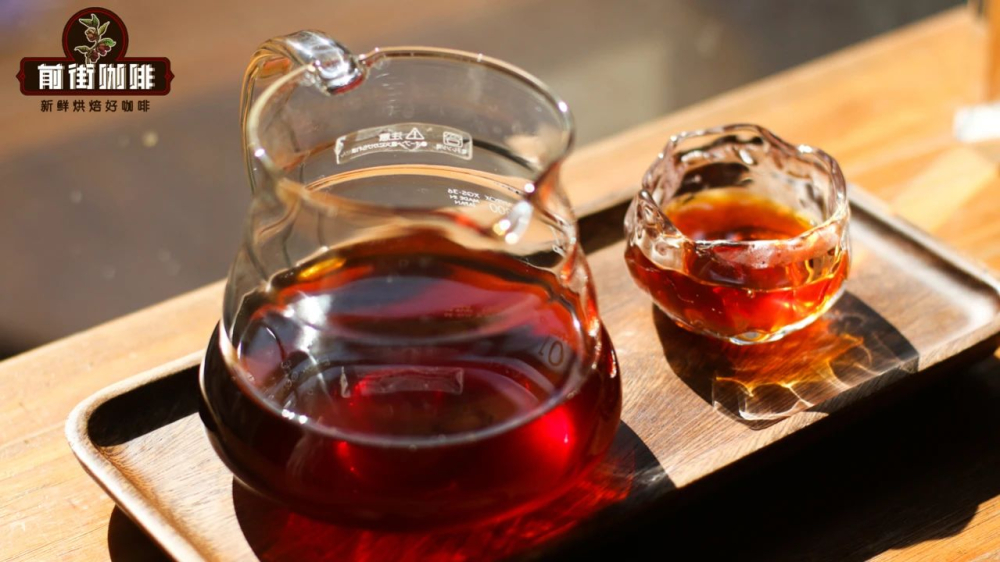 Many beginner coffee enthusiasts tend to confuse Huakui with Geisha, especially when both beans have achieved outstanding results in competitions. In fact, the rise of Huakui is directly linked to the 2017 TOH (Taste of Harvest) green coffee competition. That year, a naturally processed lot from Hambela, Guji, Ethiopia—submitted by DW—won the championship. Later, in the World Brewers Cup China regional competition, this coffee defeated most competitors using Geisha, securing second place and sparking widespread discussion.
Since Geisha was already regarded as synonymous with top-tier coffee at the time, this competing bean that could rival it needed a striking name. Geisha, spelled "Gesha" or "Geisha," sounds similar to the Japanese word for geisha (芸者 / げいしゃ), and is therefore often referred to as "geisha coffee" in Hong Kong, Macau, and Taiwan. The finest among geishas is called "Huakui" (花魁), and this title aptly mirrored the competition outcome. Thus, the 2017 championship lot became known as "Huakui coffee bean" in the Chinese market. However, the connection between Huakui and Geisha ends there.
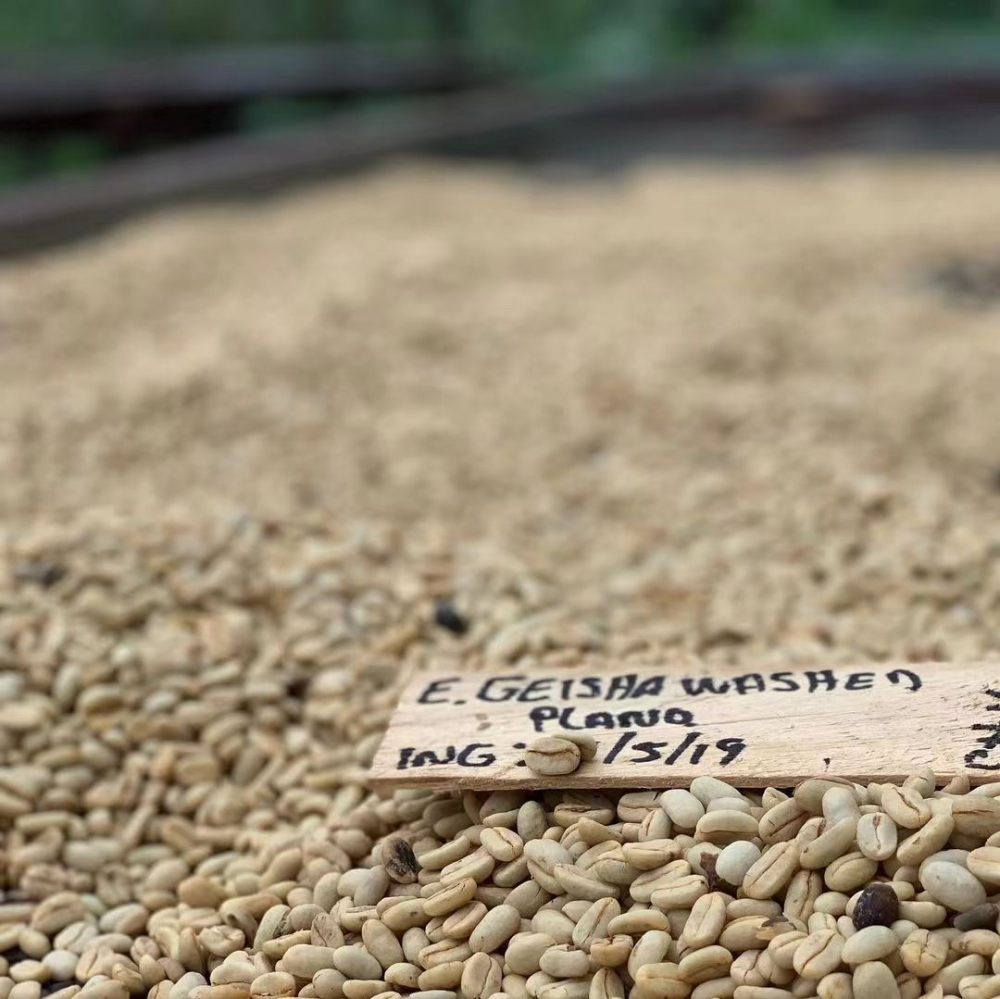
 So why is Gesha translated as "Guixia" (瑰夏)? As early as 2006, Mr. Yuan from Kalooma Coffee first introduced Panamanian Gesha to the Chinese market. At the time, this bean exhibited exceptionally prominent floral and fruity notes, but as it lacked an official Chinese name, Mr. Yuan translated it as "瑰夏" based on its pronunciation and connotations. This translation balanced beauty and recognizability and remains widely used to this day.
The origin of Geisha is actually the Kaffa Forest in Ethiopia. In 1931, a British man collected coffee seeds near the Gesha Mountain in the southwestern part of Ethiopia, and in 1932, these seeds were transported to Kenya. They later spread to Uganda and Tanzania in 1936, and to Costa Rica in 1953. By the 1970s, the owner of the Hacienda La Esmeralda in Panama introduced the Geisha variety from CATIE in Costa Rica. Initially planted as windbreaks due to its low yield, it wasn’t until 2003 that the plantation’s manager noticed a batch of beans with unique floral aromas. Upon tracing its origin, they identified it as the Geisha variety. The following year, it won the Best of Panama (BOP) competition and rose to fame.
 In contrast, the story of Huakui coffee beans is entirely different. Huakui comes from the Hambela region of Ethiopia’s Guji zone, which is far from the birthplace of Geisha. Geographically and varietally, the two are not directly related. In fact, Huakui is not a varietal name, but a branded designation. These beans belong to Ethiopia’s local native varieties—that is, varieties that local growers cannot clearly classify. Observing the beans, one can see varying sizes and shapes, which are typical characteristics of native varieties.
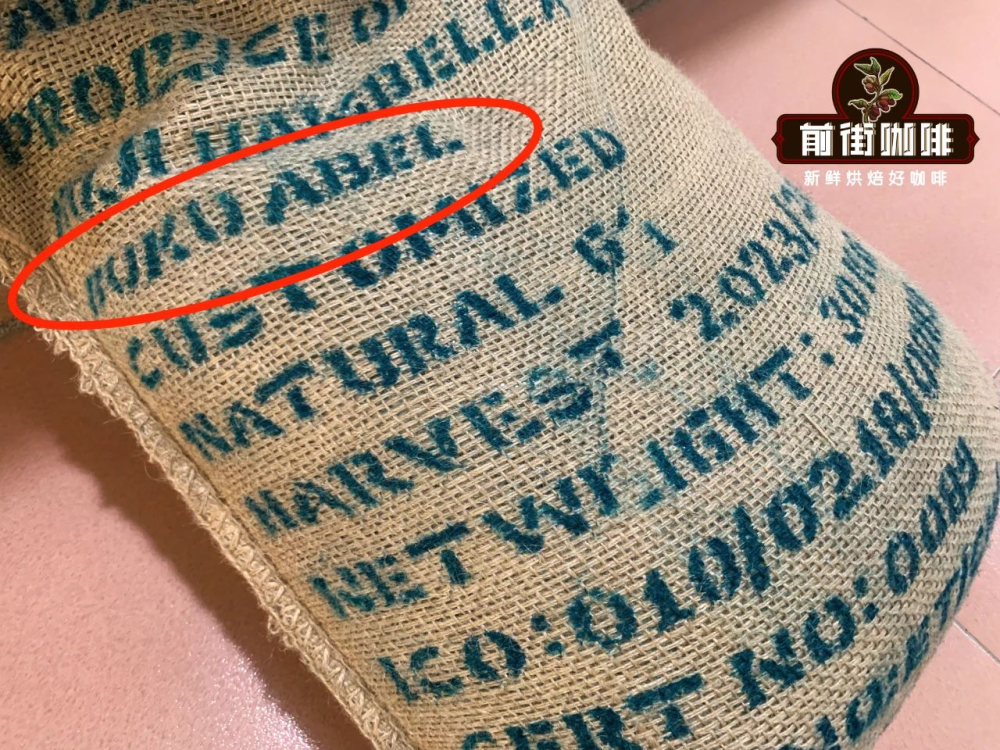
Strictly speaking, only the naturally processed beans from the Buku washing station in Hambela, produced in 2017, can be called "Huakui." Subsequently, the Huakui X.0 series has been released annually—for example, "Huakui 2.0" in 2018 and "Huakui 8.0" in 2024. Although these subsequent batches inherited the Huakui name, their flavors differ from the original. It’s worth noting that in the 2018–2019 batches, flavors remarkably close to the original Huakui could still be detected, especially in the strawberry aroma, though the body and aftertaste were slightly less robust than the 2017 original.
Additionally, a particularly small bean was found among these lots, believed to be the main contributor to Huakui’s aromatic profile. This small-bean variety was later isolated and processed separately, and named "Little Grain Huakui." Since 2020, it has been sold alongside the annual Huakui X.0 release. Little Grain Huakui also differs in flavor expression from regular Huakui and is worth careful tasting by coffee enthusiasts.
 Below is a detailed summary of the two popular Huakui-series coffee beans:
A well-known coffee brand: Huakui 8.0 Coffee Beans
Country: Ethiopia
Region: Guji, Hambela
Washing Station: Buku Able
Altitude: 2350 meters
Variety: Local Native Variety
Processing Method: Natural
Batch: 2024 New Batch
A well-known coffee brand: Little Grain Huakui Coffee Beans
Region: Guji, Hambela, Ethiopia
Washing Station: Buku Able – Independently Selected Small Grains
Altitude: 2350 meters
Variety: Local Native Variety
Processing Method: Natural
Batch: 2021 New Batch
When comparing Little Grain Huakui with Huakui 5.0, it can be observed that although both belong to the 2021 harvest, they exhibit clear differences in appearance and flavor. Little Grain Huakui has smaller beans and a higher proportion of small grains. Cupping results show that Little Grain Huakui offers more intense strawberry aroma and berry sweetness, while Huakui 5.0 displays livelier berry acidity and a brighter mouthfeel.
So, how can you brew Huakui-series coffee to bring out its best flavors? It is recommended to use the pour over method, with the V60 dripper as the top choice. The V60’s 60-degree cone design effectively channels water flow, and its large bottom hole allows control over extraction time by adjusting pouring speed. To fully highlight Huakui’s delicate fruitiness and balanced acidity-sweetness, a medium-fine grind (approximately 80% through a #20 Chinese sieve) is suggested, with water temperature set around 91°C. A three-pour technique is recommended for extraction, using a steady and fine stream of water to enhance the juicy mouthfeel.
 It is advised to use freshly roasted beans within five days of roasting for optimal flavor layering and aroma. The coffee’s degassing period typically lasts 4 to 7 days, during which the flavors gradually stabilize and reach their peak. For practical brewing, a dose of 15 grams with a 1:15 coffee-to-water ratio (total brew water: 225 grams) is recommended.
Here’s the step-by-step process: Start with a 30-second bloom using 30 grams of water; then pour water at a rate of 4 grams per second in a circular motion (4 seconds per circle) until reaching 125 grams, then pause. Wait until the coffee bed sinks halfway, then pour again in the same manner until 225 grams, then stop pouring. Finally, let all the coffee drip through before removing the dripper, with total brew time around 2 minutes and 10 seconds.
 By understanding the differences between Huakui and Geisha, you can not only choose your preferred coffee flavors more accurately but also appreciate the diversity and unique charm of Ethiopian native variety coffees during tasting and brewing. Whether you’re a beginner or a seasoned coffee enthusiast, these two classic beans are worthy additions to your must-try list.
The above content is compiled by CoffeeHunters, a coffee news website.


