








Introduction:Choosing the right coffee beans is key to making a high-quality espresso. This article delves into the differences between blends and single-origin beans, explores the suitable scenarios for medium-dark and dark roasts, and explains why blends are often considered the go-to choice for espresso. By understanding the roasting characteristics and pairing logic of coffee beans, you can find the espresso beans that best suit your taste, enhancing both success rate and flavor performance whether at home or in a café.
Espresso is the base for many classic drinks such as lattes and cappuccinos, with its intense flavor and rich crema resulting from high-pressure extraction. To make a successful shot of espresso, selecting the right coffee beans is crucial. This article will analyze the advantages of blends, key points in choosing roast levels, and how to pick the most suitable espresso beans based on your needs.

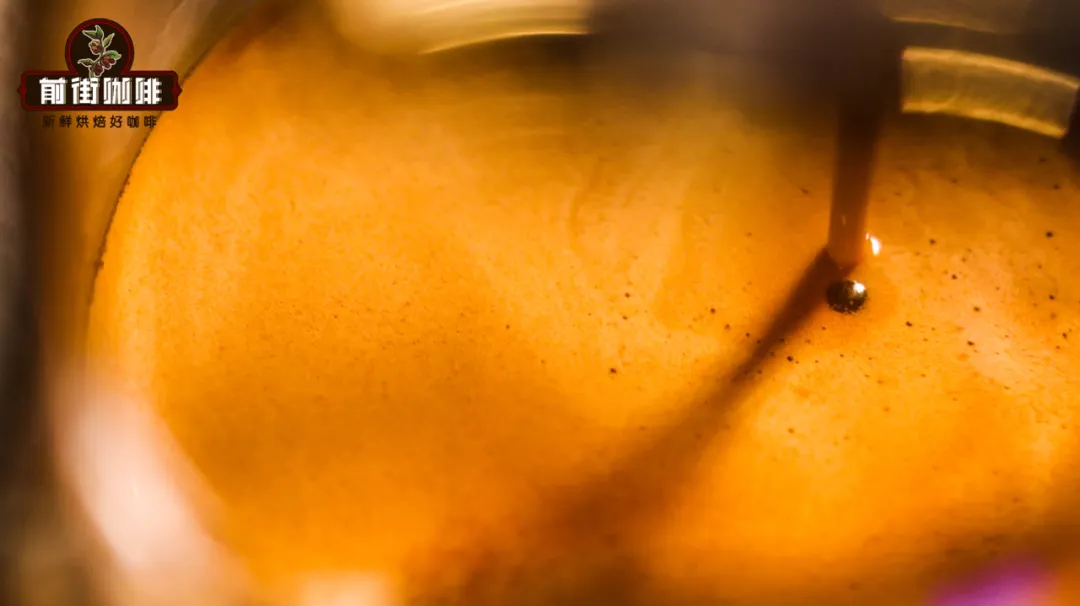
Espresso is made by forcing hot water through a compacted bed of finely ground coffee under high pressure, extracting a small amount of extremely concentrated coffee liquid. Its surface is covered with a layer of fine, golden to brown foam known as crema. The color and aroma of this crema vary depending on the type and roast level of the coffee beans. Although espresso itself rarely appears alone on menus, it is the soul of drinks like Americanos, lattes, and cappuccinos.
To achieve a richer mouthfeel and more abundant crema in espresso, it is generally recommended to use medium-dark to dark roasted beans. These roast levels bring out more pronounced caramel, chocolate, and nutty notes, while also helping to form stable crema under high-pressure extraction. Especially in Italy, many cafés opt for dark roasts, and some even blend in a certain proportion of Robusta beans to pursue a bolder, more intense coffee experience.
As the name suggests, blended coffee beans are composed of two or more types of beans from different origins, combined in specific proportions. The goal of this approach is to combine the strengths of various beans — for example, balancing acidity, enhancing sweetness, intensifying aroma, or stabilizing extraction performance. Common blending strategies might involve combining the bright fruit acidity of African beans with the full body of beans from Central and South America, or adding a small amount of Robusta to boost intensity and crema formation.
For instance, if a particular coffee bean has a prominent aroma but feels a bit thin in texture, it can be balanced by blending with beans that have a fuller body. Conversely, if a bean has a rich body but lacks aromatic complexity, blending it with floral or fruity varieties can add more flavor layers. This art of blending can create a more complex and balanced flavor profile, which is one of the reasons many professional baristas prefer using blends for espresso.
Many coffee enthusiasts often hear the advice that “blends are recommended” when choosing espresso beans. There are two main reasons behind this: first, blends are usually professionally crafted to maintain flavor consistency across different seasons and origins, ensuring a uniform extraction experience; second, blends often offer excellent value for money, delivering rich and layered flavors at a reasonable price, making them ideal for everyday drinking or commercial use.
In terms of roast levels, medium-dark (Full City+ to City++) and dark roasts (French or Italian Roast) are common choices for making espresso. Medium-dark roasts retain a certain degree of sweetness and balanced acidity, while bringing out caramel and nutty aromas, suitable for those who enjoy a mellow yet layered cup. Dark roasts, on the other hand, enhance smoky, chocolatey, and roasted flavors, often yielding more abundant crema, making them ideal for those seeking a bold and intense taste.
It’s important to note that the freshness of coffee beans also significantly affects extraction performance and the quality of crema. It is recommended to choose beans roasted within two weeks, and to use them shortly after grinding to achieve the best flavor. Additionally, different espresso machines and grinder settings (such as grind size and tamp pressure) will also impact the final extraction result. It’s advisable to fine-tune parameters according to your actual setup to achieve optimal extraction efficiency and flavor balance.
The above content is compiled by CoffeeHunters, a coffee news website.


