








Introduction:Ever wondered why most espresso blends use a mix of beans and dark roasting? This article dives deep into the characteristics of four classic espresso blends—premium blend, commercial blend, Black Cocoa blend, and Sunflower Warmth—and provides a detailed breakdown of six key extraction parameters: water pressure, water temperature, grind size, dose, time, and yield. From theory to practice, learn the secrets to crafting a well-balanced shot.
Walk into any café on the street, and you’ll find a dazzling array of espresso bean options. Yet chain brands manage to deliver remarkably consistent flavors across all their outlets. The secret lies in their use of blending techniques and roasting strategies. Many wonder: why not use single-origin beans for espresso? How do blends overcome the limitations of single origins to create more stable and layered flavors? Based on practical experience, this article will help you understand the core concepts and advantages of espresso blends, detail the composition and extraction settings of four classic blends, and guide you to master the key elements of an ideal shot.
 As we all know, each independent café has its own unique bean selection philosophy. However, international chains like Starbucks manage to maintain astonishingly consistent flavor profiles for their espresso worldwide. One of Starbucks’ classic blends combines beans from Latin America and Indonesia, refined over months of adjustments. The Latin American beans contribute gentle acidity and citrus notes, while the Indonesian beans bring body and a hint of spice. With a medium-dark roast, the blend delivers a rich caramel sweetness. This showcases the unique charm of blends—skillfully combining beans from different regions and flavor profiles to compensate for the shortcomings of a single origin, resulting in a more complete and balanced cup.
What is an espresso blend? Before diving deeper, let’s clarify the definition of a single-origin bean. A single-origin bean comes from a specific region or farm, such as the famous Yirgacheffe or Colombian beans. But why are these distinctly flavored single origins generally not suitable for direct use in espresso? The answer lies in the fact that single-origin beans are often roasted lightly to highlight their inherent flavors, making them ideal for pour over or filtered brewing. Using such light-roasted beans for high-pressure espresso extraction can amplify their acidity and flaws, resulting in a sharp or thin-tasting shot. Therefore, many baristas choose to blend beans with high acidity or insufficient sweetness, using complementary beans to adjust the balance of acid, sweetness, and bitterness, creating a blend that is rich, rounded, and smooth in flavor.
In short, a blend is a mixture of two or more coffee beans of different varieties, origins, or roast levels, combined in specific proportions to achieve a desired flavor profile. The industry believes that a high-quality blend not only balances acidity, sweetness, and bitterness but also enhances overall body while effectively reducing the likelihood of off-flavors. Generally, it’s recommended not to use more than five types of beans in an espresso blend, as each additional bean requires greater mastery of origin characteristics, processing methods, and roast reactions—a significant challenge for a barista’s blending skills. In practice, blends are usually limited to three types or fewer to ensure focused and stable flavors.

So, what kind of beans should you choose for espresso? We’ve developed four blends specifically designed for espresso machines: premium blend, commercial blend, Black Cocoa blend, and Sunflower Warmth. Each is carefully crafted for different flavor profiles, suitable for various scenarios and extraction methods.
First up is the premium blend, made with Colombian and Brazilian beans in a 3:7 ratio. The Colombian beans bring distinct nutty and chocolatey notes, while the Brazilian beans contribute rich peanut and creamy aromas. Together, they create a smooth, full-bodied shot with gentle aroma and a subtle bitterness unique to American beans—perfect for those who prefer balanced flavors.
The second is the commercial blend, composed of Colombian, Brazilian, and a small amount of Robusta beans in a 3:6:1 ratio. This blend centers on caramel sweetness, layered with notes of nuts, cocoa, and dark chocolate. Its acidity and sweetness are well-balanced, with a moderately bitter and long-lasting finish. Although it contains Robusta, the proportion is strictly controlled—not only does it not detract from the overall flavor, but it also enhances the body and richness of the shot.
The third, highly recommended by baristas, is the Black Cocoa blend, primarily made with Yunnan and Brazilian beans in a 3:7 ratio. This blend is especially suitable for moka pot extraction, offering relatively mild flavors with soft fruit acidity, pronounced caramel sweetness, and delicate notes of nuts and dark chocolate. It has a smooth texture and moderate viscosity, making it a great choice for beginners due to its understated yet well-rounded profile.
Finally, there’s the Sunflower Warmth blend, combining Honduran and Yirgacheffe Red Cherry beans—currently our flagship espresso blend. The resulting shot showcases bright, clear fruit acidity, subtle berry aromas, and layers of rich wine and chocolate, with a sweet and lingering aftertaste. It’s perfect for those who enjoy a combination of fruity and sweet notes.
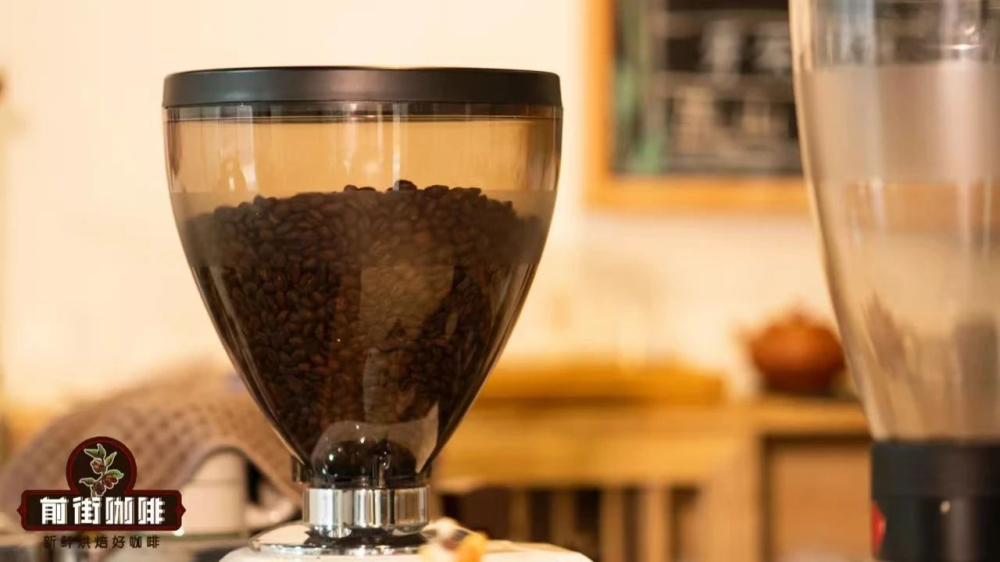
Once you’ve selected the right blend, the next step is extraction. While espresso machines are relatively user-friendly, pulling a great shot still requires precise control over multiple variables to consistently achieve ideal flavors. Here are the six key extraction parameters:
1. Water Pressure: Modern espresso machines typically regulate water pressure via a pump. The ideal pressure for espresso is9 BAR, widely recognized as the optimal extraction pressure in the industry.

2. Water Temperature: Water temperature should be adjusted based on bean characteristics, with a general recommended range of90°C to 92°C, fine-tuned according to actual flavor results.
3. Grind Size: Espresso requires an extremely fine grind. The finer the grind, the slower water flows through, which helps improve extraction yield and body. Conversely, it can lead to under-extraction. If you notice thin body or overly prominent acidity, try adjusting to a finer grind.
4. Dose: For a single shot, use12–14 grams; for a double, use20–22 grams, adjusting based on your machine’s portafilter capacity and extraction needs.
5. Extraction Time: The ideal extraction time is25–28 seconds, though actual time may vary based on tamp pressure, dose, and grind size, requiring flexible adjustments.
6. Yield: For a single shot, aim for20–21 gramsof liquid; for a double, aim for40 grams—this ratio also serves as a key basis for calculating brew ratio.
Master these basic parameters, and fine-tune based on actual flavor feedback. With practice, you can craft a well-balanced, flavorful espresso at home or in your café.
The above content is compiled by CoffeeHunters, a coffee news website.


