







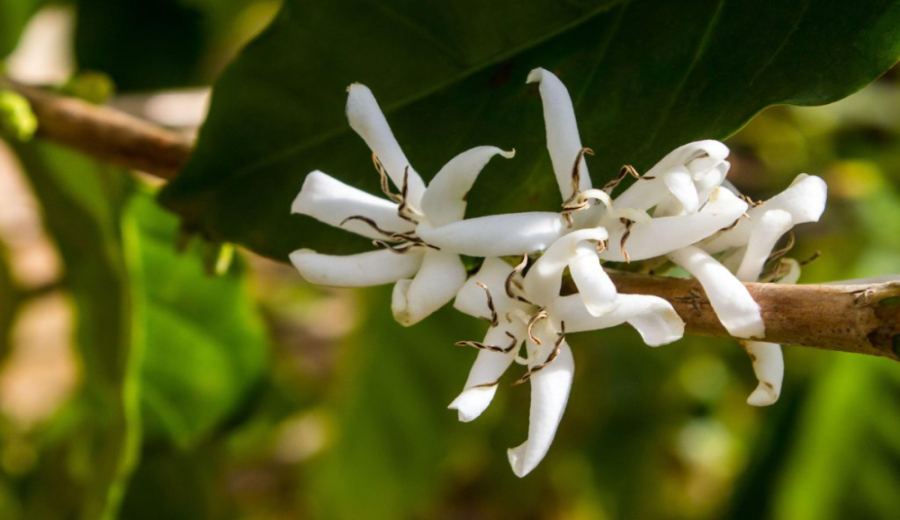
Introduction:Ever wondered why Geisha and Yirgacheffe, despite both boasting bright floral-fruity aromas and vibrant acidity, have each carved out their own unique space in the global specialty coffee market? This article delves deep into the unique characteristics of these two classic coffees—from terroir and varietal origins, to processing methods and actual flavor profiles—while also providing practical pour over parameters and brewing recommendations to help you develop a clearer tasting mindset and better appreciate the subtle differences between flavors from different regions.
Both Geisha and Yirgacheffe are celebrated for their bright acidity and captivating floral-fruit notes, but these two globally adored specialty coffees actually differ greatly in varietal lineage, growing environment, and processing techniques. Understanding these differences not only enhances your drinking pleasure but also helps coffee enthusiasts make more suitable choices based on taste preferences.
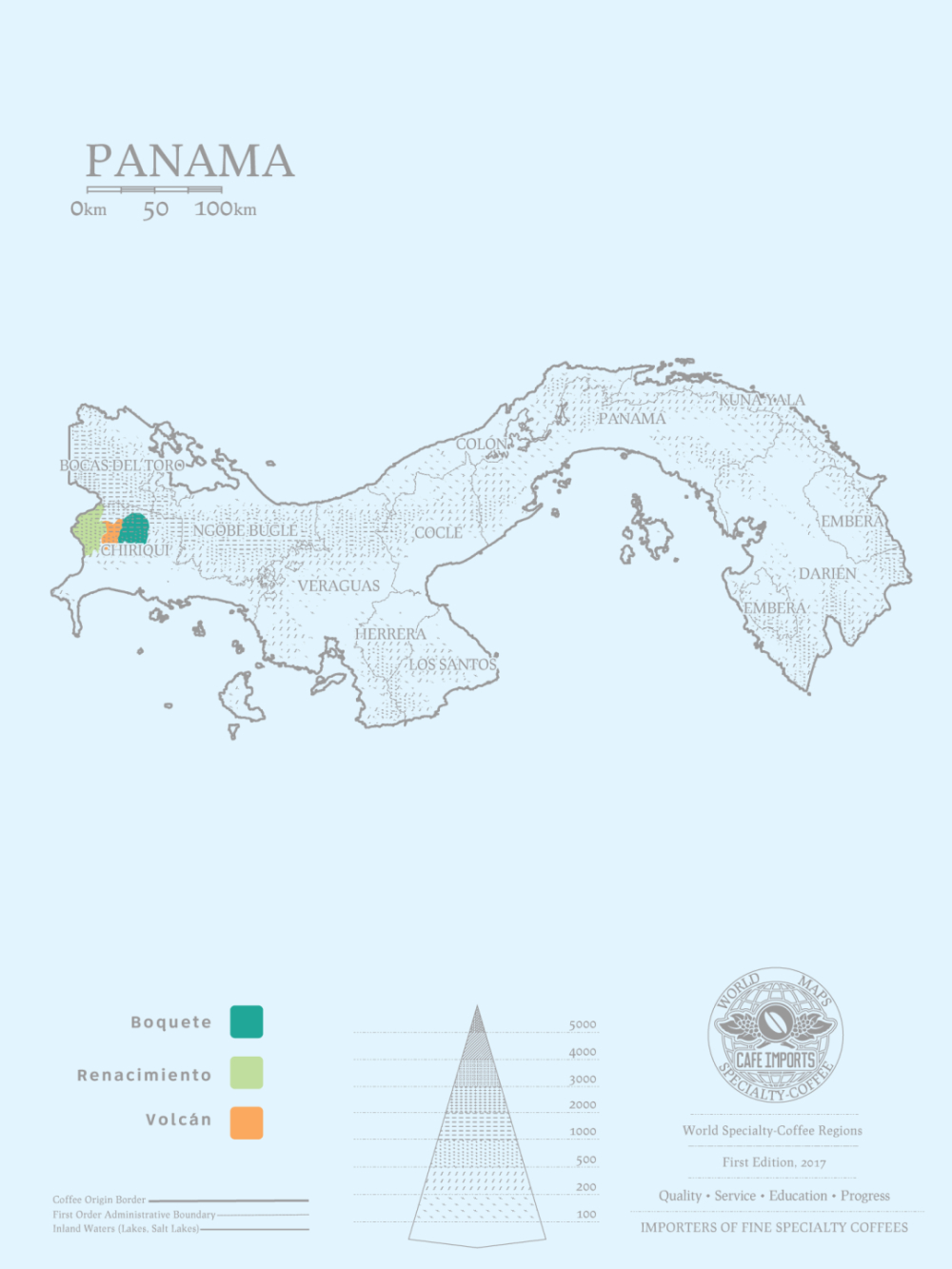
First, let’s focus on Panamanian Geisha coffee, where the most representative growing region is undoubtedly Boquete. Nestled among mountains and influenced by the Central Cordillera, this area generally has high altitudes, a cool and humid climate, significant day-night temperature variations, and fertile volcanic soils—all of which contribute to the extremely rich aroma and complex layers of Geisha coffee. Especially in high-altitude environments, coffee cherries ripen more slowly, aiding in the accumulation of flavor compounds, so Geisha lots from these areas often exhibit intense floral notes, rich fruitiness, prominent acidity, and a silky mouthfeel, outperforming those from lower-altitude regions.
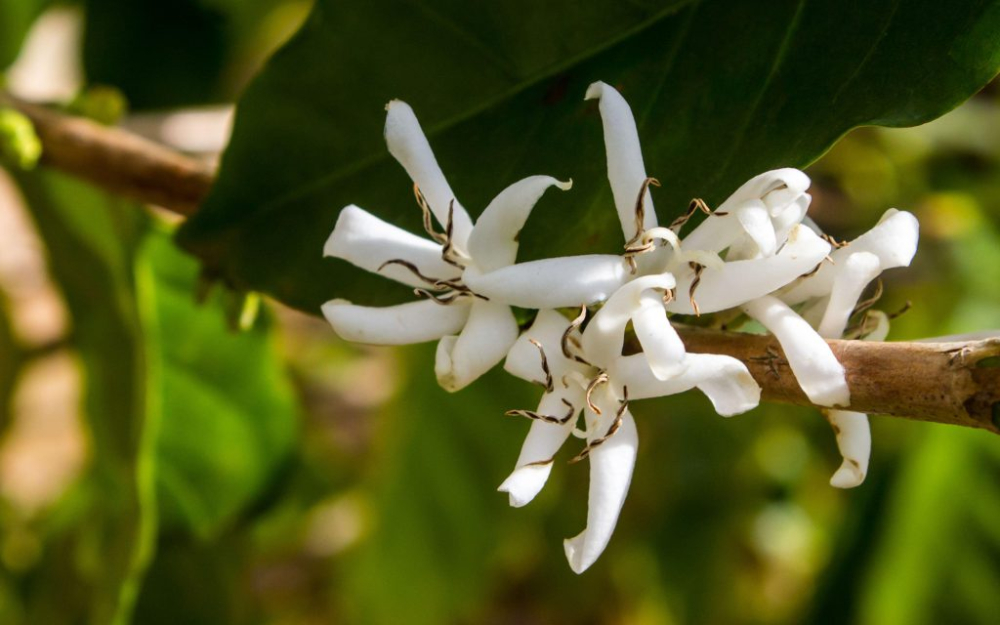
Among the many Panamanian Geisha-growing farms, La Esmeralda is undoubtedly one of the most well-known representatives. Its three main sub-farms include El Velo, Cañas Verdes, and Jaramillo, with the Geisha from Cañas Verdes and Jaramillo being the most renowned. For precise management, the farm conducts cuppings for different plots and subdivides planting areas according to altitude, thereby categorizing them into Red Label, Green Label, and Blue Label grades. The Red Label Geisha typically comes from the highest-altitude micro-lots, not only scoring impressively in cuppings but also releasing a rich array of flavors such as lemon, honey, berries, orange peel, and mango after sun-drying, with a creamy and citrusy sweet finish.
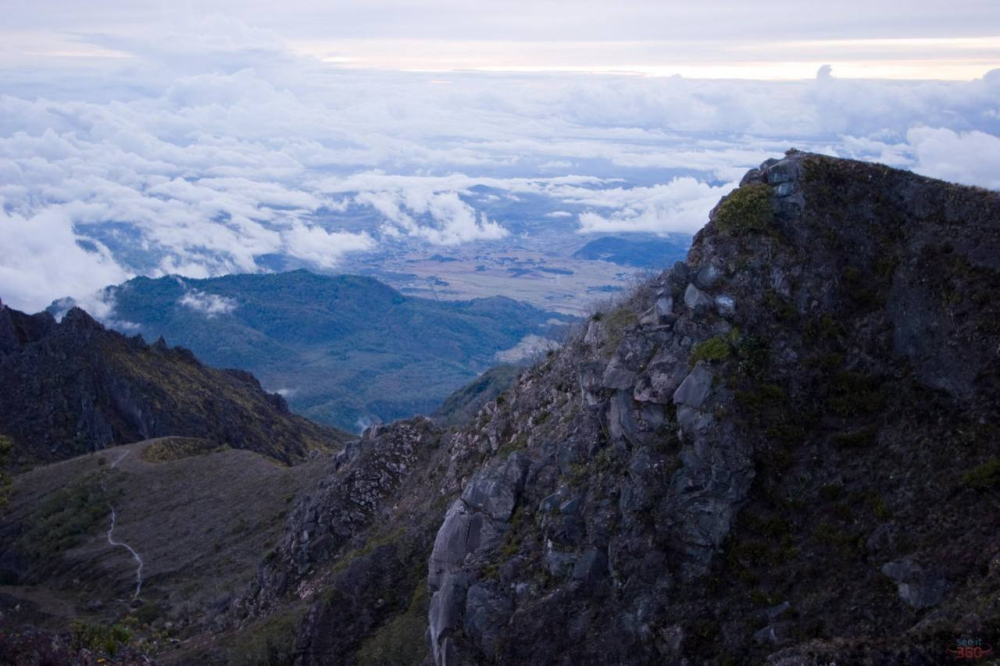
Elida Estate is another key high-altitude Geisha-producing origin in Panama, founded by the Lamastus family in 1918 and now in its fourth generation. The estate is mostly located within the boundaries of the Volcán Barú National Park, at elevations as high as 1900 meters, with some plots even approaching 2100 meters. This location, combined with the volcanic microclimate, not only benefits coffee growth but also fosters complex fruit-forward acidity and sweetness. Elida insists on harvesting only fully ripe coffee cherries and follows a strict green bean processing procedure, enabling its Geisha to consistently achieve top results in international competitions, often showcasing pronounced floral, orange, guava, honey, and creamy aromas.
Finca Sophia, also located in the Volcán Barú region, is a small-scale specialty farm that surprised everyone by winning the Geisha Washed category championship at the Best of Panama (BOP) in 2017, demonstrating its great potential. The farm grows coffee at altitudes between 1900 and 2100 meters, and the significant day-night temperature variation imparts extreme flavor complexity to the beans. Its sun-dried Geisha features distinctive notes such as sweet orange, honeydew, rose, apple juice, and oolong tea, with a clear and unforgettable flavor profile.
It’s worth mentioning that the Geisha variety was first discovered in 1931 in Ethiopia’s Gesha Forest, then traveled through Kenya, Uganda, Tanzania, and Costa Rica, before finally taking root stably in Panama in the 1970s. Today, besides Panama, other origins such as Ethiopia, Costa Rica, and Guatemala have also introduced the variety, each exhibiting different characteristics due to local terroir conditions. For example, the Red Label Geisha from Ethiopia’s Gesha Village, belonging to the Gori Geisha variety, shows flavors of apricot, berries, flowers, and tropical fruits after sun-drying, with outstanding sweetness and a long-lasting finish; while Geisha from Costa Rica and Guatemala often employs honey processing, resulting in noticeable fermentation notes and uniquely layered flavors.
Turning to Yirgacheffe in Ethiopia, this small town in the Gedeo region is famed for its high altitude (1700–2200 meters) and cool climate, which lead to a longer coffee growth cycle and help accumulate flavor compounds. Yirgacheffe coffee is mostly grown by smallholder farmers, who often intercrop coffee with other plants to provide natural shade. After harvest, the coffee cherries are usually sent to cooperatives for unified processing, so it’s common to see Yirgacheffe beans labeled by cooperative names on the market, such as Dingding Cooperative or Wocha Cooperative.
What Yirgacheffe is best known for is its outstanding washed processing method. Farmers first use water flotation tanks to remove defective cherries, then remove the pulp and skin, followed by placing the beans in fermentation tanks for 12 to 36 hours. The acidic environment helps separate the mucilage layer, after which the beans are washed multiple times and dried on raised beds under the sun. This process gives Yirgacheffe a clean, bright acidity and a refreshing, elegant jasmine-like floral aroma, which are key traits distinguishing it from other origins.
In terms of varietals, Geisha originates from the variety discovered in Ethiopia’s Gesha Forest in 1931, which later spread to multiple countries and eventually established its specialty status in Panama; whereas Yirgacheffe mainly uses local landrace varieties (Heirloom). Due to the diversity and difficulty in classifying Ethiopian coffee varieties, the government chooses not to disclose detailed information in order to protect the gene pool, hence they are collectively referred to as Heirloom. These varieties are usually of varying sizes and exhibit more region-specific flavor characteristics.
In actual brewing, both Geisha and Yirgacheffe are well-suited to medium-light roasts to highlight their bright acidity and floral-fruit aromas. It’s recommended to use a V60 filter, with water temperature controlled at 91–92°C, a coffee-to-water ratio of 1:15, and grind size around 80% passing through a #20 sieve (similar to granulated sugar). Use a three-stage extraction: start with 30g of water for a 30-second bloom, then pour 95g of hot water, and when the coffee bed has descended halfway, add another 100g. Throughout the entire process, maintain a gentle flow and circular pouring to avoid over-extraction or uneven extraction.
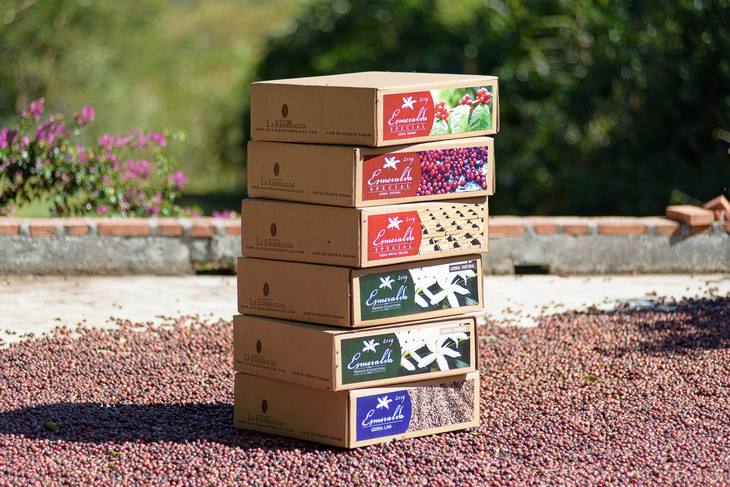
In terms of flavor profile, Yirgacheffe—such as a washed lot from Dingding Cooperative—delivers a clear citrus acidity upon entry, with pronounced sugarcane sweetness, and as the temperature drops slightly, reveals a refreshing green-tea-like finish; whereas Geisha—like the Red Label from La Esmeralda—excels in mango, berry, and tropical fruit aromas, with a silky, creamy mouthfeel, prominent honey sweetness, and a richly layered finish, reminiscent of a delicate fruit tea. By carefully comparing the two, you’ll gain a clearer grasp of the unique personalities of these two classic origins and be able to more precisely identify and appreciate their charms in everyday sipping.
The above content is compiled by CoffeeHunters, a coffee news website.


