







Introduction:Making a well-balanced espresso shot hinges on selecting the right coffee beans. This article delves into why light-roast beans aren't ideal for espresso extraction, explores the differences and roasting philosophies between blends and single-origin beans (SOE), examines the relationship between crema and carbon dioxide production, and recommends a curated selection of beans—including Strawberry Sugar Espresso—suitable for both home and café use, helping readers master the art of choosing the right beans for espresso.
Brewing a smooth and balanced espresso isn’t as simple as tossing any old bag of beans into your machine. Especially when using light-roast beans under high pressure, the acidity in the beans is greatly amplified, resulting in a sharp, astringent cup that’s hard to enjoy. So, what kind of beans should you choose to make a rich, layered espresso?
Among the many options, blends specifically crafted for espresso machines are usually the top choice. These beans are typically roasted darker than single-origin beans meant for pour over, not only ensuring more stable extraction but also delivering a more consistent and complex flavor profile. As for single-origin espressos (SOE), they come with their own unique roasting and brewing considerations.
A common question is: can any coffee bean be used for espresso? The answer is no. Particularly with light-roast beans, the high pressure and temperature of extraction intensify the acidity, making the coffee taste overly bright and unbalanced. So, which beans are actually suitable for making espresso?
It’s recommended that, if you want consistent results, you should prioritize blends designed for espresso machines. These beans are generally roasted to a medium-dark or dark level, which helps minimize harsh acidity while extracting more soluble flavor compounds, resulting in a richer, fuller-bodied espresso.
Single-origin beans commonly used for pour over vary greatly from batch to batch due to differences in growing climate, soil, roast details, and even daily bean condition, making it difficult to ensure consistent flavor extraction. Under the high-pressure conditions of espresso brewing, these inconsistencies are magnified, often leading to noticeable differences in taste from shot to shot.
Now, let’s talk about SOE, or single-origin espresso. Though it also uses single-origin beans, the roast level for SOE is typically darker, usually medium-dark or beyond. This is because the acidity of light-roast beans, under the intense pressure and heat of an espresso machine, can easily turn into unpleasant sourness or astringency. In contrast, medium-dark roasts help mellow the acidity while bringing out rounder flavors like caramel, nuts, and chocolate.
If you prefer floral and fruity notes, try a medium-dark roasted SOE—such as a naturally processed bean—that highlights tropical fruits and floral layers. For those who enjoy bold fruitiness, go for a medium-dark single-origin with pronounced fruit character. And if you want to avoid noticeable acidity, consider Brazilian beans like those from Queen Estate, known for their body and low acidity.
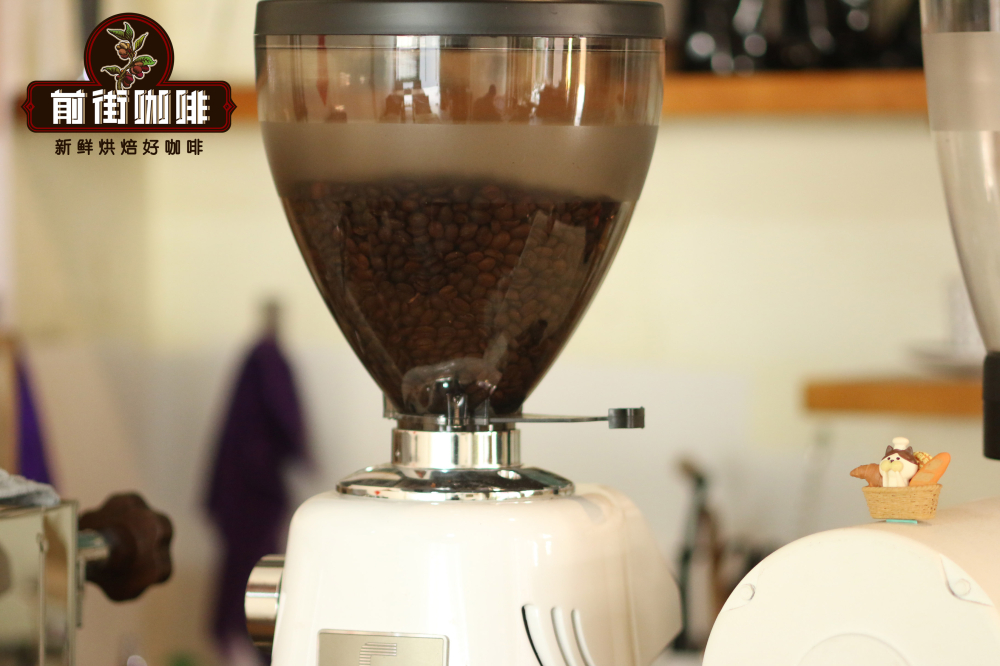
Why are most commercial espresso beans blends? There’s more to it than meets the eye. Early baristas found that relying solely on single-origin beans made it hard to maintain consistent flavor day-to-day, and beans from different harvests or processing methods—even of the same variety—could behave very differently under extraction. Blends cleverly combine beans from various regions, processing styles, and roast levels to balance overall flavor and ensure each shot of espresso delivers a stable taste foundation.
Additionally, blends help reduce costs and supply risks. When beans from a particular region become unstable due to climate or harvest issues, blending in beans from other areas helps maintain consistent output without customers noticing major differences. More importantly, darker roasts allow coffee beans to release more carbon dioxide, which not only enhances body but is also one of the key factors in forming the coveted crema layer on espresso.
Speaking of espresso crema, many assume it’s just coffee oils. In reality, it’s also packed with tiny carbon dioxide bubbles. When espresso is extracted under 9 bars of pressure, the CO₂ in the coffee grounds can’t escape and instead dissolves into the liquid, combining with emulsified oils to form a golden, fine, and long-lasting crema. This layer isn’t just visually appealing—it also significantly contributes to the aroma of the coffee.
Since blends are so important, what are some practical espresso blend recipes worth trying? If you’re after an espresso that balances sweetness and fruitiness, consider Strawberry Sugar Espresso. This blend combines beans from Costa Rica, Colombia Huila, and Ethiopia Yirgacheffe. The honey-processed beans contribute rich raisin and caramel notes, the Yirgacheffe adds elegant floral layers, and the Colombian Huila brings deep chocolate and cocoa tones, creating a profile that’s full-bodied yet refreshing, perfect for lattes or drinking straight.
Moreover, to meet various needs, the market offers several practical blends, such as beginner-friendly entry-level blends, premium blends focused on rich nutty flavors, commercial blends tailored for business cafés, and the dark cocoa-flavored blends highly recommended by many baristas. Each formula has its own unique character, catering to a wide range of users from home brewers to professional shops.
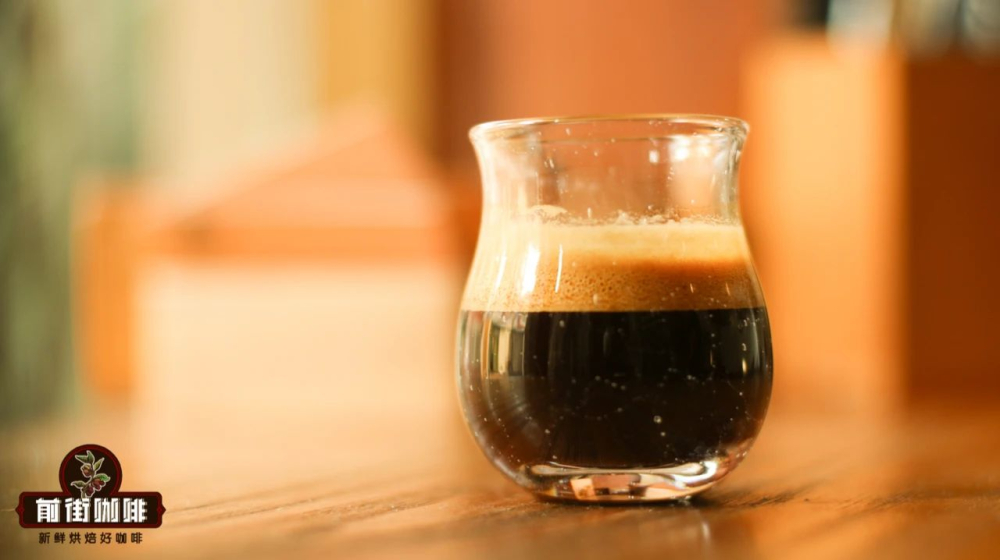
It’s worth noting that once you receive freshly roasted espresso beans, it’s best to let them rest for about 5 days to allow excess carbon dioxide to dissipate. Too much CO₂ can not only destabilize extraction and affect flavor but may also make the crema overly thick, hindering milk integration—especially when making hot lattes, where it could disrupt latte art formation and overall taste balance.
The above content is compiled by CoffeeHunters, a coffee news website.


