







Introduction:An in-depth exploration of the world’s top specialty coffee — the history, origin, regional characteristics, raw and roasted bean appearance identification, and flavor profiles of different processing methods of Geisha. This article provides a comprehensive introduction from its Ethiopian origins to its championship win in Panama, along with professional pour over brewing suggestions and tasting tips to help coffee enthusiasts fully grasp this legendary variety.
Geisha coffee, hailed as the pinnacle of the specialty coffee world, is renowned for its intense floral and fruity aromas, bright and clean acidity, and an astonishingly sweet finish, making it a dream coffee for many enthusiasts. From its origins in Ethiopia’s Gesha Mountains (pronounced similarly to the Japanese word for “geisha”) to its dazzling performance at Panama’s Hacienda Esmeralda, this variety has undergone a legendary journey spanning over seventy years and remains a focal point in auction markets and specialty coffee competitions.
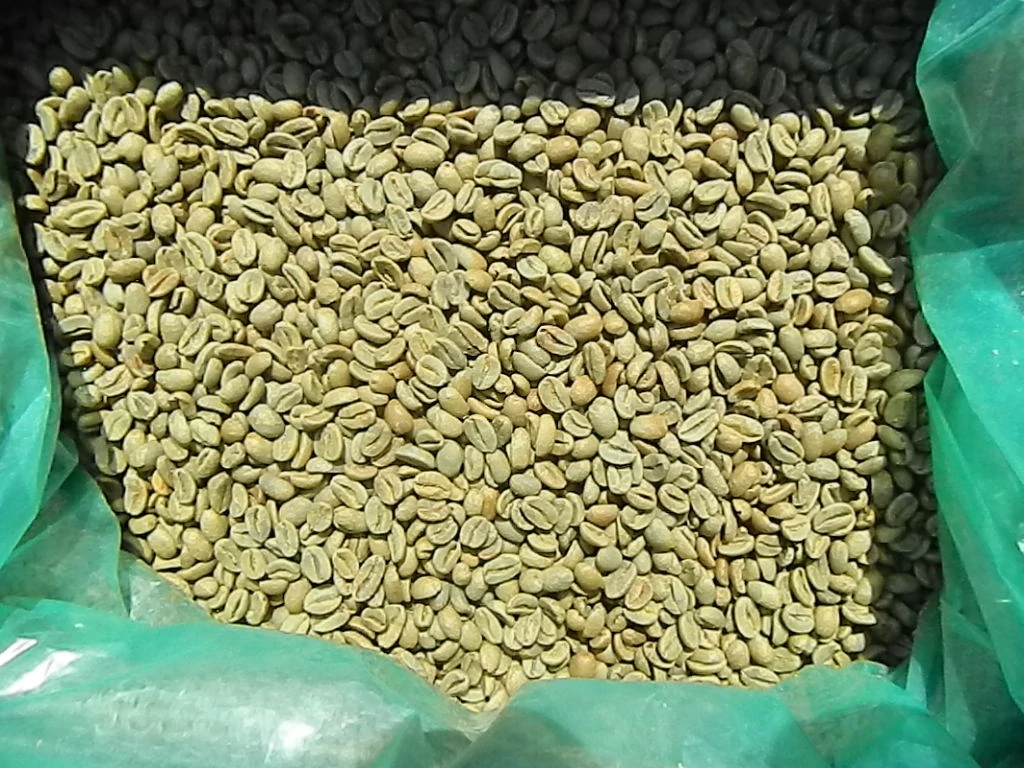
Raw and Roasted Bean Appearance CharacteristicsIn terms of raw beans, Geisha often exhibits a unique bluish-green hue with a jade-like luster, accompanied by fresh grassy, peach, berry, and even subtle oolong-tea-like milky aromas. These delicate scents often require brewing to be fully released. Meanwhile, properly roasted beans display fine “sexy wrinkles” on the surface — a common trait of high-altitude hard beans that also reflects good density and vitality. Improper roasting may introduce off-flavors such as grassy or earthy notes.
Geisha was first transported from Ethiopia’s southwestern Gesha Mountains (pronounced similarly to the Japanese word for “geisha”) to Kenya in 1931, then via Tanzania, and was eventually cataloged as variety T2722 at CATIE agricultural research institute in Costa Rica. It wasn’t introduced to Panama until the 1960s and remained overlooked for a long time. However, after 2004, thanks to meticulous cultivation and processing at Hacienda Esmeralda, Geisha won the Panama Cup of Excellence for three consecutive years from 2005 to 2007, launching its journey as a top-tier specialty coffee.
In 2007, the variety fetched an astronomical price of $130 per pound at an international auction hosted by the Specialty Coffee Association of America (SCAA), setting a record for competition beans at the time. Since then, to prevent Geisha from dominating exclusively, Panama’s Cup of Excellence even introduced separate “Geisha” and “non-Geisha” categories. Although part of the Typica family, Geisha has established an unshakable position in the global specialty coffee market due to its unique genetic expression.
Currently, Geisha coffee is cultivated in various Latin American regions including Panama, Guatemala, and Colombia, but Panamanian-produced Geisha is the most highly regarded and comparatively more expensive. Terroir factors such as altitude, microclimate, and soil type significantly influence Geisha’s flavor profile. Generally speaking, higher altitudes and greater day-night temperature variations are more conducive to developing Geisha’s rich floral and fruity notes, as well as its clear, vibrant acidity and sweetness.
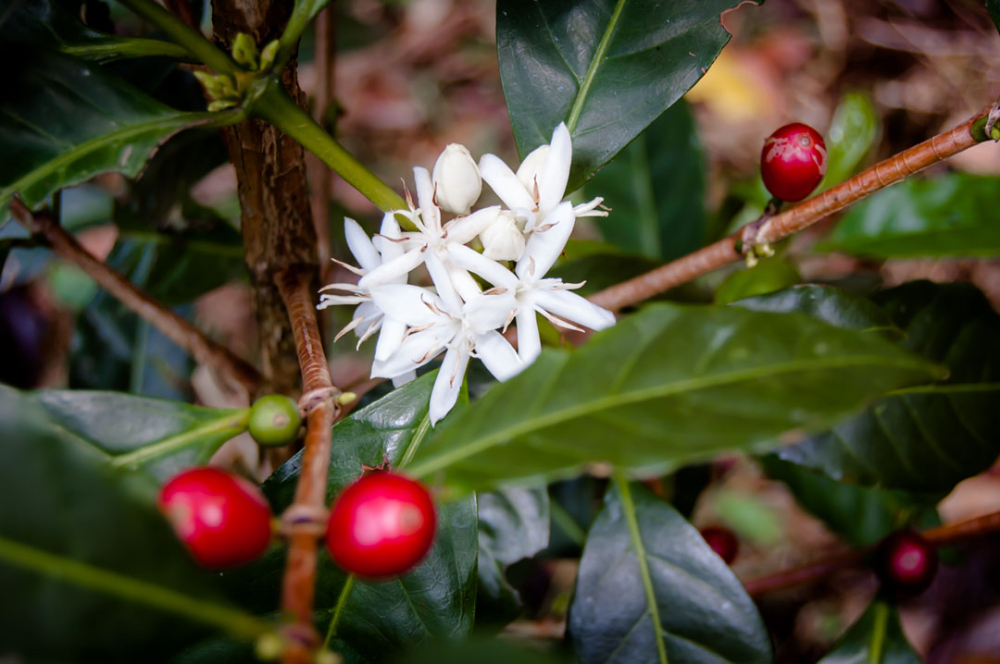
When cupping Geisha, the following aspects can be observed:
- Dry Aroma: Often features prominent floral notes such as jasmine and brandy rose, accompanied by fresh citrus and pomelo fruitiness.
- Wet Aroma: Upon brewing, releases tropical fruit sweetness like pineapple and mango, along with honey or creamy sweet notes.
- Mouthfeel: Bright and clean upon entry, with soft yet vibrant acidity, often showcasing citrus notes like lemon and lime, while the finish continues with floral and fruity sweetness.
- Aftertaste: Many cuppers note that Geisha often carries a refreshing bergamot (citrus bergamot)-like aftertaste, which is one of its hallmark flavor markers.
In terms of roast level selection, to fully showcase Geisha’s delicate aromas and layered complexity,it is recommended to use medium-light to light roasts, typically approaching the start of the second crack or the end of a dense first crack. Over-roasting can mask its innate floral and fruity character, introducing smoky or burnt-bitter flavors; under-roasting may bring out unwanted off-notes, compromising the overall purity of the flavor profile. This requires the roaster to have an in-depth understanding of the beans to achieve the perfect balance.
Taking the Savia Series Geisha produced by Deborah Estate in Panama’s Volcán region as an example — this estate is located in a mountainous area between 2000 and 2350 meters above sea level, supervised personally by owner Jamison Savia. The region is close to the Barú Volcano, featuring fertile, mineral-rich volcanic soil, combined with significant day-night temperature differences and persistent cloud cover, allowing coffee cherries to ripen slowly and accumulate more complex flavor compounds.
The Savia Series Geisha from Deborah Estate employs an anaerobic natural sun-dried processing method, which enhances fruitiness and sweetness while preserving more nuanced original flavors. Its grade is rated SHB (Strictly Hard Bean), indicating high bean hardness and density — typical traits of high-altitude regions and a sign of excellent extraction potential.
For this high-altitude Geisha, the following hand pour brewing parameters are recommended:
- Brewing Device: Hario V60 dripper
- Water Temperature: 92°C
- Grind Size: Around 80% passing through a Chinese standard No. 20 sieve (medium-fine grind)
- Coffee-to-Water Ratio: 1:15 (15 grams of coffee to 225 ml of water)
- Coffee Dose: 15 grams
It is recommended to usea three-stage pouring methodto fully bring out the layers:
- First stage: Pour 30 grams of water for blooming, for about 30 seconds.
- Second stage: Slowly pour in a circular motion from the center up to 125 grams, controlling the flow to be fine and even.
- Third stage: Continue pouring up to 225 grams, and remove the dripper once the flow through the V60 slows noticeably. Total brew time is recommended to be around 2 minutes.
This parameter setup helps balance acidity and sweetness, enhance floral and fruity notes, and highlight Geisha’s delicate aftertaste. Upon drinking, you will experience a refreshing taste akin to tropical fruit juice; as the temperature drops, floral notes become more pronounced, acidity and sweetness intermingle, and the aftertaste is long-lasting without being cloying.
The above content is compiled by CoffeeHunters, a coffee news website.


