







Introduction:The flavor of coffee is not only derived from its variety and roast profile, but processing methods also play a crucial role. Understanding the three main techniques—natural (sun-dried), washed, and honey processing—along with their steps, parameters, and flavor profiles, can help you choose your favorite beans more precisely. This article provides an easy-to-understand explanation of the characteristics of each processing method, taking you from the roots to the diverse expressions of coffee.
The final flavor profile of a cup of coffee is influenced not only by its variety and roast, but also significantly by how the green beans are processed. Currently, the coffee industry generally categorizes processing methods into three main streams: natural (also called dry processing), washed (i.e., wet processing), and honey (semi-dry processing). Each of these techniques imparts unique aromas, acidity, and sweetness to the beans through different processing flows. Below, we will break down the practical steps, key control points, and flavor characteristics of each method in detail, giving you a deeper understanding of the essence of coffee.
Method 1: Natural Processing / Dry Processing
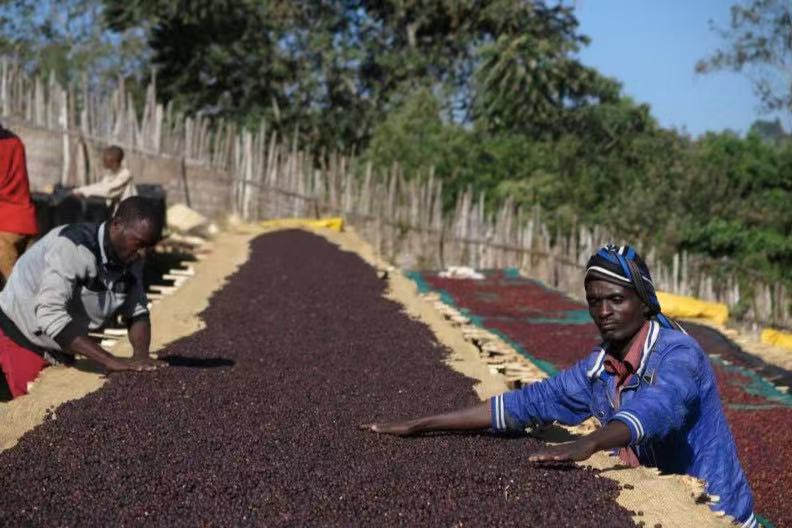
This is the most traditional and historic method, and it’s relatively simple: the whole coffee cherry is placed directly under the sun to dry naturally until the moisture content is reduced to10.5% to 12%—the ideal range. The biggest feature of this method is that it retains the entire fruit flesh and mucilage, allowing the coffee to undergo a certain degree of fermentation during the drying process, thereby producing intense fruity notes and fermented sweetness. Although it mostly relies on natural sunlight, mechanical drying equipment may also be used when sunlight is insufficient or when stable quality is required, though it is still generally referred to as “dry processing.”
Dry processing is widely used in countries such as Ethiopia, Yemen, and Brazil, especially in arid or water-scarce regions. The sun-drying process usually takes2 to 4 weeks or more, during which temperature and humidity must be closely monitored to prevent mold or over-fermentation, which can lead to defective flavors. If the weather is sunny and stable, natural drying can give the coffee rich fruity tones and full-bodied sweetness; however, if it dries too quickly or the temperature is poorly controlled, it may result in flat flavors—this is one of the reasons why some Brazilian commercial beans are considered to lack complexity. On the contrary, if the drying pace is well managed, allowing the fruit to ferment slowly, it can create a complex and balanced taste profile.
Method 2: Washed Processing / Wet Processing
Washed processing originated in the 18th century and was developed by the Dutch to adapt to the humid, rainy, and sunlight-lacking environments of the colonies. The process involves first removing the outer skin and pulp of the coffee cherry, then soaking the sticky mucilage-covered parchment beans in water tanks for fermentation. Microorganisms break down the mucilage, after which the beans are rinsed clean with water and finally dried. Because the excess tissue is removed in the early stages, the drying time is greatly shortened, and the risk of over-fermentation is also effectively reduced.
The fermentation time varies depending on environmental conditions, typically ranging between12 hours and 6 days. For example, Kenyan-style washed processing involves multiple rounds of fermentation and washing, making the overall duration longer. Controlling the degree of fermentation is extremely critical—insufficient fermentation leaves residual mucilage, while over-fermentation can easily produce unpleasant sour or foul odors. Additionally, traditional washed processing consumes a large amount of fresh water, putting a strain on the environment. Modern methods often use water recycling systems or friction-based cleaning technologies to reduce waste, so this technique is more appropriately referred to as “wet processing.”
Coffee processed using washed methods usually exhibits clean and bright acidity, with a clear flavor profile that easily reflects the unique characteristics of the growing region. However, due to the absence of fermentation influenced by fruit flesh and mucilage, the overall aroma is less intense, and the beans themselves are required to be of higher quality. Many professional cuppers believe that washed processing can most directly showcase the intrinsic characteristics of coffee, making it an ideal method for evaluating regional flavors.
Method 3: Semi-Dry Processing Method (Semi-Dry Processing)
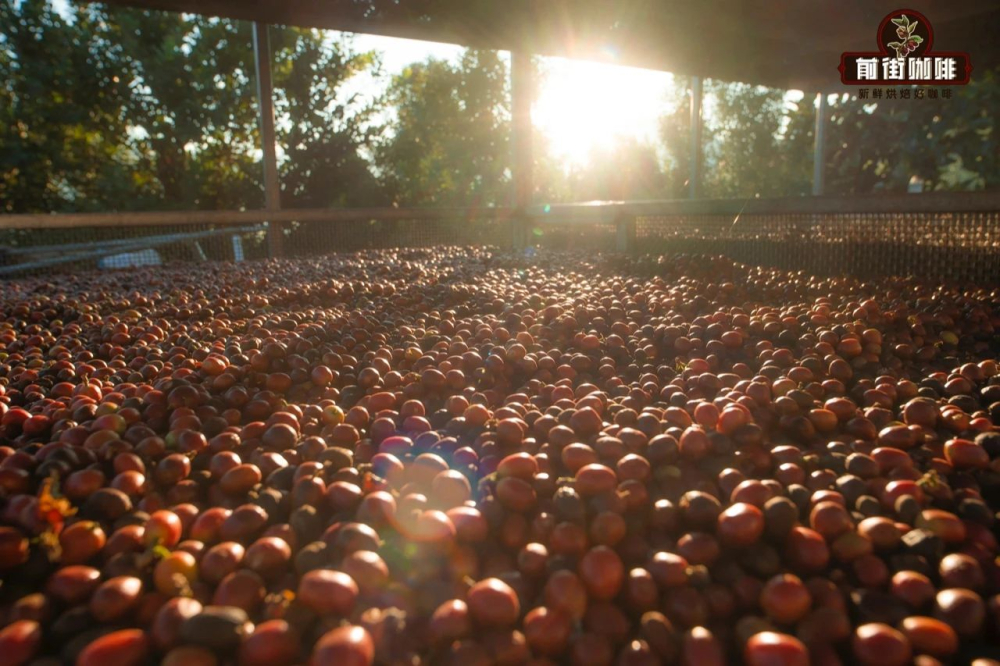
Semi-dry processing falls between natural and washed methods and can be subdivided into two main types: pulped natural and honey processing. Both methods first remove the outer skin and part of the pulp of the coffee cherry but skip the water tank fermentation and water rinsing, instead proceeding directly to drying. Although the processes are similar, the final flavor profiles vary greatly due to differences in the amount of mucilage retained.
(A) Pulped Natural (Pulped Natural)
This method was developed by the Brazilian equipment manufacturer Pinhalense in the 1980s and 1990s. Using patented depulpers and high-pressure washing equipment, the pulp is removed and the mucilage is cleared as much as possible before sun drying. Since the fermentation step is omitted, the flavor is simpler and more stable, but it also lacks complexity, so it is rarely used for high-quality specialty beans. This process uses less water than washed processing, with some steps resembling wet processing and others closer to dry processing, hence it is also called semi-washed processing. It’s worth mentioning that due to the patent monopoly on the technology and equipment, it is currently mainly used in specific markets such as Brazil and Colombia.
(B) Honey Processing (Miel Method)
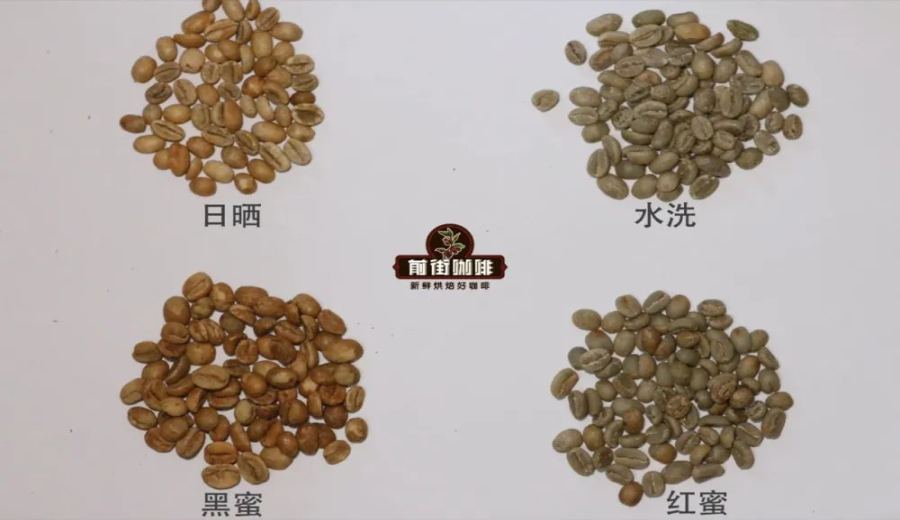
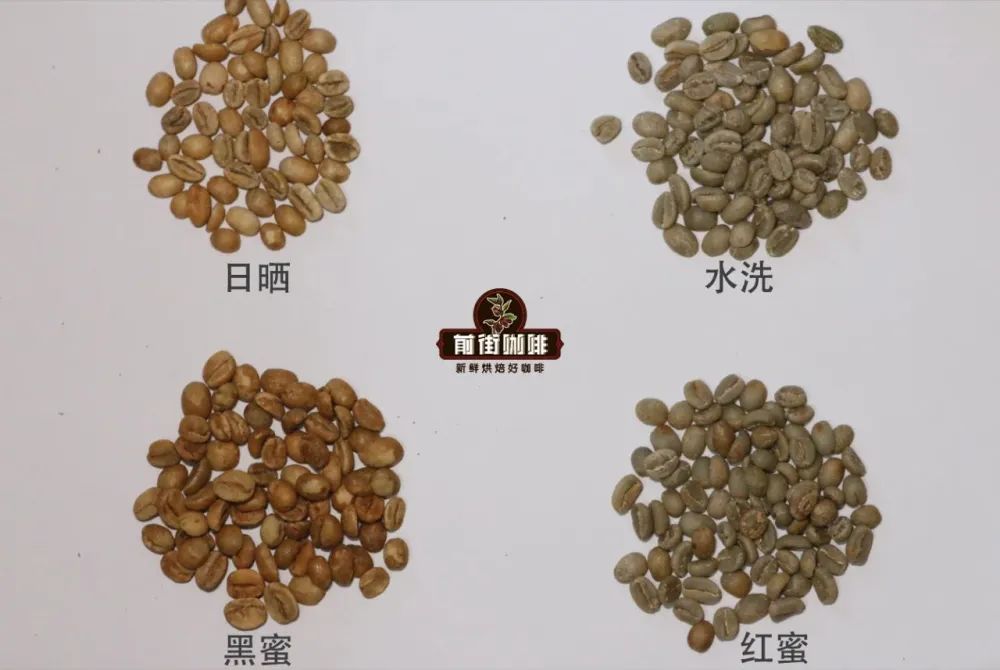
Honey processing originated in Costa Rica and is an improved version of the pulped natural method. Its key lies in using a mucilage scraper to control the amount of mucilage retained, leaving some or all of the mucilage on the bean surface before sun drying. The mucilage undergoes slight fermentation during the drying process, bringing unique sweetness and fermented aromas. The flavor is closer to that of natural processing but with more pronounced sweetness. Depending on the proportion of mucilage retained, the industry commonly categorizes it asblack honey, red honey, yellow honey, and white honey—the more mucilage, the darker the bean color after drying and the richer the flavor. Although the percentage indications may not be precise, the color classification gives consumers an intuitive expectation of the flavor, making it a new favorite in the global specialty coffee market in recent years.
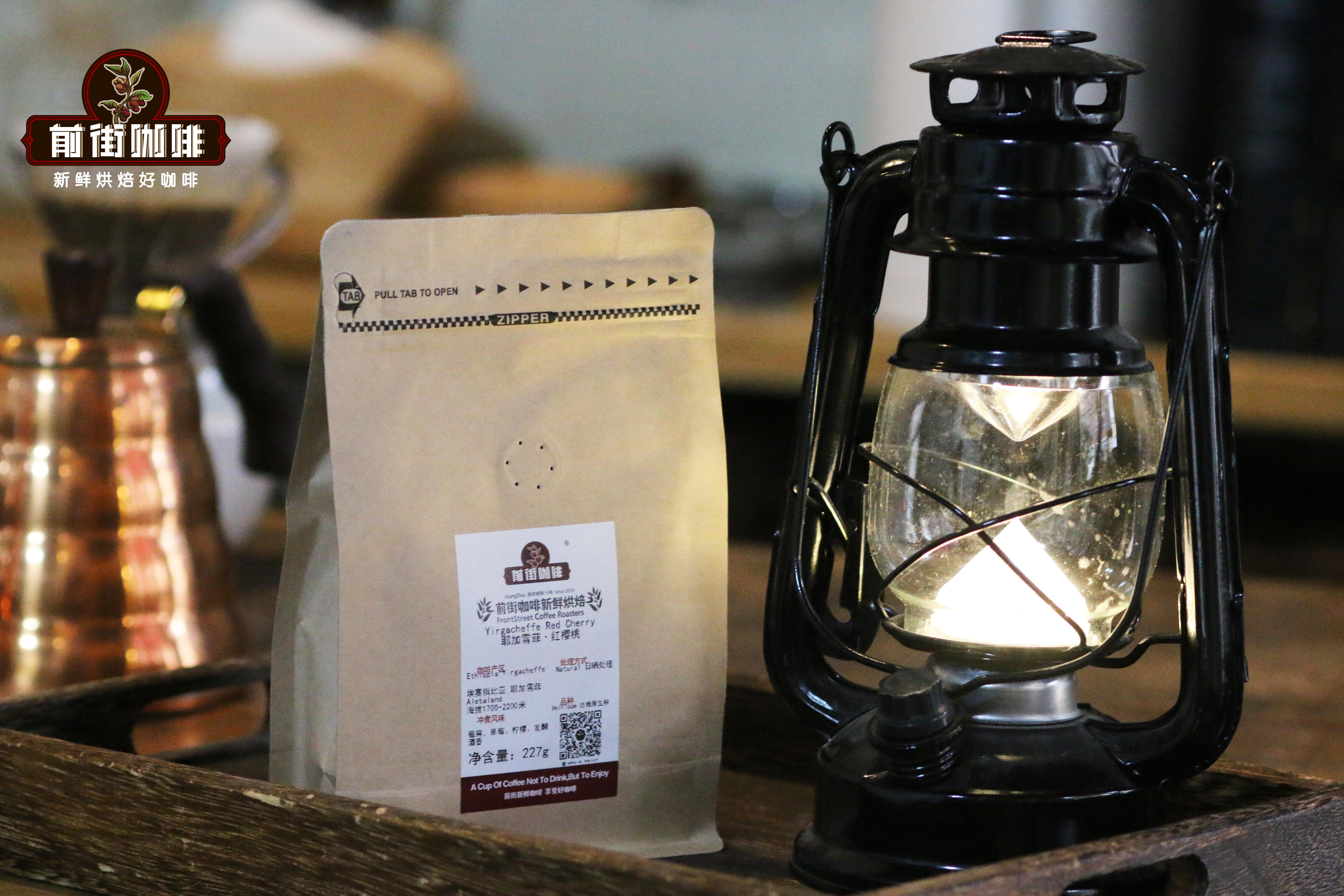
In summary, natural processing gives coffee intense fruity aromas and fermented sweetness, suitable for those who enjoy complex flavor layers; washed processing showcases clean, bright acidity and clear regional characteristics, making it an excellent choice for entering the world of specialty coffee; while honey processing combines the advantages of both, offering both sweetness and aroma, and is particularly favored by coffee lovers seeking unique flavor experiences. Whether you’re a beginner or a seasoned coffee enthusiast, understanding the differences between these processing methods can help you find the cup of coffee that suits your palate the best.
The above content is compiled by CoffeeHunters, a coffee news website.


