







Introduction:Want to know why Panamanian Geisha coffee has become the pinnacle of specialty coffee? From its unique varietal genetics and scarce production, to the strict management and exquisite processing techniques of the famous Hacienda Esmeralda, this article delves deep into the sources of Geisha’s value. Taking the Hacienda Esmeralda Red Label Natural Geisha as an example, it also explains in detail the pour over operation steps and optimal parameter settings, helping you fully grasp the brewing secrets and flavor characteristics of this top-tier coffee.
In the world of specialty coffee, Panamanian Geisha is undoubtedly one of the most eye-catching stars. A single cup often costing tens or even hundreds of yuan makes many coffee enthusiasts both excited and hesitant. But what exactly gives this coffee the allure to stand out and command such a high price? This article will start with a commercially available Red Label Handbrew Geisha priced at around 75 yuan, taking you in-depth into its varietal background, regional characteristics, grade classifications, and detailing the pour over process — including optimal water temperature, grind size, and three-stage extraction techniques — to help you fully understand the flavor logic of this legendary coffee from cultivation to cup.
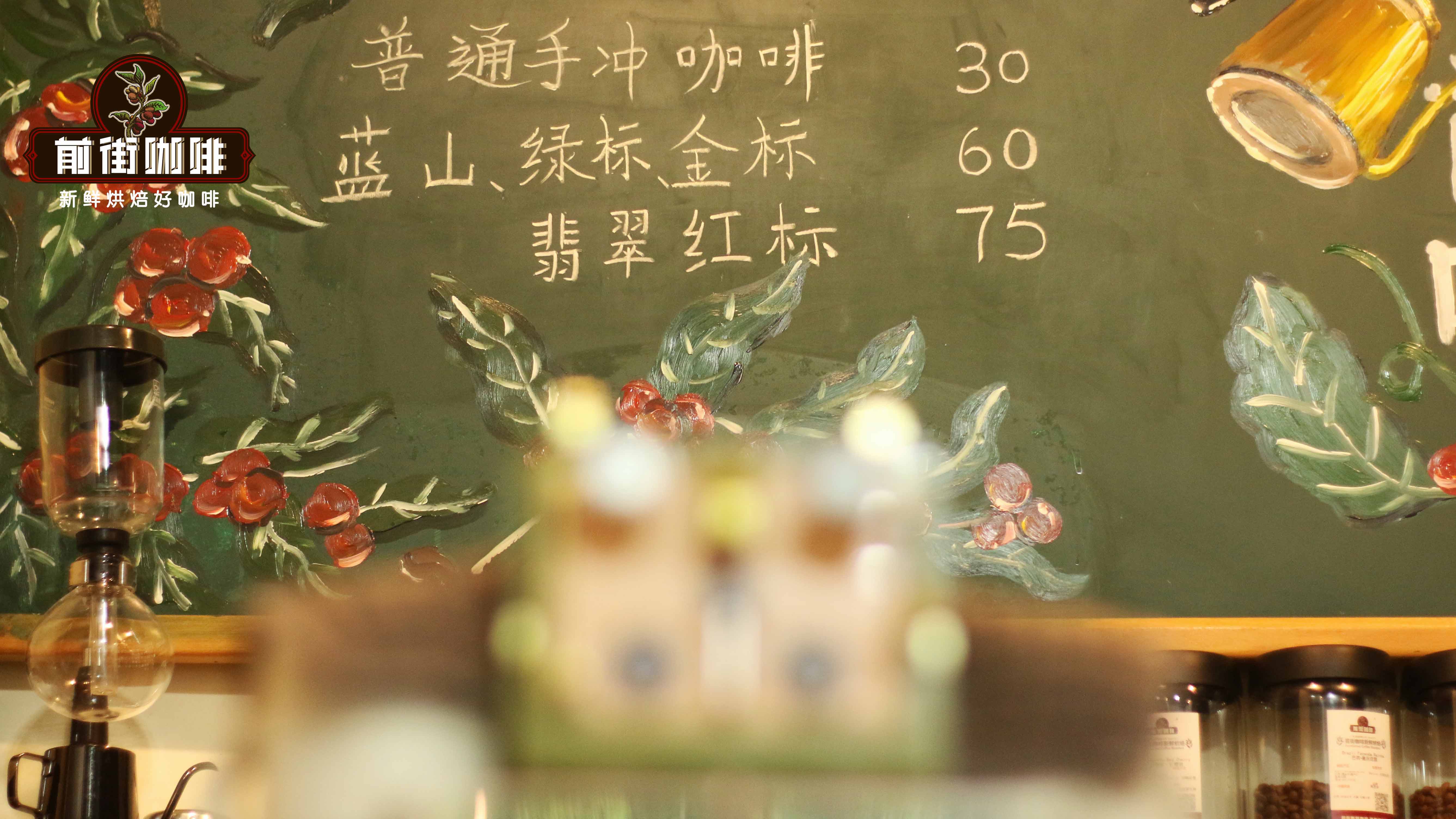 Walking into any professional coffee shop, the most prominent spot on the price list is often reserved for the Hacienda Esmeralda Red Label Geisha. This pour over coffee, made using high-altitude Geisha beans from renowned auction lots, comes with high green bean costs, so a single cup often reaches 75 yuan. For many first-time Geisha drinkers, the value behind this price is intriguing.
The reason Geisha has become the leader in global specialty coffee lies in its highly recognizable flavor profile: it opens with bright and delicate floral notes, followed by vibrant acidity from complex fruits like citrus and peach, the mid-palate offers a silky, buttery mouthfeel, and the finish lingers with a sweet aftertaste reminiscent of oolong tea. This tea-like experience often leads people to think they’re not drinking coffee, but rather a carefully brewed high-mountain fruit and floral tea. In fact, all of this stems from the perfect synergy of Geisha’s varietal characteristics, growing environment, and processing methods.
As the saying goes, “ rarity commands value,” and the scarcity of Geisha is another key reason for its high price. Statistics show that Panama’s annual coffee production is about 10,000 metric tons, while Hacienda Esmeralda produces only about 150 bags of green beans per year, equivalent to roughly 9,000 kilograms. If we estimate that Geisha accounts for 3% of its production, that means only about 270 kilograms of Geisha are available on the market each year. Furthermore, Geisha itself is extremely picky about its environment, requiring not only high altitudes and fertile soil, but also cloud cover and careful management, resulting in yields far lower than the common Caturra variety, which further enhances its rarity.
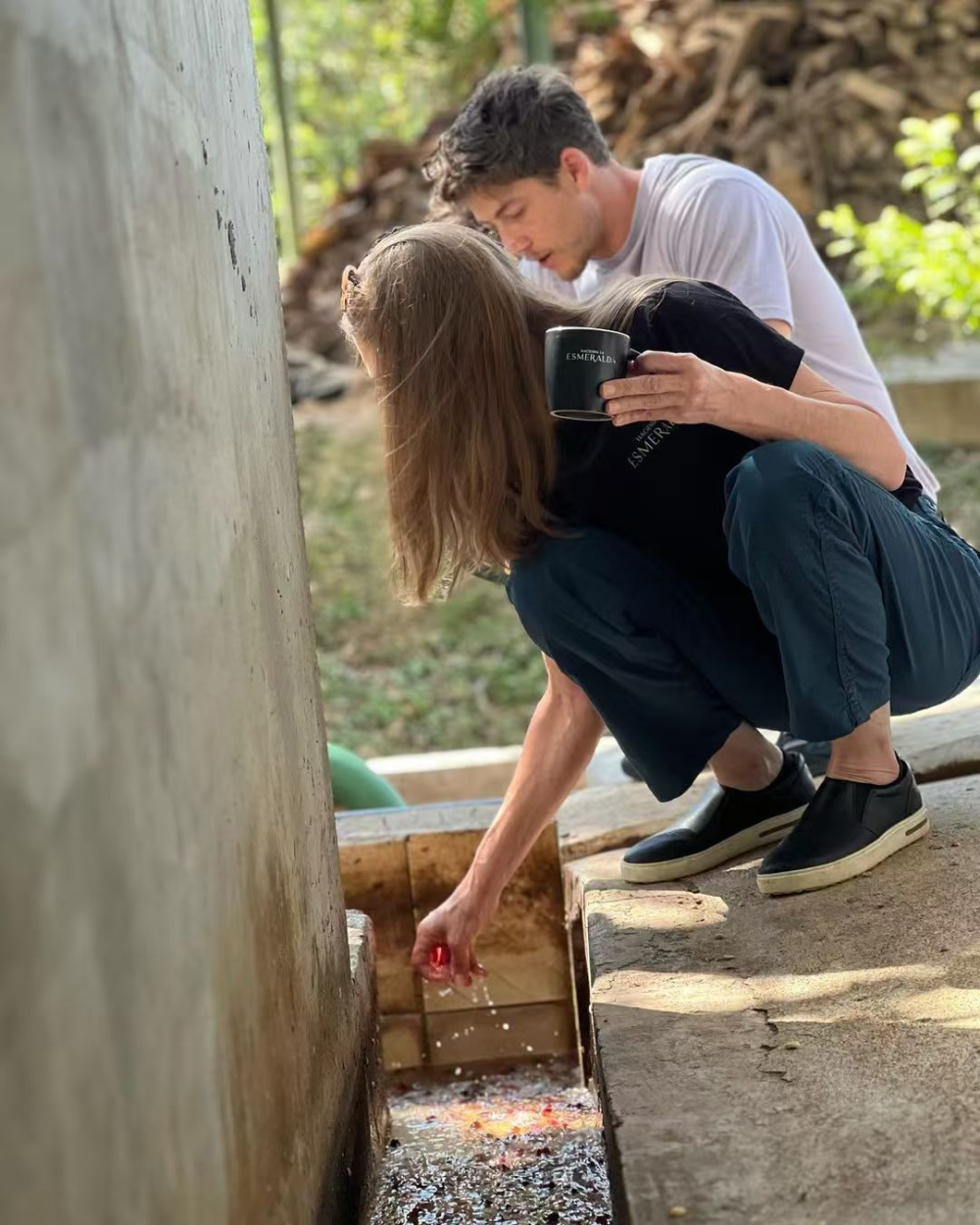
 The rise of Geisha is inseparable from Panama’s Hacienda Esmeralda. According to the third-generation manager Daniel, on the eve of the Best of Panama (BOP) competition in 2003, after repeated cuppings, he discovered that Geisha exhibited multi-layered flavors such as jasmine, citrus, peach, and blueberry. Although slightly different from the mainstream preferences of the time, he still decided to enter Geisha into the competition — and it won first place. It then went on to win multiple international awards between 2005 and 2007, solidifying its top-tier status. Today, although Geisha is grown in multiple regions around the world, Hacienda Esmeralda’s natural processing methods and strict quality control are still considered the best representation of the classic “Geisha flavor.”
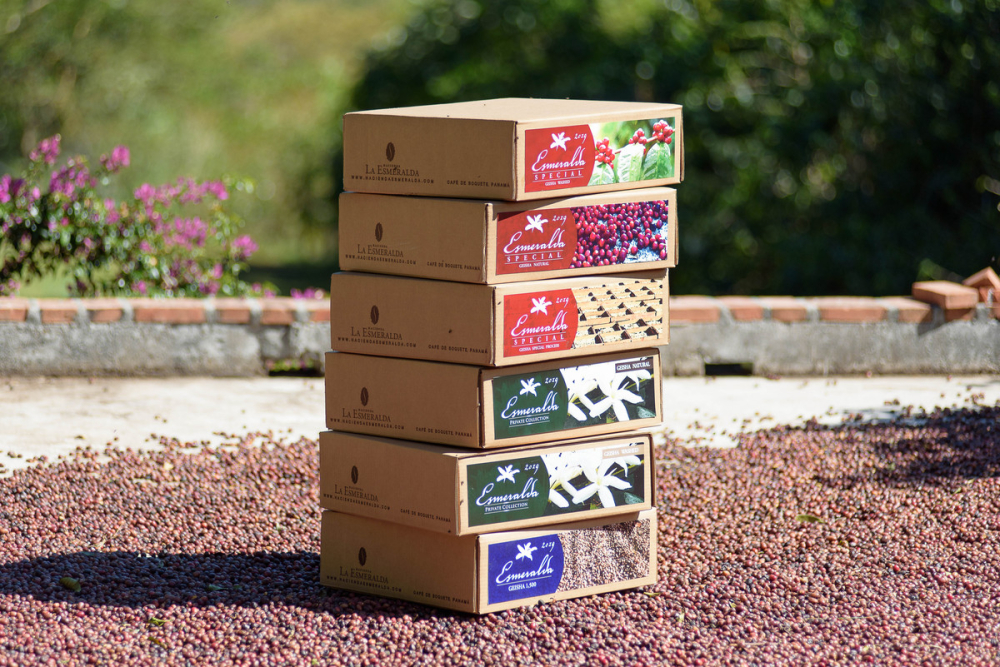
Among the estate’s product lines, the Red Label and Green Label are the two most common grades. The Red Label, or ESMERALDA SPECIAL, is the top choice among high-altitude Geisha, typically sourced from the Jaramillo and Cañas Verdes farms, grown at altitudes between 1,600 and 1,800 meters, with cupping scores exceeding 90, and some lots even go up for public auction. Auction lots of the Red Label each have an independent number corresponding to specific plots — for instance, the famous Mario plot is the source of the Hacienda Esmeralda Red Label Natural Geisha. The Green Label, on the other hand, consists of unwashed micro-lots not differentiated by plot, with a flavor profile that leans fresh, featuring notes of lemon, berries, and Tieguanyin tea. Though not part of the auction, it still possesses the classic characteristics of high-altitude Geisha.
To fully showcase the floral and fruity aromas and delicate acidity of Geisha, the estate insists on using light roasting for all Geisha coffee beans, while fine-tuning the roast profile according to different processing methods. For consumers who prefer pour over, the estate recommends using water at 92–93°C, paired with a grind size similar to granulated sugar, with a 20-mesh sieve passing rate of about 80%, to fully unlock its flavor potential. It should be noted that due to differences in grinder conditions, even with the same setting, actual powder fineness may vary, so it’s advised to confirm grind size with a sieve yourself to ensure consistent extraction.
Additionally, to preserve the best flavors, the estate only ships freshly roasted beans within five days of roasting, and recommends that consumers drink them as soon as possible upon receipt to enjoy the fullest aroma and complexity. When it comes to equipment, if you want to highlight Geisha’s citrus honey sweetness and layered nuances, a V60 dripper made of resin material is recommended. Its unique spiral flow ribs and large hole design can effectively extend the contact time between water and coffee, while balancing flow rate to make extraction more uniform and layered.
Below are the pour over parameters for the Hacienda Esmeralda Red Label Natural Geisha commonly used in the estate’s stores, for readers’ reference in practice: Use a V60 dripper, control water temperature at 91–92°C, use 15 grams of coffee, with a 1:16 coffee-to-water ratio, grind size at about 80% through a 20-mesh sieve, close to the fineness of granulated sugar. The extraction is done in three stages: first, pour 30 grams of water for a 30-second bloom to allow the coffee grounds to fully expand; next, pour 120 grams of water with a slightly higher flow rate, reaching a total of 150 grams, taking about 55 seconds; finally, pour 90 grams of water with a smaller flow rate, totaling 240 grams, with the overall extraction time around 2 minutes and 10 seconds. After brewing, gently swirl the coffee in the server to enjoy its multi-faceted flavors as the temperature changes.
When you sip this Hacienda Esmeralda Red Label Geisha, the first notes to greet you are elegant rose and citrus aromas, followed by layers of strawberry and tropical fruit acidity, with the finish offering a smooth, tea-like sweetness akin to black tea. From the first sip to the last drop, the flavors shift as the temperature drops, delivering a smooth and distinctly layered experience — a classic must-try for any pour over enthusiast.
The above content is compiled by CoffeeHunters, a coffee news website.


