







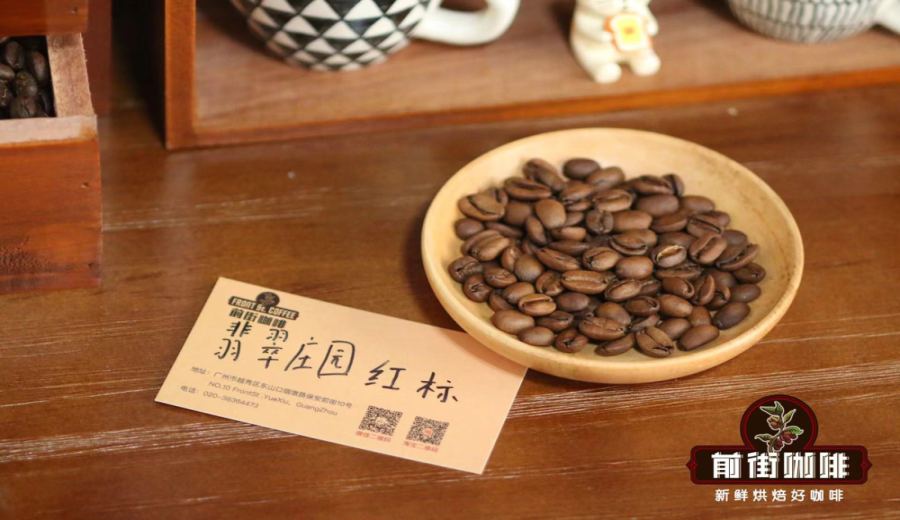
Introduction:Geisha coffee is renowned for its distinctive floral aroma and citrusy honey sweetness, but using it for espresso often results in failure due to its light roast level and high price. This article explores how to achieve a well-balanced Geisha SOE (Single Origin Espresso) at a reasonable cost by adjusting grind settings with substitute beans and precisely controlling extraction parameters. It also extends the application to milk-based coffee drinks, guiding you through the key techniques from grind adjustment to final serving.
The 2004 Best of Panama competition catapulted Panamanian Geisha to fame with its intense floral notes and citrus-honey profiles, making it a dream coffee for many enthusiasts. Many coffee lovers hope to use their home espresso machines to extract Geisha SOE, experiencing its layered flavors at high concentration. However, Geisha is not only expensive but also mostly medium to light roasted. Using standard espresso bean parameters directly often leads to excessive acidity and wasted costs.
Using single-origin beans for espresso extraction is called SOE (Single Origin Espresso). These beans are typically roasted lighter to preserve their original fruity and floral characteristics. However, light-roasted beans differ significantly in density and hardness from the common medium to dark roasted espresso beans. Even if the grind settings appear the same, the actual particle size can vary greatly, resulting in vastly different extraction outcomes. Additionally, Geisha is usually three to four times more expensive than regular beans, making failed grind adjustments particularly costly.
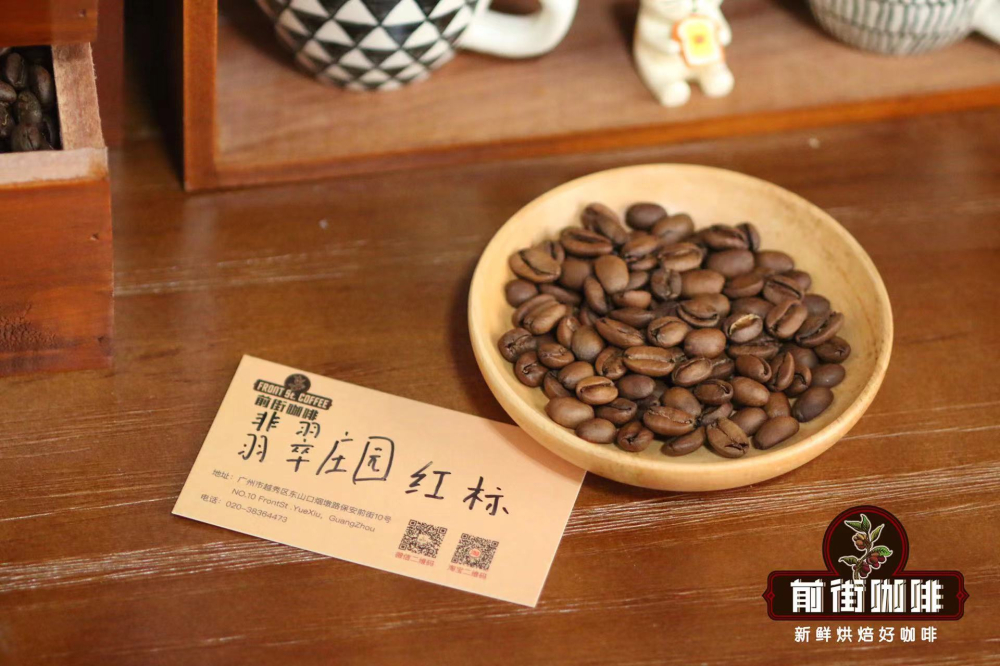
To reduce costs and risks during the grind adjustment phase, a practical tip is to use a “substitute bean” to first adjust the grind setting. It’s recommended to choose beans with a similar or even lighter roast level and a more affordable price (such as certain Ethiopian origin beans), and first dial in the ideal extraction time and flow rate. Then switch to Geisha for fine-tuning. This approach allows for precise parameter control while significantly reducing waste of costly Geisha beans.
In practice, you can follow this basic extraction guideline: use 20 grams of coffee, a 1:2 brew ratio, and aim for an extraction time of around 35 seconds. Start by using a light-roasted substitute bean (such as budget-friendly Yirgacheffe) for initial grind adjustment—for example, by fine-tuning the grind setting finer (e.g., adjusting the Galileo Q18 from 1.4 to 1.2 or 1.1), and observe the extraction time and flavor profile. If the extraction is too fast (e.g., 40ml extracted in 29 seconds) or the acidity is too sharp, further fine-tune the grind to a finer setting. If you’re close to the target time (e.g., 33 seconds), then switch to Geisha for final fine-tuning.
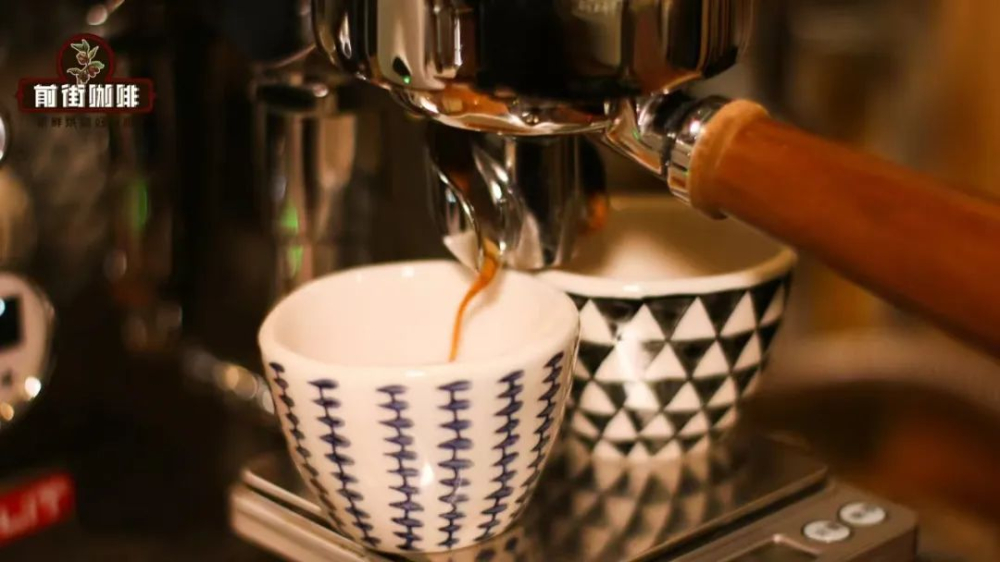 Once you switch to Geisha, note that its roast level may be slightly darker or lighter than the substitute bean, which will affect the actual extraction time. Take the Panamanian Boquete washed Geisha as an example: its light roast characteristic results in gentler acidity, making it suitable for pairing with milk, and the extraction time may fall around 35 seconds, right within the ideal range. At this point, carefully taste the flavors: an ideal Geisha SOE should present rounded acidity, clearly layered citrusy sweetness, white floral notes, honey texture, and a green tea-like aftertaste.
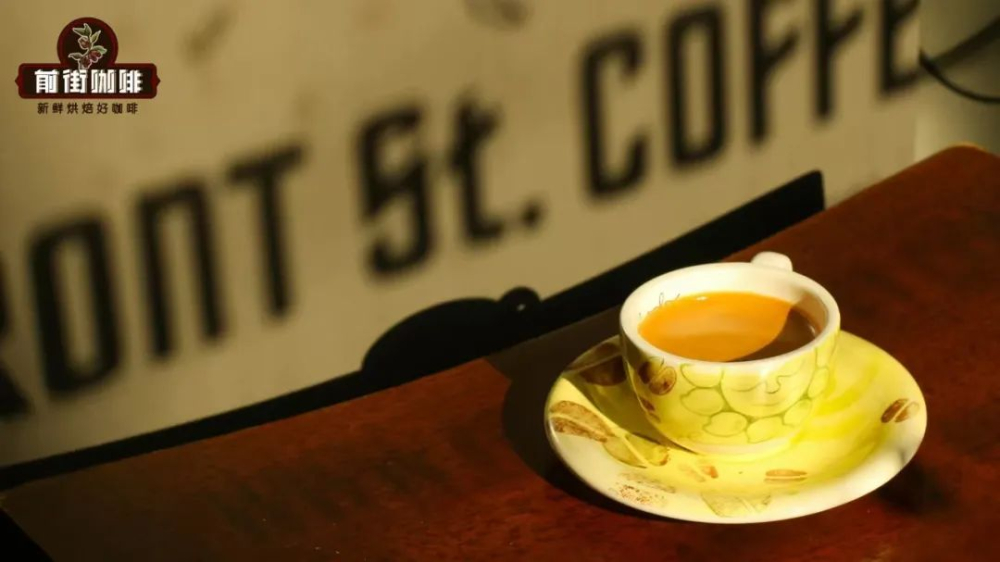
The crema (coffee foam) of Geisha espresso is usually less thick than that of dark-roasted beans, which is related to its lighter roast level, but this is not an indicator of quality. Even with thinner crema, as long as the flavors are balanced, you can still produce aesthetically pleasing latte art. If you’re making milk coffee with Geisha espresso, it’s recommended to adjust the milk ratio (e.g., 40ml of espresso with 180ml of milk, a 1:4.5 ratio) to reduce the impact of acidity and highlight sweetness and floral notes, while also bringing out a caramel-cookie-like integrated flavor.
If you want to further reduce costs without giving up the Geisha flavor, consider using a blended coffee that includes Geisha (such as Flower Butterfly or Strawberry Candy, which contain 70% Geisha). Although not purely single-origin, these blends still retain distinct Geisha characteristics and are suitable for everyday enjoyment. Additionally, choosing medium to light-roasted Geisha SOEs designed for espresso machines (such as the Granada Geisha from a well-known roaster) can preserve floral notes while delivering a moderate caramel touch, with a crema profile that’s also more compatible with home machines.
In summary, the key to successfully brewing delicious Geisha SOE lies in: selecting an appropriate substitute bean for grind adjustment, precisely controlling grind size and extraction time (ideally aiming for around 35 seconds), adjusting parameters based on roast level, and fine-tuning the ratio according to the final use (black coffee or milk coffee). By following these steps, even high-priced Geisha can be presented at home as an espresso or milk coffee with balanced flavors and distinct layers.

The above content is compiled by CoffeeHunters, a coffee news website.


