







Category: Coffee Knowledge
What’s the difference between espresso and Americano? Understand everything from origins, ratios to flavors in one go
Although both espresso and Americano originate from the same extraction method, they have developed distinctly different flavor experiences due to differences in cultural background and brewing techniques. This article delves into the historical origins of both, starting with the need for a quick energy boost during Italy’s industrial era, and introduces how American soldiers “modified” it into the Americano. It also analyzes standard brewing parameters such as 9 bar pressure, 92°C water temperature, and the process of extracting 40g of liquid from 20g of coffee grounds using a ratio example of 1:8 and 1 [more…]
A Complete Guide to the Differences Between Espresso & Americano, Flavor-Focused Bean Menu Recommendations & Home Brewing Tips
Dive deep into the brewing principles and flavor essence of espresso and Americano—from the rich intensity of high-pressure extraction to the approachable taste achieved by dilution with water. This article will help you grasp the key differences between the two. We also provide practical coffee bean selection suggestions tailored to different taste preferences—bold, fruity, and bright acidity—along with home brewing parameter guidelines, so you can easily brew an Americano that suits your personal taste. [more…]
What’s the difference between espresso and Americano? Extraction principles, flavor profiles, and brewing tips
Although both espresso and Americano are types of black coffee, they differ greatly in extraction methods, flavor characteristics, and ideal drinking scenarios. Understanding their preparation principles, coffee bean selection, espresso parameters, and taste differences can help you choose the most suitable coffee based on your personal preference — and even recreate professional-level flavors at home. [more…]

The Ultimate Guide to Making Iced Americano: Differences Between Blends and Single-Origin Beans, Extraction Parameters, and DIY Tips
Want to brew a refreshing, layered iced Americano at home? This article delves into the key aspects of making iced Americano coffee, starting with the characteristic differences between blend beans and single-origin beans (SOE), and providing detailed explanations on espresso extraction parameters, ice ratio, and step-by-step techniques. Whether you prefer the stable and balanced flavor of blends or want to explore the unique personality of single-origin beans from specific regions, you’ll find practical advice and tips here. [more…]
Is Americano coffee black coffee? A comprehensive breakdown of brewing methods, price differences, and bean flavor profiles
Americano coffee may seem simple, but it holds a wealth of knowledge. From adding water to espresso to drip-filtered black coffee, different brewing methods result in vastly different flavors and prices. This article delves into the differences between the two mainstream ways of making an Americano, explores how coffee bean selection and brewing parameters affect flavor, and analyzes why the same drink called an Americano can range from affordable to premium, with some even offering free refills—helping you find the cup that’s perfect for you. [more…]
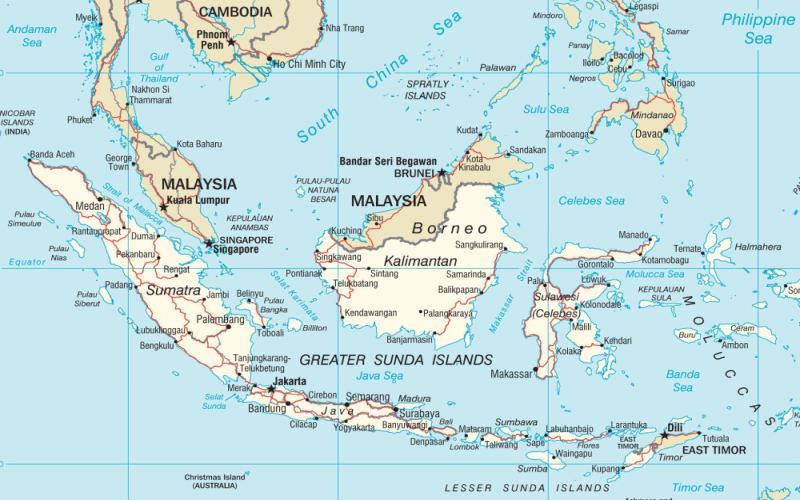
Complete Guide to Indonesia's Five Major Coffee Regions: Mandheling Flavor Analysis and Specialty Bean Varieties
Dive deep into the coffee map of Indonesia, an archipelagic nation, exploring everything from the classic Sumatran Mandheling to the niche Flores and Papua beans. This guide offers a comprehensive breakdown of the unique terroirs and flavor profiles of five major regions. Not only does it introduce specialty items like Mandheling G1, peaberry, long berry, and aged beans, but it also takes you through the history and processing characteristics of regions such as Java and Toraja—making it a practical handbook for pour over enthusiasts and coffee bean buyers alike. [more…]
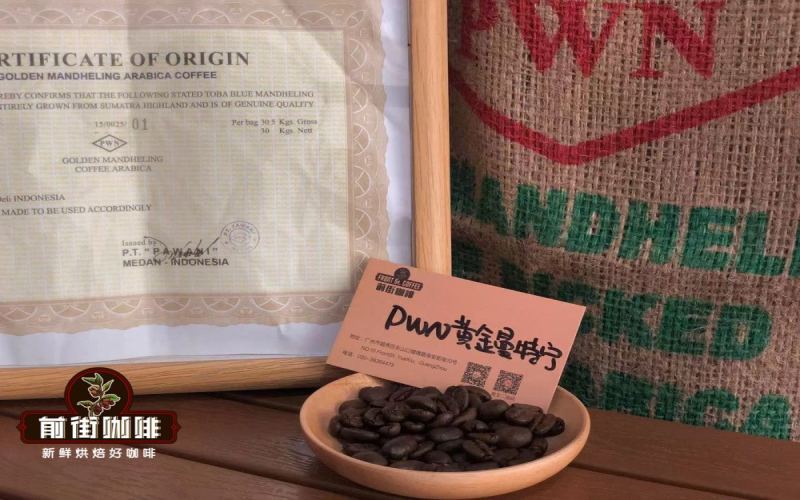
How to Choose Indonesian Mandheling Coffee Beans? A Complete Guide to Wet-Hulled Processing + Pour Over & Moka Pot Parameters
Indonesia is a globally renowned coffee-producing region, and Mandheling is often the first choice for many when exploring the deep-roasted flavor profile. This article delves into the characteristics of Indonesia’s major coffee-growing regions, explores the origins of the Mandheling variety, analyzes how wet-hulled processing contributes to its low acidity and rich body, and provides practical brewing parameters for both the KONO filter and moka pot to help you master the key flavor notes and brewing techniques of this classic bean. [more…]

A Comprehensive Guide to Indonesia’s Three Major Coffee Regions: Flavor Profiles and Processing Methods of Mandheling, Sulawesi, and West Java
As one of the world’s key coffee-producing regions, Indonesia is home to three major islands—Sumatra, Java, and Sulawesi—that yield a variety of uniquely flavored coffees. This article delves into the development of Indonesian coffee from the colonial era to the present, analyzing distinctive regional processing techniques such as wet hulling and honey processing. It also provides detailed insights into renowned producing areas like Mandheling, West Java’s Ayamene, and Sulawesi’s Toraja, covering cultivars, altitudes, processing methods, and flavor profiles. This guide helps coffee enthusiasts understand selection criteria and brewing references. [more…]

How is Indonesian wet-hulled coffee made? A complete breakdown of the flavor formation of Golden Mandheling
Want to understand why Indonesian Mandheling coffee has such a rich, full-bodied yet clean taste? The key lies in its unique "wet-hulling" processing method. This article will explain in detail the wet-hulling process, the reasons behind its distinctive flavors, and the science behind the so-called "elephant ear" phenomenon. It also introduces you to the top-tier PWN Golden Mandheling from Indonesia—its regional characteristics, strict selection system, and optimal brewing methods. A must-read beginner’s guide for pour over coffee enthusiasts and those exploring deep, bold flavors. [more…]
Why is Rwandan coffee selected by Starbucks Reserve? A complete guide to regions, varieties, and washed processing
Did you know? Rwandan coffee is known for its fruity sweetness, delicate floral notes, and black tea-like finish, even earning the favor of Starbucks Reserve. This article takes an in-depth look at the growing environment, key producing regions, historical development, variety characteristics, and washed processing techniques of this "Land of a Thousand Hills." It also includes detailed profiles of Gesha washed beans, roasting recommendations, and brewing parameters — a must-read guide for fans of African specialty coffee and pour over enthusiasts. [more…]
Analysis of the Differences Between Washed and Natural Yirgacheffe | A Beginner's Guide to Flavor Identification and Processing Methods for Coffee Novices
Ethiopian Yirgacheffe is globally recognized by specialty coffee enthusiasts as a benchmark flavor-producing region, with its refreshing floral notes and citrus profiles leaving a lasting impression. This article provides an in-depth analysis of the two most representative processing methods in the region—washed and natural—covering everything from flavor profiles and processing workflows to recommended brewing methods. It helps readers discern the unique characteristics of each method and understand the critical impact of freshness on coffee aroma. Whether you're a beginner or an advanced enthusiast, you'll find practical guidance here. [more…]
Behind Juan Valdez Coffee: The Origins of FNC & A Complete Guide to Tasting Colombian Estate Beans
Do you want to know who Juan Valdez—the bearded man leading a mule on Colombian coffee packaging—is? This article delves into the founding background of Colombia’s coffee growers' association, FNC, the origins of the Juan Valdez brand, and features an actual tasting of a UTZ-certified FINCA-selected washed Arabica estate bean. From regional terroir to brewing performance, it provides you with a complete reference for selecting premium Colombian coffee. [more…]
Analysis of the Flavors of Colombia’s Four Premier Specialty Coffee Regions and Pour Over Recommendations
Colombia is a globally renowned specialty coffee origin, where its diverse terrain and microclimates produce a variety of beans with unique flavor profiles. This article delves into four well-known regions—Huila, Cauca, Nariño, and Santander—analyzing their altitude, processing methods, and flavor characteristics. It also provides pour over parameters and techniques for washed Huila beans to help you master brewing essentials and experience the layered charm of Colombian coffee. [more…]
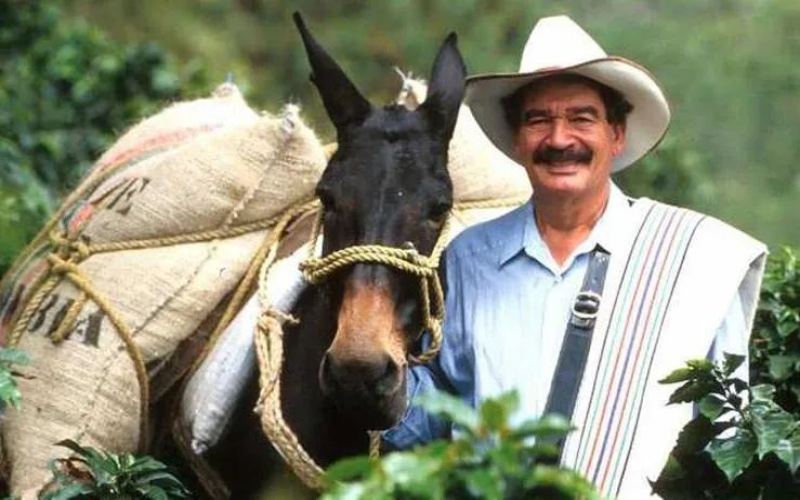
How to Brew Colombian Juan Diez Coffee? Pour Over Parameters and Flavor Analysis of the Huila Washed Beans
Colombian coffee is renowned for the classic "Uncle Juan" logo, but behind it lies a diverse range of producing regions and exquisite processing techniques. This article delves into Colombia’s coffee grading system, the geographical advantages of the Huila region, and offers brewing recommendations for medium-dark roasted washed beans using the pour over method — covering everything from grind size to water temperature control to help you fully experience the classic Colombian flavors of nuts and chocolate. [more…]
How to blend Italian-style coffee? Analysis of 6 major flavor profiles & high-value recommendations
The mystery of Italian-style blended coffee beans lies in scientific proportions and sensory harmony—far surpassing single-origin beans. This article delves into the logic behind blending and the six mainstream flavor directions, including balanced, bitterness-driven, and acidity-forward profiles. It also reveals the advantages of blending after roasting, while curating high-cost-performance practical combinations to help you master the complete knowledge from bean selection to cost control. [more…]
How to blend espresso beans? Are they suitable for pour over? A breakdown of the differences between SOE and single-origin beans
Many coffee enthusiasts often have questions about the uses and characteristics of blended beans and single-origin beans—especially whether blended beans can also be used for pour over, or whether single-origin beans can be used for espresso. This article provides an in-depth analysis of blending principles, the differences between fresh and roasted blends, key points in selecting and roasting SOE beans, and explores the feasibility of using blended beans for pour over, giving you a comprehensive understanding of the art and practical advice behind coffee bean blending. [more…]
Complete Guide to Using Siphon Coffee Makers: Structure, Brewing Techniques & Flavor Analysis
The siphon coffee maker (also known as the vacuum pot) is renowned for its unique vacuum extraction technology. It not only delivers a dramatic brewing process but also imparts a rich and layered flavor profile to the coffee. This article delves into the historical origins of the siphon pot, the construction of its components, and how it works. It also provides a detailed explanation of the operation steps and key techniques to help you master the brewing essentials of this classic device and experience a unique coffee flavor journey. [more…]
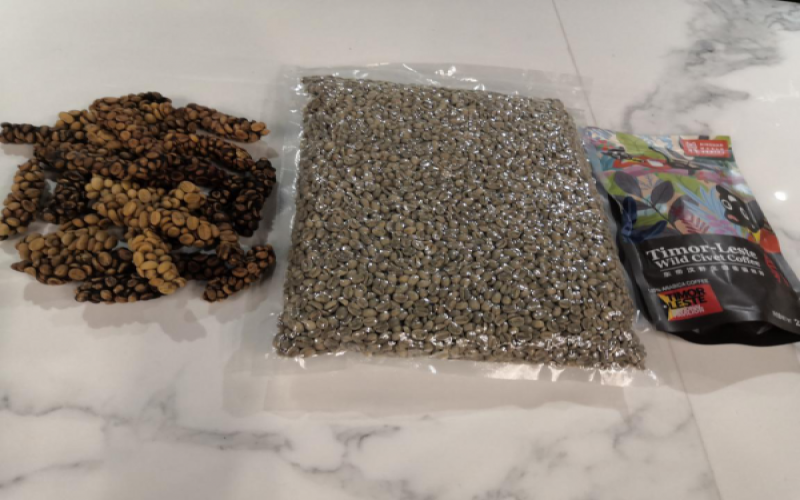
How to Brew Indonesian Civet Coffee Using Pour Over: A Complete Guide to Filter Choice, Water Temperature Control, and Three-Stage Pouring
Indonesian civet coffee is one of the rarest and most expensive coffees in the world. Its wild beans can cost up to around 7,000 RMB per kilogram. If brewed improperly, it’s very easy to waste its unique flavors. This guide will deeply explore how to correctly extract civet coffee through pour over brewing—from choosing the right filter, determining coffee-to-water ratio, ideal water temperature, to mastering the three-stage pouring technique—helping you fully showcase its rich body, caramel-like sweetness, and distinctive minty aftertaste. [more…]
How to Choose an Italian Blend Coffee Bean? A Complete Guide to Flavor Analysis, Classic Recipes, and Blending Techniques
Italian blend coffee beans are the soul foundation for crafting classic coffees like espresso and lattes, but do you know how to combine beans from different regions and roast levels to achieve a stable yet layered flavor? This article delves into the purpose of blending, six classic flavor profiles, beginner-friendly ratio suggestions, four key blending principles, and provides practical bean combination references to help you advance from a novice to a coffee expert capable of creating your own recipes. [more…]
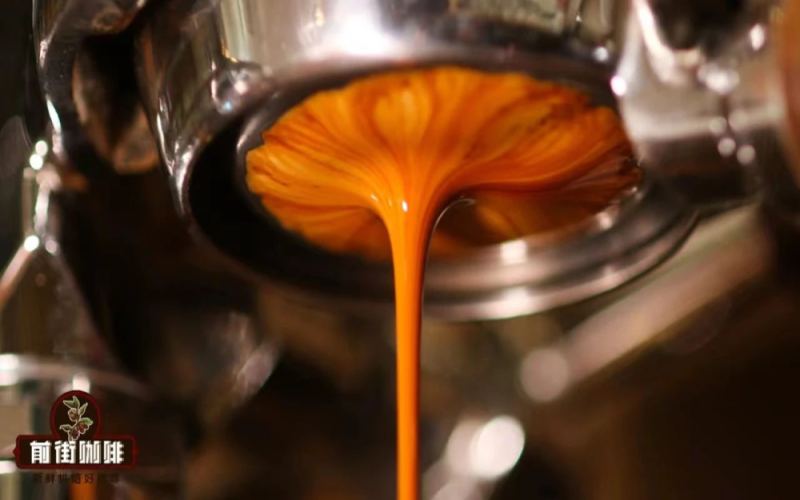
How to Make Espresso? A Complete Guide to Bean Selection and Blend Flavors
Want to understand what true espresso really is? Actually, it’s not just about a specific type of coffee bean, but rather a brewing method that emphasizes high-pressure extraction. This article dives deep into the principles of bean selection for espresso—from classic Mamba blends to single-origin (SOE) espressos, and even practical home-use recipes—helping you master the secrets of crema, sweet-acid balance, and milk pairing to find your perfect cup. [more…]